

Table of Contents
Crash dynamics in rural New Mexico are not the same as in Albuquerque. Higher speeds, longer emergency response times, higher uninsured-driver rates, and different jury pools all shape how cases play out. If your crash happened outside Bernalillo or Doña Ana counties, the strategy looks different.
This guide covers what makes rural NM cases different, and what to do if you’ve been hurt outside the metros.
The data: rural NM driving by the numbers
Several facts about rural New Mexico that shape PI cases:
- Roughly 21% of NM drivers are uninsured. One of the highest rates in the country. In rural counties, the rate is often higher.
- Higher posted speed limits. Most rural NM highways post 65-75 mph. The effective speed is often higher.
- Sparse emergency response. Response times in rural counties can run 20-45 minutes vs 5-10 in Albuquerque.
- Higher single-vehicle crash rates. Long straight stretches, fatigue, wildlife, weather contribute.
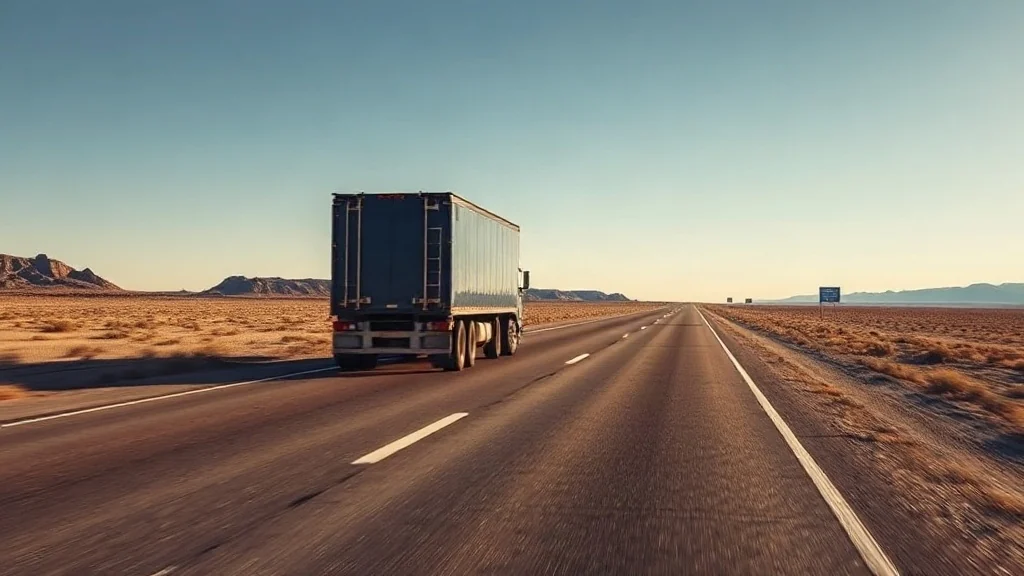
- More commercial truck involvement. I-40, I-25, I-10, US 285 are major freight corridors.
Common rural NM crash scenarios
Roswell, Chaves County — intersection patterns
Roswell has a recurring pattern of high-frequency intersection collisions. Many city streets transition from rural highway speeds to in-town speed limits abruptly, with intersection geometry that confuses out-of-town drivers. Local liability cases often hinge on right-of-way analysis, signal timing, and visibility issues.
Hobbs and Lea County — oil field traffic
Lea County is the heart of New Mexico’s Permian Basin oil production. Commercial truck traffic — tankers, frac sand haulers, water haulers, service trucks — is constant. Fatigued drivers, overloaded trucks, and rural two-lane highways combine to produce high-severity crashes. FMCSA regulations apply heavily.
Farmington and San Juan County — I-40 and US 491 corridor
The Farmington area sees a mix of oil/gas truck traffic, tourist traffic to/from Four Corners, and tribal community traffic. Crashes can involve federal court jurisdiction, tribal court jurisdiction, or state court depending on exact location. Identifying the right forum is the first strategic decision.
Gallup and McKinley County — I-40 truck corridor
I-40 between Albuquerque and Gallup runs through Navajo Nation land for approximately 150 miles. Tribal jurisdiction overlay adds complexity. Many crashes involve commercial trucks where federal regulations apply.
Las Vegas and San Miguel County — I-25 corridor north
I-25 between Las Vegas and Santa Fe sees commuter traffic, tourist traffic, and weather-related crashes (winter snow in higher elevations). Lower density but high-impact crashes.
What makes rural NM PI cases harder
1. Uninsured at-fault drivers
With ~21% uninsured statewide and higher rates in rural counties, your case may turn out to be against someone with no insurance and few assets. The strategy then shifts to your own UM/UIM coverage — which in NM can stack across multiple vehicles on your policy (see our UM/UIM stacking guide for details).
2. Sparse witness pool
City crashes typically have multiple witnesses. Rural crashes on lightly traveled highways may have zero. The police report becomes the primary liability evidence. Accuracy of the responding officer’s report becomes critical.
3. Longer pre-hospital times
Emergency response in rural NM can be 30-45+ minutes. Pre-hospital care quality varies. This often affects injury severity and creates documentation gaps that the insurance company exploits.
4. Out-of-state defendants
Tourist traffic, truck traffic, oil field workers from Texas. Out-of-state defendants don’t waive jurisdiction by being in NM, but service of process and discovery become procedurally more complex.
5. Smaller jury pools
Rural counties have smaller jury pools that may have different baseline attitudes toward personal injury cases. Venue analysis matters — sometimes filing in federal court (diversity jurisdiction) produces different jury composition.
The federal vs state court question in rural NM
For rural NM cases, the federal vs state court decision is often consequential:
Federal court (US District Court for the District of New Mexico):
- Available when there’s diversity of citizenship (parties from different states) and amount in controversy exceeds $75,000
- Larger geographic jury pool (statewide for the relevant division)
- More structured procedural rules — generally faster timeline once filed
- Federal judges generally less plaintiff-friendly on damages but more consistent on procedure
State court (NM District Court — by county):
- Available for any NM case regardless of amount
- Local jury pool (county-specific)
- Less structured procedural rules — discovery typically more open-ended
- State judges and juries vary widely by county
For a case with an out-of-state commercial defendant (common in rural NM truck cases), federal court is often the strategic choice. For cases against local NM individuals, state court is typically more favorable.
Tribal jurisdiction considerations
If your crash occurred on Navajo Nation, Mescalero Apache, Jicarilla Apache, or other tribal land, jurisdiction questions become significant:
- Tribal courts may have jurisdiction over tribal members involved
- Federal courts may have jurisdiction under federal statutes governing interactions on tribal land
- State courts may have jurisdiction in some cases involving non-tribal parties
The Navajo Nation specifically has its own court system with its own procedural rules, statutes of limitations, and damages frameworks. A case filed in the wrong court can be dismissed and the statute of limitations may run before refiling. This is technical territory that requires careful early analysis.
NM statute of limitations applies regardless of county
Same NM rules apply whether your crash was in Albuquerque or Hobbs:
- 3 years for personal injury under NMSA § 37-1-8
- 90-day written notice for government claims under NMSA § 41-4-16
- Comparative negligence applies
Rural-specific evidence preservation
- Photograph the scene immediately if possible. Rural highways may not have permanent reference points. Distance markers and physical evidence (skid marks, debris) get cleaned up faster than you’d think.
- Get GPS coordinates. Many rural crash locations don’t have street addresses. Coordinates are useful for accident reconstruction.
- Request the full police report and any supplemental reports. Rural agencies often produce additional reports days or weeks after the initial.
- Identify any traffic cameras or business security cameras. Rare in rural NM but worth checking. Gas station and convenience store cameras sometimes capture nearby crashes.
- Request the 911 audio. Recordings can confirm timing, witness statements, and the at-fault party’s admissions.
Frequently asked questions
Q: I was hit by an out-of-state truck driver on I-40 near Gallup. Where do I file?
Likely federal court (US District Court of NM) due to diversity jurisdiction, or state court in McKinley County. Tribal jurisdiction question depends on exactly where the crash happened. An attorney maps this before filing.
Q: I live in Albuquerque but was hit while driving through Hobbs. Can I file in Bernalillo County?
Generally, venue is proper where the defendant resides or where the crash occurred. You probably file in Lea County or wherever the defendant lives. Strategy depends on jury pool and judicial reputation.
Q: The at-fault driver lives in Texas. How do I sue them?
NM long-arm statute provides personal jurisdiction over out-of-state defendants whose conduct in NM caused the harm. Service of process in Texas through their Texas address. The case typically proceeds in NM court.
Q: My case is against a Roswell-area driver with minimum insurance. What’s the strategy?
First, pursue their personal policy. Second, evaluate your own UM/UIM coverage with stacking. Third, evaluate the at-fault driver’s personal assets — though many minimum-insurance drivers have few. Total recovery is often capped by available coverage.
Q: How much does an attorney cost for a rural NM PI case?
El Gringo Law handles these cases on contingency — 33% of recovery, $0 if no recovery. We advance all case costs (records, expert witnesses, court fees). Free initial consultation available. Most of our team speaks Spanish.
This is general information about New Mexico personal injury law, not legal advice for your specific situation. Free, most of our team speaks spanish case evaluations are available at El Gringo Law.