Burn Injuries | New Mexico
Burn Scars Change Lives. Your Claim Should Reflect That.
Scarring and disfigurement can affect your appearance, your movement and your daily life for years. El Gringo Law represents burn injury victims across New Mexico. Your first consultation is free, confidential and comes with no obligation to continue.
By Josh Wood · Published November 5, 2026
Burn scar disfigurement damages are money an injured person may seek for lasting changes to how a burn affects appearance or movement. In New Mexico, these losses can be part of a personal injury claim when someone else’s negligence caused the burn. This page explains what burn scar disfigurement damages New Mexico claims usually involve, what evidence helps, and how the process works. El Gringo Law represents people hurt in car accidents, trucking crashes, premises incidents, and negligent security cases.
What Burn Scar Disfigurement Damages Are and Who They Cover
Disfigurement damages pay for the lasting effects a burn has on how you look and how your body works. They are one part of a claim for your injuries. They are not a separate case.
Scarring usually shows up in three ways. Physical scarring is what others can see. Functional scarring happens when tight scar tissue limits movement in a hand, arm, neck, or leg. Emotional effects, such as anxiety about appearance or avoiding public places, can matter too.
Drivers, passengers, pedestrians, workers, and visitors can all be burned in a qualifying incident. The claim rests on the injury and its effects over time. It does not rest on one photo or one day in the hospital. Your medical records should describe the scarring in detail.
If a burn left scars after a crash or an unsafe property, you may have a claim, and our team can review it with you in a free, confidential consultation. Talk it through with our team — the first consultation is free, confidential, and carries no obligation.
Common Causes of Burn Injuries in New Mexico Claims
The cause of a burn decides who may be responsible and which evidence matters most. Burn claims often start in a few common ways.
- Vehicle fires and fuel leaks after a car accident. A crash can spill fuel or start an engine fire, and the burn may follow.
- Trucking accidents involving fuel or cargo fires. Federal rules limit how drivers fuel commercial trucks. One rule bars fueling with the engine running unless it is necessary (49 C.F.R. § 392.50). Another bars parking a hazardous-materials vehicle within 300 feet of an open fire (49 C.F.R. § 397.11).
- Premises liability. Scalding from an unsafe water heater or a hot surface on commercial property can cause serious burns. A New Mexico jury instruction says a landowner must use ordinary care to keep visitors safe. The commentary adds that this duty applies even when a danger is known or obvious, unless the court concludes that the plaintiff’s negligence in encountering a known or obviously dangerous condition was unforeseeable as a matter of law (UJI 13-1309 premises duty).
- Negligent security. A fire or burn on property can connect to a failure to address a known risk.
Causation matters in every case. In New Mexico, a proximate cause is one that, in a natural and continuous sequence, produces the injury. It need not be the only cause (Herrera v. Quality Pontiac).
Local crash data also gives context.
Burn Degrees and Why Scarring Matters to Your Claim
Burn depth is recorded in your medical records, and it helps providers describe the risk of scarring. Doctors describe burns by how many skin layers they reach. A deeper burn generally carries a higher risk of lasting scars, and some burns need skin grafts.
Scars do not always settle when a wound closes. Scar tissue can keep changing for months, and sometimes longer. The full extent of a scar may not be clear at the start.
That is why timing matters. Early records describe the wound. Later records describe the lasting effect. A strong claim usually needs both. Ask your providers to write down scar appearance, tightness, and any limits on movement at each visit.
What Compensation Can Cover in a Burn Scar Disfigurement Claim
Burn scar disfigurement damages New Mexico claims can seek several categories of loss. The value of each category depends on the facts of your case.
- Past medical costs. Emergency care, hospital stays, skin grafts, dressing changes, therapy, and prescriptions.
- Future care. Scar revision surgery, treatments your doctor recommends, and ongoing care tied to the burn.
- Lost income. Time off work, reduced hours, or a smaller ability to earn if the burn limits the work you can do.
- Non-economic damages. Pain, emotional distress, disfigurement, and loss of enjoyment of daily life.
A spouse or close family member may have a separate loss of consortium claim. Under Thompson v. City of Albuquerque, those damages belong to that family member, not to the injured person.
Evidence That Supports a Disfigurement Claim
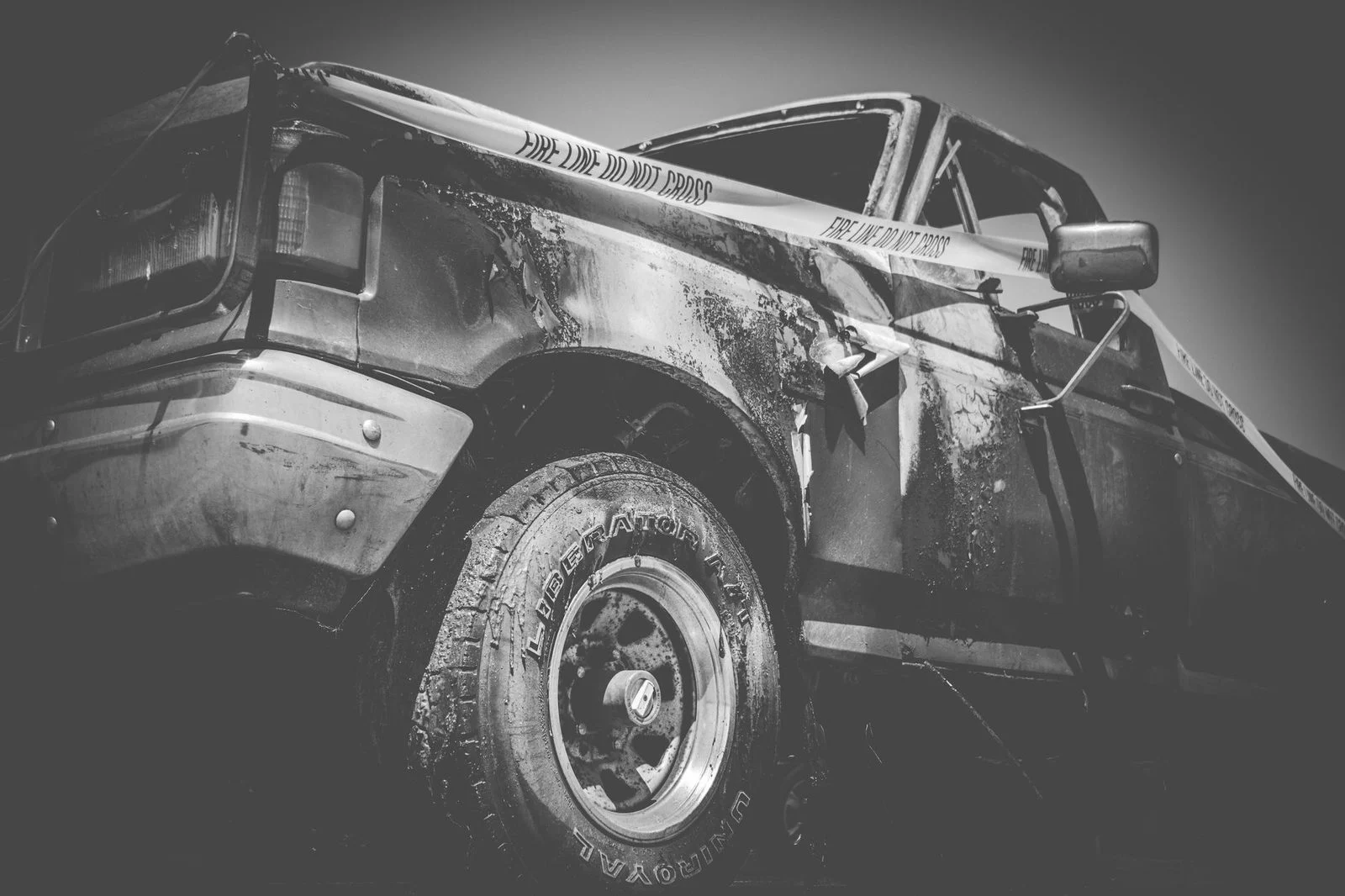
Medical records and dated photos form the foundation of most burn scar claims. Other proof fills in the picture.
- Medical records. Emergency notes, burn care notes, operative reports for grafts, and treatment plans that describe the scars.
- Dated photos and video. Images of the injury and healing, taken from the start forward.
- Medical witnesses. Testimony from treating doctors or plastic surgeons about permanence and visible effects. A life care planner may estimate future costs when needed.
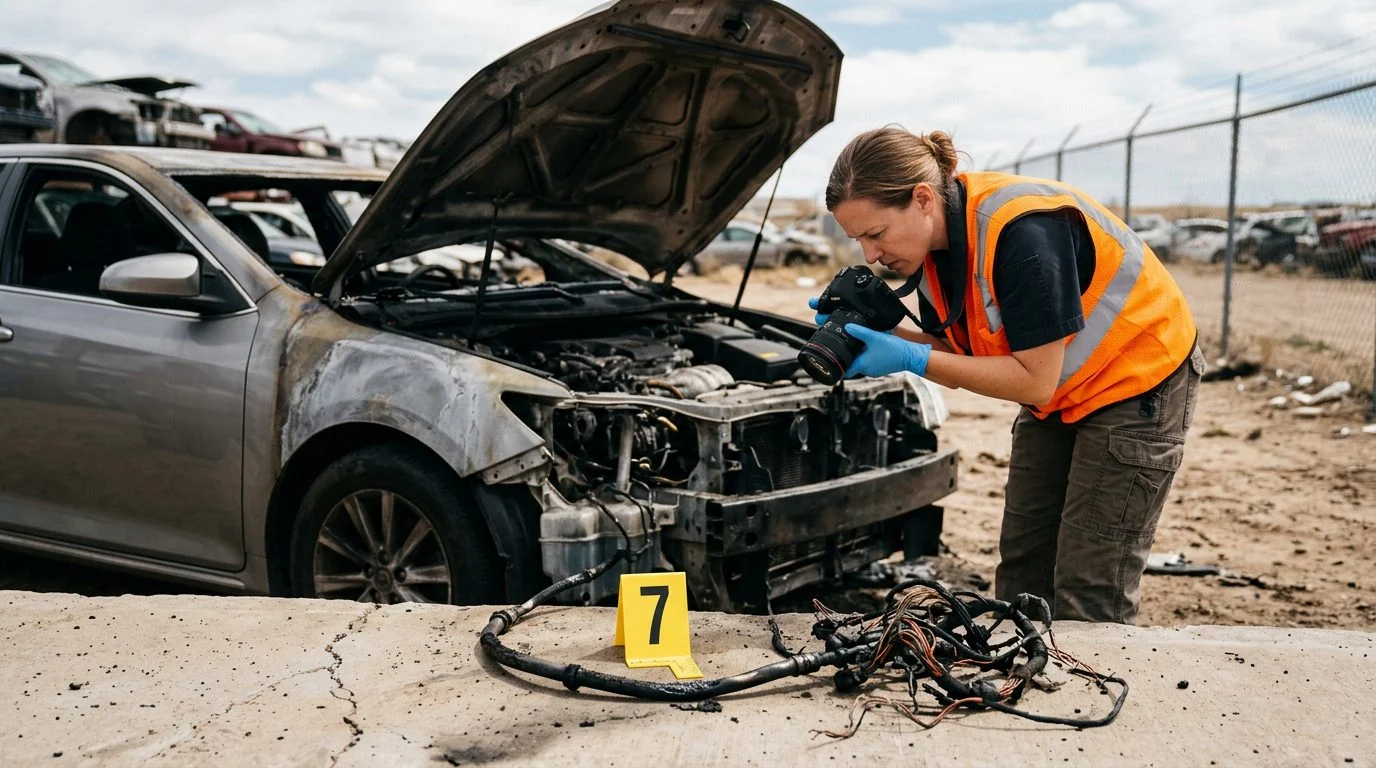
- Incident reports. Crash, fire, or incident reports, plus physical parts such as vehicle or premises components. Keep these items safe.
- Witness accounts and a journal. Write down pain, limits, and how the scars affect daily tasks.
- Proof of losses. Pay stubs, employer letters, and receipts for out-of-pocket costs.
How a Burn Scar Disfigurement Claim Typically Works
A burn scar claim usually moves through five steps. The steps can overlap.
- Consultation. You review what happened, your treatment, and your questions. The first consultation is a free, confidential consultation with no obligation to continue (“consulta inicial gratuita, confidencial y sin compromiso”).
- Records and evidence. The team gathers medical records, photos, reports, and witness details.
- Investigation. The firm identifies responsible parties, which may include insurers, employers, vehicle owners, or property owners.
- Damages work. The firm builds the damages picture with treating providers and, if needed, a life care plan.
- Negotiation or lawsuit. The firm negotiates with the responsible insurer or party. If a fair resolution is not reached, the claim may go to court. New Mexico’s Rule 11-408 generally keeps compromise offers out of evidence to prove or disprove a claim’s amount.
Under NMSA § 37-1-8, actions for an injury to the person or reputation of any person must be brought within three years. How long each step takes depends on the facts, including the medical course and the number of parties.
Costs work differently from fees. The firm may advance court costs and litigation expenses, and repayment may depend on the outcome. Your written fee agreement states which expenses you could owe even without a recovery.
Not sure what your next step is?
Talk it through with our team — the first consultation is free, confidential, and carries no obligation.
Why Work With El Gringo Law on a Burn Scar Claim
El Gringo Law handles burn injury matters within its personal injury practice in New Mexico. The firm serves people in Santa Fe, Rio Rancho, Las Cruces, Bernalillo County, Sandoval County, Taos, and Farmington.
Josh Wood is the responsible lawyer for this page. He is licensed in New Mexico and Arizona. Our team, including support staff, helps with records, scheduling, and questions between meetings.
Every case is different. Past results don’t predict a similar outcome for you. The firm reviews your specific facts before discussing what may apply to your situation.
Questions Before You Decide: Burn Scar Claims in New Mexico
Short answers to common questions follow. Each answer covers one point.
Can I still pursue a claim if I was partly at fault?
Yes. Under New Mexico’s comparative negligence jury instruction (UJI 13-2218 NMRA), when the plaintiff’s injury is caused by a combination of the defendant’s negligence and the plaintiff’s negligence, the jury first determines the total damages, then reduces those damages by the percentage of the plaintiff’s negligence to arrive at the amount awarded.
Filing deadlines in New Mexico
Do I need surgery for a disfigurement claim?
Not always. Medical records showing lasting scars, limits, and treatment recommendations matter most.
Does a photo alone prove disfigurement?
No. Photos help, but a claim relies on medical documentation of the lasting effects.
Can more than one party share responsibility for a burn?
Yes. In any cause of action to which comparative fault applies, each defendant is generally liable only for its share of fault, though New Mexico has exceptions (NMSA § 41-3A-1 several liability).
If burn scar disfigurement damages New Mexico claims could apply to your injury, don’t wait to find out. Contact El Gringo Law through the contact page, by phone, or by starting a chat. Our team will set up your free, confidential consultation with no obligation to continue.
How We Approach a Burn Scar Disfigurement Claim
Medical documentation
We review records of lasting scars, functional limits and treatment recommendations, because these details help show the long-term effects of a burn.
The whole picture
Disfigurement affects more than skin. We consider physical limits, emotional effects and how the injury changes your work and family life.
Long-term effects
Scars can change over time. We discuss your current condition and future treatment needs so your claim reflects where your recovery stands.
Confidential by design
Your conversation with us is confidential. Share your story at your own pace, and ask any question before deciding what to do next.
Support for your family
Burn injuries often affect the people around you. We keep your loved ones informed and answer their questions in plain language.
Damages That May Be Part of a Disfigurement Claim
Visible scarring
Permanent or long-lasting scars on the face, hands, arms, legs or torso, documented by medical providers and photographs taken over time.
Loss of function
Restricted movement, grip, or range of motion caused by skin grafts, scar tissue or nerve damage.
Emotional and psychological impact
Anxiety, embarrassment, or changes in self-image that affect how you live, work and connect with others.
Future treatment
Planned surgeries, reconstruction, therapy or other care recommended by your medical team to address lasting effects.
Keep Your Records Together
Save every medical bill, appointment summary, prescription and discharge instruction. Take dated photos of your scars as they heal, and write down how the injury affects your daily activities. Bring these to your consultation so we can review them with you.