Amputation Injury Claims | New Mexico
Lost a Leg in a Crash? Find Out Where You Stand.
El Gringo Law represents people with amputations and other catastrophic injuries across New Mexico. Your first consultation is free, confidential, and comes with no obligation to continue.
By Josh Wood · Published November 5, 2026
In many cases, yes. If another party’s negligence caused the injury that led to an amputation, you may have a personal injury claim in New Mexico. How the injury happened decides whether a claim exists, so the details matter most. This page explains the basics and the steps that follow.
Can You Sue If Your Leg Was Amputated in New Mexico?
A person may have a claim when another party’s negligence caused the amputation. Most of these claims rest on negligence. In New Mexico, a negligence claim generally requires a duty of care, a breach of that duty, and a breach that is a proximate cause and cause in fact of the damages (Herrera v. Quality Pontiac). Proximate cause means the act, in a natural and continuous sequence, produced the injury. It need not be the only cause.
Amputations happen in many ways. Crash forces, crush injuries from machinery or collapsing structures, falls on unsafe property, and assaults can all lead to one. Infections or complications after an earlier injury can also play a part. The cause shapes who may be responsible and which rules apply.
This page is written for the injured person. It also helps a family member when the amputation was part of a death.
If a crash, fall, or assault cost you or a family member a leg, you may have a claim worth reviewing, and our team can start that conversation with you. Talk it through with our team — the first consultation is free, confidential, and carries no obligation.
What a Leg Amputation Claim Can Include
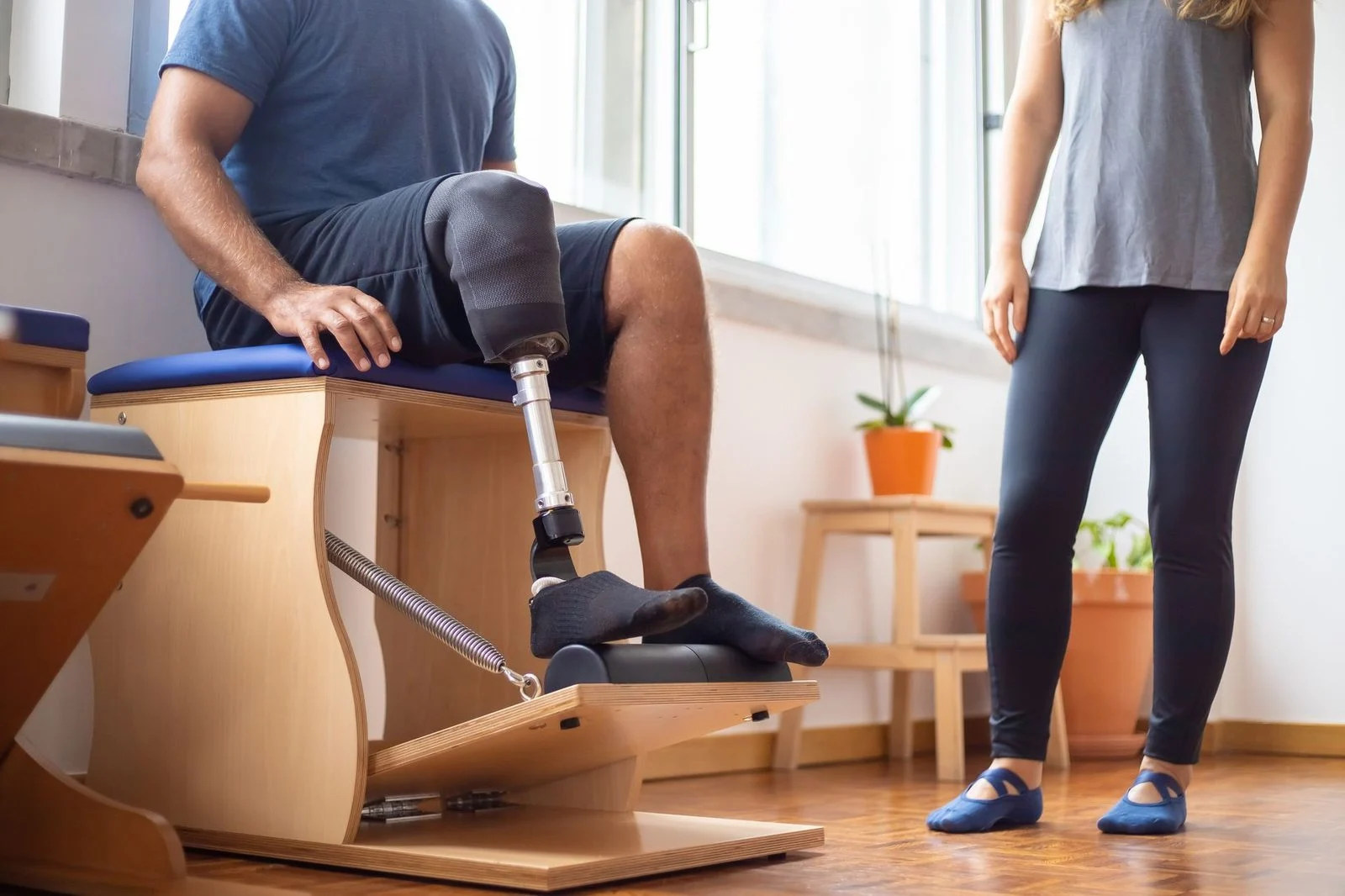
A claim can seek money for losses the injury caused now and in the future. Those losses may include medical care, surgery, hospital stays, rehabilitation, and future medical needs. Future care can cost money for years after the first surgery. Claims may also include prosthetic devices, mobility aids, and changes to your home. Lost income is possible when the injury keeps you from doing your old work. Pain, emotional distress, and loss of enjoyment of life can also be part of a claim.
New Mexico uses comparative negligence, which means shared fault. A jury totals the damages first. Then it reduces them by the injured person’s share of fault (UJI 13-2218 NMRA). Partial fault does not bar recovery (Scott v. Rizzo).
The value of each category turns on medical records, expert input, and the specific facts. No amount can be promised.
Who May Be Responsible for an Amputation Injury
The responsible party follows from how the injury happened. Several parties can share responsibility in one case.
- Car accidents: the at-fault driver. A vehicle owner who entrusted a vehicle to a driver may also be responsible, if the owner knew or should have known the driver was incompetent and that incompetence caused the injury (DeMatteo v. Simon).
- Trucking accidents: the driver, the carrier, and other companies tied to the truck’s operation or maintenance.
- Premises liability: a property owner or manager whose unsafe condition led to a fall, collapse, or machinery injury.
- Negligent security: a property owner who breaches the duty to use ordinary care to keep the premises safe for use by a visitor, resulting in injury to the visitor from the acts of a third person. New Mexico owners and occupants must use ordinary care to keep premises safe for visitors, including against foreseeable harm from third persons (UJI 13-1320 NMRA).
In causes of action to which several liability applies, any defendant who establishes that the fault of another is a proximate cause of a plaintiff’s injury is liable only for that portion of the total dollar amount awarded as damages to the plaintiff that is equal to the ratio of that defendant’s fault to the total fault attributed to all persons, including plaintiffs, defendants and persons not party to the action (New Mexico Statutes § 41-3A-1). Some listed situations, such as intentional harm, still allow joint liability. Catastrophic injury cases can involve more than one responsible party.
Deadlines, Evidence, and Why Timing Matters
Under New Mexico Statutes § 37-1-8, actions for an injury to the person or reputation of any person must be brought within three years. Other timing rules can apply in some situations, so the exact dates depend on the facts. For wrongful death, the three-year clock starts on the date of death (NMSA 1978, § 41-2-2).
Early steps protect your claim. Keep medical records, bills, and a log of your treatment. Save crash or incident reports, photos, and the names of witnesses. Keep damaged vehicles or equipment when you can. A common mistake is posting details about the crash or injury online before speaking with a lawyer.
Insurance adjusters may call soon after an injury. Talk with our team before you give a recorded statement.
How a New Mexico Amputation Case Typically Moves Forward
A typical case moves through five steps, from the first review to resolution. Timelines vary widely, and no settlement or verdict is promised.
- First consultation. You describe how the injury happened and your medical situation.
- Records and investigation. The team gathers medical records, crash or incident reports, and photos.
- Review of fault and damages. The team looks at who may be responsible and the long-term medical picture.
- Demand and negotiation. A demand goes to the responsible party or its insurer, followed by negotiation where appropriate.
- Lawsuit, if needed. If the claim does not resolve, a lawsuit may be filed. The case then moves through discovery and may end in settlement or trial.
At each step, you decide what to do next.
Why Clients Work With El Gringo Law, and How Fees Work
El Gringo Law represents people hurt in car accidents, trucking accidents, premises liability, negligent security, wrongful death, sexual assault, catastrophic injuries, spinal cord injuries, amputations, and burn injuries. Josh Wood is the responsible lawyer for this page, and he is licensed in New Mexico and Arizona. Our team explains each step in plain language and responds to your questions as the case moves.
The firm offers a free, confidential first consultation with no obligation to continue.
Every case is different, so nothing on this page predicts how yours will turn out.
Not sure what your next step is?
Talk it through with our team — the first consultation is free, confidential, and carries no obligation.
Frequently Asked Questions About Amputation Claims in New Mexico
Can I sue if I was partly at fault?
Yes. Under New Mexico’s comparative negligence rule, your share of fault reduces damages but does not bar recovery.
Do I have to go to court?
Not always. A claim can resolve through negotiation, and a lawsuit is filed when needed.
Can my family sue if the amputation led to death?
Yes. A wrongful death action must be brought by and in the name of the personal representative of the deceased person (NMSA 1978, § 41-2-3). It must be brought within three years, starting from the date of death (NMSA 1978, § 41-2-2 — three years from the date of death).
Will insurance cover my prosthetic?
Coverage questions turn on the specific policies and the claim. Our team reviews them with you during the consultation.
Do I need to know who was at fault before I call?
No. Describe what happened, and the review will look at the facts, including who may be responsible.
If a crash, fall, or assault in New Mexico cost you or someone you love a leg, tell us what happened through our contact form.
How we approach an amputation case
We listen first
Losing a limb changes daily life, work, and family routines. We start by hearing what happened and what your life looks like now.
We review the records
Medical reports, crash or incident reports, and bills help us understand the full picture of your injury and your losses.
We protect your claim
Our team handles communication with insurers and other parties so you can focus on recovery.
We stay in touch
You will know what is happening in your case and what comes next, in plain language.
Keep your records
Save medical records, discharge papers, prosthetic and rehabilitation bills, photos, and the names of any witnesses. Bring what you have to your consultation so we can review it with you.
Common questions about amputation claims
Who can bring a claim?
Injured people may have claims, and family members may be able to pursue claims in certain situations. Tell us what happened and we will explain what we see.
Does every case go to trial?
Many cases are resolved through negotiation. When a lawsuit is needed to protect your rights, we discuss that with you before anything is filed.
What if I was partly at fault?
Fault can be complicated. Share the facts with us, and we will look at how they apply to your situation.
What does the first call involve?
You describe what happened and ask your questions. The consultation is free, confidential, and carries no obligation to continue.