
Lifetime Care Costs: Catastrophic Injury New Mexico
By Josh Wood · Published October 29, 2026
A catastrophic injury can affect a person for decades, and so can its costs. Lifetime care costs are the projected future expenses a permanent, serious injury may bring, counted over the injured person’s remaining life. This page explains what those costs include, how they are projected, and what happens after you contact El Gringo Law in New Mexico.
What Lifetime Care Costs Mean in a Catastrophic Injury Claim
Lifetime care costs are the future expenses a person with a permanent injury is likely to face, not only the bills already paid. They look ahead over the person’s expected remaining years.
Many people picture the hospital bill first. For a spinal cord injury, an amputation, or severe burns, that first stay is often only the start. Care can continue for years, including therapy, equipment, and follow-up treatment. Families often feel this most when a loved one needs help with daily tasks for a long time.
Every case is different. The value of a claim depends on the injury, the medical records, the person’s age, and the evidence gathered. General information like this page cannot predict what any one claim is worth.

Which Costs Can Be Part of the Claim
A claim can include future medical care, rehabilitation, equipment, home changes, in-home help, and lost ability to earn. Each item needs support in the medical records to be included.
- Future medical care: surgeries, doctor visits, medicines, and tests tied to the injury.
- Rehabilitation: physical, occupational, and speech therapy, plus counseling related to the injury.
- Equipment: wheelchairs, prosthetic limbs and their replacement, braces, and communication devices.
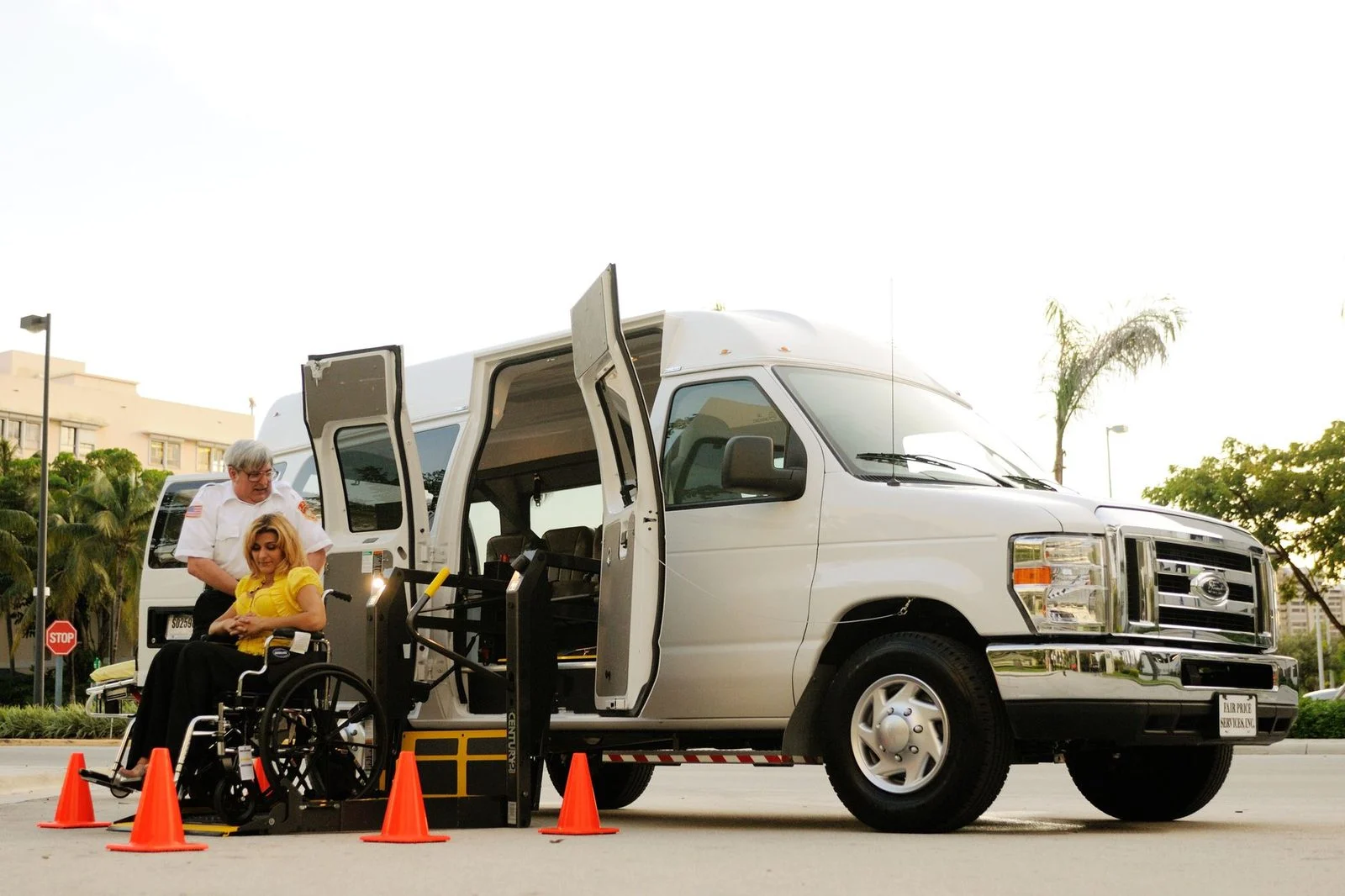
- Home and vehicle changes: ramps, bathroom changes, lifts, and adapted vehicle equipment.
- Attendant care: in-home help that a medical provider documents as needed.
- Lost earning capacity: a reduced ability to work in the future, not only wages already lost.
Some losses, like pain and loss of enjoyment of life, are harder to put a number on. The facts of each case decide which losses fit.
How Future Costs Are Projected
Future costs are projected from medical records, doctor opinions, and economic evidence that show what care is needed and how long it may last. No single document does this alone.
A life care plan is a written list of future needs with estimated costs. Attorneys often use one in catastrophic injury cases to organize the numbers. Economists or vocational analysts may estimate lost earning capacity. They may also convert future payments into present value, which means today’s dollars.
Projections depend on documented medical facts. Gathering records early helps keep the final estimate accurate and easier to explain.
Injuries Where Lifetime Care Is Often at Issue
Spinal cord injuries, amputations, and severe burns often involve long-term care, though other catastrophic injuries can too.
- Spinal cord injuries: paralysis or partial loss of function may need long-term nursing support, mobility equipment, and home changes.
- Amputations: prosthetic limbs, replacement over time, pain treatment, and therapy to relearn daily tasks.
- Burn injuries: repeated surgeries, skin grafts, scar treatment, and long-term rehabilitation.
- Other catastrophic injuries: serious brain or internal injuries, or multiple fractures that limit work and daily life.
How the injury happened also matters. Car accidents, trucking crashes, falls on unsafe property, negligent security incidents, and wrongful death cases each raise different questions about who may be responsible. New Mexico law describes causation this way: a proximate cause “in a natural and continuous sequence, produces the injury, and without which the injury would not have occurred,” and it “need not be the only cause” (Herrera v. Quality Pontiac).
What to Expect After You Reach Out
After you reach out, the first step is a free, confidential first consultation. From there, the team reviews records, investigates, and builds a cost projection.
- Free, confidential first consultation. You describe the injury, the crash or incident, and your current care needs.
- Records review. The team reviews medical records, bills, accident reports, photos, and witness details, and requests records you don’t have yet.
- Investigation. The team looks at who may be responsible and at evidence that can be lost if it isn’t preserved quickly.
- Cost projection. Future medical care, equipment, and lost earning capacity are estimated from the evidence.
- Negotiation or lawsuit. The team negotiates with insurers and, when needed, files a lawsuit. You receive updates at each stage.
Deadlines matter. NMSA § 37-1-8 addresses several kinds of actions, including actions against sureties on official and fiduciary bonds, and it also sets a three-year period for actions for an injury to the person or reputation of any person (NMSA § 37-1-8). A wrongful death action must be brought within three years after the cause of action accrues (NMSA 1978, § 41-2-2 — three years from the date of death). The cause of action accrues as of the date of death (NMSA § 41-2-2).
Your share of fault is a point to discuss at the consultation.
Fees, Costs, and Your Free Consultation
The first consultation is free, confidential, and carries no obligation to continue. In Spanish, it is a “consulta inicial gratuita, confidencial y sin compromiso.”
The firm may advance court costs and expenses of litigation. The rules allow that advancing, and repayment of those advances may be tied to the outcome of the matter (Rule 16-108 NMRA). You may be responsible for court costs and the expenses of litigation even if there is no recovery. Your written agreement with the firm states exactly how those costs are handled.
Why Work With El Gringo Law on a Catastrophic Injury Case
El Gringo Law handles car accidents, trucking accidents, premises liability, negligent security, wrongful death, sexual assault, catastrophic injuries, spinal cord injuries, amputations, and burn injuries. Josh Wood is the responsible lawyer for this page.
- Responsible lawyer: Josh Wood, licensed in New Mexico and Arizona, answers for the content of this page.
- Team support: our team includes assistants and office staff who help gather records and keep families informed.
- Outcomes: past results do not predict a similar outcome, and every case is different.
The free, confidential initial consultation, with no obligation to continue, is a way to learn whether the firm’s approach fits your situation. Bring your questions and your records.
The consultation is a good way to see whether the firm’s approach fits your situation. Bring your questions and your records.
Frequently Asked Questions About Lifetime Care Costs
Most questions about lifetime care costs come down to records, timing, and the facts of the injury.
Do I need my full future costs before I call?
No. The consultation starts with your records and current needs.
Can a claim include costs I will pay in the future?
Yes. A claim can include projected future costs that medical and economic evidence supports.
How long do I have to file?
Under the wrongful death statute, the three-year period runs from the date of death (NMSA § 41-2-2).
Is the consultation confidential?
Yes. The free first consultation is confidential and carries no obligation to continue.
Can a family member contact the firm for me?
Yes. Family members often help gather records, bills, and dates.
Does every claim go to trial?
No. Some claims resolve through negotiation, and some require a lawsuit.
Talk With Our Team About Your Family’s Long-Term Care Needs
If a crash or other injury has left you or a family member needing years of care, you don’t have to work out those costs alone. Our team can review your situation with you, starting with a free, confidential first consultation with Josh Wood.
Visit elgringolaw.com/contact to send a message, or start a chat. You can also ask for a call. Josh Wood is the responsible lawyer, licensed in New Mexico and Arizona, at El Gringo Law.
If a crash or other injury has left you or a family member needing years of care, you don’t have to work out those costs alone. Our team can review your situation in a free, confidential first consultation with Josh Wood, the responsible lawyer at El Gringo Law. Use the contact form to reach us, or start a chat.