Catastrophic Injuries | Sandoval County
Catastrophic injuries change everything. You don't have to face the legal side alone.
El Gringo Law represents people hurt in serious accidents across Sandoval County and Rio Rancho. Our team focuses on the cases where the injury affects work, independence, and daily life for years to come.
By Josh Wood · Published October 24, 2026
Catastrophic injuries in Sandoval County usually mean a severe injury that causes lasting harm, such as paralysis, brain injury, limb loss, or serious burns. Crashes on Interstate 25 or US 550, truck collisions, and incidents on someone else’s property can all cause these injuries. If you’re caring for someone now, you may be dealing with hospital care, bills, insurance calls, and hard choices at the same time. This page explains what the term means, which injuries it covers, who may be responsible, and which New Mexico deadlines can shape your next step.
What Makes an Injury Catastrophic?
An injury is generally called catastrophic when it causes lasting impairment, disability, or the loss of a body part or function. The label looks at long-term effects, not only the first emergency response. Those effects often become clear only after weeks or months of treatment.
People hear the term used in different ways. On this page, it describes how an injury changes a person’s life over time. A broken bone that heals fully is serious, but it usually isn’t called catastrophic. An injury that limits walking, working, or living independently for years often is.
The same injury can hit different people very differently. A construction worker may lose the ability to do physical work. A parent may struggle to drive children to school. A retiree may need help with everyday tasks at home. Each of those changes matters when a claim is reviewed, because the lasting impact is what shapes the harm a family lives with.
If a crash has left someone you love with a severe, lasting injury, you don't have to decide what comes next alone, and our team is ready to talk with you. Talk it through with our team — the first consultation is free, confidential, and carries no obligation.
Common Types of Catastrophic Injuries
The most common types include brain injuries, spinal cord injuries, limb loss, severe burns, and permanent scarring or disfigurement. Each one can change work, family life, and daily routines for years.
Brain injuries. A traumatic brain injury can affect memory, speech, mood, focus, and the ability to work. Some changes are easy to see. Others, like irritability or trouble concentrating, can be harder for family members to notice at first.
Spinal cord injuries. The spinal cord has three layers of protective tissue, and cerebrospinal fluid surrounds it to act as a cushion against shock, according to the NINDS spinal cord injury page. An injury high in the neck can affect breathing, because the nerves there control the diaphragm. Lower injuries can affect movement and feeling in the legs. NINDS also explains the difference between complete and incomplete injuries.
Limb loss. Losing an arm, leg, hand, or foot can affect balance, work, and daily tasks. Prosthetic fitting and long rehabilitation are often part of the path forward.
Severe burns. Serious burns can lead to scarring, skin grafts, and repeated surgeries over time. Scars can also limit movement and change how a person feels about their body.
Lost function or disfigurement. Permanent impairment of a bodily function, or lasting disfigurement, can be part of a catastrophic injury claim even after the first emergency has passed.
How Serious Crashes Happen Around Sandoval County
Serious crashes in Sandoval County often involve speed, merging traffic, or long rural stretches with curves.
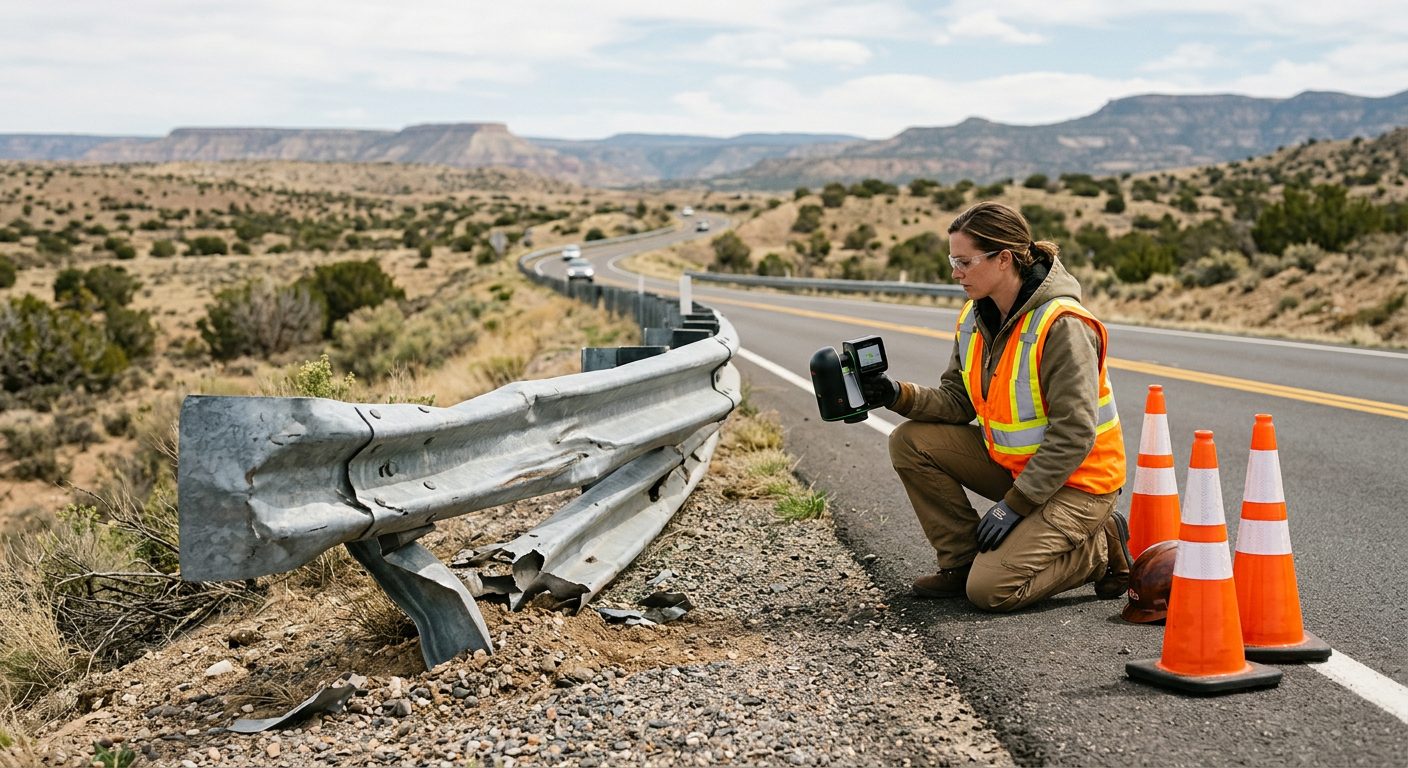
On I-25 through Bernalillo and Rio Rancho, traffic moves fast and drivers merge often. A single lane change or hard braking can turn into a high-speed collision. On US 550 north toward Cuba, long stretches and curves leave less time to react when a car drifts or a driver misjudges a bend.
Common causes of severe crashes include impaired or distracted driving, speeding, and fatigue. When a commercial truck is involved, federal rules add more questions. A driver of a property-carrying commercial motor vehicle generally may not drive without first taking 10 consecutive hours off duty (49 CFR § 395.3). Under 49 CFR § 395.1, a 150 air-mile radius driver is exempt from the requirements of §§ 395.8 and 395.11 if the conditions in that section are met. Federal rules also bar operating a commercial vehicle while fatigue or illness makes it unsafe (49 CFR § 392.3). After certain truck crashes, employers must test surviving drivers for alcohol, and a late test must come with a written record of why (49 CFR § 382.303).
Who May Be Responsible When Injuries Are Severe
Responsibility can reach more than one person or company, and the facts of each crash decide who.
Other drivers and their insurers may be responsible when careless driving caused the crash. Trucking companies and drivers may be responsible when fatigue, hours-of-service violations, or poor maintenance contributed. Property owners or managers may be responsible when an unsafe condition causes a serious fall, collapse, or burn. Negligent security claims may arise when a property’s lack of reasonable safety measures contributed to an assault or attack.
Where the doctrine of comparative fault applies, New Mexico abolishes joint and several liability and makes each defendant’s liability several, except as the statute provides. Among those exceptions, joint and several liability still applies to anyone who acted with the intention of inflicting injury or damage, and to persons whose relationship would make one vicariously liable for the acts of the other, but only to the portion of the total liability attributed to those persons (N.M. Stat. § 41-3A-1). That means several people can each owe a different share of the same harm. Trucking claims can also turn on company records, such as driver logs and maintenance files.
Deadlines and Early Evidence That Matter
Under New Mexico law, actions against sureties on official bonds and on bonds of guardians, conservators, personal representatives and persons acting in a fiduciary capacity must be brought within two years after the liability of the principal or the person for whom they are sureties is finally established or determined by a judgment or decree of the court, and actions for an injury to the person or reputation of any person must be brought within three years (N.M. Stat. § 37-1-8). A wrongful death claim has its own rule: it must be brought within three years after the cause of action accrues, and the cause of action accrues as of the date of death (NMSA 1978, § 41-2-2).
Claims against a government entity move faster. No suit against the state or a local public body can be maintained without that notice unless the governmental entity had actual notice of the occurrence (N.M. Stat. § 41-4-16). For a wrongful death claim against a government entity, that notice may be presented by, or on behalf of, the personal representative of the deceased person or any person claiming benefits of the proceeds of a wrongful death action, or the consular officer of a foreign country of which the deceased was a citizen, within six months after the date of the occurrence of the injury which resulted in the death (N.M. Stat. § 41-4-16). Because these windows can be short, it helps to learn early which rules apply.
Early evidence often makes the biggest difference. Keep medical records and bills, photos of the scene and vehicles before repairs, and witness names and phone numbers. The driver of a vehicle involved in an accident resulting in bodily injury to or death of any person, or total property damage to an apparent extent of five hundred dollars ($500) or more, must forward a written report of the accident to the department of transportation within five days after the accident (N.M. Stat. § 66-7-207). Also keep a written log of symptoms, appointments, lost work, and daily limits.
Long-Term Costs of a Catastrophic Injury
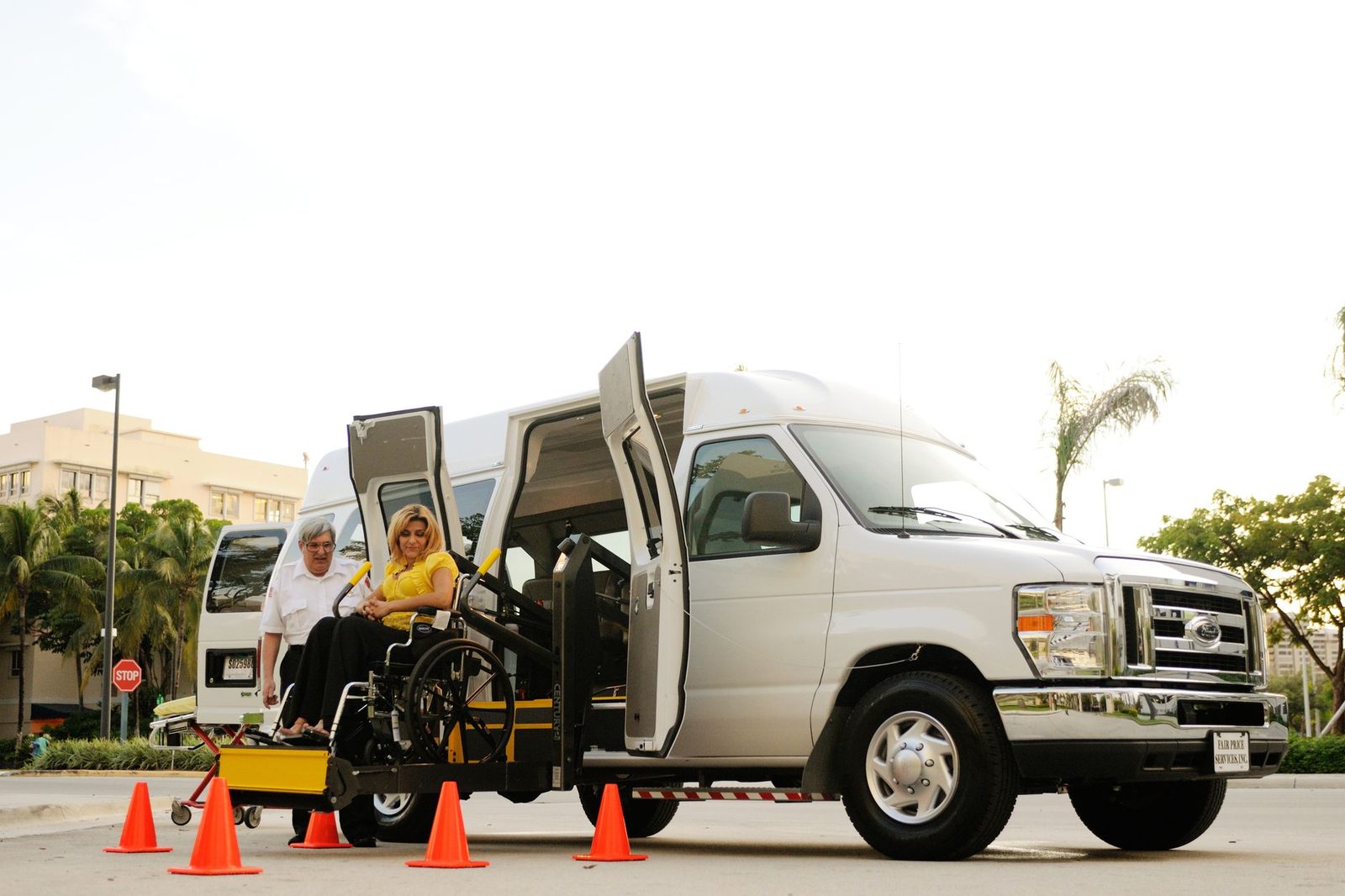
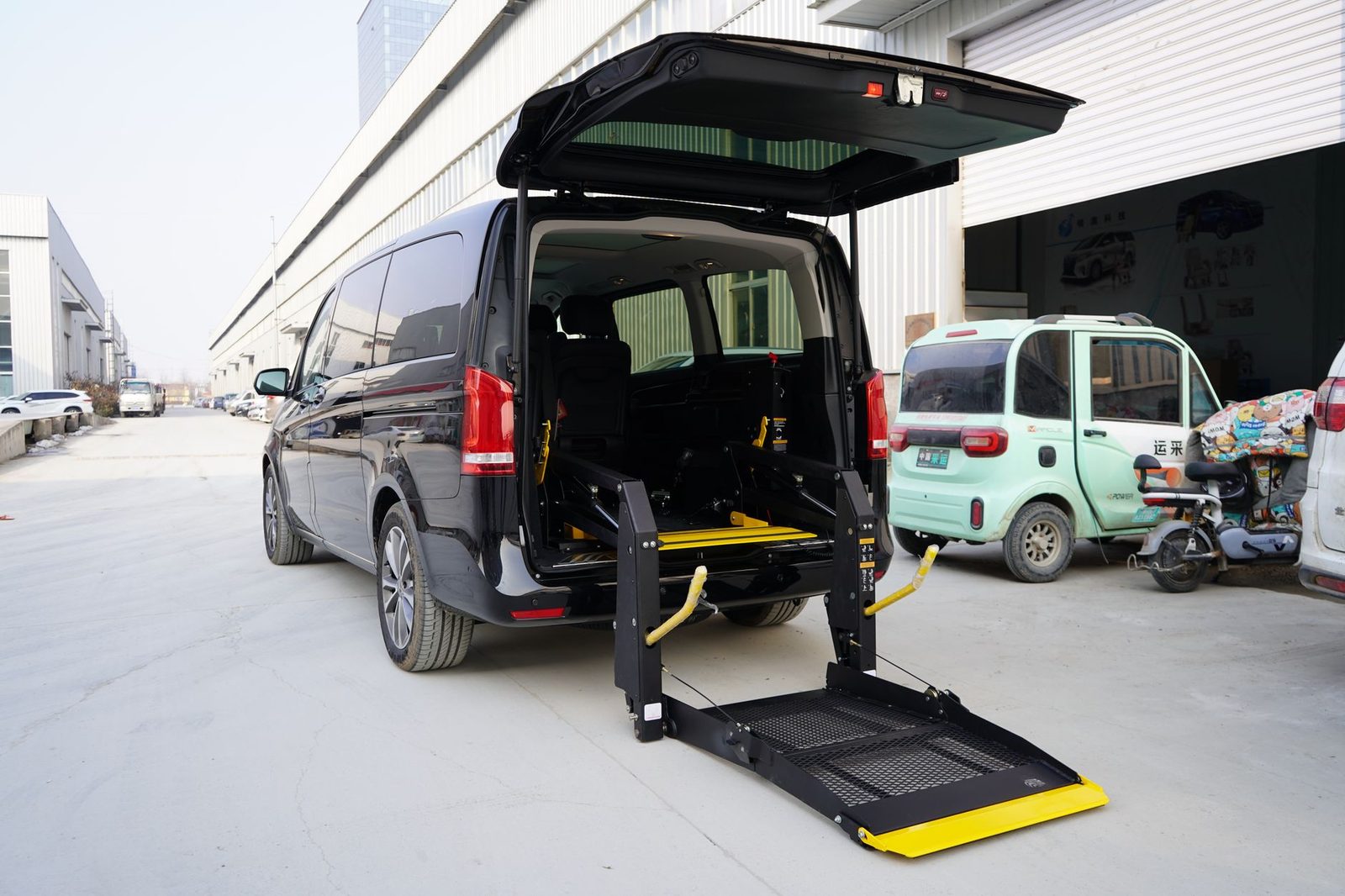
The costs of a catastrophic injury often continue long after the hospital stay ends. Ongoing care can include therapy, medication, follow-up visits, and future surgeries. Many families also face home changes, such as ramps, widened doorways, or modified vehicles, plus assistive equipment and in-home help.
Lost income is another major piece. A person may be unable to return to the same job, or to work at all, and that loss can continue for years. Family members often cut back their own work to provide care. That caregiving time is part of the daily picture a household absorbs.
Every case is different, and these costs are one part of how a claim is evaluated, along with the injury’s lasting effects.
Not sure what your next step is?
Talk it through with our team — the first consultation is free, confidential, and carries no obligation.
Common Questions About Catastrophic Injury Claims
Can a brain injury be catastrophic?
Yes, a brain injury can be catastrophic when its lasting effects limit work, independence, or daily life. The long-term picture matters more than the label alone.
Does New Mexico reduce compensation if the injured person was partly at fault?
New Mexico follows pure comparative negligence, so an injured person is not totally barred from recovery because of their own partial fault (Scott v. Rizzo). Juries assign a percentage of negligence to each person involved, and each defendant’s award is its percentage of the total damages (UJI 13-2219 NMRA).
What about settlement amounts?
Every case is different, and past results do not predict a similar outcome. The facts of the crash, the injury, and the responsible parties shape each claim.
Who can help with a claim?
Josh Wood, licensed in New Mexico and Arizona, is the responsible lawyer for this page. Contact details appear in the final section.
Talk With El Gringo Law About Your Sandoval County Injury
If a crash or incident has left someone you love with a severe, lasting injury, you don’t have to decide what comes next alone. Our team can review what happened and talk through your options with you. The initial consultation is free, confidential, and comes with no obligation to continue.
Josh Wood is the responsible lawyer for this page. Reach out through the contact form, start a chat on elgringolaw.com, or visit elgringolaw.com to get started.
How we approach your case
We start with your recovery
Serious injuries call for careful attention to medical needs, daily limitations, and what the future may look like.
We organize the facts
We help gather medical records, bills, accident reports, and other evidence so the full impact of your injury is documented.
We keep you informed
You will know where your case stands and have a clear point of contact for your questions.
Your first call is free
Your free first consultation is confidential and comes with no obligation to continue.
Helpful tip
Keep every medical record, prescription receipt, and bill related to your injury, and write down how the injury affects your daily activities. This information can help us understand the full picture of your case.
Catastrophic injuries we handle
Spinal cord injuries
Injuries to the spinal cord can affect movement, sensation, and bodily function, often for life.
Traumatic brain injuries
Brain injuries can change memory, judgment, and the ability to work or live independently.
Amputations
The loss of a limb affects mobility, employment, and the long-term cost of care and daily living.
Severe burn injuries
Serious burns can require extended treatment, surgeries, and ongoing rehabilitation.
Talk with Josh Wood about your catastrophic injury case. Your free first consultation is confidential and comes with no obligation to continue.
Related practice areas
- Catastrophic Injuries in New Mexico: Costs, Claims, and Your Next Steps | El Gringo Law