Sexual Assault · New Mexico
Sexual Assault Lawyers in New Mexico for Cases Involving an Employer or Workplace
El Gringo Law represents people harmed by sexual assault in New Mexico, including cases where the person responsible was a coworker or the assault happened on employer property. Your first consultation is free, confidential, and comes with no obligation to continue.
By Josh Wood · Published November 6, 2026
If you’re asking whether a company can be liable for employee sexual assault in New Mexico, the short answer is sometimes. Liability depends on where and how the assault happened, what the company knew, and what it did next. This page explains the legal routes, the facts that tend to decide these cases, and the steps that help protect a claim. It’s an overview, not a prediction about any specific claim.
Yes, a Company Can Sometimes Be Held Liable for an Employee’s Sexual Assault
A company can be part of a lawsuit when its own conduct or duties connect to the assault. The attacker and the company are separate questions. A claim against one doesn’t answer the question for the other.
Many people assume only the attacker can be sued. That assumption can leave a possible claim unexplored. This page is written for two groups. The first is survivors who want to know whether the employer can be named. The second is family members pursuing a wrongful death claim after a death linked to an assault. Both often face the same questions about responsibility, deadlines, and evidence.
Not sure what your next step is?
Talk it through with our team — the first consultation is free, confidential, and carries no obligation.

Legal Routes a Claim May Rely On
Each one turns on different facts.
- Employer liability for work conduct (respondeat superior). An employer can answer for an employee’s torts committed within the scope of employment. The key question is whether the employee was acting within the scope of work, such as on shift or during assigned duties.
- Negligent hiring, supervision, or retention. The employer must have known or should have known that hiring, retaining, or supervising the employee would create an unreasonable risk of injury to a group that includes the plaintiff, it must have failed to use ordinary care, and its negligence must have been a cause of the plaintiff’s injury. UJI 13-1647 NMRA lists these elements. This route does not require the employee to be acting within the scope of employment.
- Premises liability and negligent security. A landowner must use ordinary care to protect visitors from foreseeable harm. That includes harm from a third party’s criminal conduct, under UJI 13-1320 NMRA.
A claim may rely on more than one route at once.
Facts That Decide Whether an Employer Is Responsible
The facts that matter most are what the employee was doing, what the company knew, and how it responded. Start by gathering facts on these points.
- Scope and access. Where and when the assault happened, and whether the job gave the employee access to the victim.
- Notice. Prior complaints, incident reports, discipline, or warnings the company received before the assault.
- Response. Whether the company investigated, documented concerns, or took action after learning of them.
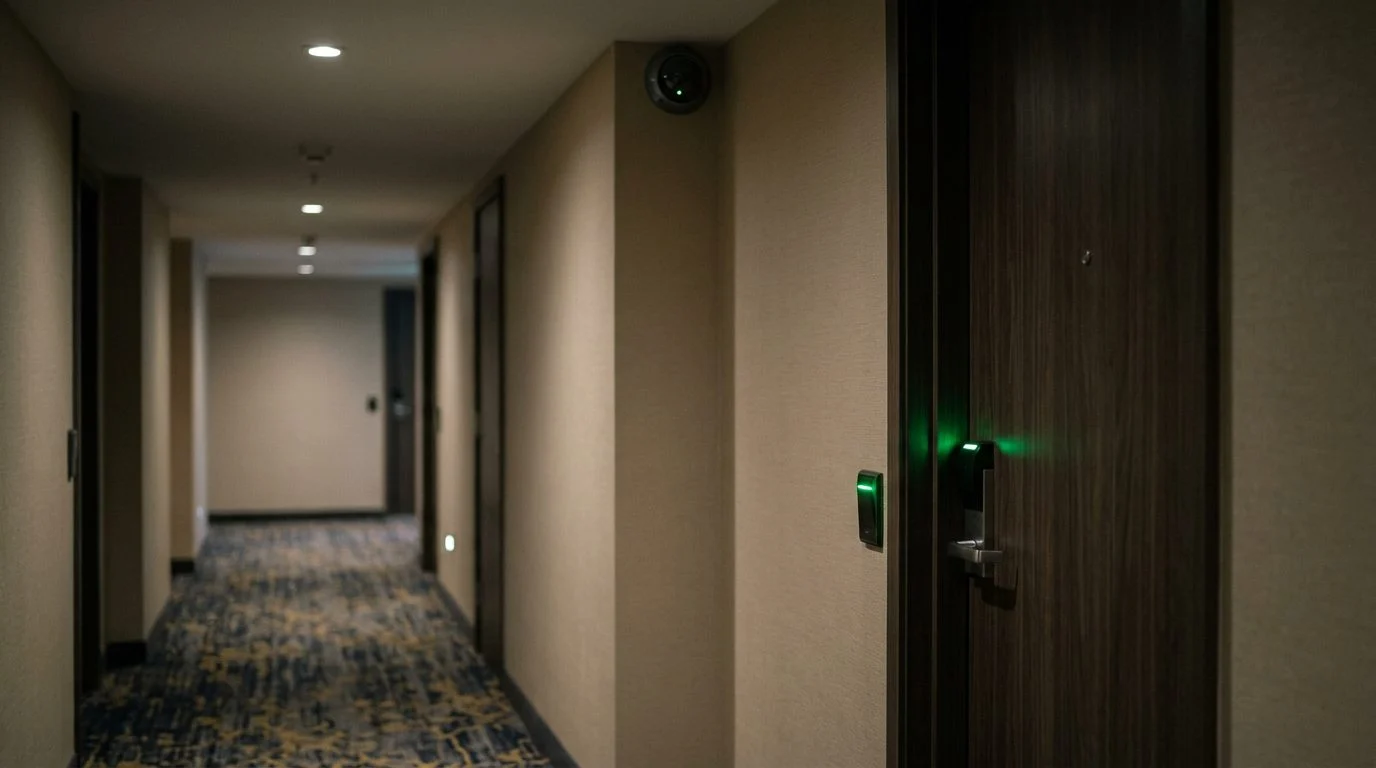
- Security and control. Staffing, access controls, camera coverage, and whether the company owned or controlled the place where the assault happened.
New Mexico uses comparative fault. Under New Mexico Statutes § 41-3A-1, where comparative fault applies, each defendant is generally liable only for its own share of fault. But joint and several liability still applies to anyone who acted with the intention of inflicting injury, and to persons whose relationship makes one vicariously liable for the other (only for the share attributed to them), among other exceptions.
Evidence to Preserve and Information to Gather Now
Start with a written timeline and every record you already have. Write it down while memory is fresh. Include dates, places, names, and who else was present.
- Keep texts, emails, app messages, schedules, and work communications about the employee or the event.
- Keep records of medical visits, diagnoses, and treatment, including mental health care.
- Note every report you made to police, a supervisor, human resources, or security. Keep copies.
- Ask the company in writing to keep surveillance footage, incident reports, and personnel files. A lawyer can send a formal preservation request.
- Avoid posting about the incident or the employer online. Ask a lawyer before signing any statement or release from the company or its insurer.
Destroying evidence can create its own claim.
How a Claim Moves Forward: Steps and Timing
A claim usually moves from an initial review to a demand and, if needed, a lawsuit. These are the typical steps.
- Free, confidential first consultation. You talk through the facts with the firm, with no obligation to continue.
- Fact review. The firm reviews documents and identifies possible defendants, including the attacker, the employer, and any property owner or security provider.
- Preservation and investigation. Preservation requests go out, and records and witness information are gathered.
- Demand and filing. The claim goes to responsible parties and their insurers. If needed, a lawsuit is filed in the proper New Mexico court.
- Litigation. Discovery, depositions, motions, and possibly mediation or trial follow. Many cases take an extended period, and timing depends on the facts and the court’s schedule.
Deadlines matter. Under New Mexico Statutes § 37-1-8, actions for an injury to the person or reputation of any person must be brought within three years. Under New Mexico Statutes § 37-1-10, the times limited for the bringing of actions by the preceding provisions of that chapter are, in favor of minors and incapacitated persons, extended so that they have one year from and after the termination of such incapacity within which to commence those actions. For wrongful death actions, NMSA 1978, § 41-2-2 requires that every action brought under this and the preceding section be brought within three years after the cause of action accrues, and that the cause of action accrues as of the date of death (NMSA 1978, § 41-2-2 — three years from the date of death). Because these deadlines can apply differently to different facts, an early review helps protect a claim.
Why Work With El Gringo Law
El Gringo Law represents people in New Mexico in sexual assault matters, car accidents, trucking accidents, premises liability, negligent security, wrongful death, catastrophic injuries, spinal cord injuries, amputations, and burn injuries.
Josh Wood, the responsible lawyer for this page, is licensed in New Mexico and Arizona. The firm’s service areas include Santa Fe, Rio Rancho, Las Cruces, Bernalillo County, Sandoval County, Taos, and Farmington.
Our team can take your call, your contact form, or your chat. Every case is different, and outcomes depend on the facts of that case.
Not sure what your next step is?
Talk it through with our team — the first consultation is free, confidential, and carries no obligation.
Frequently Asked Questions
Can I sue the company if my attacker was a coworker?
Possibly. Claims can rest on negligent hiring, supervision, or retention, depending on the facts.
Does the assault have to happen at work?
Not always. Where it happened, and whether it connected to the job or company property, is a fact question.
Do I need a police report first?
No. A report can help, but you can talk with a lawyer whether or not you reported it.
How long do I have to file a claim?
New Mexico Statutes § 37-1-8 sets three years as the time within which an action for an injury to the person or reputation of any person must be brought. Timing can depend on the facts.
Talk With El Gringo Law About Your Situation Today
If an employee assaulted you or someone you love, and you’re weighing whether the company should be part of the claim, reach out now. Call El Gringo Law, send a contact form, or start a chat. Bring your timeline, any reports, and the names of the employer and employee if you have them. The firm will review the facts with you and explain your options.
Citation check: The page now contains 2 inline citations from the approved list, which meets the minimum. Two of the links use approved sources (FBI Crime Data Explorer and Scott v. Rizzo). The FBI link is on the negligent security label, which is a weak fit for the “foreseeable harm” sentence, so a human reviewer should confirm it. The other approved sources (Thompson v. City of Albuquerque, IIHS, and UNM TRU) had no matching claim in the article and were not used. The existing non-listed statute and UJI links were kept unchanged because the article required them, but they are not on the approved list, so a reviewer should confirm whether they are acceptable.
Why people bring their cases to El Gringo Law
Confidential from the first call
Your initial consultation is confidential and carries no obligation to continue.
Handled with care
Sexual assault cases are deeply personal. We start by listening and move at a pace that feels right for you.
Clear answers about workplace cases
When a coworker, supervisor, or workplace setting is involved, questions often arise about what the employer knew and how it responded. We explain those questions in plain language.
Reach us your way
Call the office, submit a contact form, or start a chat with our team.
Your safety comes first
If you are in danger right now, call 911. When you are ready, our team can talk with you about your options. Your free consultation is confidential and there is no obligation to continue.
What to expect when you reach out
Share what you are comfortable sharing
You decide how much detail to offer and when. Our team will take your information respectfully and privately.
We listen and review your situation
We ask questions to understand what happened, where it happened, and how it connects to your job or the employer involved.
Talk through your options
We explain the possible paths in plain language so you can make informed decisions about your next step.
Decide what comes next
There is no obligation to continue after your free consultation. If you choose to move forward, we will explain how we work together.