Sexual Assault Claims | New Mexico
Civil Claims for Sexual Assault Survivors in New Mexico
Get clear answers about your options, at your own pace. Your first consultation is free, confidential, and carries no obligation to continue.
By Josh Wood · Published November 4, 2026
Sexual Assault in Las Cruces: Civil Claims and Deadlines
If an assault in Las Cruces left you hurt and unsure who may be responsible, our team can talk through your options and your deadline with you. Talk it through with our team — the first consultation is free, confidential, and carries no obligation.

Sexual Assault: What a Civil Claim Can Address
It is a lawsuit, and it is separate from any police report or criminal case.
If you’re reading this and have questions about a sexual assault, you may be dealing with several things at once. You may have physical injuries, counseling needs, or time off work. Your family may be worried about you too. You may also want to understand your rights before you decide what to do next.
This page covers civil claims for personal injury. It explains how a civil case differs from a criminal one, how New Mexico deadlines work, and which parties may be responsible.
The civil side asks a simple question. Did someone fail to use reasonable care, and did that failure lead to harm? For sexual assault, the person who committed the assault may be a defendant. In some cases, a property owner or business may share responsibility too. The place, the owner, and what was known about risks there all matter.
Your situation is personal. It’s okay to take things one step at a time. Learning your options early can help you make decisions that feel right for you.
Criminal Charges and a Separate Civil Claim
These are two different cases with two different goals.
Each case follows its own procedures and its own timeline. How one ends does not decide how the other ends.
A police report, medical records, and any arrest records can still be useful evidence in a civil case. Keep copies of what you receive. You don’t need every document before you talk with a lawyer.
Las Cruces news sometimes reports arrests and sentences in sexual assault matters. Those reports show how criminal cases reach the public. They don’t show what a civil claim will look like or how it will end.
What Is a Sexual Assault Civil Claim in New Mexico?
A civil claim is a lawsuit asking a court to make the responsible party pay for harm. The injured person is called the plaintiff. The party being sued is called the defendant.
In a sexual assault case, the harm may include medical bills, counseling costs, lost wages, physical pain, and emotional distress.
Proximate cause is a plain idea. The harm must follow in a natural, connected sequence from the act or failure to act. The cause doesn’t have to be the only cause, or the last one (Herrera v. Quality Pontiac).
A claim may name more than one party. The person who committed the assault is one possible defendant. A property owner or business that failed to use ordinary care to keep the premises safe for use by a visitor, resulting in injury to the visitor from the acts of a third person, may be another defendant. The next sections explain that idea in more detail.
Each claim is built on its own facts. A review looks at what happened, where it happened, what the defendant knew or should have known, and what harm followed.
Time Limits for Filing a Sexual Assault Claim in New Mexico
Section 37-1-8 of New Mexico’s statutes provides that actions for an injury to the person or reputation of any person must be brought within three years.
Filing is what starts the case. Section 37-1-13 of New Mexico’s statutes provides that an action is deemed commenced when the petition, declaration, bill or affidavit is filed in the proper clerk’s office. That filing must be one upon which process is authorized by law to be issued, made with intent that process issue immediately, and that intent is presumed unless the contrary appears.
Minors and incapacitated persons get more time. Section 37-1-10 of New Mexico’s statutes extends, in favor of minors and incapacitated persons, the times limited for bringing actions by the preceding provisions of that chapter, so that they have one year from and after the termination of the incapacity within which to commence those actions. For a minor, that date can be very different from the date of the assault.
Claims against a government entity or public employee follow separate rules. Those rules often include shorter deadlines and notice steps. If a public agency or employee is involved, the timing needs a close look right away.
Acting early also helps in practical ways. Records, photos, and witness memories fade over time. Starting early gives a lawyer more to work with.
Don’t rely on the three-year rule alone. The exact deadline turns on your facts, so have it reviewed against your timeline rather than guessing.
Where Sexual Assault Happens in Las Cruces and Who May Be Responsible
A property owner may share responsibility when a foreseeable risk that a third person will injure a visitor existed on its property and it did not use ordinary care to guard against it.
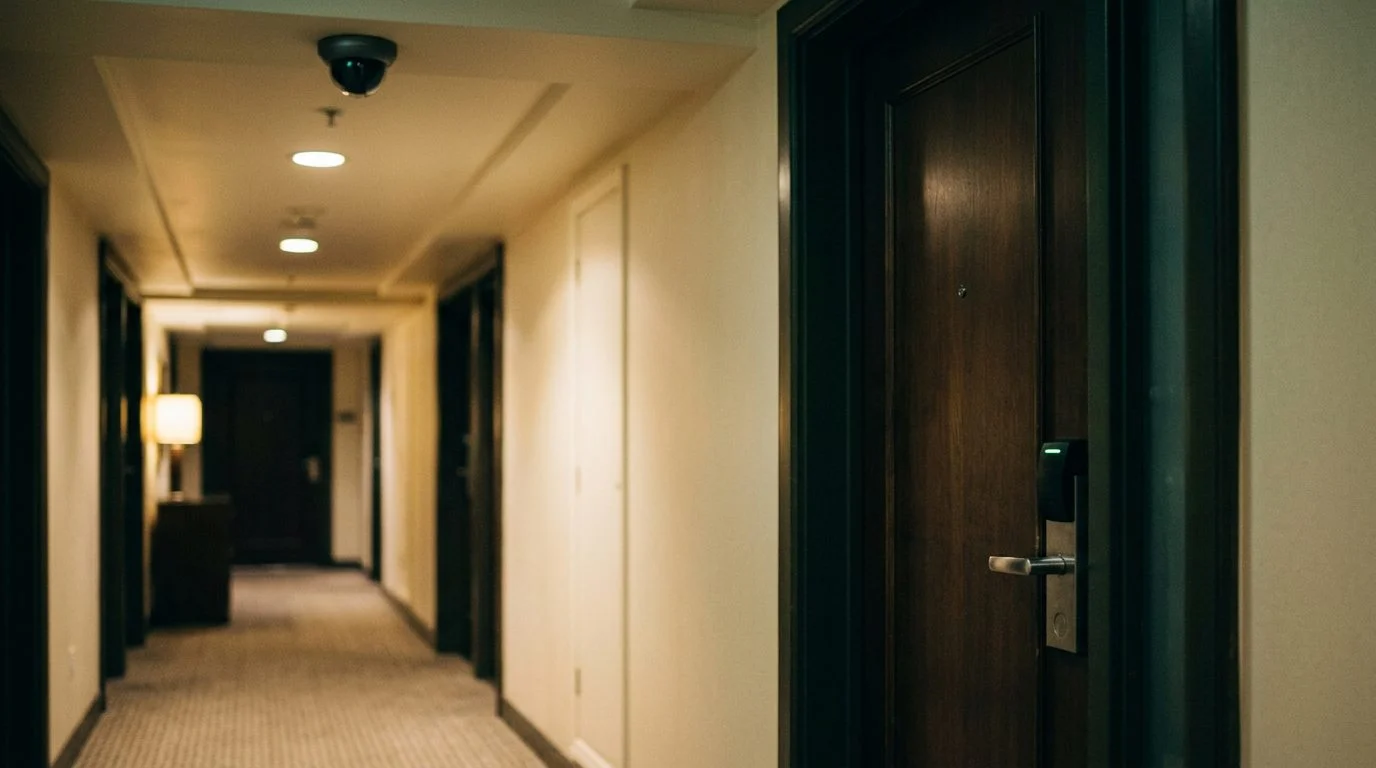
Hotels, bars, workplaces, and transit areas are other settings people often ask about.
New Mexico’s pattern jury instructions describe the duty. Under UJI 13-1309 NMRA, an owner or occupant must use ordinary care to keep the premises safe for visitors.
Under UJI 13-1320 NMRA, a landowner must use ordinary care to keep the premises safe for visitors against injury from the acts of a third person, where that third person’s harm was foreseeable. That includes criminal conduct.
Premises liability is a claim about unsafe conditions on property. Negligent security is a claim that an owner failed to take reasonable steps against foreseeable crime. Both look at lighting, locks, security staffing, and prior complaints.
Under NMSA § 41-3A-1, where comparative fault applies, joint and several liability is abolished except in the situations the statute lists, and a defendant’s liability is several, limited to its ratio of the total fault attributed to all persons. The statute keeps joint and several liability for people who acted with intent to injure. That can make each such wrongdoer answerable for the full amount.
Not sure what your next step is?
Talk it through with our team — the first consultation is free, confidential, and carries no obligation.
Preserving Evidence and Records After an Assault
Medical care comes first. Records you keep now can help a claim later. If you are in danger right now, call 911.
Seek medical attention for injuries. Follow up with providers for emotional and mental health needs too. Those visits create records that matter later.
Keep practical records. These include medical records and bills, a copy of any police report, photos of injuries or the scene, texts, emails, and names of witnesses.
Write a private timeline while memories are fresh. Note the date, time, place, and what happened. Also note who you told and when.
Keep details offline for now. Public posts can be read by others, including the other side. Talk with your lawyer before sharing anything publicly.
The National Sexual Violence Resource Center publishes research on sexual assault and its effects on survivors. That research helps explain why health care and support matter.
Once a firm is engaged, it can request records and take steps to preserve evidence.
How a Sexual Assault Civil Case Moves Forward
A civil case usually moves in stages. The stages include a first consultation, gathering records, investigating the setting, and sending a demand to the responsible parties.
If the matter doesn’t settle, the case is filed with the court. Then comes discovery, the stage where each side exchanges information. After that, the case may move toward settlement talks or trial.
Timelines vary. Many cases resolve without trial, but no one can know at the start how a particular case will end. Every case is different, and past results may not lead to a similar outcome.
Your role matters. Share information honestly and completely, including facts that are hard to talk about. Your lawyer gives advice, and you make key decisions, such as whether to settle.
Privacy is a common concern. Questions about what courts and the public can see are a good topic for your first meeting with the firm.
Costs, Fees, and the Free First Consultation
The first consultation is free, confidential, and comes with no obligation to continue.
The firm advances court costs and litigation expenses. Your first consultation with El Gringo Law is free and confidential, with no obligation to continue.
The firm does not give clients money, gifts, loans, or help with rent, food, bills, or medical costs. Those kinds of help are not part of how the firm works with clients.
Ask any questions about fees and costs during your first meeting. Get answers in writing before you sign anything.
Working With El Gringo Law on a Sexual Assault Matter
El Gringo Law represents people hurt in personal injury matters. The firm’s practice areas include car accidents, trucking accidents, premises liability, negligent security, wrongful death, sexual assault, catastrophic injuries, spinal cord injuries, amputations, and burn injuries.
Josh Wood is the lawyer responsible for the content on this page. He is licensed in New Mexico and Arizona.
Our team includes assistants and office staff who help keep your matter organized. Support staff do not give legal advice. Josh Wood handles the legal work.
Each matter is reviewed on its own facts. The page doesn’t claim results. It describes the work the firm does and who is responsible for it.
FAQs About Sexual Assault Claims in Las Cruces
Can I file a civil claim if no criminal charges were filed?
The two cases are separate.
Do I have to report the assault to police before filing a civil claim?
Reporting to police and filing a civil claim are separate choices. You decide whether and when to report, and you can talk through the options first.
Can a business or property owner be responsible for an assault on its property?
It may be, if a foreseeable risk was not handled with reasonable care. Negligent security and premises liability both look at what the owner knew and what it did about that risk.
Will my identity be public?
Privacy questions are a good topic for your first meeting. Ask what courts and the public can see in a civil case.
If an assault in Las Cruces left you hurt and unsure who may be responsible, our team can talk through your options and your deadline with you. Talk it through with our team — the first consultation is free, confidential, and carries no obligation.

Talk With El Gringo Law About Your Sexual Assault Claim
If you’re deciding whether to pursue a civil claim after an assault in Las Cruces, reach out to El Gringo Law now. Send us a message through the contact form or start a chat on the website. Tell us where and when the assault happened, and our team will help you review your deadline and your options.
Website: elgringolaw.com. Responsible lawyer: Josh Wood, licensed in New Mexico and Arizona.
How We Approach Your Situation
Confidential From the First Call
Your questions and the details you share are kept confidential. We only ask for what we need to understand your situation.
Your Pace, Your Decisions
You choose whether and when to move forward. We explain each step so you can decide with full information.
Clear Explanation of Your Options
A civil claim and a criminal case are separate matters. We walk you through how each one works so you can see the full picture.
Respectful, Compassionate Support
We focus on your well-being and treat your experience with the seriousness it deserves.
You Do Not Have to Decide Today
Whether to report to police, and whether to pursue a civil claim, are separate choices that belong to you. Talk with us first to understand your options before you make any decision.
Common Questions We Help With
Filing a Civil Claim Without Criminal Charges
A civil claim and a criminal case are separate processes. We can explain how they relate to your situation, even if no charges were filed.
Deciding Whether to Report
Reporting to police is your choice, and you can decide when. We can talk through the options with you before you choose.
Protecting Your Privacy
We discuss sensitive details only as needed and keep your information confidential throughout our conversations.
Gathering Records and Documents
Medical records, messages, and other documents can help explain what happened. We will review what you have and tell you what else may be helpful.