Burn Injuries · New Mexico
Can I Sue for a Burn Injury in New Mexico?
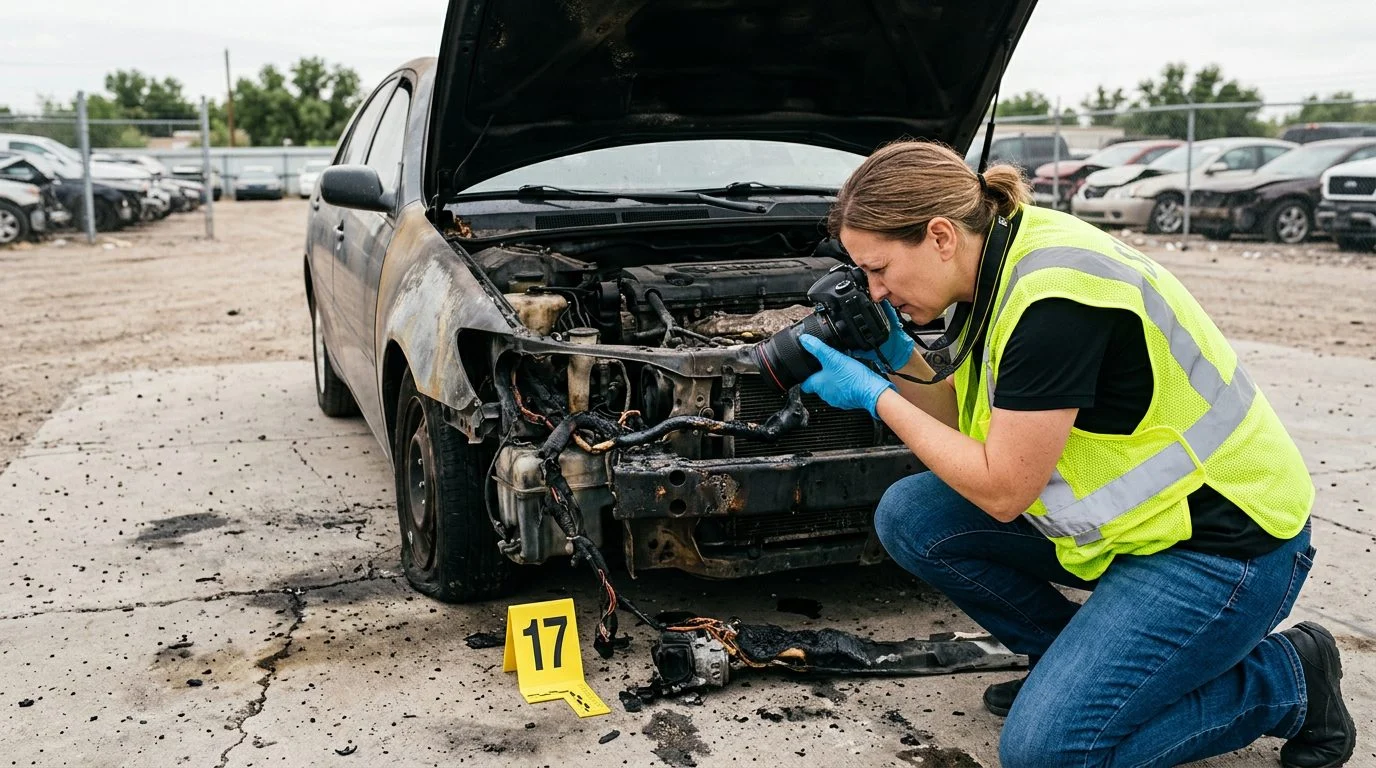
Burn cases raise hard questions about how the injury happened, how severe it is, and who was involved. El Gringo Law focuses on serious injury claims for people across New Mexico, and every case starts with a free, confidential consultation.
By Josh Wood · Published November 6, 2026
Can I Sue for a Burn Injury in New Mexico?
Yes, you may have a claim if another person’s or company’s negligence caused your burn. In New Mexico, a burn injury claim is a civil case that seeks money for your losses. It is separate from any criminal case.
In Herrera v. Quality Pontiac, the court explained that a negligence claim generally requires a duty owed by a defendant to a plaintiff, a breach of that duty (typically measured against a standard of reasonable care), and that breach being both a proximate cause and a cause in fact of the plaintiff’s damages. The other party owed you a duty. It failed to use reasonable care. And that failure was a proximate cause of your harm, as Herrera v. Quality Pontiac explains.
A proximate cause produces the injury in a natural, continuous sequence. It does not have to be the only cause. That matters in burn cases, where more than one factor can play a role.
When a burn leads to death, a wrongful death claim may follow. The personal representative of the deceased person brings that action, under NMSA 1978, § 41-2-3.
Whether you have a claim depends on the facts of your incident. Josh Wood, the responsible lawyer for this page, can review your details at a free, confidential consultation with no obligation to continue.
Burn Injury Causes That Can Support a Claim
Burns caused by another party’s negligence can support a claim in several settings. The most common ones tie closely to the firm’s practice areas.
- Car accidents: fuel-fed fires, electrical fires after impact, or hot fluid burns from a crash caused by another driver’s negligence.
- Trucking accidents: fires and burns after a commercial truck crash, including fuel or cargo fires linked to maintenance, loading or driver conduct.
- Premises liability: scalds from water heaters or tap water, and fires from unsafe wiring or faulty appliances on property someone controls.
- Products and equipment: heaters, appliances or other products that overheat, leak or ignite because of a defect.
Under UJI 13-1320 NMRA, when a visitor is injured by the acts of a third person, a property owner or occupant’s breach of the duty to use ordinary care to keep the premises safe is compared with the third person’s conduct to determine that party’s proportionate degree of fault (UJI 13-1320 NMRA).
Two questions usually shape who may be responsible: who controlled the hazard, and what caused the fire or heat to start. The American Burn Association publishes a fact sheet on burn incidence and causes.
Why Burn Claims Are Hard to Prove
Proving cause and degree is often the hardest part of a burn claim. The other side may dispute how the burn happened, how deep it is, or how much harm came from this incident.
Evidence that tends to matter includes:
- Ambulance, emergency room and burn-center records
- Photos taken as the wounds heal
- Fire, police or incident reports
- Witness statements
- Vehicle data, maintenance logs, product parts and surveillance video
Some evidence can disappear. Vehicle data can be overwritten, product parts can be discarded, and video can be erased. Acting early to preserve these items protects the claim.
Medical records should also show grafting, scarring, pain treatment and future care needs. These records connect the injury to the incident and to its lasting effects.
New Mexico Time Limits for Burn Injury Lawsuits
Under NMSA § 37-1-8, an action for an injury to the person must be brought within three years.
Government defendants have shorter deadlines. Under NMSA § 41-4-15, an action against a governmental entity or a public employee for torts is forever barred unless it is commenced within two years after the date of occurrence resulting in loss, injury or death, except that a minor under the full age of seven years shall have until his ninth birthday in which to file. The ninety days do not count up to ninety days during which the injured person is unable to give the notice because of the injury. For a wrongful death claim against a government defendant, that notice may be given within six months.
Don’t rely on the three-year rule if a city, county or state agency may be involved. Reviewing your dates early helps you avoid missing a short deadline.
What a Burn Injury Claim May Include
A burn injury claim may seek money for the losses the facts support. Common categories include:
- Lost wages and a reduced ability to earn
- Pain and suffering
- Emotional distress
Severity affects how losses are documented. Deeper burns, grafting and long recovery periods usually bring more treatment records and a fuller review of damages.
New Mexico compares fault. Comparative negligence was adopted in Scott v. Rizzo. If you share some fault, your damages are reduced by your percentage, under UJI 13-2218 NMRA. Under NMSA § 41-3A-1, where the doctrine of comparative fault applies, joint and several liability is abolished except as otherwise provided, and the liability of the defendants is several.
How the Claim Process Works and What It Costs
The process generally moves through five stages. Each stage can take a different length of time, depending on the case.
- Consultation. The first consultation is free and confidential, with no obligation to continue.
- Investigation. The team gathers the facts of the incident and identifies who may be responsible.
- Records. Medical records and bills document treatment and losses.
- Demand. The claim is presented to the responsible party and its insurer, with supporting proof.
- Negotiation or lawsuit. If the claim does not resolve, a lawsuit may be filed and the case moves through discovery and, if needed, trial.
Medical bills and liens can affect what a person keeps from a recovery. Those amounts are reviewed early so you know what to expect.
Why Work With El Gringo Law on a Burn Injury Claim
El Gringo Law represents people injured in car crashes, trucking accidents, premises incidents and other serious injuries. Josh Wood is the responsible lawyer for this page. He is licensed in New Mexico and Arizona.
- Practice areas: car accidents, trucking accidents, premises liability, negligent security, wrongful death, sexual assault, catastrophic injuries, spinal cord injuries, amputations and burn injuries.
- Service areas: Santa Fe, Rio Rancho, Las Cruces, Bernalillo County, Sandoval County, Taos and Farmington.
- Client approach: Our team explains each step in plain language and answers your questions before you decide.
You can reach the firm through its contact page.
Frequently Asked Questions About Burn Injury Claims in New Mexico
What is the hardest injury to prove?
Burn cases are often hard to prove on cause, degree and the link to the incident. Medical records, photos and incident reports help answer those points.
What is the statute of limitations for a New Mexico personal injury case?
Injury-to-person claims must be filed within three years under NMSA § 37-1-8. Claims against government entities have shorter deadlines and notice rules.
Can you sue for first-degree burns?
The facts and documented losses shape how the claim proceeds.
How much of a settlement will I keep?
Medical bills, liens and case costs can all reduce what a person keeps. Those amounts vary, so they are reviewed case by case.
Do I have to pay for the first consultation?
No. The initial consultation is free, confidential and comes with no obligation to continue.
Talk With El Gringo Law About Your Burn Injury
If a crash, a fire or a scald left you or someone you love with burns, the next step is getting your dates and facts reviewed. Josh Wood and our team can look at your situation during a free, confidential consultation, with no obligation to continue. Reach out through the contact page to call, send a form or start a chat.
How we approach a burn injury claim
Records that matter
We look at medical records, photos, and incident reports, which often help answer questions about cause and degree of injury.
Plain-language guidance
Our team explains each step of the process in clear terms so you know what to expect before you decide anything.
Early attention to evidence
Burn cases can depend on details that change over time, so we focus on preserving what matters from the start.
Honest case review
We review the facts of your situation and tell you candidly what we see, without overpromising what any claim will bring.
Keep your records
Photos of the injury and the scene, medical bills and treatment notes, and any police or incident reports can be important. Save them, and think twice before posting about the incident online.
Situations we review
Vehicle crashes and fires
Burns sustained in car accidents, including fuel and fire injuries, are one area we review with the facts of the crash in mind.
Trucking incidents
Burns connected to commercial vehicle crashes often involve more records and more parties, and we look at each one carefully.
Hazards on property
Burns caused by unsafe conditions at a business, rental, or other property are reviewed as possible premises liability matters.
Defective products
When a product malfunctions and causes a burn, we look at how the product was made, sold, and used.