Catastrophic Injuries · New Mexico
Serious Injuries Change Everything. Your Claim Should Get Clear Answers.
El Gringo Law represents people across New Mexico who have suffered catastrophic injuries, including spinal cord injuries, amputations and severe burns. We explain your options in plain language and help you decide your next step. Your first consultation is free, confidential and comes with no obligation to continue.
By Josh Wood · Published October 24, 2026
Catastrophic injuries in New Mexico are serious injuries that cause lasting harm and usually need medical care for years, or for life. When someone else’s fault causes one, the injured person and their family may have a claim for damages. This page explains what counts, how these injuries happen, what a claim can cover, and what to do next. Time limits and recovery depend on the facts of each case.
What Counts as a Catastrophic Injury?
A catastrophic injury is a serious injury that leaves lasting physical, cognitive, or functional limits. These injuries often need medical care over many years.
Four injury types come up often in this area of law: traumatic brain injury, spinal cord injury, amputation, and severe burn injury. Some cases also involve several serious injuries at once, such as broken bones along with organ damage.
The label matters for a claim. A short-term injury often has a clear end point. A catastrophic injury usually requires planning for years of future needs, and those needs are harder to estimate.
Brain and spinal injuries can change how a person thinks, moves, and works, even when the body looks healed. That is why the full picture often takes time to form. A claim often focuses on how the injury affects daily life, not only on the name of the diagnosis.
Albuquerque readers can start with our Albuquerque catastrophic injury guide, which covers the basics for the Albuquerque area.
If a crash or other incident left you or someone you love with a brain, spine, amputation, or burn injury, you may have a claim worth discussing, and our team can help you review it. Talk it through with our team — the first consultation is free, confidential, and carries no obligation.
How Catastrophic Injuries Happen in New Mexico
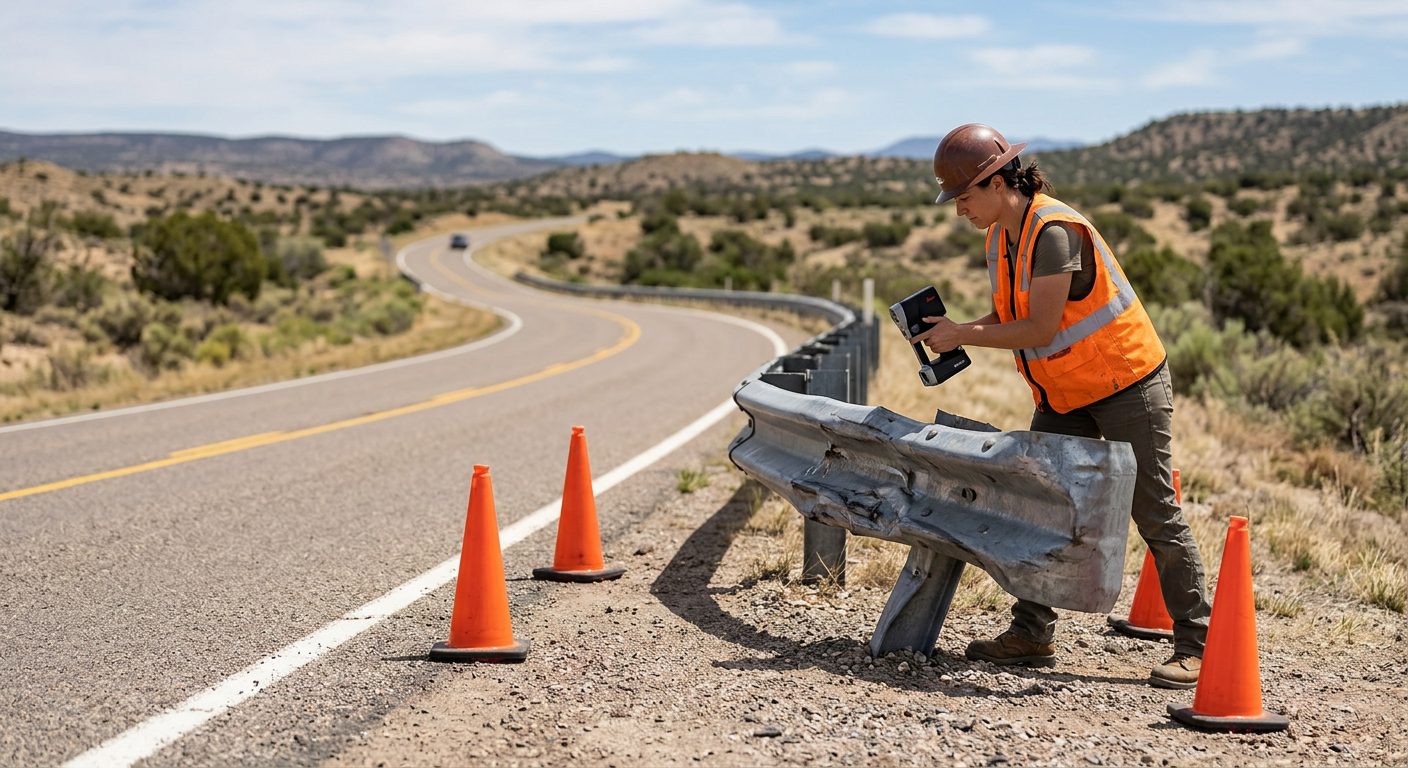
Crashes, dangerous property conditions, inadequate security, and fatal incidents can all lead to catastrophic injuries. Each one raises different questions about who is responsible.
Car crashes on New Mexico roads can cause catastrophic harm.
Truck crashes can involve more parties than a car crash. The driver, the trucking company, and others may each play a role. That can make the insurance picture broader.
Premises liability covers injuries caused by dangerous conditions on property that an owner or operator controls. Examples include a collapsed walkway or a broken stair that was never repaired.
Negligent security involves an assault or attack where inadequate security may have allowed a harm the owner could foresee. The key question often turns on what the property owner knew or should have known.
Wrongful death claims raise their own questions. Under NMSA § 41-2-1, when a person’s death is caused by a wrongful act, neglect or default of another that would, if death had not ensued, have entitled the injured person to maintain an action and recover damages, the person or corporation that would have been liable had death not ensued is liable to an action for damages, notwithstanding the death of the person injured.
Immediate Steps After a Serious Injury
The most useful first steps are getting medical care, keeping records, and protecting evidence. Each one supports a later claim, even if nothing feels urgent yet.
Get a medical evaluation right away, even if symptoms seem mild. Follow the treatment plan your providers give you, and attend follow-up visits. Gaps in care can make it harder to connect later symptoms to the crash.
Keep records of everything. Save medical notes, bills, prescriptions, work absence notes, and photos of the scene and your injuries. Write down the names of anyone who saw what happened.
Preserve evidence when you can. This can include vehicle damage, incident reports, and contact information for witnesses. Evidence can disappear quickly, such as repaired vehicles or deleted video.
Start a simple daily log of pain, sleep, mobility, and tasks you can no longer do. Over time, the log shows lasting effects in your own words. It supports what your doctors record during visits.
What a Catastrophic Injury Claim Can Cover
A catastrophic injury claim can seek money for medical care, lost income, lost earning capacity, and the way the injury changes daily life. The damages in each case rest on the records and evidence.
Medical care is the category most people think of first. Past and future care can include surgery, hospital stays, therapy, medication, and equipment.
Lost wages cover income you missed because of the injury. Lost earning capacity covers the ability to earn in the future, which we explain in its own section below.
Non-economic damages cover pain, suffering, and loss of enjoyment of life. These harms are real even though they don’t come with a receipt.
Assistive equipment, home or vehicle changes, and attendant care can also appear in a claim when records document them.
Family members may have their own claims. New Mexico treats loss of consortium damages as belonging to a close family member, not to the injured person or the estate, as explained in Thompson v. City of Albuquerque.
For a fuller explanation, see what an injury lawyer covers.
Lifetime Medical Costs and Life Care Plans
A life care plan is a written projection of the medical, therapy, equipment, and support needs a person may have over time. It turns long-term needs into a documented estimate.
Catastrophic injuries often need care for many years or for life. A person with a spinal cord injury, for example, may need planning that stretches across decades rather than months.
Estimates rest on medical evidence. Doctors, therapists, and cost records help show what care is likely and what it may cost.
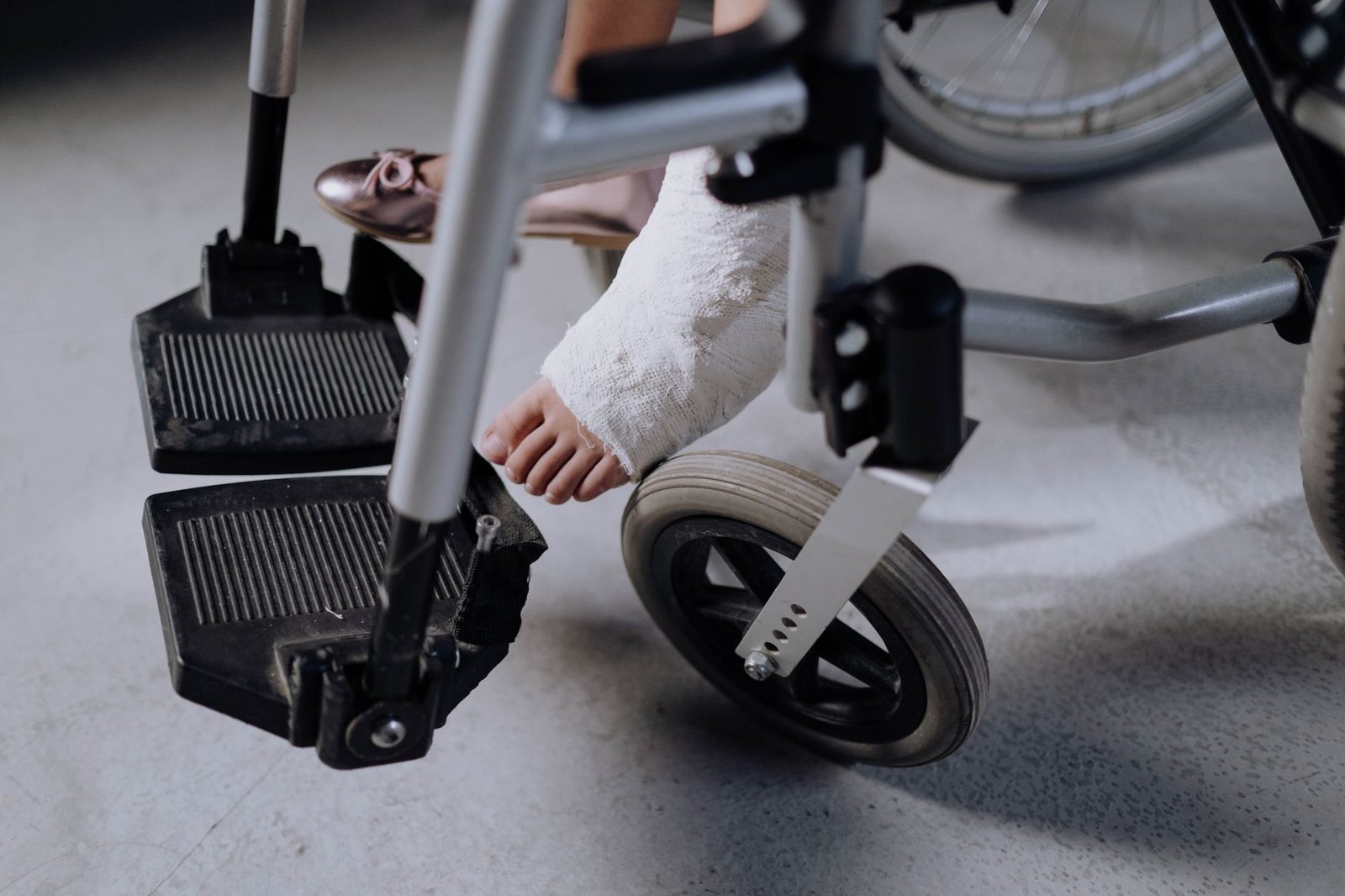
Life care plans often address items such as wheelchairs, prosthetics, home modifications, medications, and in-home help. Family caregivers may give many hours each day, and those needs belong in the planning conversation.
Costs can change as health changes, so a plan may need updating as treatment goes on. Our guide to life care plans for catastrophic injuries explains the process in more detail. Our guide to lifetime medical costs after a New Mexico car crash covers the car crash side.
Lost Earning Capacity and Long-Term Income
Lost earning capacity is the value of the work and income an injury takes away in the future, not just wages already missed. It often matters most when an injury changes the type of work a person can do.
Lost wages to date cover paychecks missed since the crash. Lost earning capacity looks forward. It asks what the person could have earned over a working life and what the injury now limits.
Factors that often matter include age, education, work history, and the physical or cognitive limits the injury creates. A person who worked with their hands may face a very different question than a person who worked at a desk.
Medical records and vocational information matter here. A doctor’s note about restrictions and a record of past jobs can both help show what changed. Our guide to lost earning capacity after a catastrophic injury in New Mexico goes deeper, and our catastrophic injury compensation guide covers the wider picture.
Not sure what your next step is?
Talk it through with our team — the first consultation is free, confidential, and carries no obligation.
Insurance, Responsible Parties, and Time Limits
Time limits matter early. Under NMSA § 37-1-8, an action for an injury to the person or reputation of any person must be brought within three years. A wrongful death action must be brought within three years, counted from the date of death, under NMSA 1978, § 41-2-2. The specific facts of your case can affect how these periods apply.
Responsibility may rest with an at-fault driver, a trucking company, a property owner, a security provider, or another party. Under NMSA § 41-3A-1, in causes of action where several liability applies, a defendant who establishes that another’s fault was a proximate cause of the plaintiff’s injury is liable only for the portion of the damages equal to the ratio of its own fault to the total fault attributed to all persons. That statute also lists exceptions, such as intentional injury.
New Mexico follows pure comparative negligence. Under Scott v. Rizzo, a plaintiff is no longer totally barred from recovery because of partial fault. Under UJI 13-2218 NMRA, where comparative negligence is an issue, there is no apportionment of negligence among defendants or non-parties, and the court submits the case on a general verdict without special interrogatories, a jury reduces the damages by the plaintiff’s percentage of negligence, as described in that instruction.
Your own auto policy may include uninsured or underinsured motorist coverage. NMSA 1978, § 66-5-301 reads: “unless coverage is provided therein or supplemental thereto in minimum limits for bodily injury or death and for injury to or destruction of property as set forth in Section 66-5-215 NMSA 1978 and such higher limits as may be desired by the insured, but up to the limits of liability specified in bodily injury and property damage liability provisions of the insured’s policy, for the protection of persons insured thereunder who are legally entitled to recover damages from owners or operators of uninsured motor vehicles because of bodily injury, sickness or disease, including death, and for injury to or destruction of property resulting therefrom, according to the rules and regulations promulga.” Serious injuries can exceed policy limits, so review every policy involved. Our guide to minimum car insurance in New Mexico explains the basics. Early action also helps preserve evidence and witness memories, and our guide to how far back you can claim explains timing.
Dealing With Insurance Adjusters and Delayed Symptoms
Review every adjuster request and settlement offer before you respond in detail. Early calls can feel friendly, but the adjuster works for the insurer.
Adjusters may ask for recorded statements, medical releases, or quick decisions. Before you agree to any of these, take time to understand what you’re signing or saying. Keep your answers accurate and plain.
Don’t guess about how the crash happened or how hurt you are. Describe what you remember, and say clearly when you don’t know something.
Some serious injuries don’t show symptoms right away. Certain brain injuries can cause symptoms that appear later, sometimes well after the crash. Our guide to delayed brain injury symptoms after a crash explains what to watch for.
Keep every medical follow-up appointment. Tell providers about every symptom, even minor ones. A symptom that seems small on day one may matter later. For more on dealing with adjusters after a serious crash, see our guide to talking with an insurance adjuster.
How Fees and Case Costs Work
The first consultation with El Gringo Law is free, confidential, and carries no obligation to continue. You can talk through your situation without committing to anything.
If you’re holding bills, letters from an insurer, and a long list of questions, a first conversation can help sort out what matters most. Our team can review what happened, the injuries involved, and the time limits that may apply.
Bring your records to that conversation, including medical notes, bills, and any letters from insurers. Having them ready helps the review move forward.
Local Coverage Across New Mexico
The New Mexico communities listed below are areas our team serves.
- Bernalillo County catastrophic injury guide
- Santa Fe catastrophic injury guide
- Rio Rancho catastrophic injury guide
- Sandoval County catastrophic injury guide
- Las Cruces catastrophic injury guide
- Taos catastrophic injury guide
- Farmington catastrophic injury guide
The University of New Mexico Traffic Research Unit prepares annual traffic crash reports for NMDOT, with county breakdowns for areas such as Bernalillo and Sandoval counties, as described on its traffic research page.
Josh Wood, the responsible lawyer for this page, is licensed in New Mexico and Arizona.

Talk With El Gringo Law About Your Next Steps
If a crash or other incident left you or a family member with a serious injury, you don’t have to work out the next steps alone.
How long do I have to file an injury claim in New Mexico?
New Mexico sets a three-year limit for an action for injury to a person. Time limits can vary with the facts of each case.
Can I still recover if I was partly at fault?
Yes, New Mexico follows pure comparative negligence, so partial fault reduces damages but does not totally bar recovery.
If a crash or other incident left you or someone you love with a brain, spine, amputation, or burn injury, you may have a claim worth discussing, and our team can help you review it. Reach out through our contact form.
Every case is different, and past results do not promise a similar outcome.
Responsible lawyer: Josh Wood, El Gringo Law. Contact: El Gringo Law contact page.
How We Approach Catastrophic Injury Cases
Careful Case Review
We look at medical records, accident reports and insurance communications to understand what happened and what your case may involve.
Direct Communication
Our lawyers and team keep you informed about your case and answer your questions in clear, everyday language.
Focus on Serious Harm
Our practice focuses on car and trucking crashes, premises and negligent security incidents, wrongful death, sexual assault, and catastrophic, spinal cord, amputation and burn injuries.
Serving New Mexico
We work with clients in Santa Fe, Albuquerque and Bernalillo County, Rio Rancho and Sandoval County, Las Cruces, Taos, Farmington and communities across the state.
Important: Talk With a Lawyer Before Speaking to an Insurer
Insurance adjusters may ask for recorded statements or quick signatures soon after a serious injury. Those requests can affect your claim. Before you give a statement or sign anything, consider speaking with a lawyer about your situation.
Steps to Consider After a Catastrophic Injury
Get Medical Care
Your health comes first. Follow your treatment plan and keep records of every visit, test, diagnosis and prescription.
Keep Records
Save photos, police or incident reports, witness names, pay stubs and receipts. These details can matter later.
Be Careful With Statements
Speak with a lawyer before giving recorded statements to insurance companies or signing settlement papers.
Ask Questions Early
Contact our firm for a free, confidential consultation to learn what your situation may involve and what your options are.