Scald Burn Injury Claims · Albuquerque, New Mexico
Hurt by a Scald Burn? Get Clear Answers From El Gringo Law.
A scald injury can bring pain, medical bills and time away from work. We listen to your story and explain your options. Your first consultation is free, confidential and comes with no obligation to continue.
By Josh Wood · Published November 2, 2026
Searching for a scald burn injury lawyer Albuquerque residents can reach? A scald is a burn caused by hot liquid or steam, and it may support a claim when someone else’s negligence caused it. This page explains how scald and hot-liquid burns happen, who may be responsible, and what a claim can cover. El Gringo Law serves Albuquerque and Bernalillo County, and this page is written for people deciding on their next step after a burn.
What Scald and Hot-Liquid Burn Injuries Are
A scald is a burn from hot liquid or steam touching the skin. How deep the burn goes depends on the temperature of the liquid and how long it stays in contact with the skin.
Doctors describe burns by degree. A first-degree burn affects only the outer layer of skin and often looks red and sore. A second-degree burn goes deeper and often causes blisters. A third-degree burn damages the full thickness of the skin and can look white, dark, or leathery.
Deeper burns often need longer care. They can require skin grafts, repeated dressing changes, scar treatment, and care for infection. Even a burn that looks minor at first can change over the following days. The medical record is the best view of how serious the injury is, so keep every visit note and bill.
If a scald has left you with ongoing treatment and bills, you may have a claim, and our team can talk through your options with you. Talk it through with our team — the first consultation is free, confidential, and carries no obligation.
Common Ways Scald Burns Happen in Albuquerque
Scald burns happen wherever hot liquid, steam, or grease meets skin without warning. Common sources include:
- Hot coffee or tea spilled in a shop, office, or car
- Tap water and shower fixtures in homes, apartments, and hotel rooms
- Cooking oil and grease in restaurant and food service kitchens
- Steam from kitchen equipment or building systems
- Food or drinks spilled on floors in dining areas
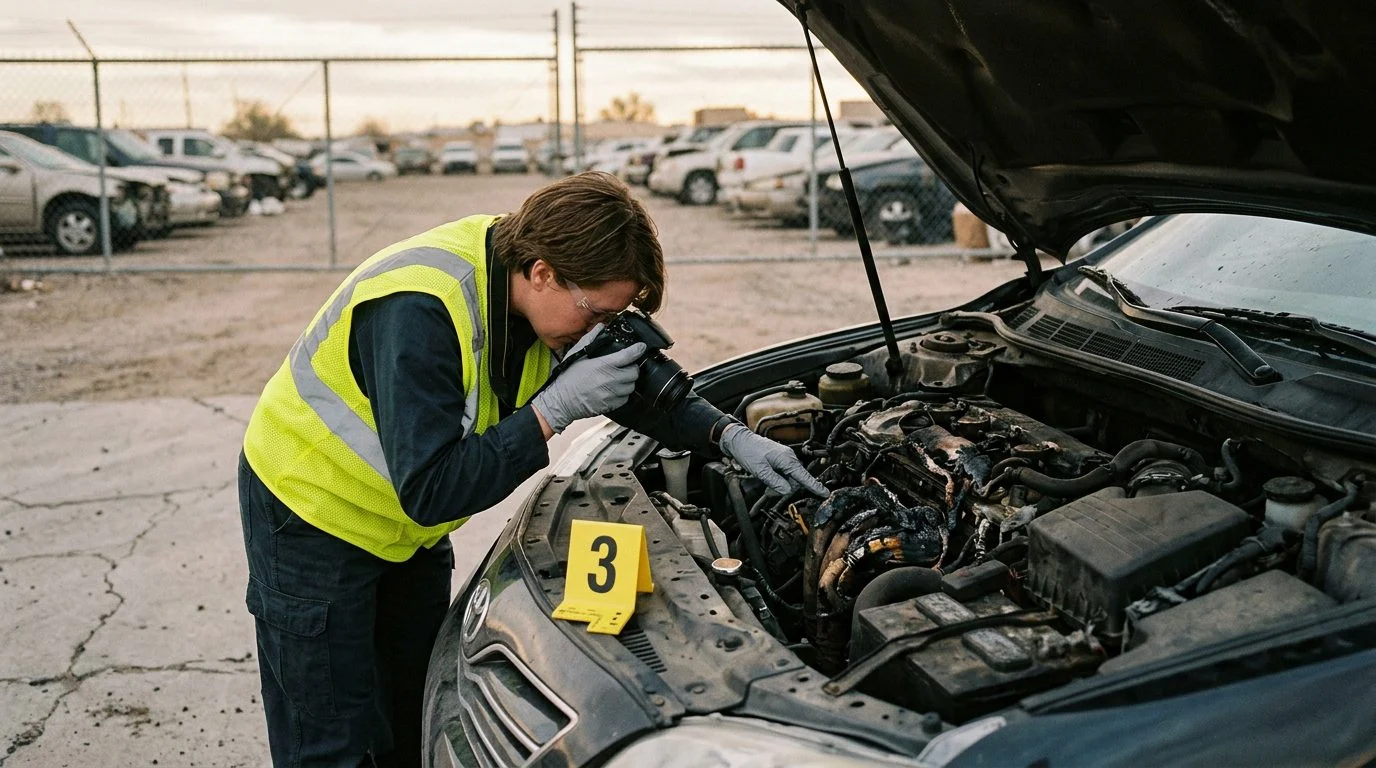
- Fires and spilled hot fluids in vehicle crashes
Where the burn happened often decides which legal rules apply. A burn at a store or apartment raises premises questions. A burn in a crash raises questions about the driver and the vehicle. Maintenance logs, repair requests, and water-temperature settings can show what the property knew.
Who May Be Responsible for a Scald Injury
The person or company that controlled the property, product, or vehicle may be responsible, depending on what happened. Each setting follows different rules.
For a property, New Mexico’s jury instruction says a landowner must use ordinary care to keep the premises safe for visitors (UJI 13-1309 NMRA). A landowner also must use ordinary care to keep the premises safe for visitors, and that duty arises from a foreseeable risk that a third person will injure a visitor (UJI 13-1320 NMRA). That duty is central to a negligent security claim.
A negligence claim generally requires a duty, a breach of that duty, and a breach that is a proximate cause of the damages (Herrera v. Quality Pontiac). A proximate cause produces the injury in a natural and continuous sequence. It need not be the only cause.
The driver of any vehicle involved in an accident resulting in injury to or death of any person must immediately stop the vehicle at the scene of the accident or as close thereto as possible, and must remain at the scene until the requirements of Section 66-7-203 NMSA 1978 are fulfilled, with each stop made without obstructing traffic more than is necessary (NMSA 1978, § 66-7-201). Leases, maintenance logs, incident reports, and crash reports help show who controlled the place or vehicle when the burn happened.
What a Burn Injury Claim Can Cover
Common categories include:
- Past and future medical bills, including surgery and skin grafts
- Wound care, dressings, and follow-up visits
- Lost wages and lost ability to earn in the future
- Pain, suffering, and loss of enjoyment of life
- Scarring and disfigurement
New Mexico compares fault. In a case with no apportionment of negligence among defendants or non-parties, a jury works out each party’s percentage of fault and reduces the injured person’s total damages by that person’s percentage (UJI 13-2218 NMRA). Close family members may have their own loss of consortium claim. That claim belongs to the family member, not the injured person (Thompson v. City of Albuquerque).
The initial consultation is free, confidential, and carries no obligation to continue.
How the Process Works, Step by Step
The process starts with a conversation. It then moves to records, investigation, and either a settlement or a lawsuit.
- Contact us. Call, use the contact form, or start a chat through our contact page.
- Review the facts. We go over how the burn happened, where it happened, and your treatment so far.
- Gather evidence. We collect medical records, photos, and reports, and send written requests to preserve records when needed.
- Investigate and document damages. We look at who was responsible and track ongoing treatment and costs.
- Negotiate or file suit. We present the claim to the responsible party or its insurer, and file a lawsuit if a fair resolution isn’t reached.
Timing varies with your medical course, the number of parties, and whether a lawsuit is filed. Keep your appointments and tell us about every provider you see. After review, we give you a timeline based on your facts.
Evidence That Matters in Burn Injury Cases
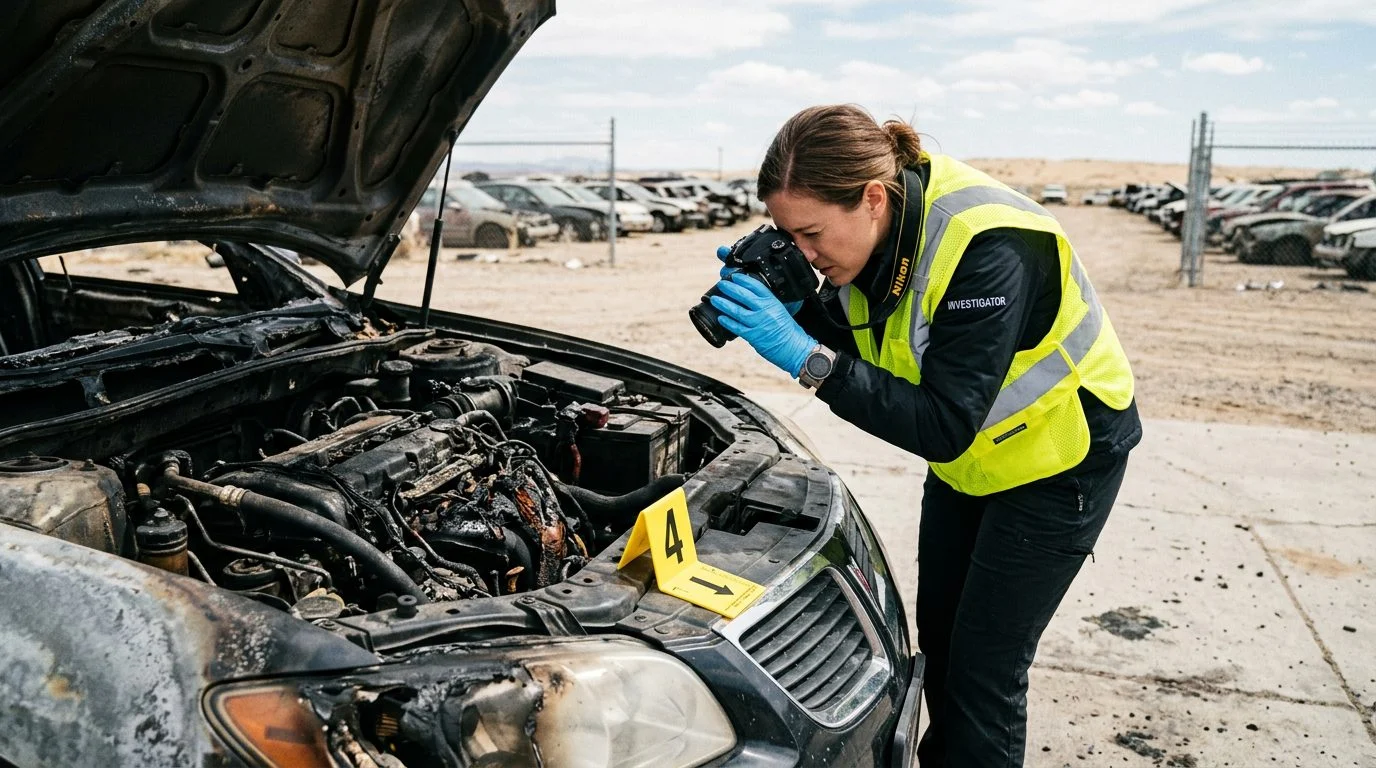
Photos, medical records, and incident reports help show how a burn happened and how it healed. Gather these items early:
- Photos of the scene, the injury, and the healing over time
- Medical records, wound care notes, and grafting or surgery reports
- Billing statements and receipts for treatment and supplies
- Witness names and statements
- Incident, maintenance, or crash reports, and surveillance footage when available
- Water-temperature settings or product details, when they can be found
Surveillance footage and maintenance logs are often kept for a limited time, so ask for them soon after the injury. Keep a simple journal of pain, missed work, and daily tasks. Bring it to your consultation.
Not sure what your next step is?
Talk it through with our team — the first consultation is free, confidential, and carries no obligation.
Why Clients Contact El Gringo Law
El Gringo Law handles car accidents, trucking accidents, premises liability, negligent security, catastrophic injuries, and burn injuries. Josh Wood is the responsible lawyer for this page. He is licensed in New Mexico and Arizona. Our lawyers handle the legal work on each matter, and our team handles intake, records, and updates.
We serve Albuquerque and Bernalillo County, and we also serve Santa Fe, Rio Rancho, Las Cruces, Sandoval County, Taos, and Farmington. Contact details are on our contact page at elgringolaw.com.
Every case is different, and past results do not predict a similar outcome.
Frequently Asked Questions About Scald Burn Claims
These are common questions people ask about scald burn claims in New Mexico.
Can I sue for first-degree burns?
Whether a claim exists turns on how the burn happened, who was responsible, and the harm documented. A first-degree burn can be part of a claim when another party’s negligence caused it.
What is the statute of limitations for bodily injury claims in New Mexico?
New Mexico law sets a three-year period for bringing an action for an injury to the person or reputation of any person (Section 37-1-8 of the New Mexico Statutes). This notice rule applies only to claims against the state or a local public body (such as a county, municipality or school district) for which immunity has been waived under the Tort Claims Act. In most of those claims, a written notice stating the time, place and circumstances of the loss or injury is due within ninety days after the occurrence; for a wrongful death claim, Section 41-4-16(C) allows the notice to be presented within six months after the occurrence. Either way, the notice requirement does not bar the claim if the governmental entity had actual notice of the occurrence. The time for giving notice does not include up to ninety days during which the injured person is incapacitated from giving notice by reason of injury (Section 41-4-16 of the New Mexico Statutes).
How long does it take to settle a burn injury claim?
Settlement timing turns on treatment, the number of parties, and whether a lawsuit is needed. A claim usually can’t be valued fully until treatment has progressed far enough to document the losses.
What happens during the free consultation?
We ask how the burn happened, what records you have, and where you are in treatment. Then we explain possible next steps in plain language.
Talk With a Burn Injury Lawyer in Albuquerque Now
If a scald has left you with dressings to change, bills to pay, and time away from work, you don’t have to sort it out alone. Contact El Gringo Law through the contact form to ask about your scald burn claim. You can also call or start a chat from the same page. Josh Wood is the responsible lawyer for this page.
How we work with scald burn clients
Listen first
We start by hearing how the injury happened, what treatment you have needed and what questions are on your mind.
Organize the facts
Our team helps gather the records, photos and details that describe the incident and the harm it caused.
Advocate for you
We focus on protecting your interests and keeping you informed at each stage of your claim.
Respect your recovery
We understand that healing takes time, and we keep communication clear and considerate throughout.
Get medical care right away
Scald burns can look less serious than they are, and some need prompt treatment. Seek medical care as soon as you can, and keep photos of the injury, the clothing or containers involved, and any incident reports or paperwork you receive.
Situations that can lead to scald burns
Hot food and beverages
Scalds can occur when hot liquids or food are spilled, served or handled in restaurants, cafeterias and other public settings.
Hot water and showers
Scalding can result from unexpected hot water at hotels, rentals, workplaces and other properties where water temperature is not controlled.
Steam and heated surfaces
Injuries can happen around steam leaks, hot equipment, radiators and other heated surfaces that were not safely maintained.
Defective products
Some scald burns involve appliances, containers or other products that failed in use. Each situation depends on its own facts.