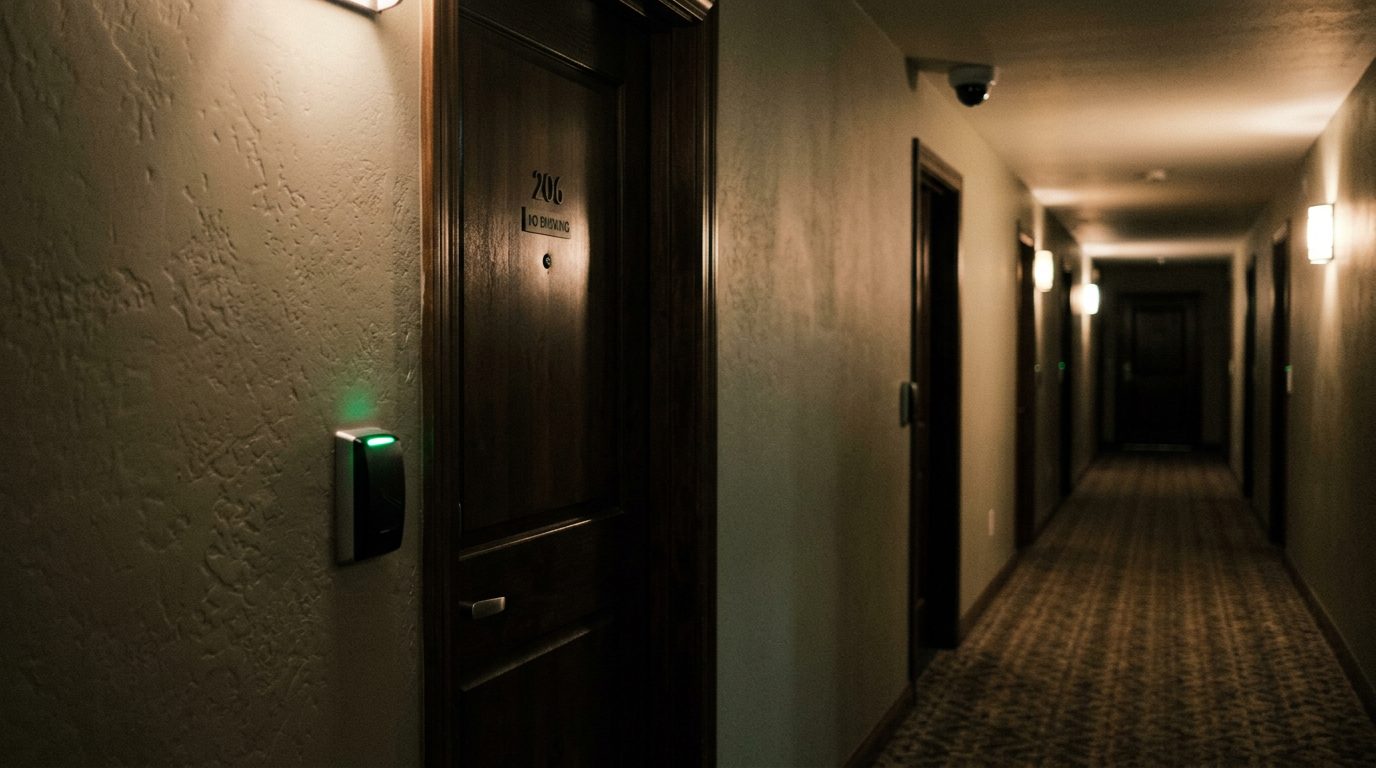
Negligent Security | New Mexico
Hurt in an Apartment Complex Attack? Talk to El Gringo Law
Assault in an apartment complex can leave you injured, frightened, and facing questions about who is responsible. Our team focuses on negligent security and personal injury claims across New Mexico, including Santa Fe, Rio Rancho, Las Cruces, Bernalillo County, Sandoval County, Taos, and Farmington. Your first consultation is free, confidential, and comes with no obligation to continue.
By Josh Wood · Published October 26, 2026
Apartment Complex Assault Lawyer Albuquerque | El Gringo Law
A negligent security claim asks whether an apartment property failed to take reasonable steps against a crime it should have expected. If you or a loved one was hurt in an attack at an apartment complex, an apartment complex assault lawyer in Albuquerque can review what the property knew and how it responded. This page explains how these claims work in New Mexico and what to expect next.
If an attack at your apartment complex left you hurt, you may have a claim, and our team can review the facts with you in a free, confidential consultation. Talk it through with our team — the first consultation is free, confidential, and carries no obligation.
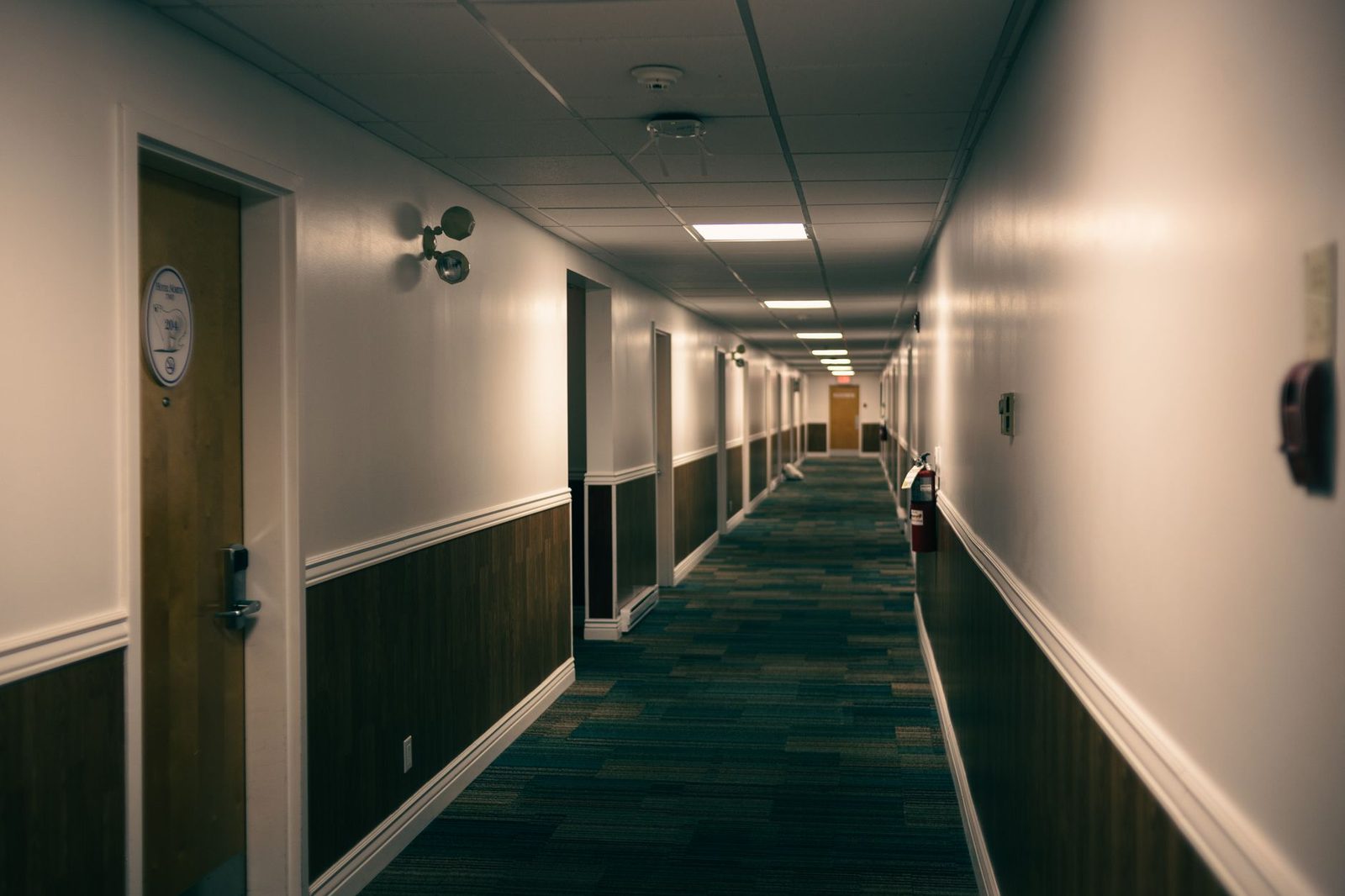
What a Negligent Security Claim Covers After an Apartment Complex Assault
A negligent security claim holds a property owner or manager responsible when it fails to protect people from a foreseeable crime. That crime can be an assault, robbery, shooting, or sexual assault.
New Mexico law says a landowner must use ordinary care to protect visitors from harm caused by a third party’s foreseeable conduct. That duty covers criminal conduct too, as the UJI 13-1320 commentary explains.
This page is for tenants, guests, delivery workers, and visitors hurt on apartment property. It also speaks to families of someone killed in an assault there.
The attacker might be a stranger, another tenant, a guest, or an intruder. The key question is whether the property’s conditions or its failures to act played a role. Investigations of these claims may look at:
- Propped-open doors, broken gates, or entry systems that didn’t work
- Locks or lighting that were broken or left unrepaired
- Security cameras that were out of service
- Ignored complaints about trespassers or suspicious people
- Missing or weak security patrols
This page covers apartment complex assault and negligent security. Our practice areas also include car accidents, trucking accidents, premises liability, wrongful death, sexual assault, and catastrophic injuries.
Evidence That Can Matter in Apartment Attack Cases
The strongest evidence usually shows what the property knew before the attack and how it responded. Records from before the attack often carry the most weight.
Useful records often include:
- Police reports and call logs for the property
- Prior incident reports and tenant complaints
- Maintenance requests about locks, gates, or lighting
- Lease and security policy documents
- Photos of the property and the place where the attack happened
- Medical records that tie your injuries to the attack
Ask early that footage be kept, and keep copies of every letter you receive from the property, insurers, or police.
Causation is a key step. It need not be the only cause (Herrera v. Quality Pontiac).
Whether a specific complex’s conditions support a claim turns on what the property knew. Write down what you remember about the attack and the property while it’s still fresh.
What Compensation May Cover in a New Mexico Apartment Assault Case
Compensation may cover medical costs, lost income, and pain and suffering, based on your injuries and the facts. Each category needs proof in the file.
- Medical bills: emergency care, hospital stays, surgery, medications, counseling, and future care a doctor documents
- Lost income, and lost earning ability when an injury limits work
- Pain, suffering, emotional distress, and loss of enjoyment of life, including trauma after a sexual assault
Fault can be shared. Under the UJI 13-2218 instruction, where comparative negligence is an issue in the lawsuit, the court submits the case on a general verdict without special interrogatories, and there is no apportionment of negligence among defendants or non-parties, the jury totals the damages and reduces them by the injured person’s percentage of fault.
Under NMSA § 41-3A-1, where comparative fault applies, the liability of defendants is several. NMSA 1978, § 41-3A-1 reads: “In any cause of action to which the doctrine of comparative fault applies, the doctrine imposing joint and several liability upon two or more wrongdoers whose conduct proximately caused an injury to any plaintiff is abolished except as otherwise provided hereafter.” A defendant who establishes that another’s fault is a proximate cause of the plaintiff’s injury is liable only for the portion of the total damages that equals the ratio of that defendant’s fault to the total fault attributed to all persons, including persons not party to the action. A severally liable defendant cannot reduce that portion by any amount the plaintiff has recovered from others, subject to the exceptions listed in the statute. The statute lists exceptions, including for persons who acted intending to inflict injury.
Every case is different, and the value of a claim depends on the facts.
How the Process Works, Step by Step
A typical claim moves from a first conversation to evidence gathering, negotiation, and, if needed, a lawsuit.
- Tell us what happened and where. Describe the attack, the property, and your injuries.
- Initial consultation. The lawyer reviews the attack, the property, and your injuries, then explains your options.
- Evidence preservation. The firm can ask the property to keep records and video, and gathers police, medical, and maintenance records.
- Investigation. The review looks at the property’s security history and how management responded to earlier incidents.
- Negotiation. The firm presents the claim to the property’s insurer or representatives and works toward a fair resolution.
- Lawsuit, if needed. If a fair resolution isn’t reached, the claim can be filed in the proper New Mexico court. The timeline varies with the injuries and the court’s schedule.
Deadlines matter. Under NMSA § 37-1-8, an action for an injury to the person or reputation of any person must be brought within three years. A wrongful death action must be brought within three years, running from the date of death (NMSA 1978, § 41-2-2).
How El Gringo Law Handles Apartment Assault Claims
El Gringo Law represents personal injury clients in New Mexico. Our team handles negligent security claims alongside related personal injury work.
Josh Wood is the responsible lawyer for this page, and he is licensed in New Mexico and Arizona. Our team aims to explain each step in plain language.
Negligent security often sits beside premises liability, sexual assault, and wrongful death. Our practice covers those areas too, so the same firm can look at the facts from more than one legal angle.
Choosing a lawyer is a personal decision. The first conversation helps you see whether the approach fits your situation.
Not sure what your next step is?
Talk it through with our team — the first consultation is free, confidential, and carries no obligation.
Fees, Costs, and What the Free Consultation Includes
The first consultation is free, confidential, and carries no obligation to continue.
During the meeting, the lawyer listens to what happened, asks about the property and your injuries, and explains possible next steps. The conversation is a discussion, not a contract.
Bring what you have. That can include a police report number, medical discharge papers, photos, lease papers or notices from the property, and letters from insurers. Missing items are fine, and the lawyer will tell you which records matter most.
Your health comes first. Keep a simple log of symptoms, missed work, and appointments. Dates and details help show how the injury changed your daily life.
Frequently Asked Questions About Apartment Complex Assault Claims
Can I sue an apartment complex if another tenant attacked me?
Possibly. The key question is whether the property knew or should have known about the risk and used ordinary care in response.
Can an apartment complex assault lawyer help if a stranger got into the building?
These claims can involve strangers and intruders when propped-open doors, broken gates, or ignored trespass complaints played a role.
How long do I have to file?
New Mexico generally requires an injury lawsuit within three years. Wrongful death claims also run three years from the date of death (NMSA 1978, § 41-2-2 — three years from the date of death).
What should I do first?
Write down what you remember, and keep your medical records and any letters from the property or insurers. Bring them to the consultation.
If you were hurt in a stairwell, parking lot, or apartment unit, you don’t have to sort out the next steps alone. Call, use the contact form, or start a chat to set up your free consultation.
How We Can Help
Focused on negligent security
We concentrate on claims where a property's security, or lack of it, may have played a part in an attack on a tenant or visitor.
Confidential first conversation
Tell us what happened in your own words. Your first consultation is free and comes with no obligation to continue.
Call, submit a form, or start a chat
Choose the way that feels most comfortable. Our team responds to your request and will not pressure you to decide anything.
Attention to the whole picture
Physical injuries, emotional harm, and the stress of dealing with a building's management all matter, and we take them seriously.
Protect Your Health and Your Records
Get medical attention as soon as you can, even if your injuries seem minor. Report the incident to the police, and keep copies of any reports, photos, texts, emails, and letters from the property manager.
Facts We Often Look Into
Access and entry points
Propped-open doors, broken gates, faulty locks, and unsecured common areas can all be part of the story.
Lighting and grounds
Dark parking lots, stairwells, and walkways may matter when reviewing what happened.
Prior incidents
Past complaints, police calls, or resident reports about the property can shed light on what management knew.
Responses and repairs
What the property did after problems were reported, and how quickly, is an important part of the review.