Negligent Security | New Mexico
Hurt on Someone Else's Property? Talk to a Negligent Security Lawyer in New Mexico
When a property owner fails to provide reasonable security, people get hurt. El Gringo Law represents people injured in assaults and other incidents on commercial and residential property in Santa Fe, Rio Rancho, Las Cruces, Taos, Farmington and surrounding New Mexico communities.
Getting Started With El Gringo Law
Free
First consultation, confidential and with no obligation to continue
NM & AZ
Josh Wood is licensed in New Mexico and Arizona
By Josh Wood · Published October 24, 2026
When Can a New Mexico Business Be Responsible for a Crime Against You?
In New Mexico, a property owner can be responsible for some crimes committed against visitors. That can happen when the harm was foreseeable and reasonable security was missing. Each case turns on its own facts, and past results do not ensure a similar outcome.
A landowner must use ordinary care to protect visitors from harm caused by the foreseeable conduct of a third party. That duty covers criminal conduct too. The UJI 13-1320 commentary explains this rule for New Mexico juries.
Negligent security is a civil claim for injuries. It asks whether a property failed to take reasonable steps to protect visitors against a foreseeable risk that a third person, including through crimes, will injure them. It is separate from any criminal charge against the attacker. The civil claim looks at what the property did or failed to do. The criminal case looks at the attacker’s conduct.
Consider a common situation. A woman walks to her car after a late shift. Someone grabs her in a poorly lit parking lot, and she is hurt. Now she wants to know whether the owner should have fixed the lighting, locked the gates, or acted on earlier complaints. That question is where a negligent security claim begins.
If you were hurt in an attack in a parking lot, apartment, hotel, or bar, and you wonder whether the property should have stopped it, our team can review what happened with you. Talk it through with our team — the first consultation is free, confidential, and carries no obligation.
Resumen en español: Seguridad negligente en Nuevo México
Respuesta corta: un dueño de propiedad puede ser responsable de algunos delitos cometidos contra visitantes cuando el daño era previsible y faltaba seguridad razonable. Cada caso se decide según sus propios hechos, y los resultados pasados no predicen un resultado similar.
La seguridad negligente es una demanda civil por lesiones. Pregunta si una propiedad no tomó medidas razonables contra delitos cometidos por otras personas. Es un asunto distinto de cualquier cargo penal contra el agresor.
Los factores que suelen importar son los incidentes previos en la propiedad o cerca de ella, los riesgos conocidos, las advertencias recibidas, la iluminación, el control de acceso y la respuesta de la propiedad. Las pruebas más útiles incluyen reportes policiales, fotos, registros médicos y grabaciones de seguridad.
Josh Wood es abogado con licencia en Nuevo México y Arizona. Nuestro equipo de El Gringo Law puede revisar su situación. Puede visitar elgringolaw.com o usar el formulario de contacto en https://elgringolaw.com/contact/ para pedir una consulta inicial con él.
What Is a Negligent Security Claim and When Is Harm Foreseeable?
A negligent security claim argues that a property owner or manager failed to protect people from a crime by someone else. The central question is whether the harm was foreseeable. Foreseeable means the owner had reason to expect that kind of harm could happen.
New Mexico’s pattern instruction for visitors says a landowner owes a uniform duty of ordinary care. The duty covers conditions that foreseeably pose an unreasonable risk of injury. The UJI 13-1309 commentary states this duty for visitors.
What makes a crime foreseeable? Several facts may matter. Prior similar incidents on or near the property can matter. Known problems with locks, lighting, or access can matter. Complaints from tenants or customers can matter too. So can warnings the owner received.
A random attack with no warning signs is different from a crime the owner had reason to anticipate. These facts do not decide a case by themselves. They form part of the picture a court or jury reviews. Each set of facts gets its own look.
Negligent security is one kind of premises claim. Our premises liability comparison guide explains how it differs from other premises cases. That difference matters because the claim turns on the attacker’s criminal act and on what the property should have done about it.
Who Can Be Named in a Negligent Security Lawsuit?
The property owner is often the first party people think of. Responsibility tends to follow control.
Knowledge matters too. Courts ask what the party knew or should have known about the risk. That question looks at the party’s actual notice of problems and the information it reasonably should have had.
A guard who was posted at a gate has different duties than a company that only handled camera monitoring.
New Mexico generally limits each defendant to its own share of fault. Under NMSA § 41-3A-1, in causes of action to which several liability applies, a defendant who establishes that the fault of another is a proximate cause of a plaintiff’s injury is liable only for the portion of the total dollar amount awarded as damages that equals the ratio of that defendant’s fault to the total fault attributed to all persons, including plaintiffs, defendants and persons not party to the action. The statute also lists exceptions. One exception covers people who acted with the intention of inflicting injury. Our security company liability guide covers visitor assault cases in more detail.
Where Negligent Security Claims Commonly Arise
Negligent security claims often arise where people gather, park, or come and go. Each setting raises its own questions about who controlled the space and what security was in place.
Parking lots and parking structures are common settings. Attacks after dark on shoppers or employees walking to their cars are a frequent concern. Poor lighting, blocked sightlines, and unlocked stairwells often come up in these cases.
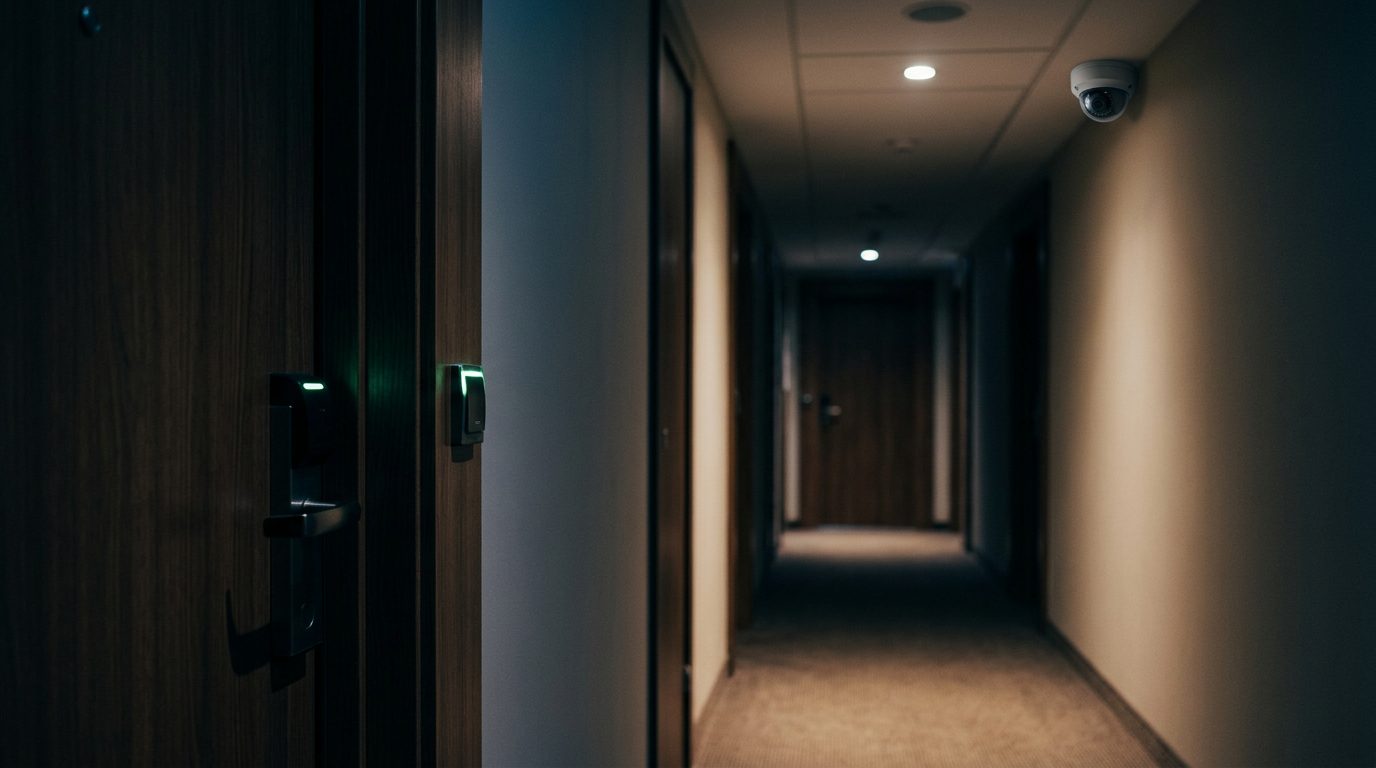
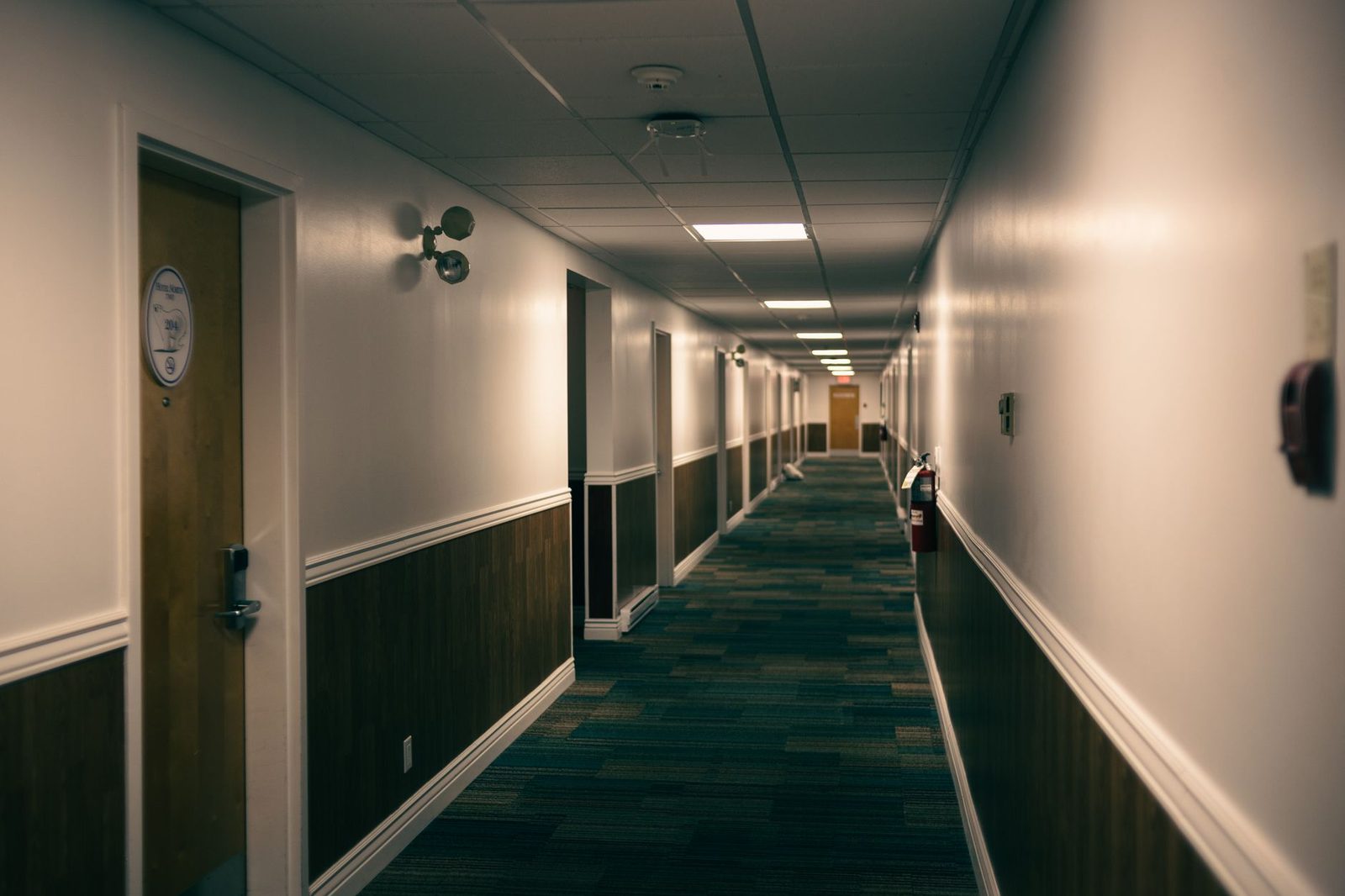
Apartment complexes and hotels are another common setting. Assaults can happen in common areas, stairwells, laundry rooms, and entrances that were left unsecured. A tenant or guest who was hurt may ask whether locks, cameras, or staffing were adequate.
Bars and nightclubs raise different issues. Fights and assaults can connect to door security, crowd control, and how staff responded to trouble that was already building. Staff who saw warning signs and did nothing may draw questions in a claim.
Courts may look at security measures such as lighting, locked access, cameras, staffing, and how a property responded to prior incidents. These are factors to examine. They are not a checklist that every property must meet. Our Albuquerque apartment and hotel guide, parking lot guide, and bar and nightclub door fight guide cover these settings in more depth.
What You Generally Need to Prove
A negligence claim generally needs a duty, a breach of that duty, causation, and damages. It says a claim requires a duty owed by the defendant to the plaintiff, a breach typically measured by reasonable care, and a breach that was a proximate cause and cause in fact of the damages.
The duty is the property’s obligation to use reasonable care for visitors. The breach is the failure to take reasonable security steps given the foreseeable risk. Causation asks whether the lack of security was connected to the harm.
Proximate cause has a specific meaning. It need not be the only cause, the last cause, or the nearest cause. The attacker’s act does not automatically end the inquiry.
These may include medical bills, lost income, and pain and suffering. Records help show them.
These are general elements. The facts of each case shape how they apply. Our four proofs of negligence page covers the general framework in more detail.
Not sure what your next step is?
Talk it through with our team — the first consultation is free, confidential, and carries no obligation.
Evidence That Matters and How the Criminal Case Fits In
Good evidence often starts with the police report. Other useful records include incident history at the property, security logs, staffing schedules, surveillance footage, and maintenance or lighting records. Each record can show what the property knew and what it did.
Photographs help too. Pictures taken soon after the attack can show broken gates, dark walkways, or missing cameras. Witness statements help build the timeline. Medical records document the injury and link it to the attack.
Keep every bill, receipt, and letter related to the injury. Write down what you remember while it is still fresh. These steps help our team review the case.
A criminal case against the attacker is a separate process. It focuses on the attacker’s conduct. A negligent security claim focuses on what the property did or failed to do. Each matter follows its own path. Time limits apply to civil claims, so early review helps protect evidence and records. Our guide on evidence for inadequate security assaults and our guide on the attacker’s criminal case and negligent security cover these points in more depth.
Injuries and Damages in Negligent Security Cases
Assaults and shootings can cause serious injuries. Some involve spinal cord injuries, burns, amputations, or other catastrophic injuries. These injuries often need long treatment and can change work and daily life. Our spinal cord injury, burn injury, and amputation pages describe those injuries in more detail.
Damages in these cases can include medical expenses, lost wages, and pain and suffering. Each category needs documentation.
A spouse or close family member may have a separate claim. The claim depends on a close relationship with the person who was hurt.
When an attack causes death, New Mexico law allows a claim for damages. Our wrongful death guide covers who may bring that action.
The value of any case turns on its facts, and results vary. No amount is predicted here.
How El Gringo Law Can Help
El Gringo Law represents people hurt in New Mexico. The firm serves clients in Santa Fe, Rio Rancho, Las Cruces, Bernalillo County, Sandoval County, Taos, and Farmington. Our team works with people whose lives changed after an attack on someone else’s property.
Josh Wood is the lawyer responsible for the content on this page. He is licensed in New Mexico and Arizona. Our team supports his work from the first contact. We help review the incident, the property’s history where it is available, and the records you already have.
Intake is where the work begins. We ask about the place, the time, and the people involved. We ask what security was visible and what happened before and after the attack. Those answers shape the next steps.
The first consultation is free, confidential, and carries no obligation to continue. It gives you a chance to talk through your situation with a lawyer before you decide anything.
Frequently Asked Questions About Negligent Security in New Mexico
Can a business be responsible if I was attacked on its property?
Possibly. The answer turns on whether the harm was foreseeable and what security was in place.
Does New Mexico reduce my recovery if I was partly at fault?
It can reduce your damages by your share of fault. How fault is assessed depends on the facts of each situation, and every case is different.
Can a security company be named in a claim?
The answer depends on the facts of each case.
What should I bring to a consultation?
Bring the police report number, photos, medical records, and any notices about past incidents you know about.

Talk With Josh Wood About Your Situation
If you were hurt in an attack in a parking lot, an apartment building, a hotel, or at a bar entrance, you may be asking whether the property should have stopped it. You do not have to sort that out alone. Reach out through the contact form or the chat on elgringolaw.com. Share the date, the location, and any records you have. Josh Wood and our team will review them with you.
How We Approach Your Case
Focused on injury cases
Our practice focuses on people hurt in car accidents, trucking accidents, premises liability, negligent security and other serious injury matters.
Careful review of the facts
We look at where and how the incident happened, what security was in place, and what the property owner knew or should have known.
Clear communication
Our team explains each step in plain language, so you know what to expect and can make informed decisions.
Respect for what you have been through
Assault and violence are traumatic. We handle every conversation with patience and discretion.
Protect Your Information Now
Write down what you remember while it is fresh, including the date, time, location, and names of anyone involved or who witnessed the incident. Keep any photos, medical records, police report numbers and messages. Sharing these details with a lawyer early helps us understand your situation.
Properties Where Negligent Security Claims Often Arise
Apartments and Housing Complexes
Residents and guests may be harmed when locks, lighting, gates or security patrols are inadequate for known risks.
Hotels and Motels
Guests may be harmed when a property fails to address repeated criminal activity or weak access controls.
Parking Lots and Garages
Poor lighting, broken gates and unmonitored spaces can create conditions where assaults occur.
Bars, Restaurants and Entertainment Venues
Venues that fail to supervise patrons, control entry or respond to threats may bear responsibility for resulting harm.