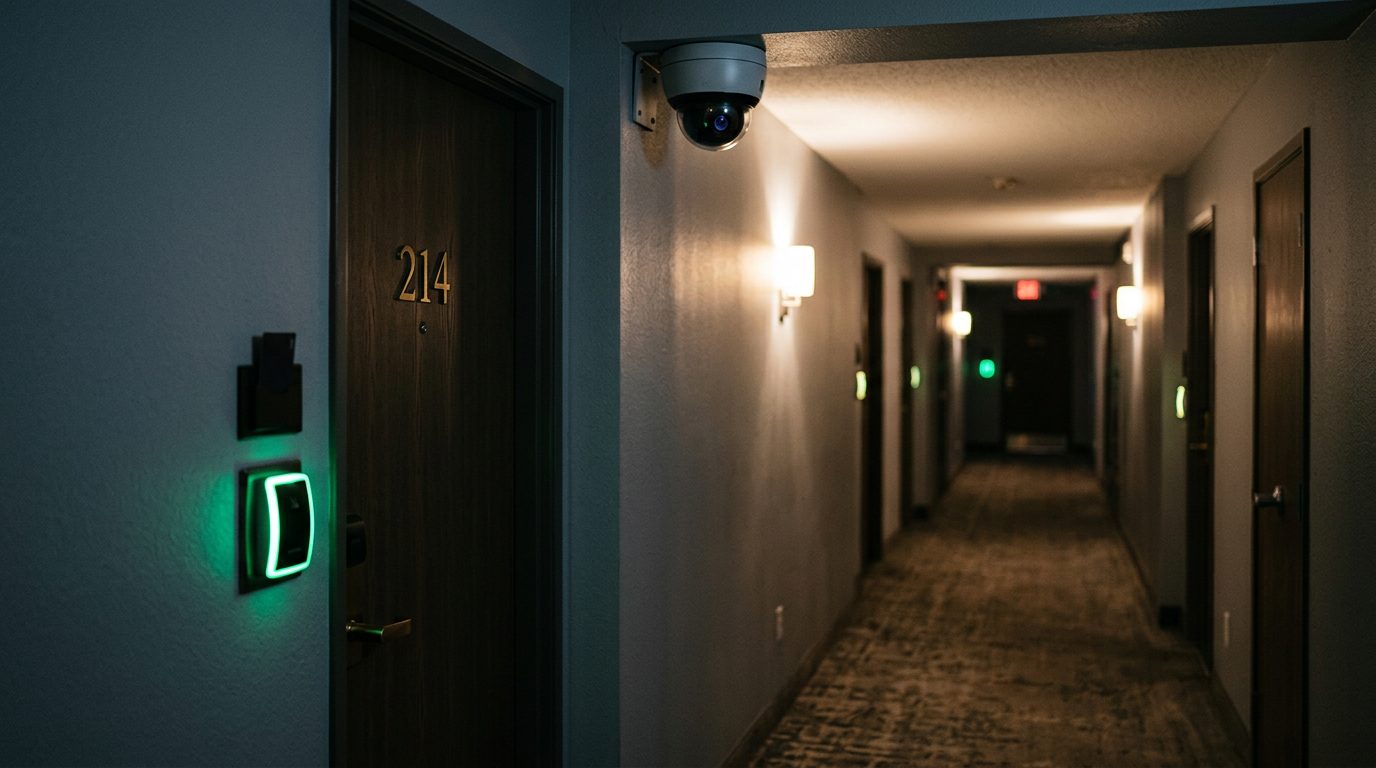
Negligent Security | Bernalillo County, New Mexico
Hurt in an Assault on Someone Else's Property? We Can Look at What Went Wrong.
El Gringo Law represents people injured in negligent security cases in Bernalillo County and across New Mexico. Start with a free, confidential first consultation, with no obligation to continue.
By Josh Wood · Published October 25, 2026
In New Mexico, that kind of claim is often called negligent security. This guide explains how negligent security Bernalillo County claims work, what evidence to keep, and how to reach El Gringo Law.
What Negligent Security Means for Bernalillo County Residents
Negligent security is a claim that a property owner or manager failed to take reasonable steps to protect people from foreseeable crimes committed by others.
The claim looks at what the owner knew and did on its property, not only at the person who committed the crime. Lawyers often treat it as a type of premises liability, which covers injuries caused by unsafe conditions on property.
Each negligent security case turns on its own facts. Bernalillo County includes Albuquerque and nearby unincorporated areas.
Injuries can happen to guests, tenants, customers, and visitors on someone else’s property. A family may have one when a loved one dies in a violent incident on the property.
The central question is simple to state. What did the owner know, what could it reasonably have done, and what did it actually do?
If you were hurt, or lost someone, in a crime on a Bernalillo County property, you may have a claim, and El Gringo Law is ready to talk it through with you. Talk it through with our team — the first consultation is free, confidential, and carries no obligation.
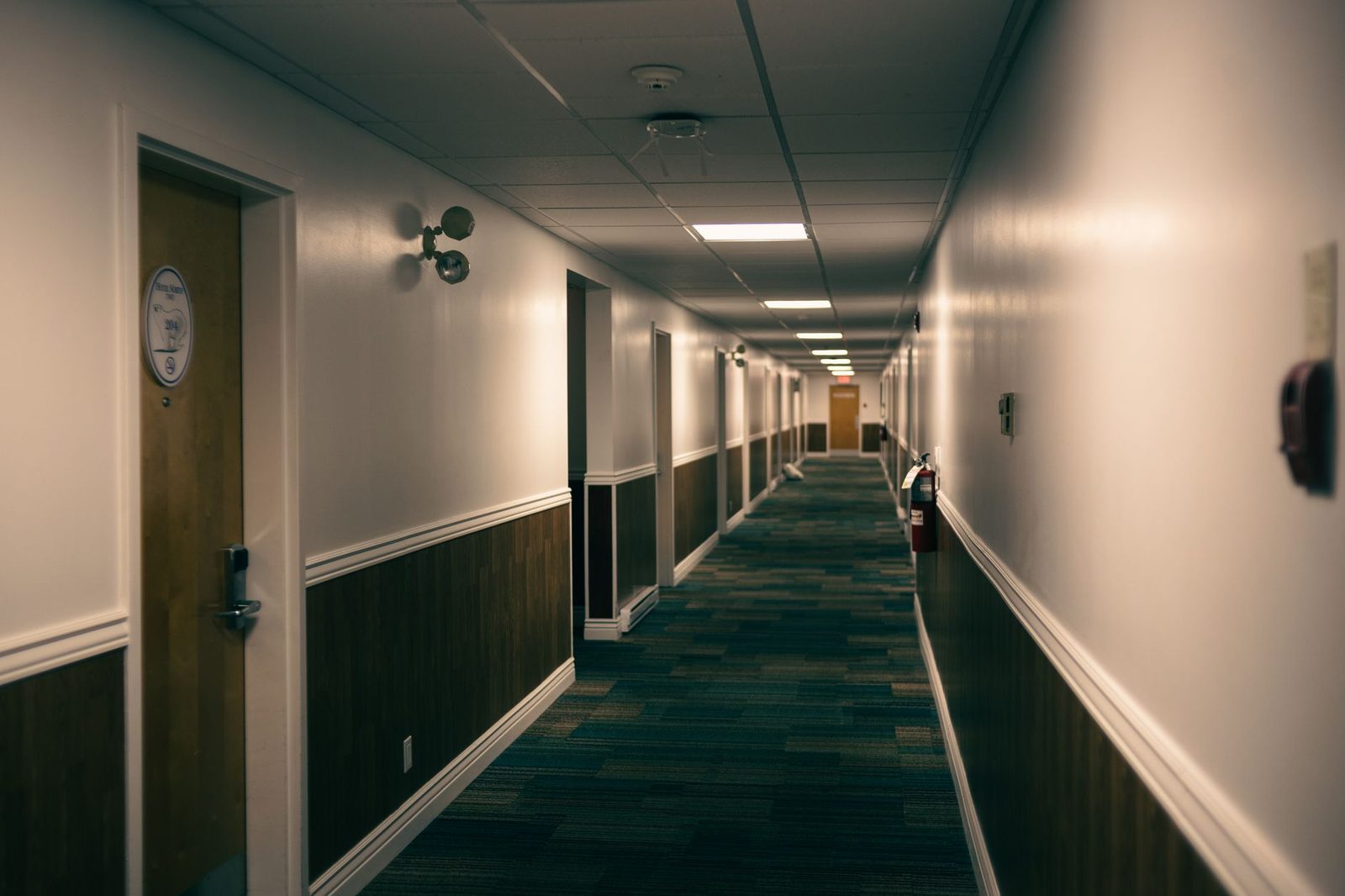
When a Property Owner May Be Responsible in New Mexico
A property owner may be responsible when a third party’s crime was foreseeable and the owner did not use ordinary care to guard against it.
New Mexico’s standard jury instruction on third-party conduct says an owner must use ordinary care to protect a visitor from harm caused by the foreseeable conduct of others, including criminal conduct. UJI 13-1320 NMRA
The same commentary explains that the owner’s failure to protect visitors may be compared with the third party’s conduct under New Mexico’s comparative fault system.
Ford v. Board of County Commissioners
A negligence claim generally needs a duty, a breach of that duty, and a breach that was a proximate cause of the harm. Herrera v. Quality Pontiac
Foreseeability often turns on facts. Prior similar crimes, repeated complaints, and known problems near the property are commonly examined. Owners also face questions about lighting, locks and gates, cameras, patrols or guards, and how they responded to reports.
New Mexico’s several liability statute generally limits each defendant to its own share of fault, unless an exception applies. Under NMSA § 41-3A-1, in any cause of action to which the doctrine of comparative fault applies, the doctrine imposing joint and several liability upon two or more wrongdoers whose conduct proximately caused an injury to any plaintiff is abolished except as otherwise provided hereafter. Each case turns on its own facts, and the same incident can look different depending on what the owner knew and did.
Common Settings for Negligent Security Claims in Albuquerque
Negligent security claims often arise where many people come and go and the owner controls security. Apartment complexes, parking lots and garages, bars and nightlife venues, hotels and motels, and retail or office properties are common examples.
The owner’s control over the space helps decide what security it could reasonably provide.
Dark parking areas, broken gates, and doors that do not lock can matter. So can repeated reports of trouble that the owner received and did not act on. These facts help show what the owner knew.
Two mistakes can hurt a claim. Some people assume a crime on private property leaves no one responsible. Others wait until footage or witness memories are gone.
A police report usually does not show what the owner knew about the property before the incident. That is why your own records matter.
Evidence to Start Preserving After a Violent Incident
The most useful evidence is often your medical records, the police report number, and dated photos of the place where the incident happened. Start as soon as it is safe.
- Medical records and a list of every provider who treated the injury, with dates of care.
- Report numbers, any written statements, and the names and contact details of witnesses.
- Photos of the location, lighting, locks, gates, and signage.
- Written requests to the owner or manager to keep camera footage, security logs, and maintenance and complaint records. Video systems may record over older footage, so send this early.
- A dated list of prior complaints or incidents you know about at the property.
Write a short timeline while your memory is fresh. Include the date, the time, the exact place, who was there, and what happened next.
Time Limits and Why Early Action Matters
New Mexico’s Section 37-1-8 of the state statutes provides that actions for an injury to the person or reputation of any person must be brought within three years. Other rules and exceptions can apply, so early review helps.
Wrongful death has its own timing. The action must be brought within three years after the cause of action accrues, and it accrues on the date of death (NMSA 1978, § 41-2-2 — three years from the date of death). NMSA 1978, § 41-2-2
New Mexico’s Section 41-2-1 of the state statutes provides that when a person’s death is caused by the wrongful act, neglect or default of another, and that act, neglect or default would have entitled the injured party to maintain an action and recover damages if death had not ensued, the person or corporation that would have been liable is liable to an action for damages, notwithstanding the death of the person injured.
Evidence can fade. Video gets overwritten, witnesses move, and records get lost. Early review protects what is still available. You do not need every document before you call.
Talk With El Gringo Law About Your Bernalillo County Incident
El Gringo Law offers a free, confidential initial consultation, with no obligation to continue.
Josh Wood is the responsible lawyer for this page. He is licensed in New Mexico and Arizona. Our team handles intake and case support.
The phone number on this site, the contact form, and the chat all lead to the same consultation. Choose the option that fits your day.
If you were hurt, or lost someone, in a crime on a Bernalillo County property and you’re weighing a negligent security claim, reach out to El Gringo Law today.
Common questions
Can a property owner be responsible for an assault on its property in New Mexico?
A property owner may be responsible when it fails to use ordinary care against a foreseeable crime by someone else.
How long do I have to file?
For a personal injury, New Mexico generally allows three years. A wrongful death claim generally has three years from the date of death (NMSA 1978, § 41-2-2 — three years from the date of death).
Do I need every document before I call?
No. A conversation can help you decide what to gather first.
Why Start With El Gringo Law
Free first consultation
Your initial consultation is free, confidential and comes with no obligation to continue.
Focus on injury claims
Our lawyers focus on personal injury matters, including negligent security, car accidents, premises liability and wrongful death.
A team that keeps you informed
Our team answers your questions in plain language and explains what each step of your case involves.
Ways to reach us
Call us, send a contact form or start a chat. Choose whichever is easiest for you.
Keep What You Can
If you are able, write down what you remember about the incident and keep any photos, incident reports, texts or medical records you have. Sharing these with us helps us understand what happened.
Situations We Hear About
Assaults on commercial property
Injuries suffered during an attack or robbery at a store, restaurant, bar or hotel.
Apartments and residential buildings
Harm caused by a crime in a building's common areas, hallways, stairwells or parking garages.
Parking lots and garages
Assaults or other violent crimes on poorly lit or unmonitored parking areas.
Other properties open to the public
Crimes that happen on property where the owner or manager controls security.