Negligent Security | Sandoval County
Hurt in a Crime on Someone Else's Property? Talk to a Sandoval County Negligent Security Lawyer
El Gringo Law represents people injured when inadequate security turned a foreseeable crime into a personal injury. Start with a free, confidential consultation, with no obligation to continue.
By Josh Wood · Published October 25, 2026
If you are researching negligent security Sandoval County cases, here is the short answer. A property owner can be responsible when a visitor or tenant is hurt by a crime on its property. The key question is whether the owner failed to take reasonable steps against a danger it should have seen coming. This guide explains how these claims work, what they must show, the deadlines that apply in New Mexico, and what to keep after an incident.
What Is Negligent Security?
Negligent security is a type of premises liability claim. Premises liability is the broader idea that owners must keep visitors reasonably safe on their land.
In most of these cases, the injury comes from an attacker, not from the building itself. A broken stair is a different kind of problem. Here, the question is what the owner knew or should have known, and what it did about the risk.
New Mexico’s jury instruction commentary states the rule plainly. A landowner has a duty to use ordinary care to protect a visitor against injury from the acts of a third person where the risk is foreseeable, whether that conduct is innocent, negligent, intentionally tortious, or criminal.
Parking lots and garages matter here too. A person can be attacked while walking to a car after dark. The focus stays on security and what the owner did or failed to do, not on the vehicle itself.
If you or a family member was hurt in an assault on a Sandoval County property, our team can talk through what happened and what it may mean for you. Talk it through with our team — the first consultation is free, confidential, and carries no obligation.

What a Negligent Security Claim Has to Show
As explained in Herrera v. Quality Pontiac, a negligence claim generally requires a duty owed by a defendant to a plaintiff, a breach of that duty (typically based upon a standard of reasonable care), and the breach being both a proximate cause and a cause in fact of the plaintiff’s damages. The breach is typically measured by reasonable care. It must also be a proximate cause and cause in fact of the damages.
Duty depends on the relationship between the person and the property. Under New Mexico law, a property owner owes a uniform duty of ordinary care to visitors, including paying customers and guests, rather than separate duties based on the visitor’s category. For visitors, the owner must use ordinary care to keep the premises safe for use. UJI 13-1309 sets out that standard for visitors.
Causation is often the hardest link to explain. A proximate cause is one that, in a natural and continuous sequence, produces the injury. The attacker’s act is not the end of the analysis. Under New Mexico’s comparative fault approach, the owner’s failure to guard against foreseeable harm may be weighed against the attacker’s conduct, according to the UJI 13-1320 commentary.
Foreseeability is central. Whether a crime was foreseeable depends on the facts of each property and each incident.
Which Sandoval County Properties and Owners Are Commonly Involved?
Claims often involve places where many people come and go. Examples include apartment complexes, retail centers, hotels, and parking areas. Each setting raises different security questions, such as lighting, access control, and patrols. A shared hallway, a stairwell, or a parking structure may raise questions that a single unit does not.
Responsibility is not always limited to the building’s owner. A property management company or another party that controls security may be part of the review. Ownership records, lease terms, and management contracts help show who had control over the safety measures in place.
Public property follows different rules. Under New Mexico’s Tort Claims Act, immunity does not apply to bodily injury caused by the negligence of a public employee while acting within the scope of their duties in the operation or maintenance of any building, public park, machinery, equipment or furnishings, as described in NMSA 1978, § 41-4-6. Claims against public owners also have strict notice rules, covered below.
How Foreseeability and Prior Incidents Are Evaluated
Prior incidents are a common starting point for judging foreseeability. Earlier assaults, robberies, or police calls on or near the property can show that a danger was known. Complaints from tenants or customers can matter too.
Incident logs, call records, and security reports are often the first records to review. They show what happened and when. They also show how the owner responded to the danger.
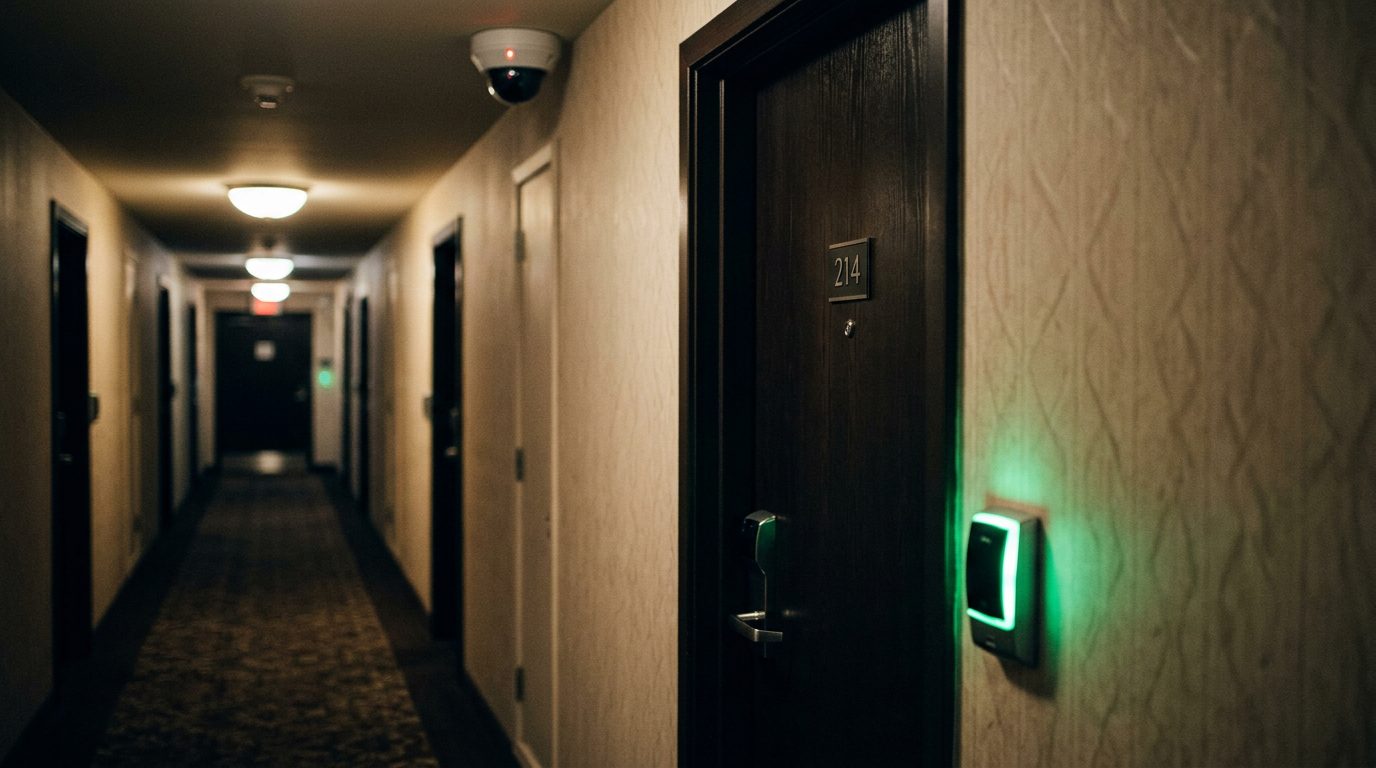
Courts and claimants also look at security measures. Relevant items include lighting, locks, gate and door control, camera coverage, patrols, and how quickly broken equipment was repaired. A broken gate that stayed broken for weeks raises different questions than one fixed the same day.
Public data adds context. Records from one specific property still matter most.
Negligent Security Versus Negligent Entrustment
Negligent security is about failing to protect people from crime. Negligent entrustment is about giving a dangerous item or vehicle to someone who should not have it. The two are different legal theories.
New Mexico’s elements for negligent entrustment are specific. The owner must have entrusted its vehicle to the driver. It must have known or should have known the driver was incompetent. And that incompetence must have caused the injury.
Security staff add another layer. For negligent hiring or retention, New Mexico uses a “knew or should have known” standard, as F & T Co. v. Woods explains. That standard looks at what the employer should have known, not only what it actually knew.
The two theories can arise in the same incident, so the facts need to be reviewed as a whole. How strong a claim looks turns on the records and witnesses available. Early review of those records is usually the first practical step.
Filing Deadlines in New Mexico
New Mexico sets a three-year deadline for injury to a person. It sets a four-year deadline for injury to property.
NMSA § 37-1-8 provides that actions for an injury to the person or reputation of any person must be brought within three years. Under NMSA § 37-1-4, actions for injuries to property must be brought within four years.
Personal injury and property damage are separate claims. A damaged phone or vehicle is a property claim. Injuries to the body are personal injury claims. Each can run on its own timeline.
Claims against a government owner follow shorter rules. Under NMSA § 41-4-15, actions against a governmental entity or a public employee for torts must be commenced within two years after the date of occurrence resulting in loss, injury or death, except that a minor under the full age of seven years has until his ninth birthday to file. Under NMSA § 41-4-16, a written notice stating the time, place and circumstances of the loss or injury must be presented within ninety days after an occurrence giving rise to a claim for which immunity has been waived under the Tort Claims Act, unless the governmental entity had actual notice of the occurrence. The notice goes to the risk management division for claims against the state, the mayor for claims against a municipality, the superintendent for claims against a school district, the county clerk for claims against a county, or the administrative head of any other local public body for claims against that body. The ninety days do not include time, up to ninety days, when the injured person is incapacitated by the injury from giving notice.
Start dates and exceptions turn on the facts of your case. Waiting can cost you options, so review deadlines early.
Not sure what your next step is?
Talk it through with our team — the first consultation is free, confidential, and carries no obligation.
Evidence Worth Preserving After an Incident
The most useful evidence is what you can document quickly. Start with the police report number, photos of the scene, and the names and contact details of witnesses.
Photos should show lighting, locks, gates, cameras, and any posted signs. Save texts, emails, and letters exchanged with the owner or manager. Do not delete messages, posts, or online comments about the incident.
Keep medical records and bills. They document the injury and how it has progressed over time. Keep damaged clothing or items too, if you still have them.
Records such as maintenance requests and security contracts are often held by the owner. A lawyer can help request them. New Mexico also recognizes liability for intentional spoliation of evidence, which means destroying or hiding evidence on purpose.
Talk With Josh Wood About Your Sandoval County Incident
Josh Wood is the responsible lawyer for this page. He is licensed in New Mexico and Arizona. You can reach El Gringo Law through its contact page.
Our first consultation is free, confidential, and comes with no obligation to continue.
You can call the firm, submit the contact form, or start a chat on the website. Each option is a direct way to talk with our team about the facts of your incident.
Our team can listen to what happened, go over the records you have, and discuss the deadlines that may apply to your situation.
If you or a family member was hurt in an assault or robbery on a Sandoval County property, and you are deciding whether to act now, reach out to Josh Wood and our team today.

Related Reading From El Gringo Law
El Gringo Law also writes about premises liability and negligent security in other New Mexico communities. Other pages cover New Mexico injury deadlines and assault claims tied to apartment complexes. Those pages answer related questions in more detail.
Can a property owner be liable for a crime by someone else?
A property owner may be liable when a crime was foreseeable and the owner failed to take reasonable protective steps. New Mexico’s jury instruction describes that duty.
How long do I have to file in New Mexico?
For an injury to the person or reputation of any person, the time limit under NMSA § 37-1-8 is three years. Property injury claims generally have a four-year period.
What if the property is government-owned?
Written notice stating the time, place and circumstances of the loss or injury may be required within ninety days under NMSA § 41-4-16.
What should I keep after an assault on someone else’s property?
Keep the police report number, photos, witness names, medical records, and all messages with the owner or manager.
Why Start With El Gringo Law
Free, confidential first consultation
Your first consultation is free, confidential, and carries no obligation to continue.
Focused on personal injury
The firm's work centers on injury cases, including negligent security claims in New Mexico.
Support from our team
Our team answers your questions and keeps you informed about the steps ahead.
Reach us your way
Call, send a contact form, or start a chat. You choose how you want to begin.
Act Early to Protect Evidence
Security camera footage, incident reports, and witness contact information may be overwritten or lost over time. If you were hurt in a crime on a property, tell us as soon as you can so we can help identify what should be preserved.
Who Negligent Security Cases Can Involve
Apartment complexes
Injuries in common areas, parking lots, stairwells, and gated entries where security measures were lacking.
Hotels and motels
Assaults and robberies on guests when reasonable protections were missing or poorly maintained.
Retail and commercial properties
Attacks in parking areas, entrances, and interior spaces open to the public.
Families of victims
When a crime causes a death, the family may have questions about wrongful death claims. We can talk through them with you.