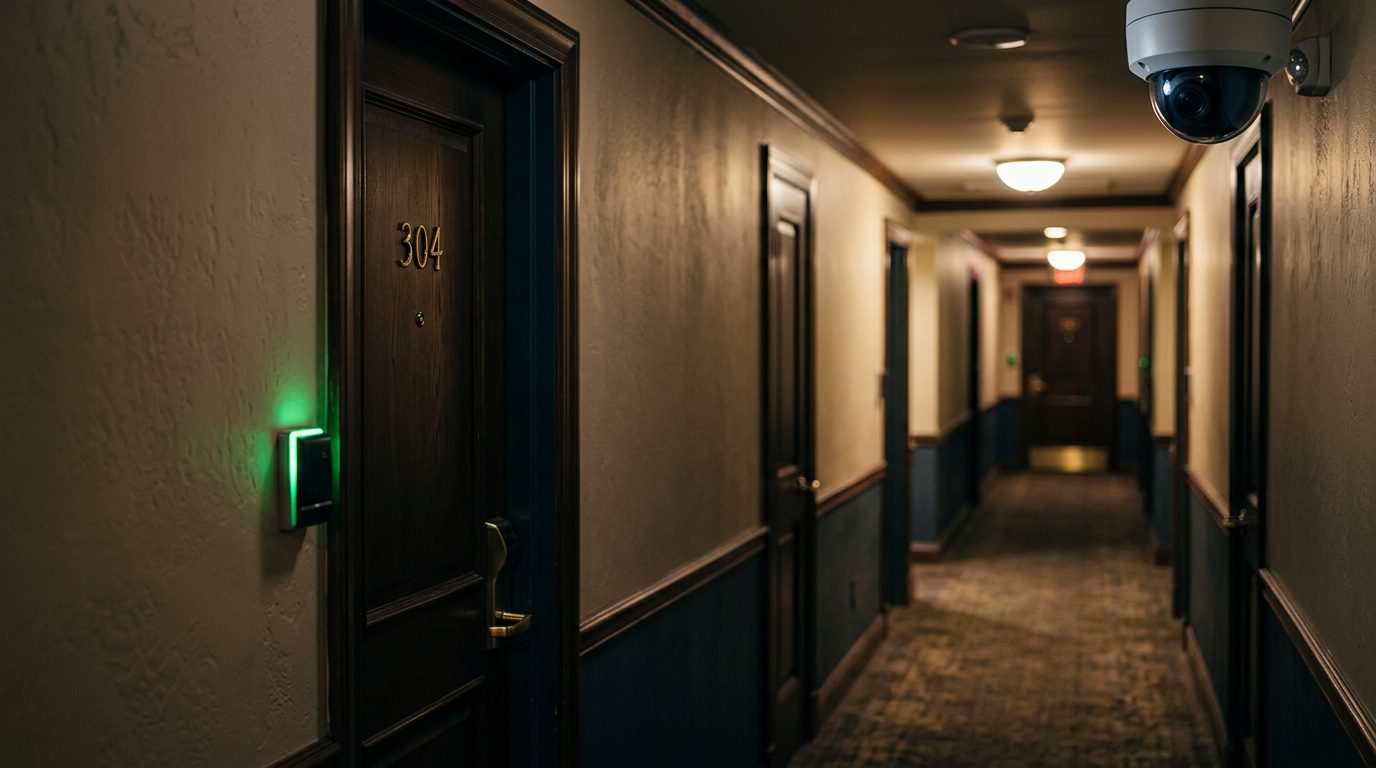
Negligent Security · Santa Fe
Hurt in a Crime on Someone Else's Property?
When a property owner or manager fails to use ordinary care to protect visitors from a foreseeable crime, the injured person may have a claim. El Gringo Law can review what happened at no cost and with no obligation to continue.
By Josh Wood · Published October 25, 2026
Negligent Security Santa Fe: When a Property Owner May Be Responsible
Negligent security is a claim that a property owner or manager failed to take reasonable steps to protect people from crime, and that failure helped cause the injury. If you were hurt in Santa Fe during an assault, robbery, or shooting on someone else’s property, this question may matter to you. This page explains how the idea works under New Mexico law and what to do next.
If you were hurt in Santa Fe on property where someone else's crime caused your injury, reach out to us and we can talk through whether the owner or manager may be responsible. Talk it through with our team — the first consultation is free, confidential, and carries no obligation.
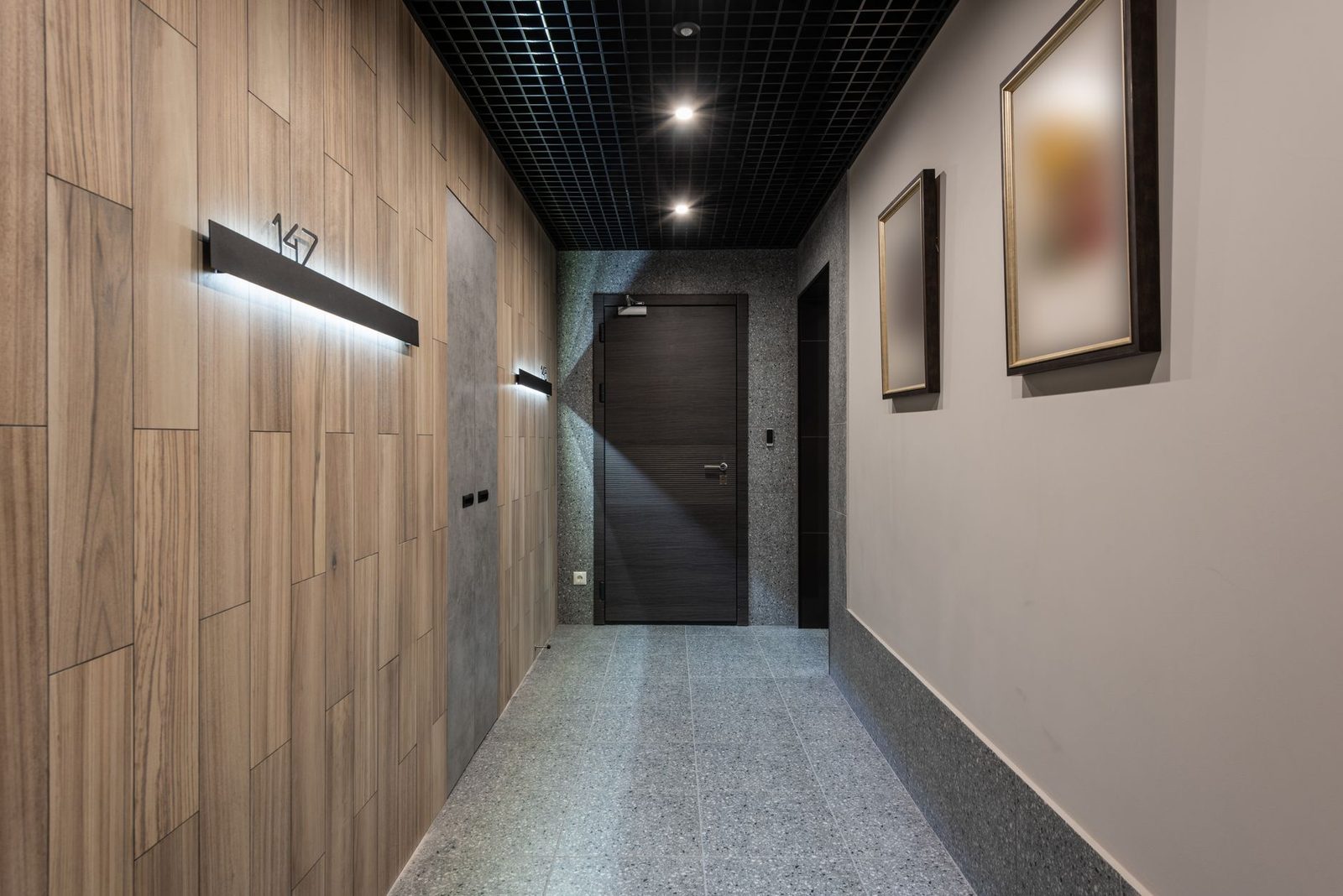
What Negligent Security Means in Santa Fe
A negligent security claim is a premises claim built on ordinary care. New Mexico’s uniform jury instructions say a landowner must use ordinary care to protect a visitor from harm caused by the acts of a third person, where the risk that a third person will injure a visitor is foreseeable (UJI 13-1320 on landowner duty). The attacker is the third party. The claim looks at the owner or manager who controlled the space.
Protective steps depend on the property. Lighting, working locks, functioning cameras, security patrols, and controlled entry points are common examples. What counts as reasonable depends on the type of property and the risks it faces.
Santa Fe has many places where people gather and move through. Apartment complexes, hotels, parking lots, shopping centers, and entertainment venues can all raise these questions. A dark parking garage raises different issues than a hotel lobby with staff on duty. Each place needs its own review.
Who May Be Liable for Negligent Security
Responsibility usually falls on whoever controlled the area where the injury happened. That can be an owner, landlord, property manager, business operator, or contracted security company.
Owners and landlords often control common areas such as parking lots, stairwells, entrances, and hallways. A property manager may set or carry out security policies for the whole site. A business that invites the public in owes care to the people it invites.
Security companies raise a separate question. New Mexico recognizes negligent hiring, retention, and supervision. An employer owes a direct duty to the public it might reasonably expect to be placed at risk because of how it hired or supervised an employee (Spencer v. Health Force, Inc.). Liability turns on who ran the space and what they knew about the risk.
How New Mexico Negligence Law Applies to These Claims
A negligence claim in New Mexico generally needs a duty, a breach of that duty, and a cause that produced the injury (Herrera v. Quality Pontiac). A proximate cause is one that, in a natural and continuous sequence, produces the injury. It does not have to be the only cause.
Fault can be shared. Where the case involves no apportionment of negligence among defendants or non-parties, the total damages are reduced by the plaintiff’s own percentage of negligence (UJI 13-2218). New Mexico adopted this system in Scott v. Rizzo. Under NMSA § 41-3A-1, where comparative fault applies, the liability of each defendant is several, so each defendant is liable only for its share of the total fault, with statutory exceptions.
Time limits matter. New Mexico law requires an action for an injury to the person or reputation of any person to be brought within three years (NMSA § 37-1-8). Waiting can cost you a claim, so don’t wait to ask questions.
Criminal Charges Versus a Civil Negligent Security Claim
A criminal case and a civil claim are separate, and one does not decide the other. The criminal case asks whether the attacker committed a crime and what punishment follows. Prosecutors and courts run that process.
A civil negligent security claim asks a different question. It asks whether a responsible party should compensate the injured person for losses caused by a failure to use reasonable care. The civil claim does not depend on an arrest or a conviction.
You may have questions about both tracks at once. Bring any police report number and case details to your consultation. That helps a lawyer review how the two tracks may affect each other.
What a Negligent Security Claim May Include
A claim may seek compensation for losses the injury caused, such as medical bills, lost income, and pain and suffering. The value of a claim depends on the facts. Injury severity, documented costs, and the strength of the liability evidence all matter.
Two attacks can look alike and still lead to very different claims. The injury, the property’s control over the area, and the proof of a security failure all change the picture.
In a wrongful death case, the action is brought by the personal representative of the deceased person (NMSA 1978 § 41-2-3). A close family member may also have a loss of consortium claim.
Every case is different, and the outcome of one case does not predict another.
Not sure what your next step is?
Talk it through with our team — the first consultation is free, confidential, and carries no obligation.
Evidence to Preserve After an Attack in Santa Fe
Start with the police report number and basic incident details. Write down the date, time, and exact location while your memory is fresh.
Photograph the scene. Capture lighting, broken locks or gates, blocked or missing cameras, and any security signs. Take new photos if conditions change.
Ask the property owner or manager for an incident report. Write down who you spoke with, when, and what they said.
List witnesses, including employees, tenants, and nearby business workers. Ask whether surveillance footage exists and how long it may be kept, since footage can be overwritten.
Keep medical records, bills, and proof of missed work. Start a simple daily journal of symptoms and the activities you can no longer do.
Serious Injuries and Wrongful Death in Negligent Security Cases
Serious attacks can cause catastrophic injuries, spinal cord injuries, amputations, and burn injuries. These injuries often need long-term medical planning, and that planning shapes the claim. Early review of medical and financial needs helps.
Sexual assault on a premises can also support a negligent security claim. Survivors decide when and how to take action. Time limits may still apply, so the timing question is worth reviewing early.
When a fatal attack happens on property with inadequate security, the family may have a wrongful death claim. Under NMSA 1978 § 41-2-2, that action must be brought within three years from the date of death (NMSA 1978, § 41-2-2 — three years from the date of death). Family members should review this deadline early.
Causes and responsible parties can be complex. An early look at the facts helps sort them out.
Talk With El Gringo Law About Your Santa Fe Incident
Your first consultation is free, confidential, and comes with no obligation to continue.
Bring what you have: the date and location, any police report number, medical information, photos, and the names of the property owner or security company if you know them.
Josh Wood, a lawyer licensed in New Mexico and Arizona, is responsible for the content of this page. You can reach the firm through the contact form.
Frequently asked questions
What is negligent security?
It is a claim that a property owner or manager failed to use ordinary care to protect visitors from a foreseeable crime, and that failure helped cause the injury.
How long do I have to file in New Mexico?
For an injury to the person or reputation of any person, actions must be brought within three years, while actions against sureties on official bonds and on bonds of guardians, conservators, personal representatives and persons acting in a fiduciary capacity must be brought within two years after the liability is finally established by a judgment or decree of the court (NMSA § 37-1-8). Wrongful death claims generally have three years from the date of death (NMSA 1978 § 41-2-2).
Do people go to jail for negligence?
Criminal charges are decided by prosecutors and courts. A civil claim for compensation is a separate matter.
How much is a negligence claim worth?
The amount turns on injury severity, documented costs, and how strong the liability evidence is.
Can I be partly at fault?
Yes. Where there is no apportionment of negligence among defendants or non-parties, the damages you are awarded are reduced by your percentage of negligence under the comparative negligence instruction (UJI 13-2218).
If you were hurt on property in Santa Fe and you’re deciding whether to act now, reach out to us today. We can talk through whether the owner or manager may be responsible.
Why Start With a Confidential Conversation
Focused on Injury Claims
El Gringo Law focuses on personal injury matters, including negligent security claims arising from crimes on commercial and residential property.
Free First Consultation
Your initial consultation is free, confidential, and carries no obligation to continue. It is a chance to ask questions and understand your options.
Reach Us Your Way
Call the firm, send a contact form, or start a chat. Our team will respond to your request and walk you through next steps.
Serving Santa Fe and Nearby Communities
We work with people in Santa Fe and across New Mexico, including Bernalillo County, Sandoval County, Rio Rancho, Las Cruces, Taos, and Farmington.
Act Quickly to Protect Evidence
Security video is often kept for a limited period, and witnesses move on. Writing down what you remember, saving medical and police records, and keeping any photos can help preserve important details for your case.
Details a Negligent Security Review May Look At
Prior Incidents
Records of earlier crimes or complaints on the same property can help show whether a risk was foreseeable.
Lighting, Locks, and Access
Dim parking lots, broken gates, unlocked doors, and open entry points are examples of conditions that may be reviewed.
Security Staffing and Policies
Whether guards, cameras, or security procedures were in place and maintained is often part of the review.
Medical and Financial Impact
Medical records, bills, and documentation of lost work or daily life changes help show the effect of the injury.