Negligent Security · Albuquerque & Bernalillo County
Hurt in a Place That Should Have Been Safer? Talk With Our Albuquerque Team
El Gringo Law represents people injured in assaults and other crimes on property where reasonable security was missing. Our lawyers and support staff are ready to listen to what happened and explain your options in a free, confidential first consultation with no obligation to continue.
By Josh Wood · Published October 26, 2026
A negligent security claim asks whether a property owner failed to take reasonable steps against a crime it should have foreseen. If an attack on someone else’s property hurt you, or took a family member’s life in Albuquerque, this page explains how these claims work in New Mexico.
What a Negligent Security Claim Is and Who It Helps
A negligent security claim holds a property owner responsible when a foreseeable crime on its property was not met with reasonable protection. New Mexico landowners must use ordinary care to protect visitors from harm caused by a third party’s foreseeable conduct, including criminal conduct (UJI 13-1320 commentary). Under New Mexico’s comparative fault system, the owner’s negligent failure can be compared to the attacker’s conduct. The owner’s failure must also be a proximate cause of the harm, which need not be the only cause (Herrera v. Quality Pontiac).
This claim can help visitors, guests, tenants, and family members after a fatal attack. If you’re weighing whether an assault or shooting on someone’s property fits, we can review the facts with you.
If an attack on someone else's property hurt you or took someone you love, you may have a claim, and our team can review it with you. Talk it through with our team — the first consultation is free, confidential, and carries no obligation.
Where Negligent Security Problems Happen in Albuquerque
Negligent security problems tend to appear where many people come and go and some security is expected. Each property’s facts shape how its claim is judged. Common settings include:
- Apartment complexes: gates or entry doors that don’t lock, broken access controls, or earlier break-ins that went unaddressed.
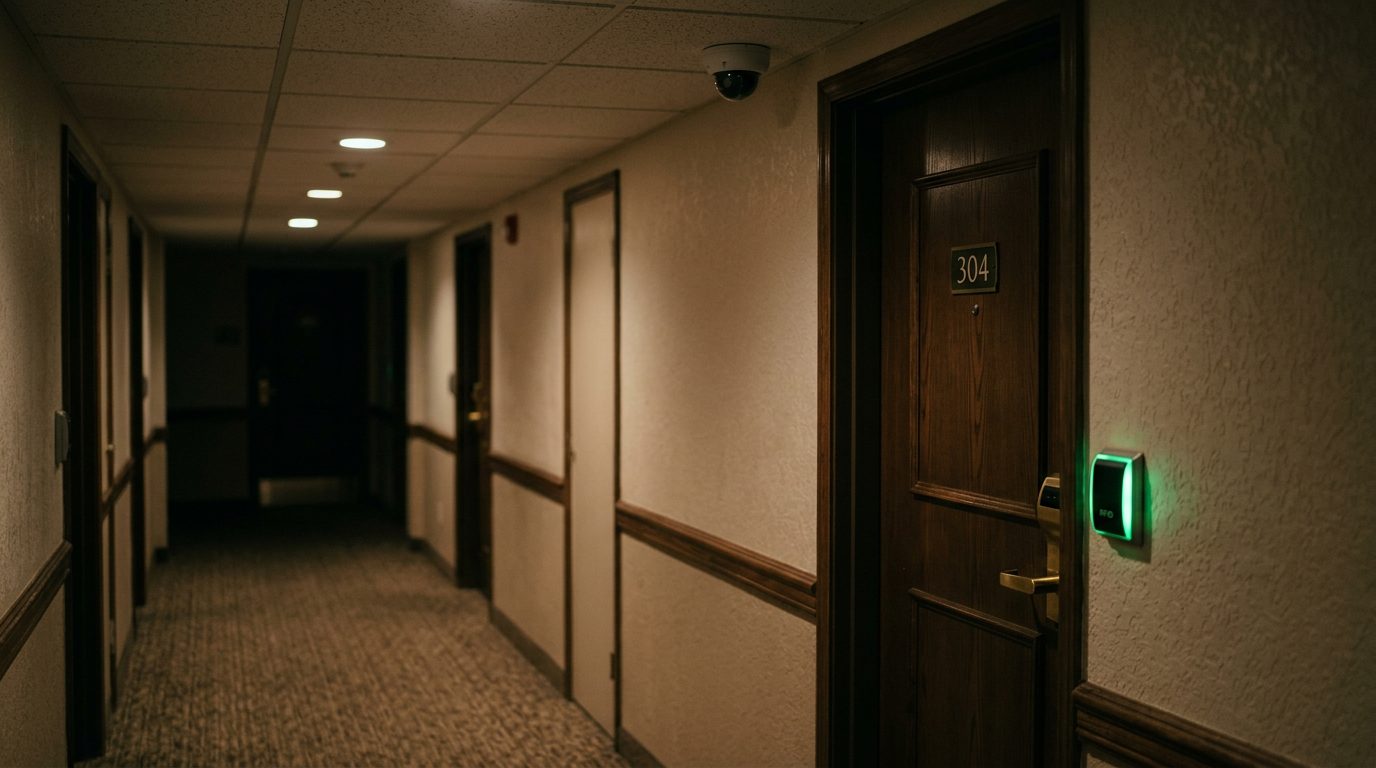
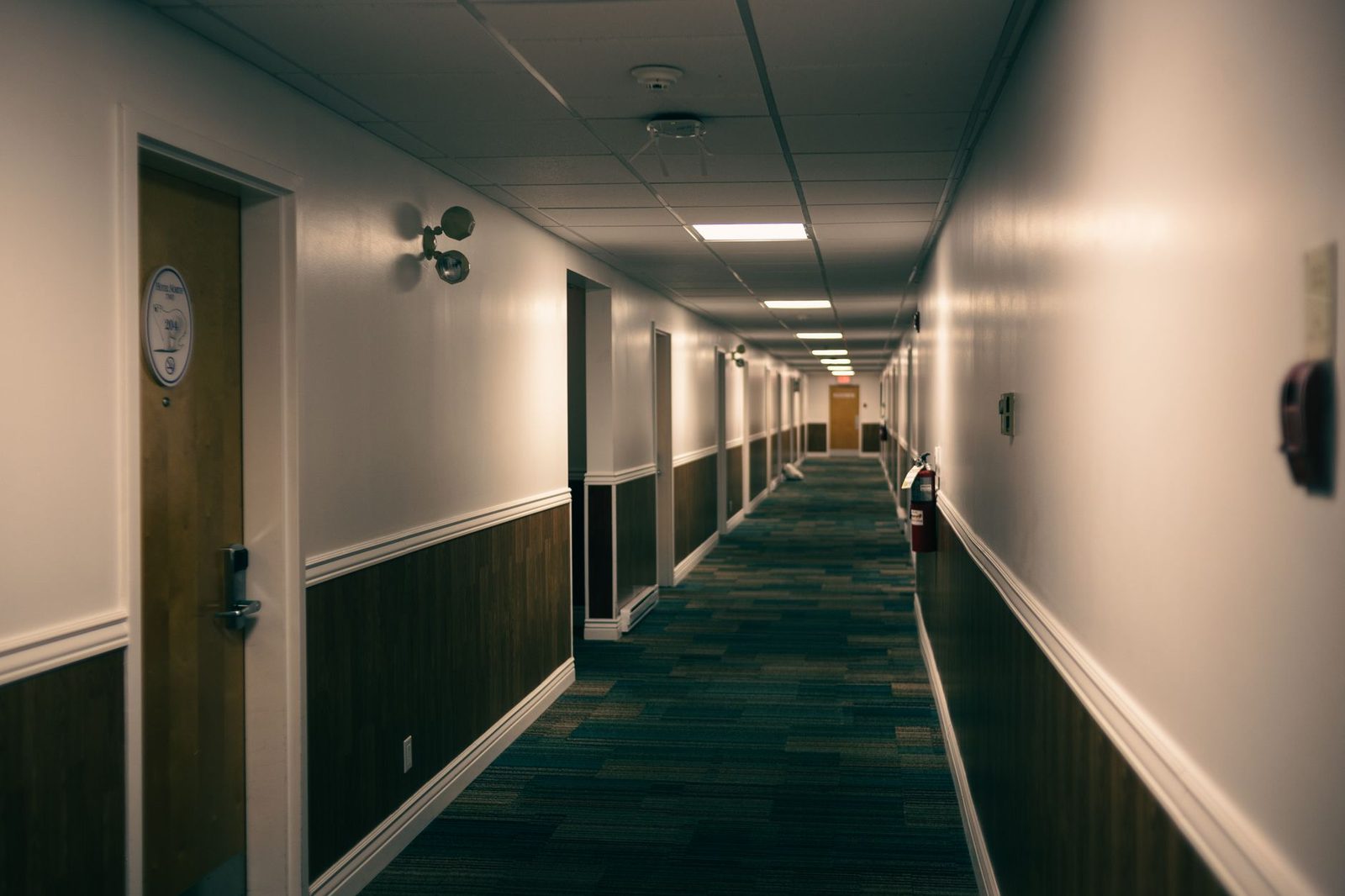
- Hotels and motels: missing or broken cameras, dark walkways, or entrances that aren’t controlled.
- Parking lots and parking structures: poor lighting, blocked sightlines, or repeated crime reports with no added patrols.
- Retail and commercial properties: prior incidents that were documented but never addressed.
The owner’s knowledge of earlier crime and the precautions it chose both matter. The Bureau of Justice Statistics’ National Crime Victimization Survey publishes federal data on assault, robbery, and sexual assault, including where those crimes occur. Claims against a city, county, or other public owner can follow different rules, so raise that question early.
What a Negligent Security Case Can Include
A negligent security case can seek compensation for the losses the injury caused. After a fatal attack, the case can also address losses suffered by the family. Common categories include:
- Medical costs for emergency care, surgery, rehabilitation, and ongoing treatment.
- Lost wages and reduced ability to earn in the future.
- Pain and suffering, where the facts support them.
- Catastrophic injuries, spinal cord injuries, burn injuries, and amputations, which often need long-term medical and daily-living planning.
- Sexual assault claims on a property where security failures are alleged, handled with privacy and care.
Medical and employment records from the start help show each loss clearly.
How a Negligent Security Claim Moves Forward
A claim usually moves from consultation to evidence, a demand, and then negotiation or a lawsuit. Here is the typical path:
- Consultation: We review what happened, where, and the treatment that followed.
- Evidence: We ask for and preserve incident reports, video, security and maintenance records, prior crime reports, and witness names.
- Investigation: We look at the property’s security measures and its history of prior incidents.
- Documentation: Medical records and financial losses are gathered in one file.
- Demand: The claim is presented to the owner, manager, or insurer.
- Resolution: The case moves to negotiation, or to a lawsuit with discovery and trial preparation if needed.
Video is often recorded over on a set schedule, so early requests matter. Under New Mexico Statutes § 37-1-8, actions for an injury to the person or reputation of any person must be brought within three years. Early contact protects your options, but how that deadline applies to your case depends on the facts.
Who Handles a Negligent Security Case at El Gringo Law
El Gringo Law represents people hurt in New Mexico, including in negligent security matters in Albuquerque. Josh Wood is the lawyer responsible for this page’s content, and he is licensed in New Mexico and Arizona. Our lawyers and our team handle intake, evidence requests, and client updates in plain language. We serve clients in Albuquerque, Bernalillo County, and other New Mexico communities.
Bring a timeline, any medical bills, photos, and the names of anyone who saw the attack. Every case is different, and past results do not predict what will happen in yours.
Fees, Costs, and the First Consultation
The first consultation is free, confidential, and comes with no obligation to continue. A written agreement explains the fee and any costs. If a case does not recover money, you may still be responsible for court costs and the expenses of litigation, as the agreement states. Rule 16-105 fee agreements require a contingent fee agreement to clearly notify the client of any expenses the client will owe, whether or not the client is the prevailing party.
Ask about any cost you don’t understand before you agree to anything.
Not sure what your next step is?
Talk it through with our team — the first consultation is free, confidential, and carries no obligation.
Common Questions About Negligent Security Claims
Can I sue a property owner if someone else attacked me?
Possibly. A claim may apply when the owner failed to take reasonable steps against a risk it should have foreseen.
How long do I have to file?
New Mexico’s general deadline for injury to a person is three years. For wrongful death, the cause of action accrues as of the date of death, and the action must be brought within three years after it accrues under NMSA 1978 § 41-2-2.
Do I need a police report?
Reports help, but medical records, photos, video, and witness names also matter. We’ll explain which records matter most for your case.
What if the attacker was never caught?
A claim can still be reviewed based on the property’s security conditions and records.
Can I still recover if I was partly at fault?
New Mexico uses comparative negligence, so your own share of fault reduces your damages (Scott v. Rizzo).
Talk With Us About Your Albuquerque Attack Case
If an attack on someone else’s property hurt you or took someone you love, you may have a claim, and our team can review it with you. To start, use the contact form, start a chat on the firm’s website, or call the firm. Bring what you have, and we’ll help you sort out the next step.
How We Approach Your Case
We start by listening
Your recovery and your account of what happened come first. We take the time to understand the facts before discussing next steps.
We look at the security picture
Lighting, locks, cameras, staffing, prior incidents, and the property's own policies can all matter. Our team gathers and reviews what is available.
Our lawyers and staff work together
Our lawyers and support staff coordinate on your matter so you have a clear point of contact and are kept informed.
Reach us the way you prefer
Call, submit a contact form, or start a chat. Spanish-speaking callers can ask for Spanish-language help when they reach out.
Before You Speak With the Property's Insurer
Property owners and their insurance companies may reach out quickly after an incident. It can help to talk with a lawyer before giving any recorded or written statement.
Places Where Negligent Security Claims Often Arise
Apartment and Condo Complexes
Assaults in shared parking lots, stairwells, and common areas, especially after repeated complaints about the same problem.
Hotels and Motels
Incidents involving guests where locks, gates, lighting, or staffing were not reasonably maintained.
Parking Garages and Lots
Attacks in poorly lit or unmonitored parking areas at shopping centers, offices, and entertainment venues.
Bars, Clubs, and Retail Stores
Violence on or near premises where crowd control, security presence, or incident response may be at issue.