Albuquerque · Apartment Complex Sexual Assault
Hurt at Your Apartment Complex? You Don't Have to Face the Property Alone.
El Gringo Law represents people in New Mexico in negligent security claims arising from sexual assault at apartment complexes. Start with a free, confidential first consultation, with no obligation to continue.
By Josh Wood · Published November 6, 2026
In some cases, the property owner or manager may share responsibility too. This page explains how these claims work in New Mexico and what an apartment complex sexual assault lawyer in Albuquerque looks at first.
What an Apartment Complex Sexual Assault Claim Is
A civil claim is a lawsuit for money damages over injuries caused by an assault. It is separate from any criminal case. You don’t need a criminal charge to talk with a lawyer about a civil claim.
- The attacker is usually the main defendant, because the attacker’s conduct caused the harm.
- The owner or manager may also be named when their own conduct contributed to the harm, often through security failures.
- Who this covers: tenants, guests, visitors, and family members of a victim who died.
- Two tracks: the criminal case and the civil claim can move forward on their own timelines.
If an assault at your apartment complex left you hurt or afraid, you may have a claim against those responsible, and El Gringo Law offers a free, confidential consultation. Talk it through with our team — the first consultation is free, confidential, and carries no obligation.
When a Property Owner or Manager May Be Responsible
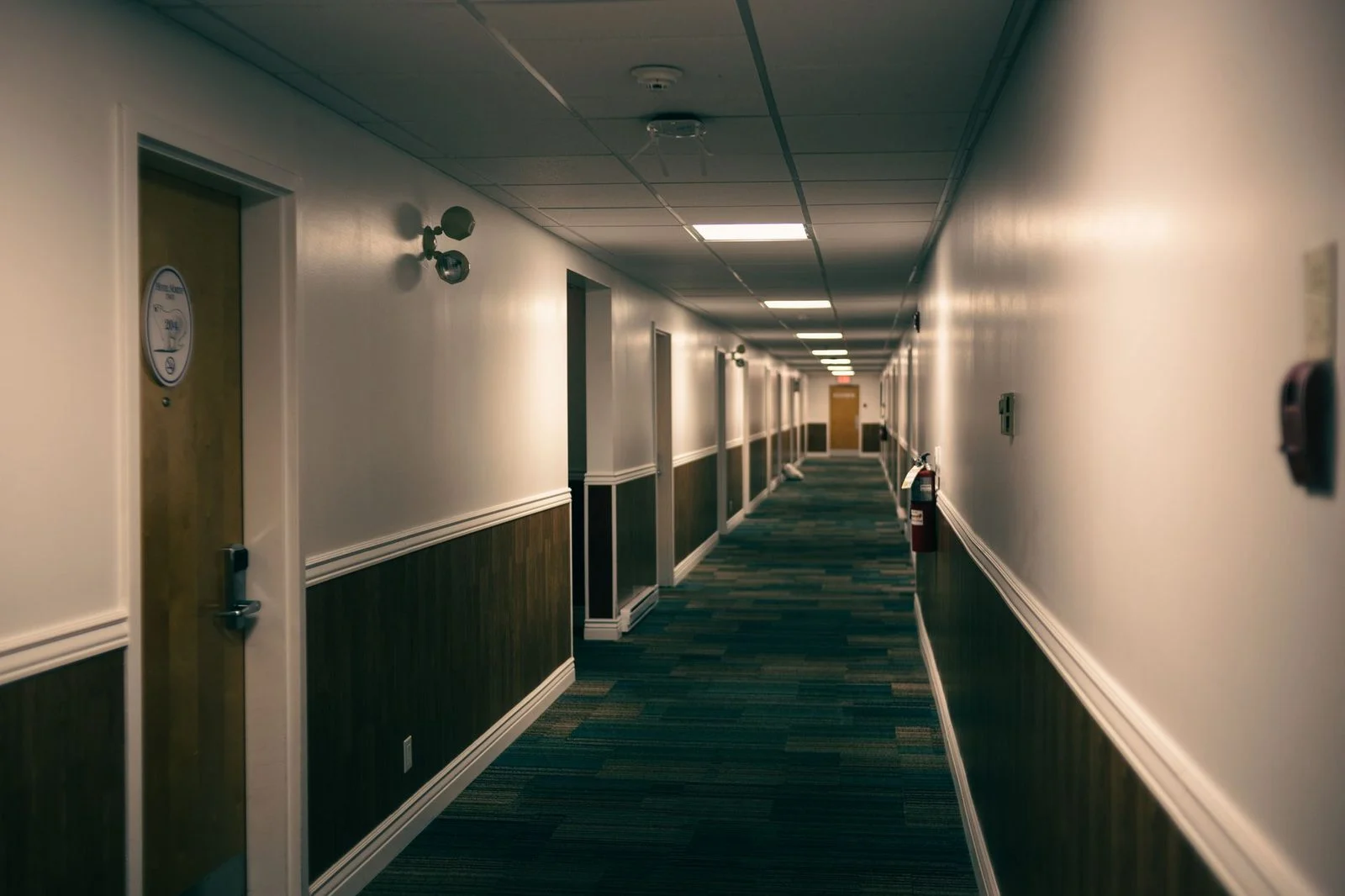
Property owners must use ordinary care to keep visitors safe. New Mexico’s jury instruction says an [owner] [occupant] “owes a visitor the duty to use ordinary care to keep the premises safe for use by the visitor” (UJI 13-1309 NMRA). New Mexico uses a single standard of reasonable care for visitors (Ford v. Board of County Commissioners).
A negligence claim generally requires a duty, a breach of that duty, and a breach that caused the harm (Herrera v. Quality Pontiac). Foreseeability is central. The duty covers conditions that foreseeably pose an unreasonable risk of injury. UJI 13-1320 is to be used in conjunction with UJI 13-1309 NMRA in cases in which a visitor is injured by the conduct of a third person, and the defendant’s negligence must be compared to that conduct.
Facts that often matter include:
- prior similar incidents on the property
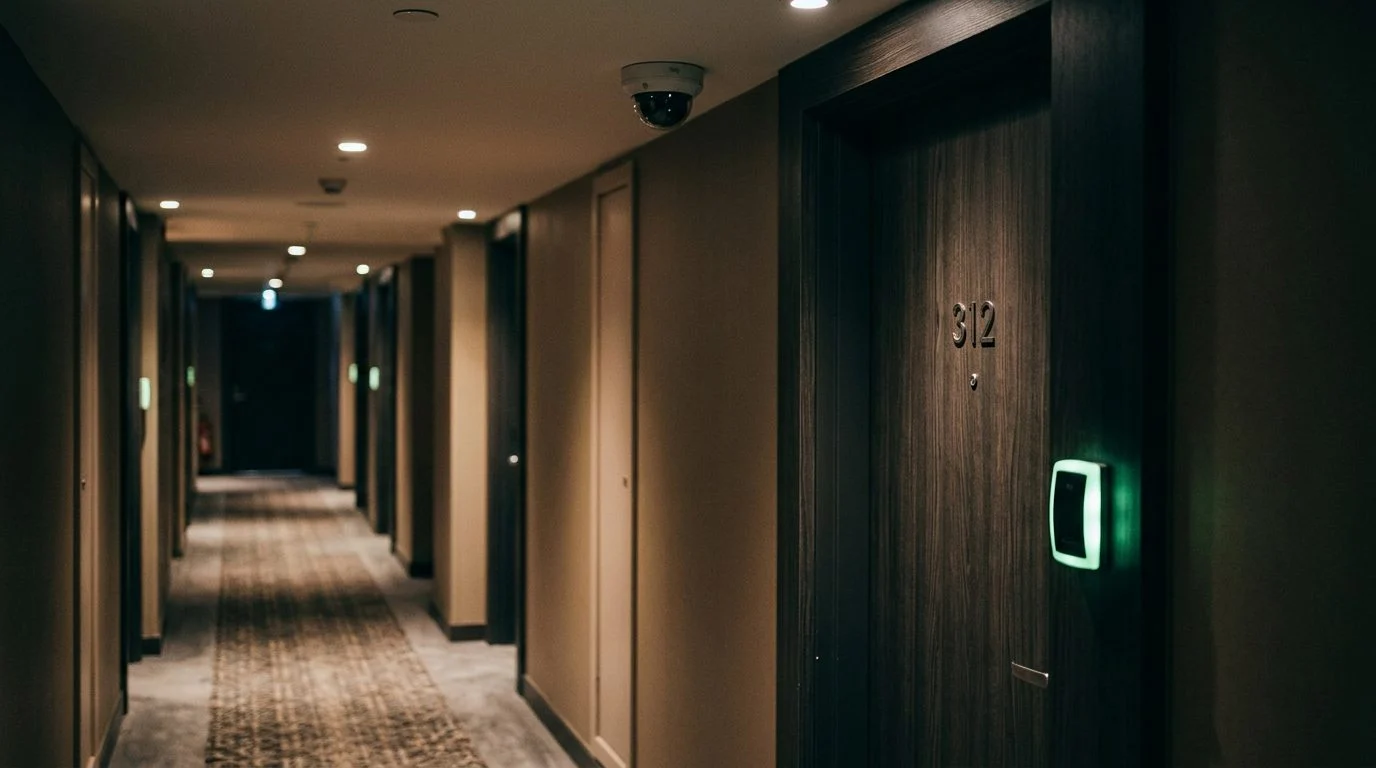
- dark walkways, parking areas, or stairwells
- broken locks, doors, or gates
- cameras that were off or not working
- tenant complaints or maintenance requests that went unanswered
- staffing and patrol practices
The key questions are what the owner knew or should have known, and what it did about it. Whether that duty was met turns on the facts of each property.
Fault is shared under New Mexico law. In causes of action to which several liability applies, any defendant who establishes that the fault of another is a proximate cause of a plaintiff’s injury shall be liable only for that portion of the total dollar amount awarded as damages that equals the ratio of that defendant’s fault to the total fault attributed to all persons, including plaintiffs, defendants and persons not party to the action, except where joint and several liability applies under Subsection C, including to any person who acted with the intention of inflicting injury or damage (Section 41-3A-1 NMSA).
What a Claim Can Seek Compensation For
A claim can seek money for losses the assault caused. Common categories include:
- Medical costs: emergency care, testing, treatment, and future care.
- Counseling: mental health care related to the assault.
- Lost pay: lost wages, and lost earning ability if the injury affects future work.
- Pain and distress: pain, emotional distress, and loss of enjoyment of life.
No amount can be promised before the facts are reviewed. Each claim stands on its own facts.
If a person’s death is caused by another’s wrongful act, neglect or default, even under circumstances that amount in law to a felony, and that conduct would have entitled the injured party to maintain an action and recover damages had death not followed, the person or corporation that would have been liable remains liable to an action for damages despite the death (Section 41-2-1 NMSA). Every action under Section 41-2-1 NMSA 1978 shall be brought by and in the name of the personal representative of the deceased person (NMSA 1978, § 41-2-3). Loss of consortium damages belong to the claimant, not the decedent’s estate (Thompson v. City of Albuquerque).
How the Process Works, Step by Step
The process usually starts with a free consultation. It then moves to evidence, investigation, and negotiation. A lawsuit comes later, if needed.
- Consultation. We review what happened, the property, and the timeline.
- Preservation letters. We ask property management in writing to keep records and video.
- Investigation. We look at prior incidents, maintenance logs, and security staffing.
- Demand and negotiation. We present the claim to the responsible parties and their insurers.
- Lawsuit, if needed. The case moves into discovery, the exchange of records and depositions.
- Resolution. Some cases settle. Others go to trial. Timelines vary widely with the case, the parties, and court schedules.
New Mexico law requires that an action for an injury to the person or reputation of any person be brought within three years (Section 37-1-8 NMSA). For minors and incapacitated persons, the times limited for bringing actions under the preceding provisions of that chapter are extended, giving them one year from and after the end of the incapacity to commence those actions (Section 37-1-10 NMSA). A wrongful death action must be brought within three years after the date of death (NMSA 1978 § 41-2-2). Other rules can change a deadline, so an early review helps protect your claim.
Evidence and Records to Gather Now
Keep records that show what happened and what management knew. If you are in danger now, call 911 first.
- Medical records and a list of every provider, including urgent care visits.
- Any police report or incident number, if one exists.
- Your lease or rental agreement, and any guest or visitor information.
- Texts, emails, voicemails, and written complaints to management.
- Maintenance requests and any replies, including about locks, gates, lighting, and cameras.
- Names and contact details for witnesses, neighbors, or staff who saw something relevant.
- Photos of the location, and a written timeline made while memories are fresh.
Store copies in a safe place. Share them with your lawyer rather than posting them online. Don’t delete messages, even painful ones.
Why Contact El Gringo Law
El Gringo Law is a New Mexico personal injury firm. Its practice areas include car accidents, trucking accidents, premises liability, negligent security, wrongful death, sexual assault, catastrophic injuries, spinal cord injuries, amputations, and burn injuries.
Josh Wood is the lawyer responsible for this page. He is licensed in New Mexico and Arizona. Our team supports clients with intake, records requests, and communication.
The firm works with people in Albuquerque, Rio Rancho, Santa Fe, Las Cruces, Taos, Farmington, and across Bernalillo and Sandoval counties. If you’d prefer to talk in Spanish, say so when you reach out. You can learn more at elgringolaw.com.
Not sure what your next step is?
Talk it through with our team — the first consultation is free, confidential, and carries no obligation.
Costs and the Free Consultation
The first consultation is free, confidential, and carries no obligation to continue. In Spanish, the firm’s statement reads: consulta inicial gratuita, confidencial y sin compromiso.
Hearing the facts is the first step. You decide what happens next after that conversation.
Frequently Asked Questions
Can I bring a claim if the attacker was not a tenant?
Possibly. The attacker is often the main defendant. The property can still be reviewed for security failures.
Can I bring a claim if I was a guest or visitor?
Often yes. Visitors are owed a duty of ordinary care under UJI 13-1309 NMRA.
Do I have to file a police report first?
No. A report is one piece of evidence. Whether to report is your choice.
Will the consultation cost anything?
No. The first consultation is free, confidential, and carries no obligation to continue.
How long does a case take?
Timelines vary widely with the case, the parties, and court schedules.
Does every case go to trial?
No. Some cases settle before trial. Trial preparation is part of the process when a case needs it.
Talk With El Gringo Law About Your Apartment Complex Case
If an assault at your apartment complex left you hurt or afraid, you may have a claim worth reviewing. Share what happened, the property’s name, and when it occurred. Reach out through the contact form for a free, confidential consultation with no obligation to continue. Josh Wood is the responsible lawyer for this page.
What We Look at in These Cases
Prior Incidents
Whether the property owner or management knew about earlier crimes or safety problems and what was done in response.
Your Recovery
How the assault has affected your health, your sense of safety at home, and your daily life, so your needs are part of the conversation from the start.
If You Are in Danger
Call 911 or go to the nearest emergency room first. Your safety and medical care come before anything else. When you are ready, our team can talk with you privately about your options.
How We Work With You
Confidential From the Start
What you share with us in your first consultation stays private, and you decide what to share and when.
Respect for Your Pace
You set the pace. We understand that coming forward about sexual assault can take time.
Plain-Language Answers
We explain the process, the questions we are asking, and what each step means in terms you can follow.
Our Team Is Here to Help
Our team supports you with scheduling, communication, and questions between conversations with Josh Wood.