
Car Accidents and Serious Injury Claims in New Mexico
Three Years Have Passed. Can You Still Pursue Your Claim?
Timing can be complicated, and the answer depends on the facts of your accident. A free, confidential first consultation with El Gringo Law can help you understand where your situation stands today.
By Josh Wood · Published November 5, 2026
Sometimes, yes. In New Mexico, the general deadline to file a personal injury lawsuit is three years. Wrongful death cases also generally have a three-year limit. Whether your claim is still open depends on the facts of your case, including the exact dates and who may be responsible.
Maybe you’re reading this long after a crash and feel worried or unsure where to start. Maybe you’re helping a family member who was hurt. This page explains the New Mexico rules in plain language so you can see which dates matter.
The Short Answer: Is the Three-Year Deadline Still Open?
The three-year deadline is the starting point for most injury lawsuits in New Mexico. Under Section 37-1-8 of the New Mexico Statutes, actions against sureties on official bonds and on bonds of guardians, conservators, personal representatives and persons acting in a fiduciary capacity must be brought within two years after the principal’s liability is finally established by a judgment or decree of the court, while actions for injury to the person or reputation of any person must be brought within three years.
That number applies to a lawsuit filed in court. An insurance claim is a different process. It is a request for payment made to an insurer, and it moves on its own schedule. Missing the court deadline can end the right to sue, even when the injuries are serious.
Don’t rely on a rough count of years alone. Start with the injury date, and note whether any government agency was involved. A government defendant changes the timeline, as explained below.
If your crash happened about three years ago and the dates feel unclear, we can help you sort out where you stand. Talk it through with our team — the first consultation is free, confidential, and carries no obligation.

How New Mexico’s Three-Year Clock Works
In a crash, that is usually the date of the collision.
Wrongful death is measured differently. NMSA 1978, § 41-2-2 requires a wrongful death action within three years, and the cause of action accrues as of the date of death (NMSA 1978, § 41-2-2 — three years from the date of death). If a person died weeks or months after a crash, the date of death is the one that matters under this rule. You can read more on our wrongful death page.
Here is a simple example. Say a crash happened in March 2023. The three-year mark falls in March 2026. That is the date to watch. Section 37-1-13 of the New Mexico Statutes states that an action is deemed commenced by filing the petition, declaration, bill or affidavit, upon the filing of which process is authorized by law to be issued, in the proper clerk’s office, with intent that process shall issue immediately thereupon; that intent is presumed unless the contrary appears. Preparing a case takes time, so the work usually needs to move well before the last day.
Does an Accident Go Away After Three Years?
No. The accident doesn’t disappear. The crash, the injuries and the people involved still happened. What ends is the legal right to file a lawsuit once the deadline passes.
Evidence gets harder to collect over time. Photos get lost, repair shops close, and witnesses move. Recent records are usually easier to obtain and easier to read than old ones.
If your injury is still being treated, your medical file keeps growing. Records from the whole treatment period matter, from the first emergency visit through later care and therapy. Gaps in treatment can make the story harder to follow.
A three-year-old crash isn’t automatically closed, and it isn’t automatically open. The dates on your timeline are the place to start.
When the Clock Can Start Later or Pause
Some rules can move the start date or pause the count. These rules apply only in specific situations.
New Mexico courts have applied a discovery-based rule to one type of case. For a personal injury claim against a health care provider outside the Medical Malpractice Act, the claim accrues when the person knows, or with reasonable diligence should have known, of the injury and its cause. See Roberts v. Southwest Community Health Services. That case type is not a typical car crash, so don’t assume the same timing applies.
In actions for injuries to, or conversion of, property, such as a damaged vehicle, Section 37-1-7 of the New Mexico Statutes states that the cause of action shall not be deemed to have accrued until the injury or conversion complained of has been discovered by the party aggrieved.
In favor of minors and incapacitated persons, Section 37-1-10 of the New Mexico Statutes extends the time limits set by the preceding provisions of that chapter so that they have one year from and after the termination of the incapacity within which to commence their actions. Also, under Section 37-1-12 of the New Mexico Statutes, when the commencement of any action is stayed or prevented by injunction order or other lawful proceeding, the time that order or proceeding continues in force is not counted in computing the period of limitation.
These exceptions are narrow and fact-specific. They are not a reason to wait.
Shorter Deadlines That Can Apply Sooner
When a government entity may be responsible, the timeline can be much shorter. Under Section 41-4-15 of the New Mexico Statutes, a tort action against a governmental entity or a public employee is forever barred unless it is commenced within two years after the date of occurrence resulting in loss, injury or death, except that a minor under the full age of seven years has until his ninth birthday in which to file; this applies to all persons regardless of minority or other legal disability.
Written notice often comes first. Under Section 41-4-16 of the New Mexico Statutes, a person who claims damages from the state or a local public body under the Tort Claims Act must present, within ninety days after an occurrence giving rise to a claim for which immunity has been waived under that Act, a written notice stating the time, place and circumstances of the loss or injury. For a wrongful death claim against a government entity, notice may be presented within six months after the injury that caused the death.
Without that notice, a suit generally cannot go forward unless the government entity had actual notice of the occurrence. The New Mexico Supreme Court has held that actual notice must reach the particular agency that caused the harm. See Lopez v. State.
Government involvement can include a city, county, school district or state agency. If you think one may be involved, write down the agency’s name and the crash date right away.
Insurance Claim Timelines Versus Lawsuit Deadlines
An insurance claim runs on its own track. The court deadline comes from statute, not from an insurer’s schedule.
New Mexico’s unfair claims practices statute, Section 59A-16-20 of the New Mexico Statutes, defines as an unfair and deceptive practice, and prohibits, failing to affirm or deny coverage of claims of insureds within a reasonable time after proof of loss requirements under the policy have been completed and submitted by the insured, when an insurer or other person knowingly commits it or performs it with such frequency as to indicate a general business practice.
Claims against an insurer can follow different rules and timing than a claim against the at-fault driver, and every case is different. See Hovet v. Allstate Insurance Co.. So an insurer’s delay does not create a faster path to court.
Keep track of the dates of insurer letters, any recorded statements you gave, and any settlement offers. Before you give a recorded statement or sign a release, read it closely and think about what it says.
Not sure what your next step is?
Talk it through with our team — the first consultation is free, confidential, and carries no obligation.
Why Timing Matters for Serious Injuries
Serious injuries can take a long time to show their full effects. Timing and records matter more in these cases.
Spinal cord injuries, amputations, burns and other catastrophic injuries often involve many providers over months or years. Complete records help show the full picture. Learn more on our spinal cord injury page.
Family members can have claims too. Under New Mexico law, loss of consortium damages come from the injury or death of someone in a sufficiently close relationship to the claimant. Those damages belong to the claimant, not to the injured person or the decedent’s estate.
Medical bills, lost work and future care needs are all part of documenting a serious injury. They take time to gather, which is one more reason not to wait.
What to Gather Before Talking With a Lawyer
Start with the date of the crash or incident and any report numbers. Bring what you have, even if it’s incomplete.
- Police or crash reports
- Photos of the scene, vehicles and injuries
- Letters from insurance companies
- Medical records, bills and appointment dates
- Work records showing missed time
- Names and contact details of witnesses
A driver in a crash involving bodily injury, death, or total property damage of $500 or more must send a written report to the state transportation department within five days. See NMSA 1978, § 66-7-207. If you were driving, note whether that report was filed and when.
Write a timeline of symptoms, treatment visits and missed work while the details are fresh.
Quick Answers to Common Questions
Does every accident claim have the same deadline?
No. A tort claim against a governmental entity or a public employee must be commenced within two years after the date of occurrence resulting in loss, injury or death under Section 41-4-15 of the New Mexico Statutes, and a minor under the full age of seven years has until his ninth birthday to file.
Does wrongful death also have three years?
Not for a claim against a governmental entity or a public employee. If the wrongful-death claim is against a governmental entity or a public employee, the Tort Claims Act applies instead of the usual three-year period counted from the date of death (NMSA 1978, § 41-2-2), and the lawsuit must be filed within two years from the occurrence (§ 41-4-15). For a claim against a governmental entity, the two years are measured from the date of occurrence resulting in loss, injury or death.
Do minors get more time?
Under this rule, the only extra time is for a child under the age of seven, who has until his or her ninth birthday to file. Otherwise, the deadline applies to everyone, regardless of minority or other legal disability. Under NMSA § 41-4-15, “Actions against a governmental entity or a public employee for torts shall be forever barred, unless such action is commenced within two years after the date of occurrence resulting in loss, injury or death, except that a minor under the full age of seven years shall have until his ninth birthday in which to file.” This subsection applies to all persons regardless of minority or other legal disability.
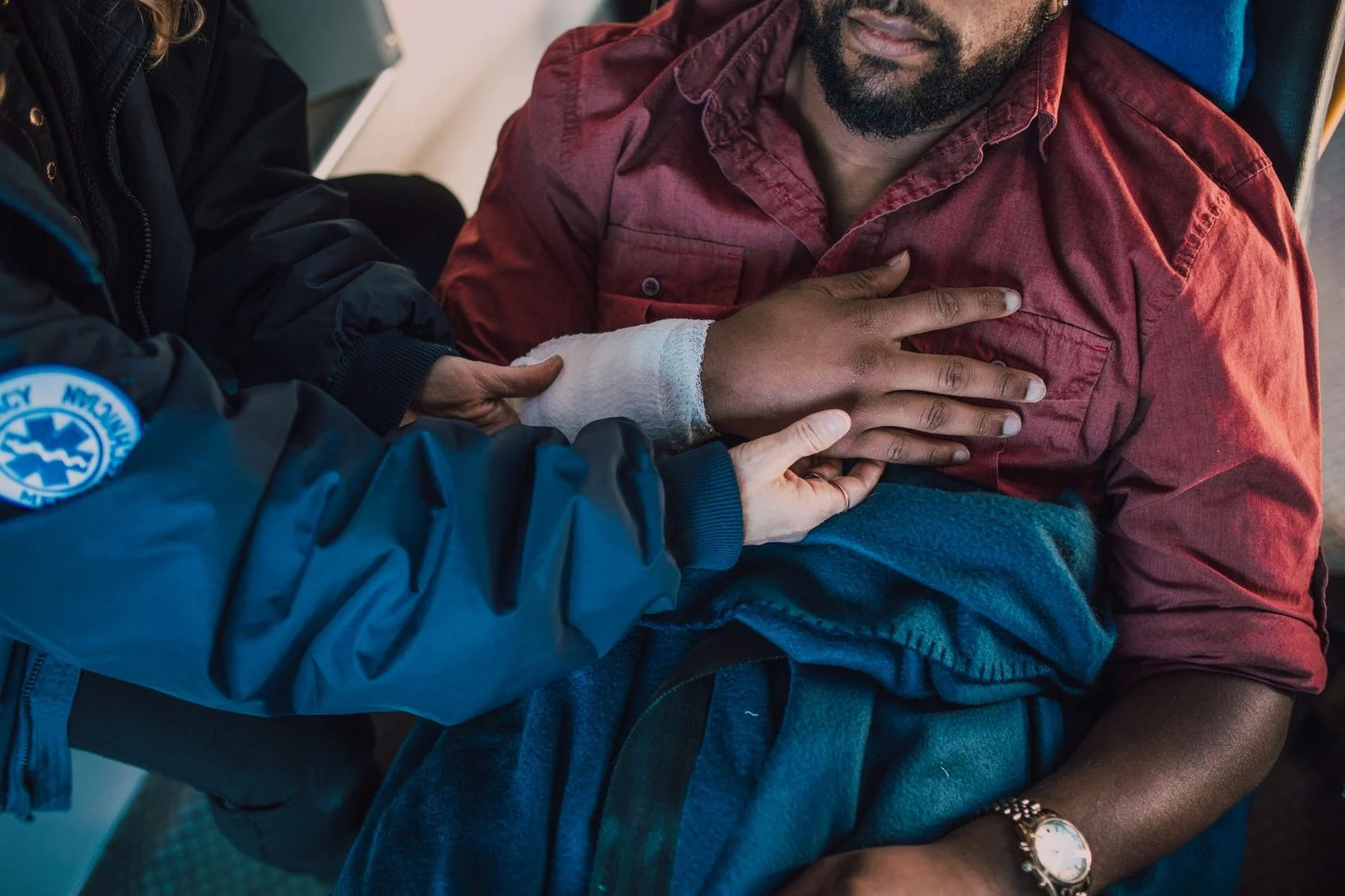
Talk With El Gringo Law About Your Deadline
If your crash happened about three years ago, you may be juggling medical appointments, insurance letters and questions from family. Sorting out the dates can feel like one more hard task.
Josh Wood is the responsible lawyer for this page. He is licensed in New Mexico and Arizona. Your initial consultation is free, confidential, and comes with no obligation to continue.
To ask whether your dates still fit within New Mexico’s deadlines, reach out through our contact page at elgringolaw.com.
How We Can Help You Start
We Review Your Timeline
We look at when your accident happened, what treatment you have received, and what steps may still be open to you.
We Organize What You Have
Police reports, medical records, insurance letters and photos can all matter. We help you gather and sort them.
You Can Ask Your Questions
Our team is available to answer your questions in plain language, whether by phone, online form or chat.
Confidential and No Obligation
Your first consultation is free, confidential and comes with no obligation to continue.
Don't Wait to Ask
Claim timing depends on the type of accident, who was involved and other details of your case. Waiting to get an answer can make it harder to pull together records and evidence while they are still available.
Details That Help Us Evaluate Your Situation
How the Accident Happened
Where it occurred, what vehicles or property were involved, and how you were hurt.
Your Medical Care
Doctor visits, surgeries, therapy and any ongoing symptoms or limitations.
Insurance and Communications
Letters from insurers, settlement offers and any statements you have already given.
Records and Evidence
Police or incident reports, photos, witness names and wage or work records.