Spinal Cord Injury Claims · New Mexico
When a Spinal Cord Injury Changes Daily Life, Family Caregivers Carry a Lot
Caregivers often take on lifting, transport, medication schedules and hours of hands-on care. El Gringo Law focuses on helping New Mexico families understand how these claims work and what questions to ask.
By Josh Wood · Published November 12, 2026
Many families end up doing the daily work after a spinal cord injury, often without knowing what it means for a claim. For many New Mexico families, the real question is whether that work can count at all. It can, when the injured person needs ongoing care, and the value of that care is what the claim looks at. This page covers how that works in New Mexico, from Albuquerque to Farmington.
Short Answer: Can a Family Member Be Paid for Caregiving?
Yes, family caregiving can be part of a spinal cord injury claim when the injured person needs ongoing help. The claim measures the value of that care, not a payment to a relative. A relationship alone does not decide the question. The injured person’s needs drive it, and a caregiver’s daily record helps show those needs.
New Mexico’s UJI 13-1810 jury instruction lists the reasonable value of a spouse’s services as an element of damages when a spouse is injured. It also says that, when future services the family is reasonably certain to be deprived of are included, their present cash value is the measure of that element. That instruction speaks to spouses, so an adult child or other relative may face a different analysis.
Whether a particular family member’s work fits into a claim depends on the facts. The sections below explain how care is shown, which records help, how bills and future needs differ, why timing matters, and how the free consultation works.
If you're giving daily care to someone with a spinal cord injury, you may have a claim worth discussing, so bring your care log to a free, confidential consultation with our team. Talk it through with our team — the first consultation is free, confidential, and carries no obligation.
How Caregiving Fits Into a Spinal Cord Injury Claim
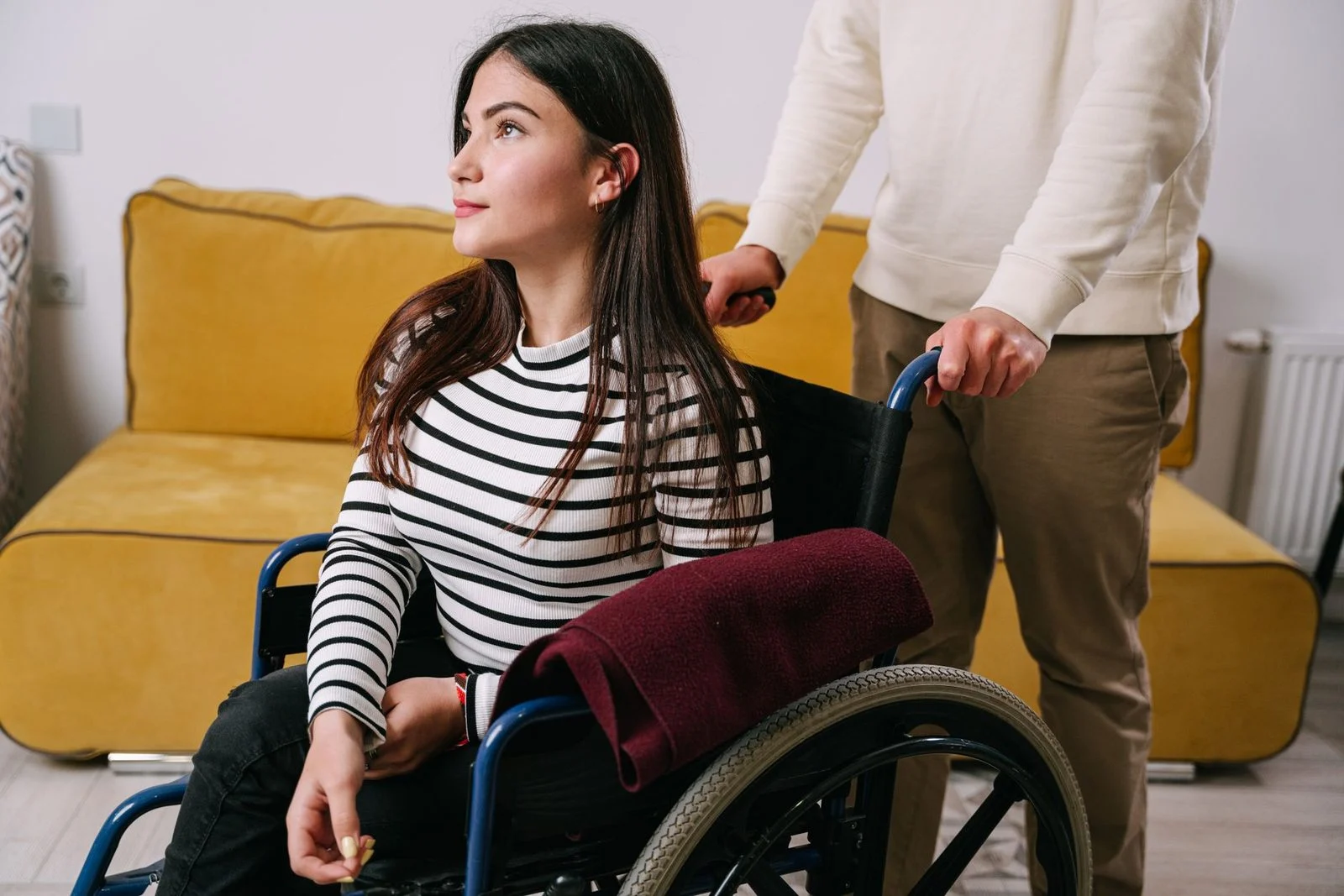
Caregiving is one part of the future care a spinal cord injury can require. Long-term needs often include help with dressing, bathing, transfers, medication, and mobility equipment. Household tasks like cooking, cleaning, and home upkeep can also become too much for one person to manage alone.
A claim can cover the cost of future care. Those costs are often laid out in a life care plan, a written projection of needed care prepared with medical input. Estimates for household services can sit in the same analysis, so the family’s daily reality and the medical plan support each other.
Under Herrera v. Quality Pontiac, a proximate cause is one that, in a natural and continuous sequence, produces the injury, and without which the injury would not have occurred. It need not be the only cause.
Some family members have claims of their own. New Mexico describes loss of consortium through UJI 13-1810A as a claim to recover compensation for damage to certain relationships, where the claimant must show that they and the injured or deceased person had a mutually dependent relationship. In that relationship, both people relied on each other and could not enjoy life in the same way after the injury. Under Thompson v. City of Albuquerque, a loss-of-consortium claimant has a direct, separate injury to a relational interest. Which claims may apply to you is a question for the consultation.
Documentation That Supports Family Caregiving Costs
Records that show what care was needed, and when, make caregiving costs easier to support. Notes made at the time of care are easier to rely on than estimates rebuilt months later. Physician opinions give the care needs a medical basis, and dated records give them a timeline. Start these now:
- Medical records showing the diagnosis, the level of injury, and the treating physicians’ recommendations for ongoing care.
- Physician opinions on what care the injured person will need, how often, and for how long.
- A care log with dates, hours, tasks performed, supplies used, and travel to appointments.
- Receipts for medical equipment, home modifications, medications, and transportation.
- Cost estimates for household services and life care needs, prepared with qualified professionals.
- Photos or written notes that show changes in the injured person’s condition over time.
A log does not need to be polished. Dates, hours, and short task notes are a useful start. Keep copies of anything you send to an insurer, too.
Past Bills, Future Care, and Medical Liens
Past bills and future care are separate questions, and a claim usually tracks both. Past bills cover treatment already received. Future care covers what doctors expect the injured person will need next, such as surgery, rehabilitation, and equipment.
Future damages are handled differently.
Future surgery and related costs can be part of a claim when medical opinion supports them. Our future surgery costs page covers that topic in more detail.
Medical liens are claims by a provider or insurer to be repaid from a recovery. They can affect how much money reaches the injured person after a case resolves. Ask about liens early. Keep a running list of every provider and insurer involved, with the amounts billed and any letters they send.
Timing, Records, and Deadlines
Filing deadlines start running early, so review them soon after the injury. Under NMSA 1978, § 37-1-8, an action for an injury to a person must be brought within three years.
The start date can differ from the accident date. In Roberts v. Southwest Community Health Services, the court held that a claim accrues when the plaintiff knows, or with reasonable diligence should have known, of the injury and its cause. That case involved a health care provider, so the start date in your situation needs its own review.
Spinal cord symptoms can change or appear over time. Our delayed symptoms page covers how that affects timing. Waiting can also make proof harder, because records get harder to gather as time passes.
Keep medical appointments, discharge instructions, and therapy notes in one place. Keep copies of every bill, letter, and filing in one folder too. Early records make it easier to show what care was needed and when it began.
Fees, Costs, and the Free Consultation
The initial consultation is free, confidential, and without obligation to continue. That means you can talk through the care, the records, and the claim before you decide anything. Our team can answer questions about the process before you choose a next step.
Bring the care log, discharge papers, receipts, insurance information, and the date of the incident. If you’re a family member, bring a list of the tasks you handle each week. A short list helps the team understand the daily work. Write down any questions about liens, bills, or insurance letters you have already received.
Every case turns on its own facts, so no two claims look the same. The consultation is where those facts get reviewed with you. It’s also the right place to raise worries about cost, time, and how your family’s routine will change.
Not sure what your next step is?
Talk it through with our team — the first consultation is free, confidential, and carries no obligation.
Talk With Our Team About Your Situation
If you’re giving daily care to someone with a spinal cord injury, contact El Gringo Law now to set up your free consultation. Your hours, receipts, and appointment notes may already be building up, and you want to know whether that work can count in a claim.
Josh Wood is the lawyer responsible for this page. He is licensed in New Mexico and Arizona. You can reach our team through the contact page on elgringolaw.com.
Families in Santa Fe, Rio Rancho, Las Cruces, Taos, Farmington, and the Albuquerque area can use the same steps. Bring your care log with you, and our team can explain which records matter most for your situation.

Frequently Asked Questions
Can a family caregiver be part of a spinal cord injury claim in New Mexico?
Whether a family caregiver can bring a claim of their own depends on the facts and the law, so a free, confidential initial consultation with no obligation is a good first step.
How long do I have to file a spinal cord injury claim in New Mexico?
Some claims involving government entities have much shorter notice deadlines, so it is important to act early.
What losses can a spinal cord injury claim include?
Does fault for the accident reduce compensation in New Mexico?
New Mexico follows a pure comparative negligence rule, so a person who is partly at fault can still recover, but the amount is reduced by their percentage of fault.
How We Can Help Your Family
Caregiver Perspective
We listen to the family member who is providing daily care, not only to the injured person, and we ask about the care your household has been giving.
Clear Questions, Clear Answers
We explain the claim process in plain language so you know what information matters and what comes next.
Focused Injury Representation
Our work centers on catastrophic injuries, including spinal cord injuries, from car accidents, trucking accidents and other serious incidents.
Confidential Conversations
Your first consultation is confidential and comes with no obligation to continue.
Keep Track of Care Details
Keeping a simple record of medical appointments, therapy sessions, medications, equipment needs and the daily care you provide can help when reviewing a spinal cord injury matter. Bring these notes to your consultation.
Common Questions Families Bring to Us
Can a caregiver be part of a claim?
Whether a family caregiver can bring a claim of their own depends on the facts and the law. A consultation is the best way to talk through your situation.
What does the injured person need?
Spinal cord injuries can require long-term medical care, home modifications and ongoing support. We can discuss how these needs fit into a claim.
What happens at the first call?
You describe what happened and your family's situation. We answer your questions and explain possible next steps, with no obligation to continue.