Spinal Cord Injury | Albuquerque and Surrounding New Mexico
Hurt in a Left-Turn Crash? Talk With Our Team About Your Options
A spinal cord injury can change work, family life, and daily routines in a single moment. El Gringo Law represents people hurt in New Mexico crashes, including a spinal injury that followed a turn gone wrong.
By Josh Wood · Published November 10, 2026
A driver turns left, another car has nowhere to go, and a life changes in seconds. If that happened to you or someone you love, and the injury reached the spine, you may have a claim against the driver who caused the crash.
New Mexico law gives injured people a path to seek compensation when another driver’s fault causes harm. This page explains the rules, the losses a claim can cover, and what the first step looks like.
Spinal Cord Injury Claims After a Left-Turn or Intersection Crash
A spinal cord injury claim asks the person at fault to answer for the harm the crash caused. El Gringo Law represents people hurt in car and truck crashes across New Mexico, including people in Albuquerque, Rio Rancho, Santa Fe, and Las Cruces.
The firm handles car accidents, trucking accidents, catastrophic injuries, and spinal cord injuries. This page is for injured people, their family members, and anyone deciding whether to act now.
Josh Wood is the responsible lawyer for this page. He is licensed in New Mexico and Arizona. The rules below come from New Mexico law, and each one links to its source.
If a left-turn crash left you or someone you love with a spinal cord injury, you may have a claim worth reviewing, so contact Josh Wood through our online form today. Talk it through with our team — the first consultation is free, confidential, and carries no obligation.
How Left-Turn and Intersection Crashes Cause Spinal Cord Injuries
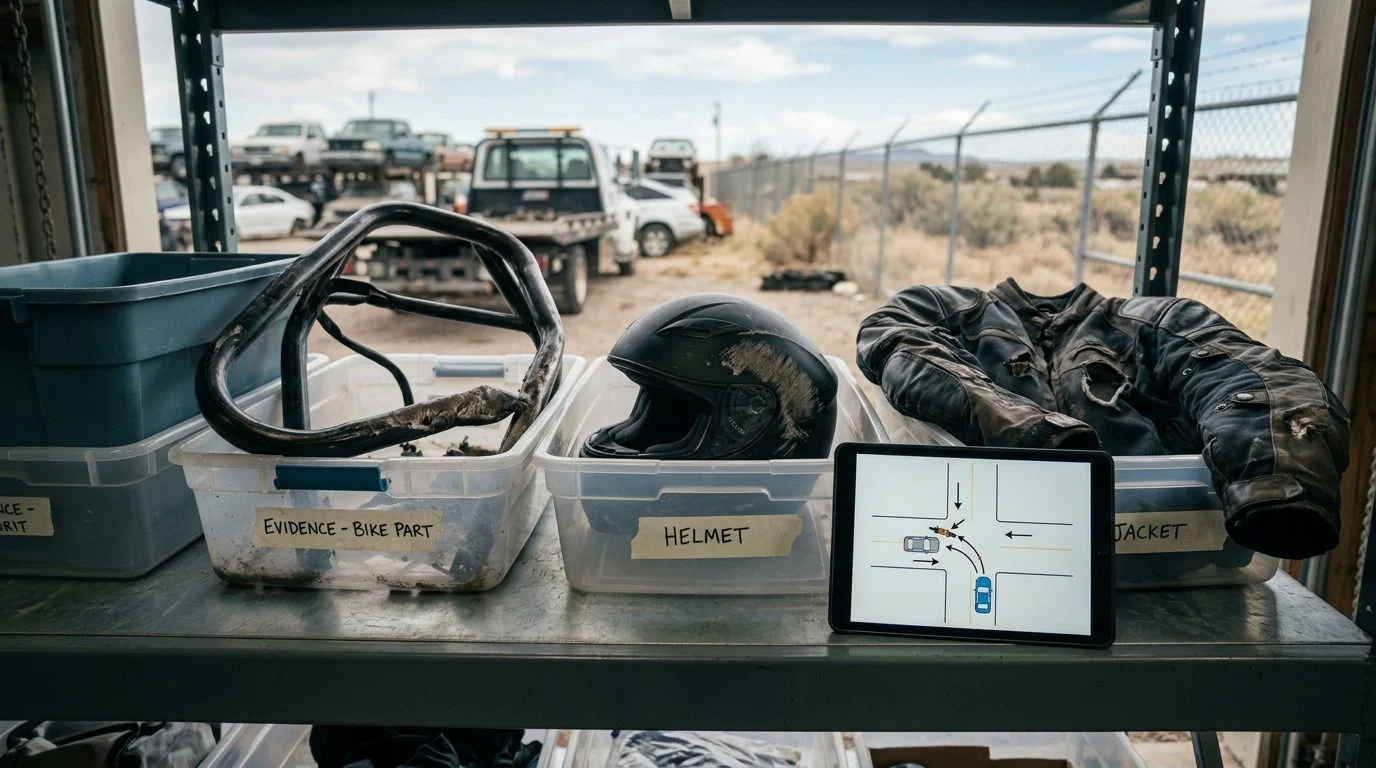
A crash at an intersection can injure the spine when a vehicle hits hard, twists the body, or throws it against the car. Motor-vehicle crashes and falls are among the common causes of spinal cord injury, according to Virginia Department of Health training.
The spine is a column of bones, discs, and nerves. The spinal cord runs inside it. When a crash damages the spine, the cord can be hurt too.
Doctors often describe these injuries as complete or incomplete. The level of injury on the spine affects which movement and feeling a person keeps.
Here is a point many people miss. An accident report often matters less than people expect. Under NMSA 1978, § 66-7-213, an accident report generally cannot be used as evidence at trial, except as the statute provides. Photos, witness names, vehicle data, and medical records become important proof.
What a Spinal Cord Injury Claim May Include
A spinal cord injury claim may seek money for losses the crash caused, both now and in the future. These losses often include:
- Past and future medical care, such as surgery, hospital stays, rehabilitation, and medication
- Lost wages and the lost ability to earn in the future
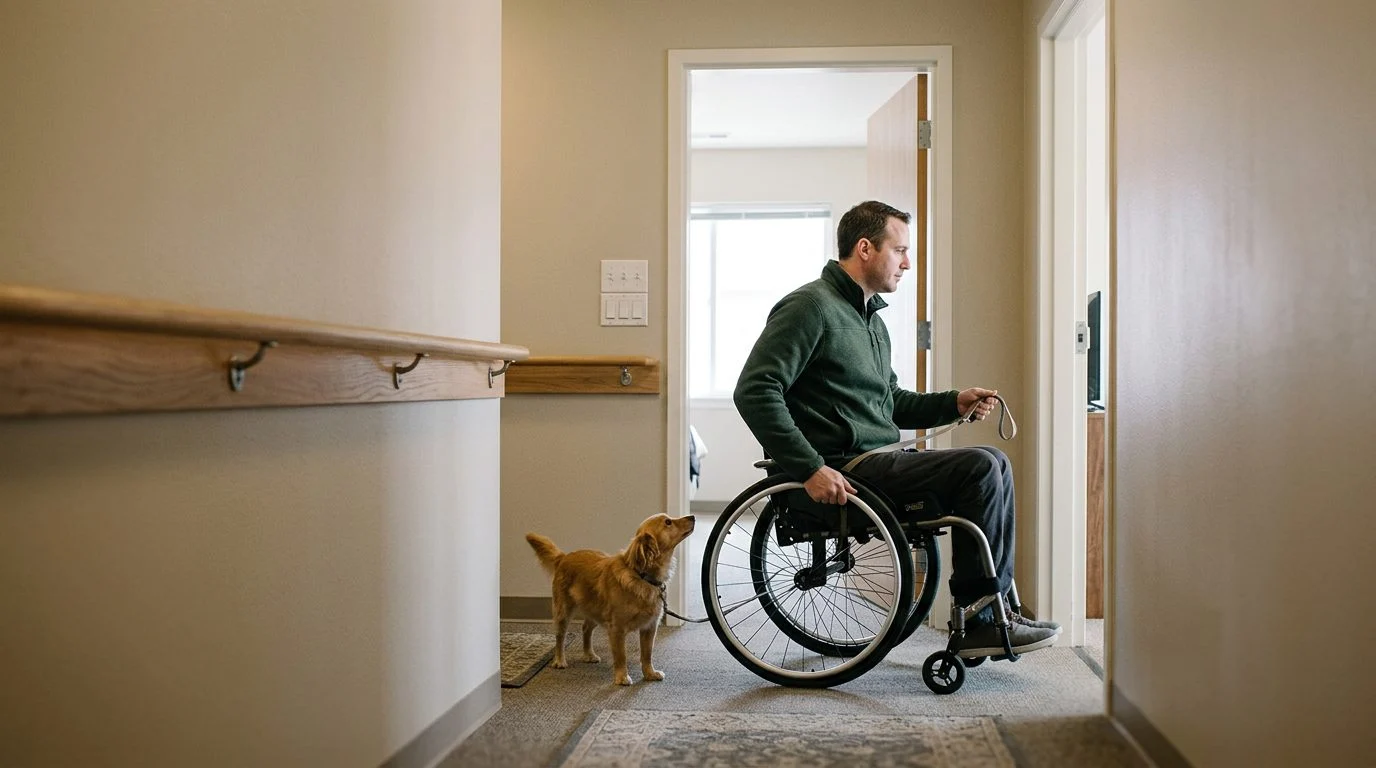
- Equipment, such as wheelchairs and other assistive devices
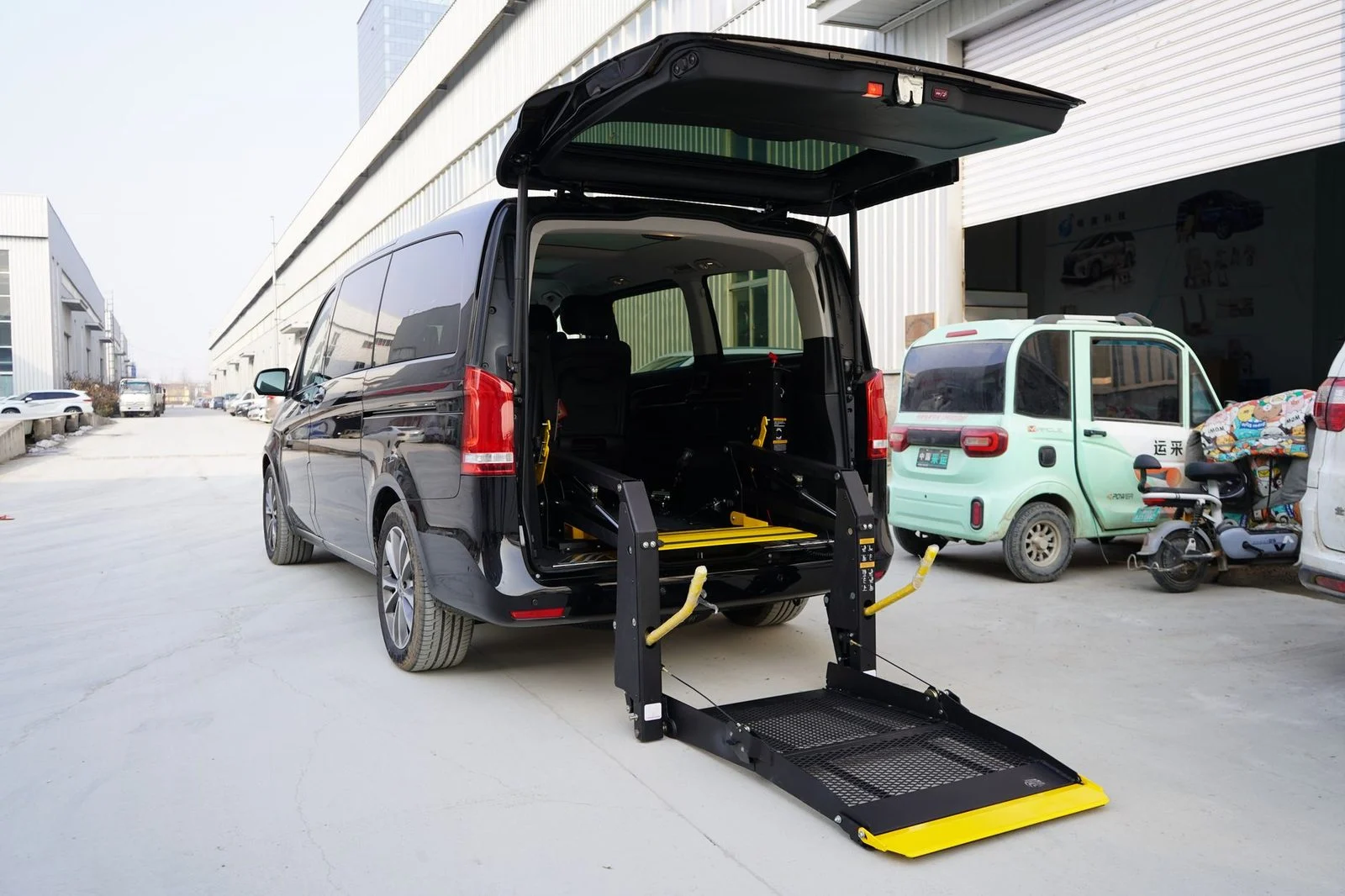
- Changes to a home or vehicle, such as ramps or adapted controls
- Care from a paid attendant or a family member
- Pain, suffering, and loss of enjoyment of life
A spouse or close family member may have a separate claim for loss of consortium. New Mexico treats those damages as belonging to that family member, not to the injured person, under Thompson v. City of Albuquerque.
The crash must also cause the injury. A cause in New Mexico is one that, in a natural and continuous sequence, produces the injury. It need not be the only cause. See Herrera v. Quality Pontiac.
Who May Be Responsible in an Intersection Crash
The driver who turned left or failed to yield may be responsible for the crash. See NMSA 1978, § 66-7-329.
At a stop sign, unless directed to proceed by a police officer or traffic-control signal, a driver must stop and then yield to any vehicle which has entered the intersection from another highway or which is approaching so closely on the highway as to constitute an immediate hazard. If a driver goes past a yield sign without stopping and collides with a vehicle in the intersection, the statute treats that collision as prima facie evidence of failure to yield. See NMSA 1978, § 66-7-330. See NMSA 1978, § 66-7-330.
Other people may share fault. New Mexico follows pure comparative negligence (shared fault). An injured person who was partly at fault is not totally barred from recovery, as Scott v. Rizzo explains.
New Mexico’s jury instruction reduces the injured person’s total damages by that person’s own percentage of negligence. See UJI 13-2218 NMRA.
When more than one at-fault party is involved, NMSA 1978, § 41-3A-1 generally limits each defendant to its share of fault, with exceptions the statute lists.
If a commercial truck was involved, see our truck crash page.
How the Process Works, Step by Step
The process usually starts with a first consultation. It then moves through evidence, medical records, insurance talks, and, if needed, a lawsuit.
- First consultation. Your first consultation is free, confidential, and carries no obligation to continue. The firm asks about the crash, your injuries, your treatment, and any insurance you know about.
- Evidence. The crash report, scene and signal details, vehicle data, photos, and witness information are gathered early.
- Medical documentation. Records from treating providers document the injury and its expected course.
- Valuation and demand. The claim is valued, a demand goes to the insurers, and negotiation follows.
- Suit, if needed. If talks do not resolve the claim, a lawsuit may be filed. It is followed by discovery, depositions, and either settlement or trial.
How long each step takes depends on the facts of the crash and on your medical course.
Why Work With El Gringo Law
El Gringo Law handles car accidents, trucking accidents, catastrophic injuries, and spinal cord injuries for people across New Mexico. The firm’s name reflects a plain promise of direct, clear communication.
Josh Wood, the responsible lawyer named on this page, is licensed in New Mexico and Arizona. Our team supports the lawyers by organizing records, tracking insurer letters, and keeping you updated. Team members are staff, not lawyers.
Every case is different, and past results do not ensure a similar outcome.
Not sure what your next step is?
Talk it through with our team — the first consultation is free, confidential, and carries no obligation.
Common Questions About Left-Turn Spinal Cord Injury Claims
Can I still bring a claim if I was partly at fault?
Yes. New Mexico follows pure comparative negligence, so partial fault reduces a recovery but does not fully bar it, per Scott v. Rizzo.
How long do I have to file?
New Mexico sets a three-year limit for an injury to the person under NMSA 1978, § 37-1-8. Waiting can also make evidence harder to find.
What if the at-fault driver has little insurance?
See NMSA 1978, § 66-5-301. Coverage questions can come up during the first consultation.
Do I need to decide right away?
No. You can take time to think. Early action still helps protect evidence like photos and witness names.
What happens at the first consultation?
The firm asks about the crash, your injuries, and your treatment. It also asks about any insurance information you have.
Talk With Josh Wood About Your Left-Turn Crash Claim
If a left-turn or intersection crash left you or someone you love with a spinal cord injury, the next step is a conversation about your options. Reach out by phone, through the contact form, or by starting a chat on the site. Josh Wood and our team are ready to talk through the crash, your injuries, and what comes next.
What You Can Expect When You Contact Us
Focus on Your Recovery
We start by listening to what you are going through, including your medical treatment and the questions weighing on you and your family.
Careful Review of the Crash
Left-turn collisions often turn on details like signal timing, sight lines, and witness accounts. We look closely at the records that matter to your claim.
Clear Answers in Plain Language
We explain the process step by step, so you know what is happening and what comes next, without legal jargon.
A Free, Confidential Consultation
Your first consultation is free and confidential, with no obligation to continue. Call, send a form, or start a chat at your convenience.
Get Medical Care Right Away
Spinal injuries do not always cause obvious symptoms at first. Numbness, tingling, weakness, or neck or back pain after a crash deserve prompt medical evaluation, even if you feel you can walk it off.
How We Work With Crash Victims
Step 1: Reach Out
Tell us what happened in your own words. A call, a form, or a chat is all it takes to begin.
Step 2: Get Organized
We help you gather the police report, medical records, and other documents connected to the crash.
Step 3: Plan the Claim
Together we discuss the damages involved in your case, including medical care, lost income, and changes to your daily life.
Step 4: Move Forward
We keep you informed at every stage so you can focus on healing and your family.