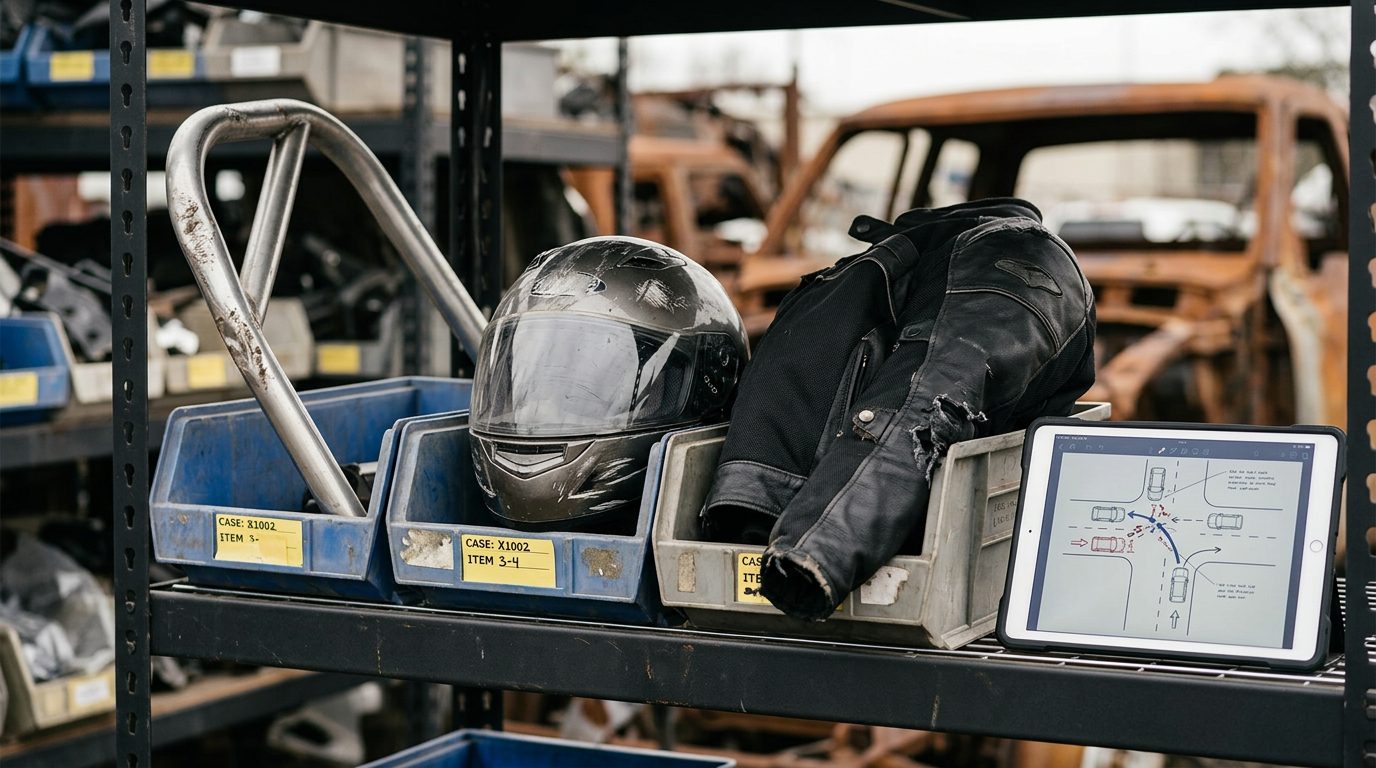
Taos | Spinal Cord Injuries
Spinal Cord Injury in Taos: Know the Warning Signs and Your Options
A spinal cord injury can change your life overnight. El Gringo Law represents injured people across New Mexico, and we can talk with you about your situation in a free, confidential consultation.
By Josh Wood · Published October 26, 2026
Spinal cord injuries Taos residents face can change how a person moves, feels, and breathes. They often come with hard questions about medical bills, time off work, and what comes next. This guide explains the injury, its common causes, its warning signs, and the basic New Mexico rules that shape a claim. Our team at El Gringo Law wrote it to help you think through your next step.
What Is a Spinal Cord Injury?
A spinal cord injury is damage to the nerve pathway that carries signals between the brain and the rest of the body. The cord runs inside the bony spine. According to NINDS, three layers of protective tissue surround the cord, and cerebrospinal fluid (CSF) cushions it against shock or injury.
That cushion is one reason damage can happen without a broken bone. The bones can look intact while the cord itself is hurt. Imaging and a physical exam help doctors see what is happening inside.
Doctors sort these injuries into two main types. A complete injury blocks all signals below the damage. An incomplete injury lets some signals get through. Two people with the same type can still have very different symptoms. The NINDS spinal cord injury page covers both types, along with paralysis and prognosis.
Only a medical team can diagnose a spinal cord injury. Treatment decisions belong to those doctors. Legal questions follow the medical facts, so your medical records matter from the first visit.
If a crash or fall left you with a spinal cord injury and open questions, our team is ready to talk them through in a free, confidential consultation. Talk it through with our team — the first consultation is free, confidential, and carries no obligation.
What Causes Spinal Cord Injuries Taos Residents Face?
Spinal cord injuries in Taos County can start with a car crash, a truck crash, or a fall on someone else’s property. Each cause brings different forces to the body.
High-impact crashes can force the neck or back beyond its normal range. Rollovers, head-on collisions, and rear-end impacts are examples of crashes with high force. The body can be thrown against seatbelts, steering wheels, or other parts of the vehicle.
Taos-area driving adds conditions that can matter. Many routes are two-lane highways with mountain curves, and winter roads can be icy. These conditions don’t cause crashes by themselves, but they shape how a crash happens. A crash far from town can also mean a longer wait for emergency care.
For regional context, the UNM Traffic Research Unit prepares New Mexico crash data and annual reports for NMDOT, with county breakdowns that include Taos.
Commercial trucks are heavier than passenger vehicles, so a crash involving one can carry more force. Our car accident spinal injury guide explains crash mechanics in more detail.
Falls are another path. New Mexico’s pattern jury instruction says an owner or occupant owes a visitor a duty to use ordinary care to keep the premises safe for that visitor’s use. That duty is set out in UJI 13-1318.
What Are the Signs of a Spinal Cord Injury by Region?
Symptoms depend on where the cord is hurt, because each region controls different parts of the body. According to NINDS, the cervical nerves (C1 to C7) in the neck send signals to the back of the head, the neck and shoulders, the arms and hands, and the diaphragm, which is the main breathing muscle.
The thoracic nerves (T1 to T12) in the upper mid-back control the chest muscles, some back muscles, and many organs. The lumbar nerves (L1 to L5) and sacral nerves (S1 to S5) control the lower abdomen, the buttocks, parts of the legs and feet, and some genital and anal areas.
Examples help. Arm or hand weakness can follow a neck injury. Chest or abdominal numbness can follow a mid-back injury. Leg weakness or paralysis can follow a lower-back injury.
Breathing is the most urgent concern. According to NINDS, an injury between C1 and C4 can stop breathing, because those nerves drive the diaphragm.
Get emergency care right away if you notice numbness or tingling, sudden weakness, loss of bladder or bowel control, trouble breathing, or severe neck or back pain after a crash or fall. Do not wait because you can walk. Some signs appear at once, and others can build over time.
How Are Spinal Cord Injuries Treated, and What Does Recovery Look Like?
Treatment usually starts with emergency stabilization and imaging. From there, doctors may recommend surgery or non-surgical care based on the injury. The NINDS spinal cord injury page also covers treatment and prognosis.
Rehabilitation often includes physical therapy, occupational therapy, and other therapies. Recovery timelines and results vary widely. They depend on the injury, the person’s overall health, and the care that follows.
Long-term needs are possibilities, not certainties. Some people need assistive equipment, home changes, ongoing medical follow-up, or changes to work and daily routines. Your treating doctors can explain which of these may apply to you.
Families often juggle appointments, time off work, and rehab schedules at the same time. Keeping a simple log of symptoms, visits, and bills can make those conversations easier. Treatment decisions stay with the medical team treating you, and legal questions come after the medical facts are clearer.
What Are Your Legal Options in New Mexico?
A New Mexico injury claim generally seeks money for losses such as medical care, lost income, and future care needs. Each claim depends on the facts, so the losses and their value vary from case to case.
New Mexico law sets a three-year limit for actions for an injury to the person or reputation of any person, under NMSA § 37-1-8. That statute says actions for an injury to the person must be brought within three years.
Other rules can apply. When a government entity may be involved, such as a county road or a public vehicle, different rules can apply, and they may be shorter. Don’t assume the three-year period applies to every case. Read more in our statute of limitations guide.
New Mexico uses comparative negligence, which means shared fault. Under UJI 13-2218, total damages are reduced by the injured person’s percentage of fault.
A negligence claim generally needs a duty, a breach of that duty, and a breach that was a proximate cause of the harm. Under Herrera v. Quality Pontiac, a proximate cause produces the injury in a natural and continuous sequence. It need not be the only cause.
Early steps matter. Under New Mexico crash notice law, a driver must give notice of an injury crash immediately to police, or to the county sheriff or New Mexico State Police outside city limits. The driver must also forward a written report to the Department of Transportation within five days. Keep medical records, photos, and crash reports.
Talk With Our Team About Your Spinal Cord Injury
If a crash or fall left you with a spinal cord injury, deciding whether to speak with a lawyer is a real choice. You may be managing medical visits, rehab, and lost income at the same time. Talking through your options can help you see which questions to answer first.
Our first consultation is free, confidential, and carries no obligation to continue. In Spanish, it is a consulta inicial gratuita, confidencial y sin compromiso.
Josh Wood is the responsible lawyer for this page. He is licensed in New Mexico and Arizona. Our team answers questions about how the consultation process works.
If a crash or fall has left you with a spinal cord injury and open questions about bills and work, reach out to us today through our contact page. You can submit the contact form, call, or start a chat with our team.
Not sure what your next step is?
Talk it through with our team — the first consultation is free, confidential, and carries no obligation.

Frequently Asked Questions
What should I do first after a spinal cord injury in a car accident in Taos?
Get emergency medical care right away, even if you feel your symptoms are mild. Some spinal injuries cause symptoms that appear or get worse hours or days later.
How long do I have to file a spinal cord injury claim in New Mexico?
New Mexico generally allows three years to file a personal injury lawsuit, but exceptions can apply and deadlines depend on the facts of each case. Speaking with a lawyer early helps protect your options.
What types of losses can a spinal cord injury claim include?
These claims may seek compensation for medical bills, rehabilitation, lost income, reduced earning ability, and pain and suffering. The value of any claim depends on the facts of your case, and past results may not be repeated in your case.
Can I get a free consultation about a spinal cord injury?
Yes. El Gringo Law offers a free initial consultation that is confidential and comes with no obligation to continue. You can call the firm or submit a contact form to speak with Josh Wood about your situation.
How El Gringo Law Can Help
Start with a free consultation
Call or send a message to talk about what happened. The first consultation is free, confidential, and carries no obligation to continue.
Review the facts of your case
We look at how the injury happened, the medical records, and the other people or companies involved, so you understand where your case stands.
Advocacy for injured people
We fight for fair compensation for people with serious injuries from car crashes, trucking accidents, and other incidents across New Mexico.
Support for your family
Our team helps keep you informed and answers questions for you and your loved ones while you focus on recovery.
Get Medical Care Right Away
Some spinal injuries do not show their full effects until hours or days after an accident. Seek emergency medical care even if you feel you only have mild symptoms, and keep records of every visit.
Symptoms to Watch For
Numbness or tingling
Loss of feeling or pins-and-needles in the hands, arms, legs, or feet can signal nerve or spinal cord damage.
Weakness or paralysis
Difficulty moving a limb, grip changes, or inability to stand or walk should be evaluated by a medical professional immediately.
Bladder or bowel changes
Loss of control or new difficulty with bladder or bowel function is a serious sign that needs urgent medical attention.
Severe neck or back pain
Intense pain after a crash, especially with pressure, stiffness, or pain that spreads, should be checked as soon as possible.