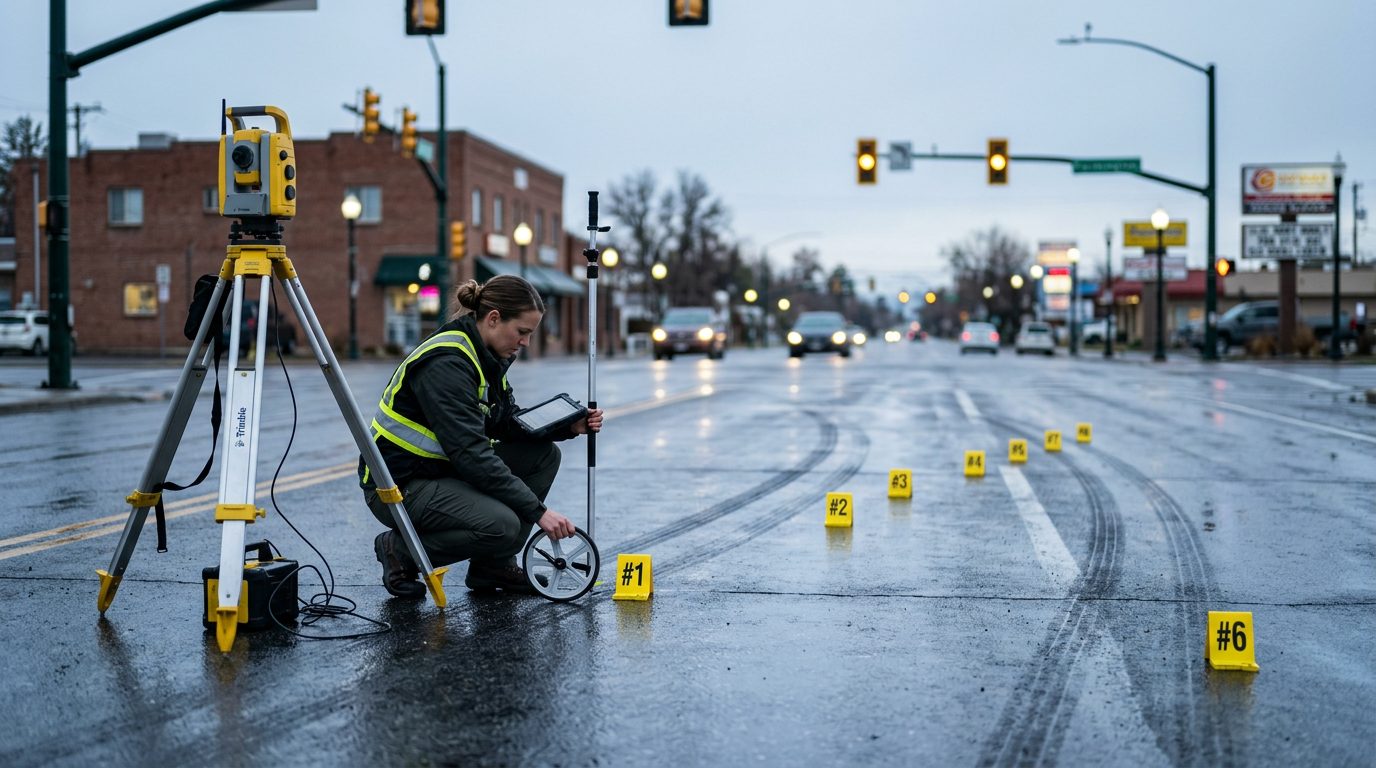
Wrongful Death Claims · Farmington, New Mexico
Losing a Loved One Is Hard. You Don't Have to Sort Out the Legal Questions Alone.
El Gringo Law helps Farmington families understand wrongful death claims in New Mexico. Start with a free, confidential initial consultation, with no obligation to continue.
By Josh Wood · Published October 25, 2026
A wrongful death claim lets a family seek money damages when another person’s wrongful act, neglect, or default causes a death. In New Mexico, the claim is brought by and in the name of the personal representative of the person who died. This guide covers the questions wrongful death Farmington families often ask: who can bring a claim, what damages a jury may weigh, who pays, and what to do first. Every death is different, so each family’s facts matter. Grief makes deadlines and paperwork hard to think about, so plain answers help.
What Wrongful Death Means Under New Mexico Law
A wrongful death claim is a lawsuit for damages when another party’s wrongful act, neglect, or default causes a death. New Mexico’s wrongful death statute, Section 41-2-1, provides that whenever a person’s death is caused by the wrongful act, neglect or default of another, and that act, neglect or default would have entitled the injured person to maintain an action and recover damages if death had not ensued, the person or corporation that would have been liable shall be liable to an action for damages notwithstanding the death of the person injured, even where the death was caused under circumstances that amount in law to a felony. The law does not limit this to one kind of event. A death can follow a car crash, a fall on unsafe property, a fire, or an assault. In each case, the legal question is the same: who caused the death, and how?
New Mexico courts ask whether the conduct was a proximate cause, meaning a significant link to the death. A cause does not have to be the only one. Under Herrera v. Quality Pontiac, a proximate cause is one that, in a natural and continuous sequence, produces the injury, and without which the injury would not have occurred.
If your family is facing a sudden death and wondering whether a wrongful death claim fits, you don't have to sort it out alone. Our team is ready to talk with you. Talk it through with our team — the first consultation is free, confidential, and carries no obligation.
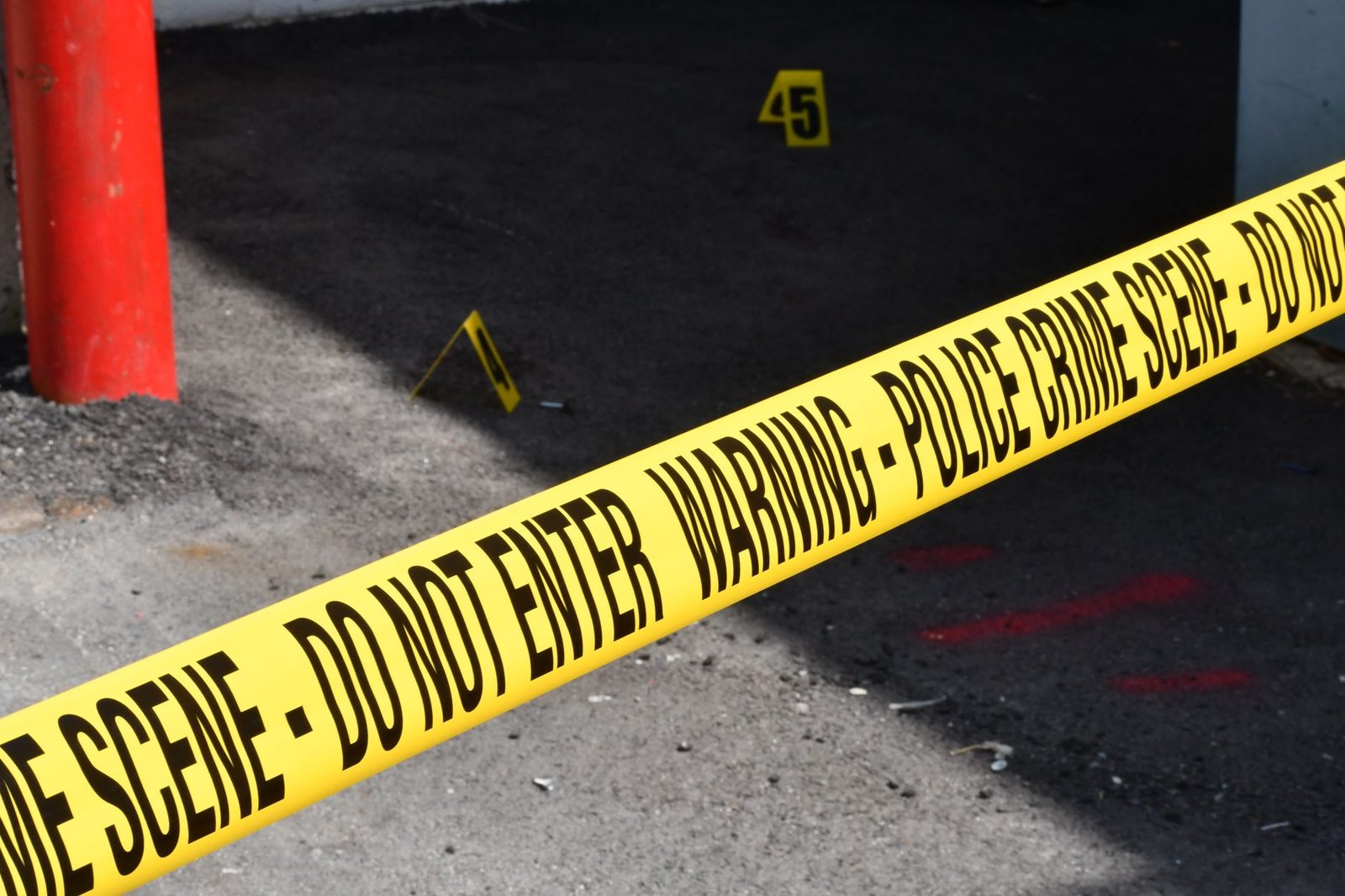
Common Wrongful Death Situations
Wrongful death claims can arise from a vehicle crash, a dangerous property condition, or an assault at a property where security was not reasonable. Each one raises a different question about who was responsible.
Crashes on regional routes such as US 64 and US 550 can turn fatal at intersections, after a lane departure, or when a driver is impaired or distracted. A car crash case can involve more than one driver, so fault must be sorted out carefully.
Commercial trucks share these roads too. A fatal collision with a truck can raise questions about the driver, the carrier, and the load.
Some deaths trace back to property conditions, such as unsafe stairs, icy walkways, or unguarded hazards on commercial or rental property. That is a premises liability question.
Negligent security cases ask whether a property owner protected visitors from foreseeable crime. New Mexico’s jury instruction on a landowner’s duty, UJI 13-1320, says an owner or occupant must use ordinary care to keep the premises safe for use by a visitor, and that this duty to protect visitors arises from a foreseeable risk that a third person will injure a visitor.
A death can also follow catastrophic injuries, spinal cord injuries, amputations, or burn injuries. When the injury caused the death, the same causation questions apply.
Heavy Truck Traffic and Crash Risk Around Farmington
In a truck crash, the most useful early records are usually the driver’s duty-status logs, the carrier’s maintenance and inspection files, and the crash report. Except for private motor carriers of passengers (nonbusiness), federal rules require motor carriers to make drivers record their duty status, and no driver or motor carrier may make a false report in connection with a duty status. Under 49 C.F.R. § 395.8, carriers must keep these records for not less than six months from the date of receipt.
Trucking cases can also raise federal questions.
Each truck case turns on its own facts. A family should not assume any particular company or driver was at fault until the records are reviewed.
Who Can Bring a Wrongful Death Claim in New Mexico
The personal representative of the person who died brings the claim, in that person’s name. Under NMSA 1978, § 41-2-3, every such action must be brought by and in the name of the personal representative of the deceased person.
Because the statute requires that role, the appointment step matters early in the process.
The same statute names who may benefit from a judgment. Each family’s relationships determine where its members fall in that order. Our team reviews those relationships with families during the consultation.
What a Family May Be Able to Seek in Damages
A New Mexico jury may award compensatory and exemplary damages that it considers fair and just. Section 41-2-3 provides that a wrongful death action is brought by and in the name of the personal representative of the deceased person, and that the jury may give such compensatory and exemplary damages as it deems fair and just, taking into consideration the pecuniary injury resulting from the death to the surviving party entitled to the judgment and having regard to the mitigating or aggravating circumstances attending the wrongful act, neglect or default. It may also weigh the mitigating or aggravating circumstances of the wrongful act.
Loss of consortium is a separate claim. The committee recommended revisions to UJI 13-1830 NMRA to further clarify the separate nature of wrongful death damages and loss of consortium damages in situations where the personal representative is also a loss of consortium claimant.
New Mexico’s wrongful death statute, Section 41-2-3, provides that the proceeds of any judgment obtained in such an action are not liable for any debt of the deceased when the decedent has left a spouse, child, father, mother, brother, sister or child or children of the deceased child, as defined in the New Mexico Probate Code. Instead, the proceeds are distributed to those surviving family members in the order the statute sets out. Otherwise, the proceeds are disposed of in the manner authorized by law for the personal property of deceased persons. Every case is different, so no two families should expect the same result.
Who Pays a Wrongful Death Claim
Compensation in these claims usually comes from the liable party’s insurance. Where several liability applies, Section 41-3A-1 provides that any defendant who establishes that the fault of another is a proximate cause of a plaintiff’s injury shall be liable only for that portion of the total dollar amount awarded as damages that equals the ratio of that defendant’s fault to the total fault attributed to all persons, including plaintiffs, defendants and persons not party to the action. Joint and several liability still applies in listed situations, such as vicarious liability and strict liability for a defective product.
Several parties can be involved, such as a driver, an employer, a property owner, or a security provider. Each one’s share matters to the case.
If there is no recovery, you may still be responsible for court costs and the expenses of litigation. New Mexico’s Rule 16-105 requires a contingent fee agreement to be in writing, signed by the client, and clear about expenses the client owes whether or not the client prevails. Your written fee agreement spells out those expenses.
Not sure what your next step is?
Talk it through with our team — the first consultation is free, confidential, and carries no obligation.
Filing Deadlines and Evidence That Can Be Lost
New Mexico requires a wrongful death action to be brought within three years, and the clock starts on the date of death (NMSA 1978, § 41-2-2 — three years from the date of death). Under NMSA 1978, § 41-2-2, a wrongful death action must be brought within three years after the cause of action accrues, and the cause of action accrues as of the date of death (NMSA 1978, § 41-2-2 — three years from the date of death). If a government employer or agency may be involved, different notice rules can apply, so raise that early.
Evidence can disappear. Families should ask about these items soon after a death:
- Crash and scene photos
- Vehicle event data
- Dashcam and business surveillance footage
- Witness names and contact information
- Maintenance and inspection records
- Driver duty-status logs
Section 66-7-213 states that, except as otherwise provided in that section, no accident report shall be used as evidence in any civil or criminal trial arising out of an accident. Families should not assume the crash report alone will carry the case. Acting early helps keep this evidence intact.
Talk With Josh Wood About Your Family’s Situation
If your family is coping with a sudden death and wondering whether a wrongful death claim fits, the next step is a conversation. Our team offers a free, confidential initial consultation with no obligation to continue (Spanish: consulta inicial gratuita, confidencial y sin compromiso). Bring what you have, such as the crash report, photos, witness names, and any records you have received.
You can reach us by calling the number on elgringolaw.com, by sending a message through the contact form, or by starting a chat on elgringolaw.com. Josh Wood is the lawyer responsible for this page’s content. He is licensed in New Mexico and Arizona.
Quick answers on wrongful death Farmington claims
How long do families have to file in New Mexico?
Per Section 41-2-2, a wrongful death action must be brought within three years after the cause of action accrues, and it accrues as of the date of death (NMSA 1978, § 41-2-2 — three years from the date of death).
Who files a New Mexico wrongful death claim?
The personal representative of the person who died files it, in that person’s name. The cause of action accrues as of the date of death, and every such action must be brought within three years after the cause of action accrues (NMSA 1978, § 41-2-2).
Does a partly at-fault person’s family lose everything?
Frequently Asked Questions
Who can file a wrongful death claim in New Mexico?
In New Mexico, a wrongful death claim is usually brought by the personal representative of the deceased person’s estate, for the benefit of family members the law allows to recover, such as a spouse, children, or parents. Contact El Gringo Law for a free, confidential initial consultation with no obligation to continue.
How long do families have to file a wrongful death lawsuit in New Mexico?
New Mexico’s general deadline for wrongful death lawsuits is three years from the date of death, but other rules can change that timeline. Because deadlines depend on the facts, families in Farmington can contact El Gringo Law for a free, confidential initial consultation with no obligation to continue.
What kinds of losses can a wrongful death claim seek?
A wrongful death claim may seek losses such as lost financial support, loss of companionship and guidance, and certain expenses like medical bills and funeral costs. Which losses apply depends on the facts of the case and the family members involved.
What should a Farmington family do after a fatal accident?
Families should keep copies of police and medical reports, insurance papers, and bills, and should write down what they remember about the incident. El Gringo Law offers a free, confidential initial consultation with no obligation to continue to help families understand their options.
How El Gringo Law Approaches Your Family's Case
Respect for your loss
Your family is grieving. We focus on listening first and taking the time to explain each step in plain language.
Advocacy for families
We focus on wrongful death matters and aim to hold responsible parties accountable on behalf of the people left behind.
Clear, ongoing communication
Our team keeps you informed about questions, next steps, and what to expect, in language you can understand.
Options explained up front
During your consultation, we discuss the facts you know and the questions you have, so you can decide what makes sense for your family.
Start Gathering Information Early
Records, photographs, police reports, and witness names can become harder to find over time. Writing down what you remember while it is fresh can help. If you have questions about what to collect, contact our team.
Common Questions Families Bring to Us
What happened and who was involved
Families often start with the circumstances of the death, the parties involved, and any reports or records that describe what happened.
Who can bring a claim
Wrongful death matters involve family members and the estate in ways that depend on the facts. We can explain how those pieces apply to your situation.
What the process may look like
Every case moves at its own pace. We discuss investigation, documentation, and communication with you so you know what to expect.
How to get started
Reach out for a free, confidential initial consultation. There is no obligation to continue after we speak.