Wrongful Death · New Mexico
When a Loss Becomes a Legal Claim: Understanding Wrongful Death in New Mexico
Wrongful death is a civil claim that seeks money damages for a family whose loved one died because of another person's wrongful conduct. Here is how it works and how El Gringo Law can help you start the conversation.
By Josh Wood · Published October 31, 2026
What type of law is wrongful death? It is civil law. Wrongful death is a lawsuit that asks for money damages after a person dies because of another party’s wrongful act, neglect, or default. It falls under tort law, the body of civil law about harm caused by someone else’s conduct. It is not a criminal case. This guide explains how the claim works in New Mexico, who can bring it, and what families should know early.
Wrongful Death Is a Civil Claim, Not a Criminal Case
Wrongful death is a civil claim that asks for money damages. A private party brings it, not the state. The central question is whether another party’s conduct caused the death and what the family lost because of it.
New Mexico’s Wrongful Death Act sets the core rule in NMSA §§ 41-2-1 to 41-2-3. If a death is caused by another’s wrongful act, neglect, or default that would, had death not ensued, have entitled the injured person to maintain an action and recover damages, the party who would have been liable had the person lived can be sued. The action continues even though the injured person has died.
The claim does not ask a court to convict anyone of a crime. It asks for damages for the people the law allows to recover. Many families first hear the term after a sudden loss, when they are already juggling paperwork and grief. Our wrongful death law overview for New Mexico explains the practice area in more detail.
If you are trying to make sense of a death you did not expect, you don't have to face the legal questions alone, and our team can talk through your situation with you. Talk it through with our team — the first consultation is free, confidential, and carries no obligation.
How Wrongful Death Differs From a Criminal Case
A criminal case asks whether the government can prove a crime. A wrongful death claim asks whether a party owes money for a death. The two are separate processes.
The state brings criminal charges, and a prosecutor represents the public. A wrongful death claim works differently. The statute makes the person or corporation that would have been liable, had the death not occurred, liable to an action for damages. The action is brought by and in the name of the personal representative of the deceased person.
A criminal case can move on its own timeline, and a civil claim has its own rules. Some deaths involve both. Others involve only one. Families may have questions about either process, or both, and the answers don’t always line up.
Who Can Bring a Wrongful Death Claim in New Mexico
The claim is filed by the personal representative of the person who died, for the benefit of surviving family members. Section 41-2-3 requires that the action be brought by and in the name of the personal representative of the deceased person.
The Wrongful Death Act says the action must be brought “by and in the name of the personal representative” of the deceased person. The same statute also sets out who shares in any judgment. The proceeds of a judgment are not liable for the deceased person’s debts, provided the decedent has left a spouse, child, father, mother, brother, sister or child or children of the deceased child.
Families often need help sorting out these roles early, before decisions get made under pressure.
The Basic Proof: Four Elements of Negligence
Under Herrera v. Quality Pontiac, a negligence claim generally requires a duty owed by a defendant to a plaintiff, a breach of that duty (typically measured against a standard of reasonable care), and that breach being both a proximate cause and a cause in fact of the plaintiff’s damages. New Mexico courts describe a negligence claim as requiring a duty owed by the defendant to the plaintiff, a breach of that duty, and a breach that is a proximate cause and cause in fact of the plaintiff’s damages (Herrera v. Quality Pontiac).
In plain terms:
- Duty: Drivers must use reasonable care toward other road users.
- Breach: The party failed to meet that duty. A driver who runs a red light and hits a car has breached the duty.
- Causation: The breach caused the death. A proximate cause produces the injury in a natural and continuous sequence. It need not be the only cause.
- Damages: The family suffered real losses because of the death.
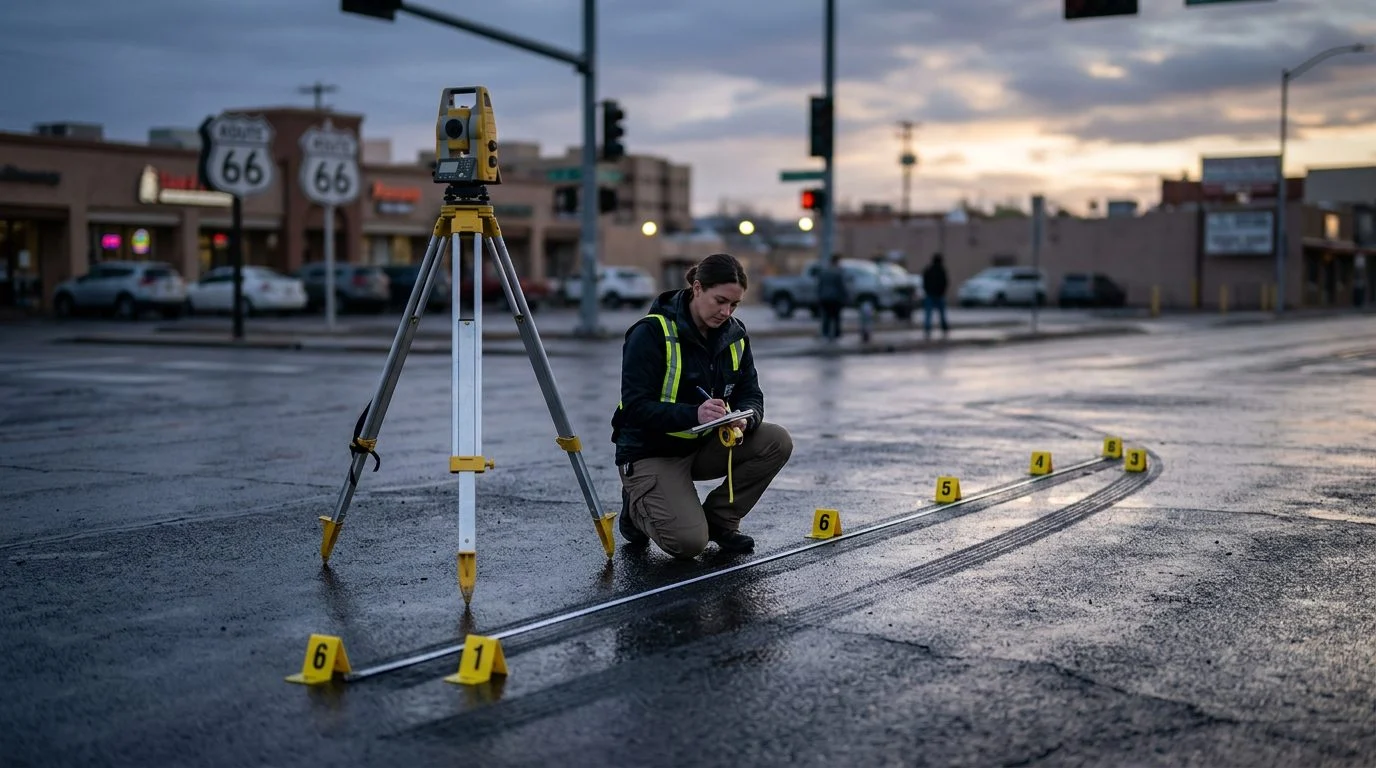
Each element is fact-specific. Police reports, medical records, and witness accounts often help prove them. Families dealing with a fatal crash can learn more about our car accident work on this site.
The Three Types of Torts That Can Support a Claim
Tort claims usually fall into three broad groups: intentional, negligent, and strict liability. Each group describes a different kind of wrong.
Intentional torts involve a deliberate act that causes harm. Sexual assault is one example that can support a civil claim. Negligence involves a failure to use reasonable care, such as a crash caused by distracted driving or an unsafe condition left unrepaired on a property. Strict liability can hold a party responsible in certain settings without proof that it was careless.
One event can fall into more than one group. Families rarely need to pick the label on their own. Lawyers look at what happened, who controlled the setting, and what the evidence shows before choosing which theories fit.
Common Situations That Lead to Wrongful Death Claims
Wrongful death claims often arise from car and trucking crashes, unsafe premises, negligent security, and sexual assault.
Car accidents are the most familiar example. In some cases, a vehicle’s owner can also be responsible. New Mexico courts have described a negligent entrustment claim as requiring that the owner entrusted its vehicle to the driver, knew or should have known the driver was incompetent, and that incompetence caused the injury (DeMatteo v. Simon).
Trucking crashes add another layer. Under 49 CFR § 395.3, except as otherwise provided in § 395.1, a motor carrier must not have a driver of a property-carrying commercial motor vehicle drive before the driver has taken 10 consecutive hours off duty, and a driver may not drive after a period of 14 consecutive hours after coming on duty following 10 consecutive hours off duty.
Premises cases often turn on the owner’s duty. An owner or occupant owes a visitor a duty to use ordinary care to keep the premises safe (UJI 13-1309 NMRA). The committee commentary notes that this duty can apply even when a danger is known or obvious. Negligent security claims ask whether a property owner failed to keep people reasonably safe from foreseeable harm.
Not sure what your next step is?
Talk it through with our team — the first consultation is free, confidential, and carries no obligation.
What a Wrongful Death Claim May Seek and How Timing Works
Every wrongful death action under New Mexico’s statute must be brought within three years after the cause of action accrues (NMSA § 41-2-2). Under the statute, the cause of action accrues as of the date of death (NMSA § 41-2-2). Missing that deadline can end a claim, so families should learn it early.
Under NMSA § 41-2-3, the jury in every such action may give such damages, compensatory and exemplary, as they deem fair and just. In assessing damages, the jury may take into consideration the pecuniary injury resulting from the death to the surviving party entitled to the judgment, and may also have regard to the mitigating or aggravating circumstances attending the wrongful act (NMSA § 41-2-3). Some relatives may also have their own loss of consortium claim.
How long a claim takes, and whether it settles or goes to trial, depends on the facts. Every case is different; past results do not predict a similar outcome.
Frequently asked questions
What type of law is wrongful death?
It is civil law. The claim seeks money damages under tort law, not a criminal penalty.
Who can file a wrongful death claim in New Mexico?
The personal representative of the deceased person brings the action for the surviving family.
How long do you have to file?
Under NMSA § 41-2-2, the action must be brought within three years after the cause of action accrues, and the cause of action accrues as of the date of death (NMSA 1978, § 41-2-2 — three years from the date of death).
Is a criminal conviction required?
No. A civil claim is a separate process from any criminal case.
Talking Through Your Situation With Our Team
If you’re reading this after a sudden death, you may be handling funeral plans, insurance letters, and questions from relatives all at once. You don’t have to sort out the legal side alone.
Josh Wood is the lawyer responsible for this page’s content. He is licensed in New Mexico and Arizona. Our team at El Gringo Law can review the facts of a specific death and explain how New Mexico’s wrongful death law may apply.
If you’re trying to make sense of a death you did not expect, our team can talk through your situation with you. Your first consultation is free, confidential, and comes with no obligation to continue. Reach out through our contact form or visit elgringolaw.com.
Situations that can lead to a wrongful death claim
Car accidents
A fatal crash caused by another driver's negligence, such as distracted, impaired, or reckless driving.
Trucking accidents
Deaths involving commercial trucks, where driver conduct, company practices, or vehicle maintenance may be at issue.
Premises liability
A death caused by a dangerous condition on property that the owner or operator failed to address.
Negligent security
A death that occurred because a property owner or manager did not take reasonable steps to protect people from foreseeable criminal harm.
How we approach these cases
Compassion first
Losing someone is painful. We listen to your family's story at your pace and explain your options in plain language.
Confidential conversations
What you share with us about your loved one and your situation stays private.
Clear communication
We keep you informed about what is happening and what the next steps involve, so you are never left guessing.
Focused on New Mexico law
Our work is grounded in New Mexico civil law. Josh Wood, the responsible lawyer for this page, is licensed in New Mexico and Arizona.
Start gathering what you have
Important records can be hard to collect after a loss. If you have them, keep the death certificate, police or crash reports, medical and hospital records, and bills or receipts related to the incident. Bring them to your consultation, but do not let missing paperwork stop you from calling.