

Table of Contents
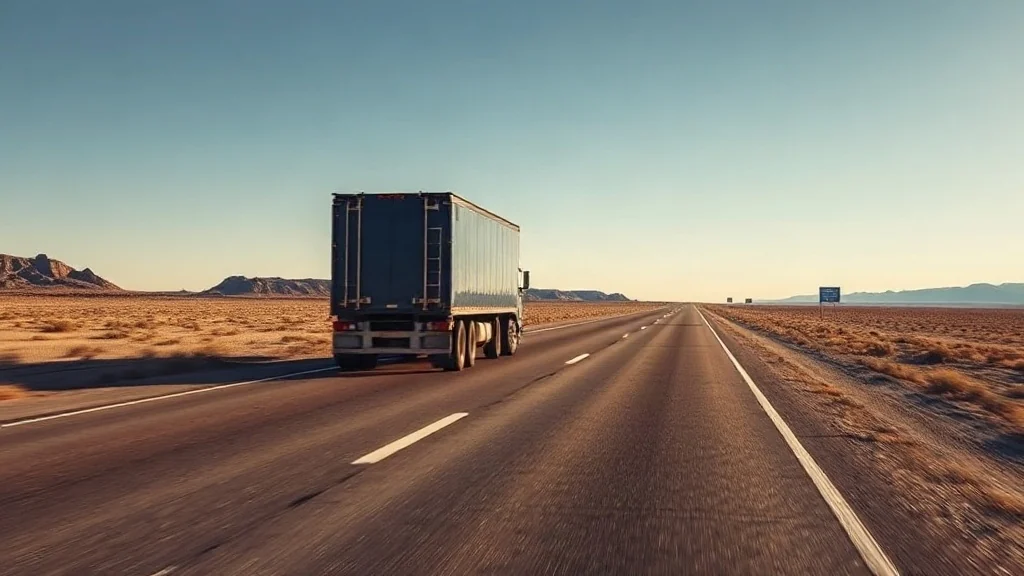
A Permian haul runs on a loop: stage at the yard before sunrise, load water or sand, run the two-lane out to the lease road, wait in line, unload, turn around, do it again until the hours run out. Multiply that loop by the fleets working around Carlsbad, Loving, Artesia and Hobbs, and you get the traffic that transformed US-285 from a quiet ranch highway into one of the most feared roads in New Mexico. If one of those trucks hit you, your claim points at the driver and the layers of companies behind him, and the sorting of those layers is where these cases are won.
What happened to US-285?
The oil boom on the New Mexico side of the Permian Basin concentrated in Eddy and Lea counties, and US-285 became its main artery: a two-lane road from the Texas line through Malaga and Loving into Carlsbad and on toward Artesia, built decades before anyone imagined this volume of heavy industrial traffic. Narrow shoulders, long no-passing stretches, and lease road entrances where dust and slow-turning tankers meet highway-speed traffic.
The results drew statewide attention. Regional reporting, including a Searchlight New Mexico investigation, documented the surge in wrecks during the boom years and the nickname residents gave the road: Death Highway. State officials responded by designating a safety corridor on the stretch south of Carlsbad, the kind of designation reserved for roads with a recognized crash problem. Conditions improve and worsen with drilling activity, but the underlying mismatch remains: an old rural highway carrying modern industrial loads.
Why are oilfield trucking crashes different?
Start with what the trucks carry. Water, sand, crude and pipe are heavy, and liquid loads surge inside a tanker, pushing the vehicle forward in exactly the moment the driver brakes. Stopping distances stretch, rollovers happen at speeds that would be routine for a pickup.
Then look at the economics. Much of the fleet is paid by the load or the barrel, which quietly rewards speed and long days. Boom hiring pulls in drivers faster than experience can accumulate, shifts run long, and housing is often an hour or more from the work, so fatigue rides along on both ends of the day. Equipment takes a beating on caliche lease roads and does not always get the maintenance schedule it needs. None of this is an excuse; all of it is evidence, and knowing where to look for it is the difference between an ordinary claim and a fully built one. Our guide to truck accidents versus car accidents in New Mexico explains how commercial cases differ from the ground up.
Who is responsible when an oilfield truck causes a crash?
Almost never just the driver, and almost never the company whose name you would guess. The operator that owns the well rarely owns the trucks. It hires contractors, the contractors hire trucking companies, and the trucking companies hire owner-operators, so the water truck that crossed the centerline may sit at the bottom of three layers of contracts, each layer with its own insurance policy.
To be clear about the frame: if you were hit while commuting to work in Carlsbad, driving a ranch pickup outside Loving, or taking the family toward the Caverns, this is an ordinary third-party injury claim against the driver and the companies behind the truck. It is a traffic case, not an employment matter, and your right to bring it does not depend on where anyone works. The investigation identifies the motor carrier whose authority the truck ran under, the contracts above it, and every policy that applies, because on a serious injury the first policy is rarely enough. Our New Mexico car accident guide covers the claim process itself step by step.
What should you do after a crash on US-285?
The southeast corner adds its own complications: long distances to hospitals, stretched emergency services, and crash scenes that get cleared fast because the road cannot stay closed. As far as your condition allows:
- Get medical care even if you feel functional; adrenaline hides injuries, and the nearest hospital being far away is a reason to go now, not later.
- Photograph the vehicles, the road, and the truck’s markings, especially the USDOT number on the door.
- Get names and phone numbers from witnesses; on 285, they are often other drivers who saw the whole pattern develop.
- Make sure a police report is filed and get its number.
Then move quickly on the legal side, because oilfield fleets rotate equipment, drivers change employers, and electronic logging data has a short retention life. A preservation letter sent in the first days locks the evidence in place. And be careful with early offers: an adjuster who calls while you are still in treatment is not calling to be generous. More background material lives in our New Mexico personal injury legal resources. We are based in Albuquerque, we take these cases statewide, and yes, the firm really is called El Gringo Law; adjusters remember the name, which suits us fine.
Frequently asked questions
Is US-285 really called the Death Highway?
Yes. Residents of the Carlsbad and Loving area coined the nickname during the boom years, and regional investigative reporting adopted it while documenting the surge in serious wrecks. The state’s decision to designate a safety corridor on part of the route reflects the same reality: this stretch earned its reputation, and drivers treat it accordingly.
Who pays when the truck driver worked for a subcontractor?
Potentially several parties at once: the driver, the trucking company, the contractor that hired it, and the owner of the tractor or trailer, each with separate insurance. The contracts between those layers decide who owed what duty. Untangling that chain early matters, because serious injuries routinely exceed what any single policy in the stack will pay.
Does it matter that my crash happened far from any city?
Not for your rights. New Mexico courts serve rural counties the same as urban ones, and lawyers handle cases across the state. It does affect the practical work: witnesses scatter, skid marks fade, and rural crash scenes get cleared quickly, so the investigation needs to start sooner rather than later. Distance is a logistics problem, not a legal one.
How long do I have to bring a claim?
New Mexico law, NMSA 37-1-8, gives you three years from the crash to file a personal injury lawsuit, and generally two years when a government entity is involved. The practical window is much shorter, because trucking evidence like logging data and camera footage can disappear within months. Treat the legal deadline as a backstop, not a schedule.
If an oilfield truck or any commercial vehicle injured you on US-285 or anywhere in southeast New Mexico, call us today at (505) 207-5000. The case review is free, in English or Spanish, and there is no fee unless we win.
Free Case Review
Tell us what happened. There is no obligation to move forward.