Burn Injuries | New Mexico
Burn Injuries Turn Your Life Upside Down. Get Clear Answers About Your Options.
El Gringo Law represents burn injury victims across New Mexico. Start with a free, confidential first consultation, with no obligation to continue.
By Josh Wood · Published November 1, 2026
A burn injury claim in New Mexico is a personal injury claim filed when another person’s or company’s negligence caused a burn. The injured person can seek compensation for the harm the burn caused, including medical bills, lost income, and lasting effects.
Burns happen in many ways. A car or truck fire after a crash, a hot water scald, or a hazard on someone else’s property can each lead to a claim. Each cause raises different questions about who is responsible and what evidence matters.
This page explains burn injury claims in New Mexico in plain terms. You’ll read about causes, burn degrees, how medical records show severity, who may be responsible, New Mexico’s deadlines and fault rules, and how the claim process usually moves. The information applies to Albuquerque and Bernalillo County, Santa Fe, Rio Rancho, Las Cruces, Sandoval County, Taos, and Farmington.
What a Burn Injury Claim Is in New Mexico
A burn injury claim is a negligence claim. Negligence means a person or company failed to use reasonable care, and that failure caused harm. Generally, a negligence claim requires the existence of a duty from a defendant to a plaintiff, breach of that duty, which is typically based upon a standard of reasonable care, and the breach being a proximate cause and cause in fact of the plaintiff’s damages (Herrera v. Quality Pontiac).
Medical treatment and a burn claim are separate. Treatment focuses on healing. The claim focuses on who pays for that care and the other losses the burn created. A claim never replaces the care you need, so follow your doctors’ advice first.
A burn at work may fall under a different system, such as workers’ compensation. That system uses different rules. Where and how the burn happened matters, because it decides which rules apply.
A claim seeks money for the harm the burn caused. That can include medical bills, lost income, pain, scarring, and long-term effects. No one can predict the result of a claim, because each one turns on its own facts.
If a fire after a crash or a scald has left you burned and you're weighing a claim, our team can help you sort through your options. Talk it through with our team — the first consultation is free, confidential, and carries no obligation.
Common Causes of Burn Injuries
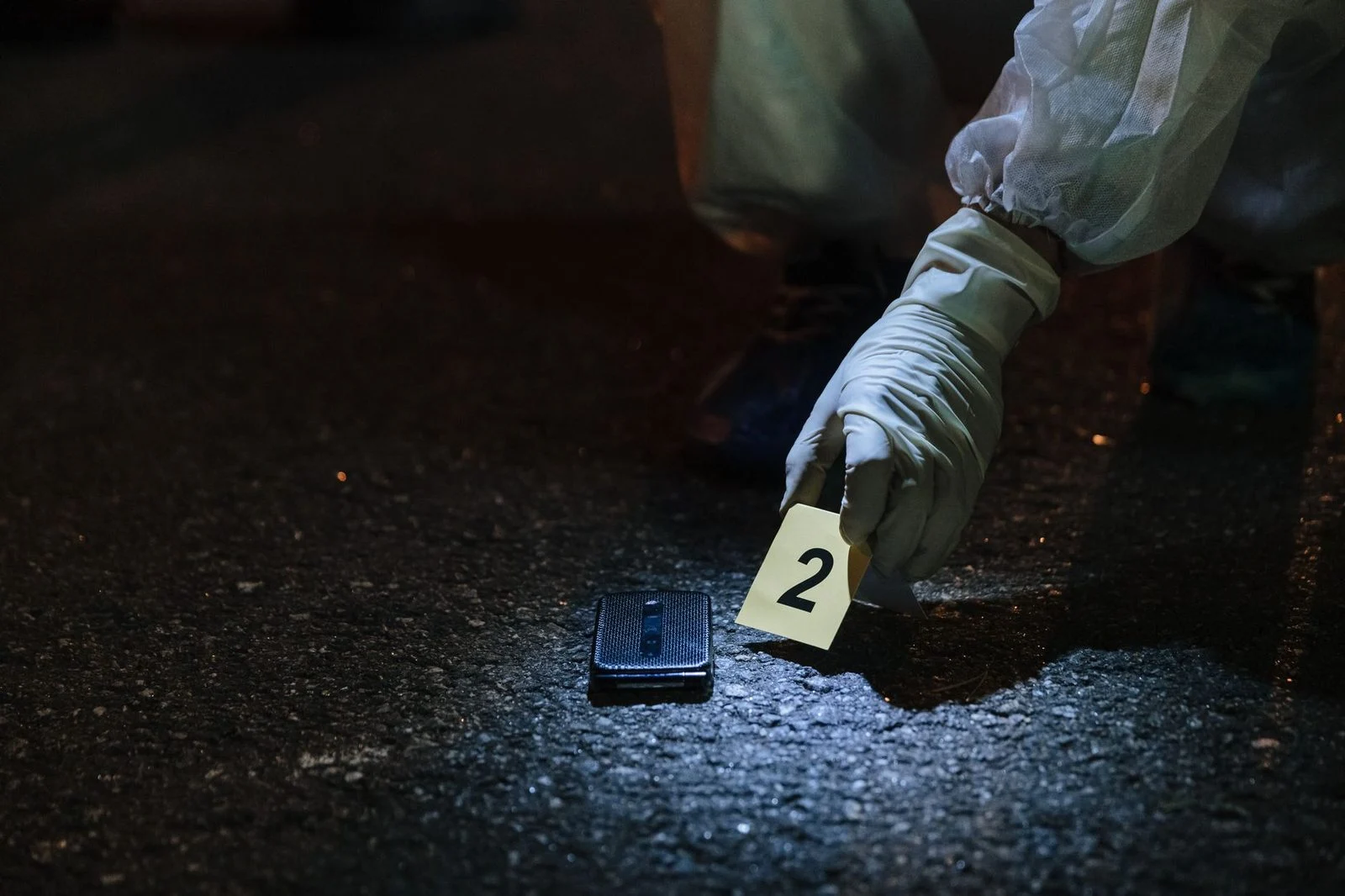
Most burn claims start with a crash, a fire, a scald, or a dangerous property condition. The cause points to who may have been negligent.
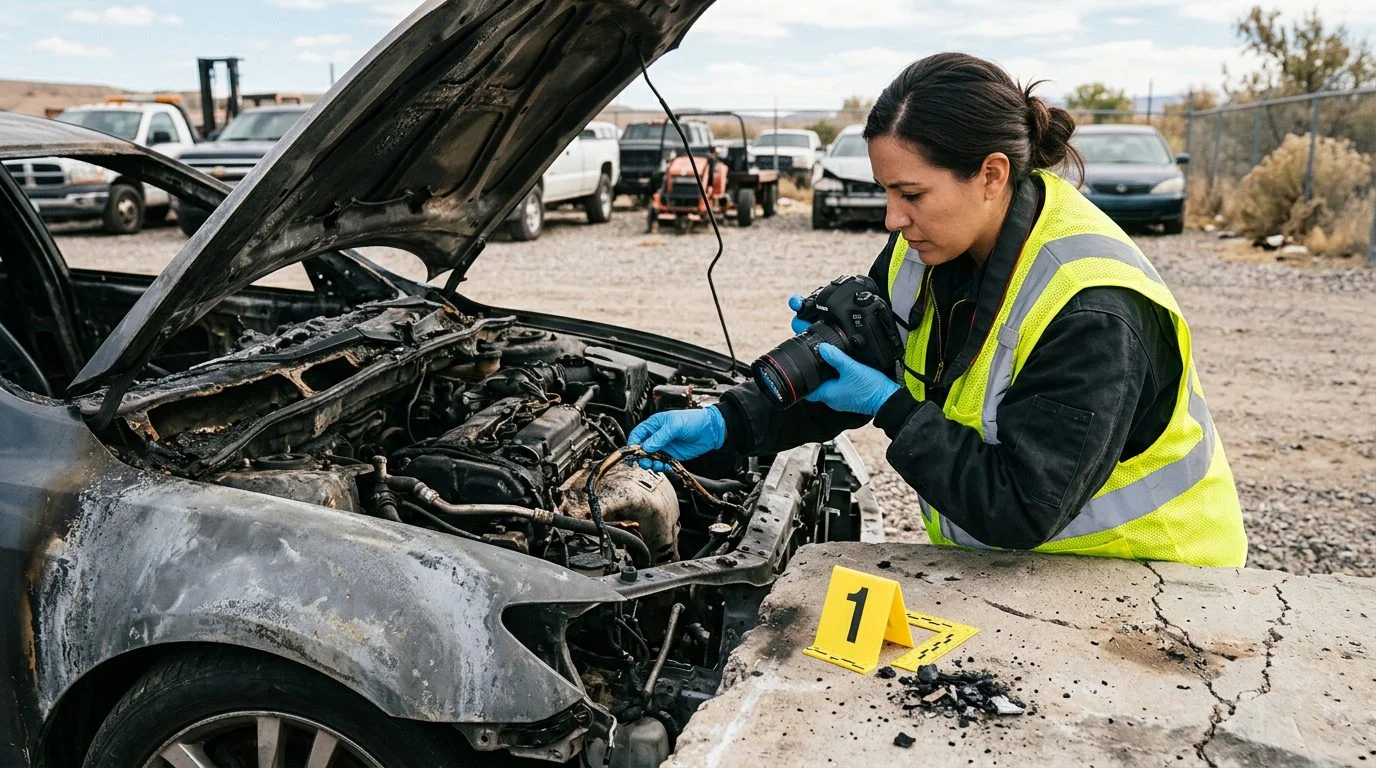
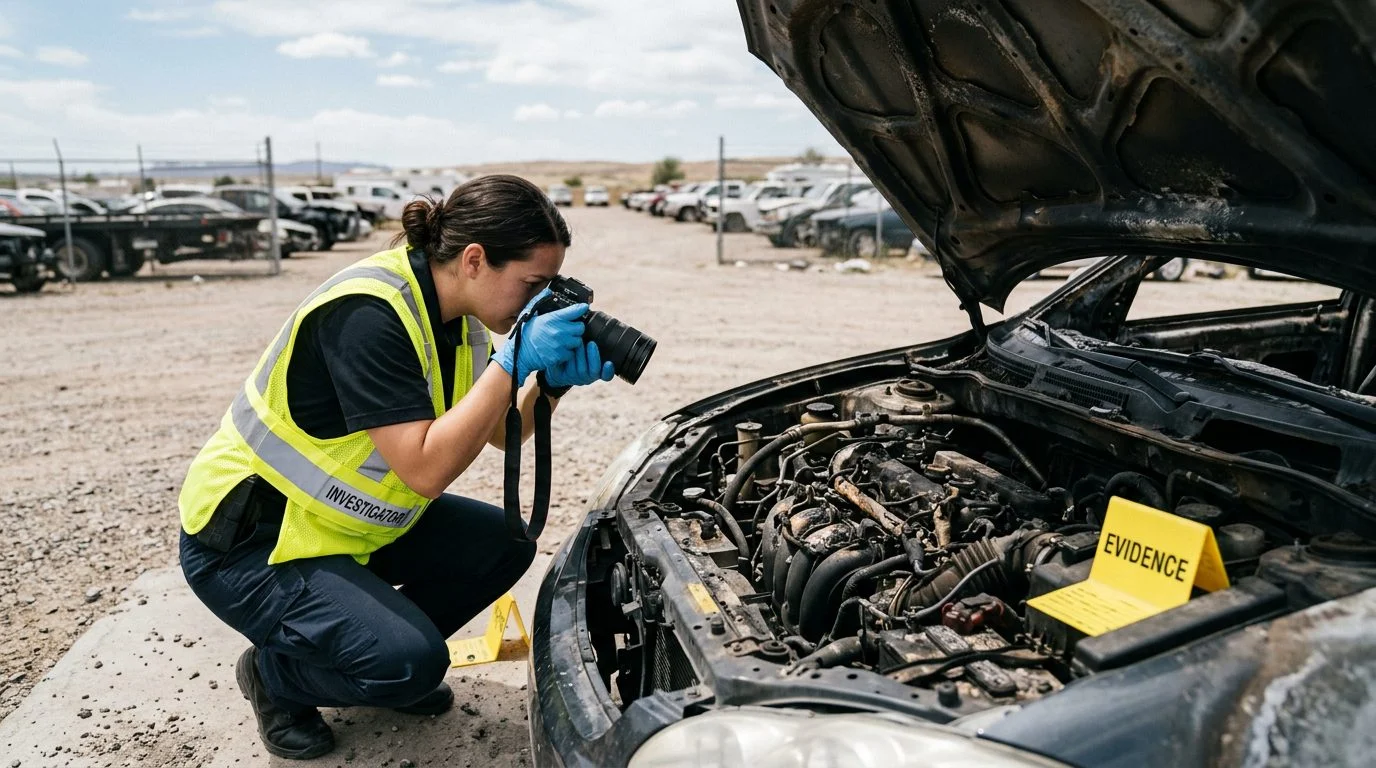
Car fires after a crash. Impact can rupture a fuel line, damage wiring, or break a battery. Fire can spread into the cabin fast. The key question is whether the crash, a defect, or poor maintenance started the fire. Our car fire burn injury guide covers these fact patterns in more depth.
Truck fires. Commercial vehicles carry fuel, cargo, and heavy equipment. A fire can start from a fuel leak, a cargo problem, or a mechanical failure. Responsibility may reach past the driver to the company that operated the truck.
Scald burns. Hot water from a faulty heater, or heating equipment that was poorly installed or not maintained, can cause serious scalds. These cases often turn on maintenance records and installation work.
Unsafe premises. Exposed wiring, unguarded heat sources, and hazards the owner knew about or should have fixed can cause burns. New Mexico requires an owner or occupant to use ordinary care to keep the premises safe for visitors (UJI 13-1309 NMRA).
The American Burn Association fact sheet tracks burn causes and hospitalization. It helps explain why these injuries follow recognizable patterns.
Burn Degrees Explained: First, Second and Third Degree
Doctors describe burns by depth. The three common categories are first, second, and third degree.
First-degree burns affect the outer layer of skin. They are usually red and painful, and they typically do not blister.
Second-degree burns reach deeper layers. They often blister and hurt a great deal. Doctors call these partial-thickness burns.
Third-degree burns pass through the full thickness of skin and can reach deeper tissue. They often need surgical care, such as skin grafts, and may leave lasting scars. Doctors call these full-thickness burns.
Depth is only one factor. Total body surface area matters. So does location. A burn on the hands, face, airway, or a joint can carry more impact than its size suggests. A first-degree burn from a crash can still matter, and our first-degree burn from crash guide covers that lower-severity pattern.
How Burn Severity Is Documented and Why It Matters
Medical records are the main proof of how severe a burn was.
Emergency room notes, burn unit records, follow-up visits, and wound care notes record the degree and extent of the burn. Photographs taken during treatment can show how the wound changed over time. Treatment notes also record debridement, which means removing damaged tissue, and skin grafts, which replace lost skin.
These records matter for two reasons. They support the medical costs. They also describe pain, scarring, and loss of function. A record that calls a burn minor, when later care involved grafting, can create confusion. Keeping the full record helps prevent that.
A few habits help. Keep copies of every bill, discharge sheet, prescription, and appointment summary in one place. Write down daily pain, tasks you can’t do, and work you miss. Attend follow-up visits, because gaps in treatment can be questioned later.
Who May Be Responsible for a Burn Injury
More than one party can share responsibility for a burn. The answer depends on how the burn happened and what evidence exists.
Other drivers can be responsible when their negligence causes a crash that leads to a fire. A driver’s conduct does not have to be the only cause. Under New Mexico law, a proximate cause is one that, in a natural and continuous sequence, produces the injury and without which the injury would not have occurred (Herrera v. Quality Pontiac).
Trucking companies and carriers can be responsible when maintenance, loading, fuel handling, or driver conduct contributed. Property owners and managers owe visitors a duty to use ordinary care to keep the premises safe. Manufacturers or distributors can be involved when a defective vehicle part or water heater contributed to the burn.
When several parties are involved, the fault question gets more detailed. Section 7 explains how New Mexico divides fault among them.
Damages a Burn Injury Claim May Address
A burn injury claim can seek money for medical costs, lost income, pain and suffering, and lasting changes to the body.
Past and future medical expenses. These can include emergency care, surgery, skin grafts, debridement, and rehabilitation. Future care matters when a burn needs more procedures later.
Lost wages and earning ability. A burn can keep you from work for a time or limit the work you can do. Pay stubs and employer records help show that loss.
Pain, emotional distress, and daily life. Burns can cause constant pain, poor sleep, and fear of fire or heat. These harms are real, even though they don’t appear on a bill.
Scarring and loss of function. Scars, tight skin, and limited movement in a joint can affect daily life long after the wound closes.
Severe burns can overlap with catastrophic injury claims. Our catastrophic injuries page covers that overlap. The amount of any claim depends on the proof developed in that case.
Not sure what your next step is?
Talk it through with our team — the first consultation is free, confidential, and carries no obligation.
Deadlines and New Mexico Fault Rules
For most personal injury claims against private parties, New Mexico’s general deadline is three years. NMSA § 37-1-8 provides that an action for an injury to the person or reputation of any person must be brought within three years.
Claims against government entities run on a shorter track. Under NMSA § 41-4-15, actions against a governmental entity or a public employee for torts are forever barred unless commenced within two years after the date of occurrence resulting in loss, injury or death, except that a minor under the full age of seven years shall have until his ninth birthday in which to file.
Fault works differently. New Mexico follows pure comparative negligence. An injured person who shares fault is not totally barred from recovery (Scott v. Rizzo). The jury’s percentages reduce the award. When there is no apportionment among defendants, the plaintiff’s total damages are reduced by the plaintiff’s percentage of negligence (UJI 13-2218 NMRA).
Early action helps protect evidence like vehicle data, video, and maintenance records. How these deadlines apply depends on the facts of your case.
Insurance Claims and the Claim Process Step by Step
The claim process usually starts with reporting the injury, gathering records, and identifying who may be responsible.
Two kinds of insurance claims matter. A first-party claim goes to your own insurer under your own policy. A third-party claim goes to the insurer of the person who caused the harm.
Insurers investigate. They may ask for a recorded statement. It’s reasonable to ask for time to talk with a lawyer before giving one.
Negotiation often comes next. If talks fail, a lawsuit may be filed. In New Mexico, a third-party claim against an at-fault driver’s insurer for unfair claims practices based on failure to settle can be brought only after the underlying negligence claim is resolved, meaning fault and damages have been determined (Hovet v. Allstate Ins. Co.).
Timelines vary with the injuries, the evidence, and the parties involved. A claim often moves slowest while treatment is still going on.
Fees, Costs and the Free First Consultation
Our first consultation is free, confidential, and comes with no obligation to continue.
At that meeting, we listen to what happened, review the records you have, and explain the rules that may apply to your situation. You decide what comes next.
Bring your medical records, photos of the burn, any letters from insurers, and a short written timeline of the event. Those items help in any burn case, and they make the first meeting more useful.
Burn Injury Help Across New Mexico Communities
Burn claims in New Mexico often reflect local roads, employers, and property types. Local crash data helps frame road conditions, but each claim turns on its own records.
This page connects to our pages for the communities we serve, including Las Cruces in Doña Ana County, Taos, Farmington in San Juan County, Santa Fe, and Rio Rancho. Spanish-speaking readers can find Spanish-language information on our abogado quemaduras albuquerque page.
Talk With Josh Wood About a Burn Injury in New Mexico
Josh Wood can talk through a burn from a crash, a vehicle fire, a scald, or an unsafe property with you.
Frequently asked questions
How long do I have to file a burn injury claim in New Mexico?
For most injury claims against private parties, the general deadline is three years under NMSA § 37-1-8. Claims against government entities have shorter deadlines.
What if I was partly at fault?
New Mexico follows pure comparative negligence. Your share of fault reduces the award but does not bar recovery (Scott v. Rizzo).
Who can be responsible for a truck fire burn?
The driver, the trucking company, a maintenance provider, or a manufacturer may be responsible. The answer depends on how the fire started.
If a fire after a crash, a scald, or an unsafe property left you burned, and you’re deciding whether to pursue a claim, Josh Wood is ready to talk it through. Josh Wood is the lawyer responsible for this content and is licensed in New Mexico and Arizona. Reach out through the El Gringo Law contact page on our website, or start a chat there, to set up your first consultation.
How We Can Help Burn Injury Victims
Review What Happened
We look at the facts behind your burn injury, including how the fire or burn occurred and what caused it.
Explain Your Options
We walk you through the claim options that may be available to you under New Mexico law, in plain language.
Work With a Team That Listens
Our team, including the lawyers at El Gringo Law, takes time to understand your medical needs, your family, and your concerns.
Ask Your Questions Directly
Call, send a contact form, or start a chat. You decide how much information to share and when.
Talk to Us Before You Sign Anything
Insurance companies often reach out quickly after a burn injury, sometimes with requests for recorded statements or early settlement offers. Speak with us before you sign any document or accept any offer.
Common Causes of Burn Injuries
Vehicle Crashes and Fires
Fuel leaks, electrical failures, and collisions can ignite vehicles and cause serious burns to drivers and passengers.
Trucking Accidents
Commercial trucks carry fuel and cargo that can ignite during a crash, leading to severe burn injuries.
Unsafe Premises
Hazards such as faulty wiring, scalding water, or unmarked heat sources on a property can cause burns when owners fail to keep visitors safe.
Catastrophic Burn Injuries
Severe burns may require extended treatment, surgery, and rehabilitation, and they often affect work and daily life for years.