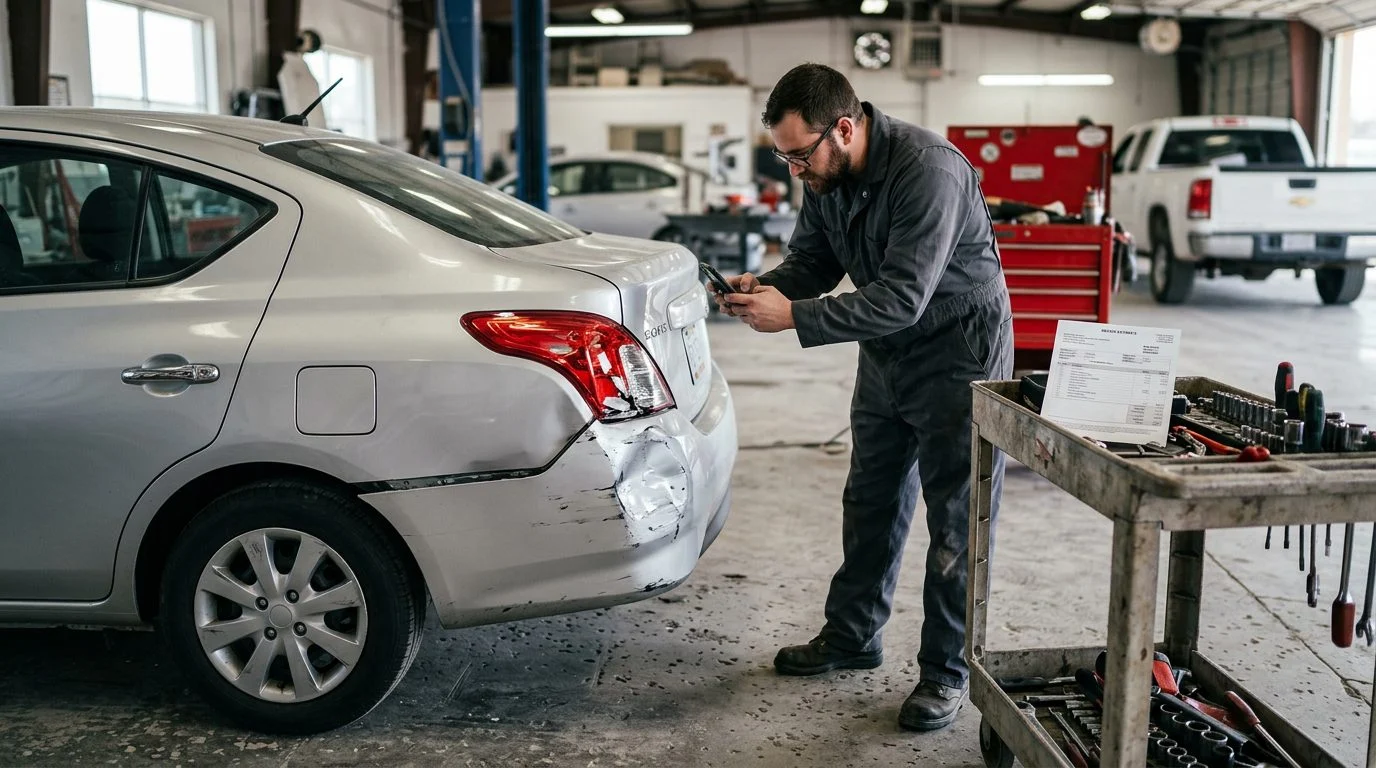
Car accident claims in New Mexico
What Not to Tell Your Insurance Company After a New Mexico Car Accident
Insurance adjusters are trained to gather information, and what you say can shape your claim. Learn which statements to avoid while you focus on your recovery.
By Josh Wood · Published November 2, 2026
Knowing what not to tell your insurance company can protect your claim after a car accident. Adjusters work for the insurer, and what you say may be written down and used later. This guide covers the statements that most often cause trouble in New Mexico claims, and why each one matters.
What should you not tell an insurance adjuster after a car accident?
Do not give the adjuster guesses, opinions, or a summary of your injuries before you have medical care. The adjuster works for the insurance company, even when the call feels friendly or routine. Early statements are often noted in the claim file and can be quoted later.
New Mexico also has its own reporting steps after a crash. A driver must immediately notify police if the crash happens in a city. Otherwise, the driver must notify the county sheriff or the nearest State Police office, when there is injury or property damage of $500 or more (New Mexico immediate notice law).
For the broader topic, see our guide to car accidents in New Mexico.
If an adjuster has already called you after a crash in New Mexico, our team can talk through your situation with you. Talk it through with our team — the first consultation is free, confidential, and carries no obligation.

Do not guess about fault, speed, or how the crash happened
Describe only what you saw and did, and do not guess about speed, signals, or who caused the crash. New Mexico uses comparative negligence, so your share of fault reduces damages but does not bar recovery.
Phrases like “I think I was going too fast” or “I didn’t see them” can be repeated later and used to argue about fault. Say what you remember, and say clearly when you don’t. Under the New Mexico comparative negligence jury instruction, a jury totals the damages, sets a percentage of fault for each side, and reduces the total by the injured person’s percentage.
Crashes involving impairment or interstate traffic have their own facts. Our pages on an Albuquerque impaired-driving crash and an I-40 and I-25 interstate crash cover those details.
Describe your injuries accurately, and do not call them minor before a diagnosis
Describe your symptoms as they are, and avoid calling an injury minor before a doctor has evaluated it. The question of what not to tell your insurance company often starts here. Saying “I’m fine” or “it’s just a scratch” can be repeated later, even if pain shows up days afterward.
Tell the adjuster where it hurts, when it started, and what has changed since. If you have an appointment scheduled, say so. Do not guess at a diagnosis or how long recovery will take. Stick to what your provider has told you.
Gaps in treatment can complicate a claim, so keep the appointments you can. Injured passengers face different questions about fault and coverage. See our page on an injured passenger in an Albuquerque car crash.
Think carefully before giving a recorded statement
A recorded statement is a request from the insurer, so prepare before you answer. You can ask for the questions in writing first, and you can ask for time to review your notes.
Questions about prior injuries, prior claims, your activities, or your daily routine can be broad. Answer what you understand, and say when you don’t know or don’t remember. It is reasonable to tell the adjuster you need time to gather the facts and will follow up.
Keep a written log of every call. Record the date, the time, the caller’s name, and what was said. Notes made at the time are easier to check than memory weeks later.
Be cautious with quick offers, total-loss valuations, and signed releases
Do not accept or sign anything until you have read it closely and understand what it covers. An early settlement offer may come before the full extent of your injuries is known. New Mexico’s evidence rule on compromise offers says such offers and negotiations are generally not admissible to prove the validity or amount of a disputed claim (Rule 11-408 NMRA).
A release can affect other people responsible for the crash. Read every release before you sign it.
If your car is declared a total loss, ask for the valuation report. Check the comparable vehicles it uses and any deductions. Medical authorizations can reach records beyond the crash, so ask what each form covers before you sign.
Common claim mistakes and the next step if an adjuster has already called
Delaying medical care, accepting an offer without review, and posting about the crash online are mistakes to avoid. Keep receipts, photos, repair estimates, and records of missed work in one place. Do not discard damaged parts or the photos on your phone.
New Mexico recognizes liability for intentional destruction of evidence, and a complaint does not have to be filed first. See Torres v. El Paso Electric (1999).
If an adjuster has already called about your New Mexico crash, El Gringo Law offers a free, confidential initial consultation with no obligation to continue. You can reach out through the El Gringo Law contact page.
Do I have to give a recorded statement?
You can ask for written questions and time to prepare before you answer. Keep a log of every call.
Is it bad to be partly at fault?
Not necessarily. New Mexico’s comparative negligence rule reduces damages by your share of fault and does not bar recovery.
Should I accept the first offer?
Review it first. An early offer may come before the full extent of your injuries is known.
El Gringo Law. Responsible attorney: Josh Wood. Website: elgringolaw.com.
Common statements that can hurt your claim
Don't guess about fault
Saying "I think it was my fault" or "I should have seen them" can be repeated back to you later. Stick to the facts you clearly remember.
Don't give a recorded statement unprepared
You can ask for written questions and time to prepare. Keep a log of every call, including the date, time and the adjuster's name.
Don't minimize your injuries
Saying "I'm fine" or "it's just a scratch" can follow you into your medical records. Describe your symptoms honestly, even the ones that seem minor.
Don't rush to accept an offer
Early offers are often made before the full extent of an injury is known. Take time to understand what you have been dealing with before you respond.
Don't sign anything you haven't read
Medical authorizations and releases can reach well beyond the accident. Ask questions and understand what you are signing first.
Key warning
Insurance adjusters work for the insurance company, not for you. Even a friendly phone call is part of the claim process, and anything you say can be recorded and used.
Before you speak with the insurer, gather your information
Write down what happened
Record the date, location, weather, road conditions and what you remember while the details are fresh.
Keep your records together
Save the police report number, photos, repair estimates, medical bills and any letters from the insurer in one place.
Track your symptoms and appointments
Note new pain, limited movement, missed work and every doctor visit, so your account matches your medical care.
Reach out to our team
Our team focuses on car accident claims and can help you understand what to say, what to hold back and what to send in writing.
Have questions about your New Mexico claim?
Start with a free first consultation. It is confidential, with no obligation to continue. Josh Wood, licensed in New Mexico and Arizona, is the responsible lawyer for this page.
Related practice areas
- Semi Truck Accident Lawsuit Process in New Mexico