Catastrophic Injuries | New Mexico
What Your Catastrophic Injury Claim May Include
Medical care, lost income, future needs and more. Learn how damages are commonly discussed in serious injury cases, and talk with El Gringo Law about your situation.
By Josh Wood · Published October 30, 2026
The Short Answer: Two Main Categories of Damages
Economic losses are costs you can add up, such as medical bills and lost pay. Non-economic losses cover real harm that is harder to price, such as pain and loss of enjoyment of life.
A catastrophic injury often produces both kinds. A spinal cord injury, an amputation, a serious brain injury, or a severe burn can change your work, your home, and your health for years. The long-term picture usually matters more than the first hospital bill.
This page walks through each category. It also covers fault rules and deadlines, because those can change what you recover and when you need to act. Keep one idea in mind as you read. Damages depend on the records, the medical proof, and the facts of how the injury happened.
If a serious injury has changed your work, your home life, or your care needs, our team is ready to review your options with you. Reach out for a free, confidential initial consultation. Talk it through with our team — the first consultation is free, confidential, and carries no obligation.
Past and Future Medical Expenses
You can usually seek the medical costs you have already paid or owe. That includes emergency care, hospital stays, surgery, rehabilitation, prescriptions, and follow-up visits.
Catastrophic injuries also bring costs that come later. A spinal cord injury may need years of therapy, equipment, and ongoing medication. An amputation may require prosthetic fittings and replacements over time. Treating doctors can estimate these future needs, and those estimates carry weight.
Proof starts with medical records and itemized bills. Your doctors should also connect each treatment to the crash. An injury can have more than one contributor and still tie back to the crash. Clear records make that link easier to see.
Lost Wages and Loss of Future Earning Capacity
You can usually seek wages you lost while you were out of work for recovery. This is the simplest part of an income claim to prove. Pay stubs, time records, and employer letters often show it.
A catastrophic injury can also limit your ability to work in the future. This is called loss of future earning capacity, meaning the income you could have earned over your working life. It may apply if you can no longer do your old job, must cut your hours, or cannot work at all. Proof often includes your job history, tax returns, and medical opinions about what you can still do.
Invoices, bank deposits, tax returns, and client records can build the picture. Consistent records from before the injury matter most, so the numbers reflect real earnings rather than guesses.
Pain and Suffering and Other Non-Economic Damages
Pain and suffering covers the physical pain, mental anguish, and emotional distress that come with the injury. It also covers loss of enjoyment of life. That means the hobbies, sports, and daily routines the injury has taken away.
Disfigurement and permanent impairment can also count. A burn scar, a lost limb, or lasting weakness changes how you move and how you see yourself. That is real harm, even though no bill shows it.
Proof of these losses usually comes from people who know you. Medical testimony can explain the injury’s effects on daily life. A personal injury journal, written regularly, records pain, sleep, and limits day to day. Statements from family and friends can show life before and after the injury. Start the journal early, because an early entry is more believable than one written months later.
Non-economic damages do not follow a fixed formula. They turn on the facts of each case.
Long-Term Care, Home Modifications, and Assistive Needs
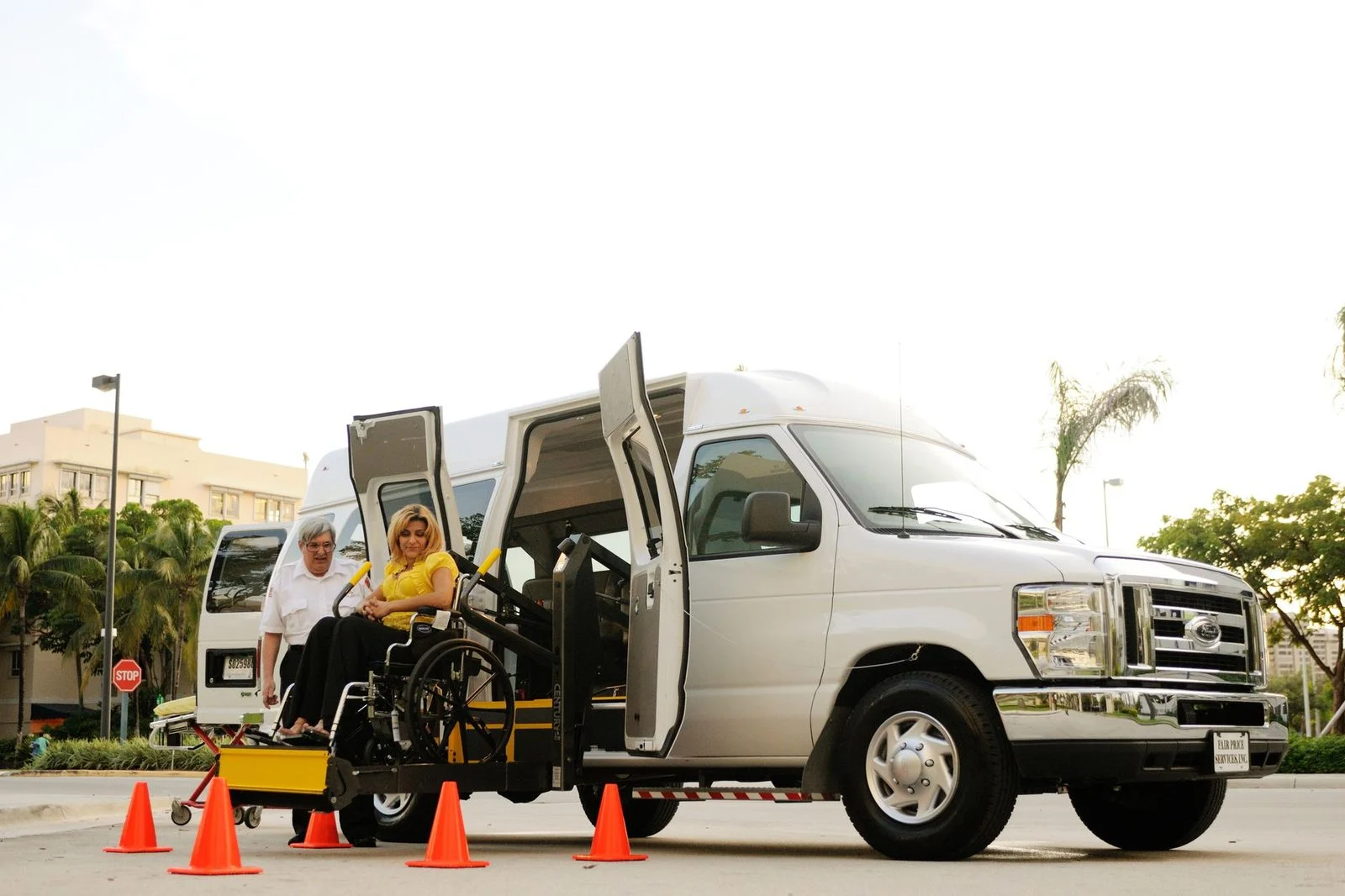
Long-term care needs often follow a catastrophic injury. These costs can last for years, so they need careful planning in any claim. Common examples include attendant or in-home care, wheelchairs, prosthetic limbs, and adaptive equipment.
Home and vehicle changes are also common. A person may need a ramp, a wider doorway, a roll-in shower, or hand controls in a car. Each item has a cost, and many need repair or replacement over time.
Each injury type creates its own needs. A spinal cord injury can lead to lifelong equipment and therapy needs. An amputation may require prosthetic devices, fitting visits, and adjustments as the body changes. A brain injury can bring cognitive therapy and supervision. Severe burns often mean repeated surgeries, skin care, and scar treatment.
These needs are usually supported by treating providers’ care plans and cost estimates. Ask your providers to put future needs in writing. A treating provider’s plan for future care can document these costs.
Loss of Consortium and Family Losses
Loss of consortium is a claim for harm to a close relationship, such as a marriage. The claim covers the effect on companionship, daily support, and the shared life the couple built.
To recover, the claimant must show a mutually dependent relationship. Under UJI 13-1810A NMRA, mutual dependence means that the loss of consortium claimant and the injured party relied on the relationship and could not enjoy life in the same way once the injury took place. According to UJI 13-1810A NMRA, factors to consider in deciding whether a relationship is mutually dependent may include the duration of the relationship, the degree of mutual dependence, the extent of common contributions to a life together, whether the claimant and the injured party were members of the same household, and their emotional reliance on one another.
A spouse may also claim the reasonable value of household services the family has lost. UJI 13-1810 NMRA addresses that loss. Caregiving can change household roles quickly. A spouse may take on tasks the injured person once handled, and children may take on new duties.
Whether a family member can bring this claim turns on the relationship and the facts of the injury.
Not sure what your next step is?
Talk it through with our team — the first consultation is free, confidential, and carries no obligation.
Property Damage and Out-of-Pocket Costs
You can usually seek the cost of property damaged in the crash. That includes your vehicle, personal belongings, and mobility devices such as a wheelchair, walker, or brace.
Out-of-pocket costs are the smaller bills that add up. Mileage to medical visits, prescriptions, copays, and parking can all count. Small amounts repeated over months of treatment become a real total.
Records make these items easy to prove. Keep receipts, repair estimates, and photos of the damage. A mileage log listing dates, destinations, and miles supports the travel costs. Do not throw away a damaged item before you photograph it or get an estimate. Knowing this can help you avoid that mistake.
Wrongful Death Damages When a Loved One Has Died
New Mexico allows a wrongful death claim when a catastrophic injury leads to death. New Mexico’s wrongful death statute, Section 41-2-1 of the New Mexico Statutes, provides that whenever the death of a person is caused by the wrongful act, neglect or default of another, even under circumstances that amount in law to a felony, and the act, neglect or default would have entitled the injured party to maintain an action and recover damages if death had not ensued, the person or corporation that would have been liable shall be liable to an action for damages, notwithstanding the death of the person injured.
Under Section 41-2-1 of the New Mexico Statutes, the person who, or the corporation which, would have been liable, if death had not ensued, shall be liable to an action for damages, notwithstanding the death of the person injured. The claim is brought by the personal representative under Section 41-2-3.
Section 41-2-1 makes the person who, or the corporation which, would have been liable, if death had not ensued, liable to an action for damages, notwithstanding the death of the person injured. The order in which the judgment is distributed is set in Section 41-2-3, which names a surviving spouse and children or grandchildren first, and provides for parents and siblings only in the circumstances the statute lists. Families often also document funeral costs and final medical bills.
Timing matters. NMSA 1978, § 41-2-2 requires a wrongful death action within three years, and the clock starts on the date of death (NMSA 1978, § 41-2-2 — three years from the date of death). Each claim turns on its own facts, so the sooner the review starts, the better.
How Fault and Time Limits Affect What You Can Recover
New Mexico uses pure comparative negligence, which means shared fault. Under Scott v. Rizzo, a plaintiff is no longer totally barred from recovery because of their own negligence. Being partly at fault does not erase your claim.
The jury instruction in UJI 13-2218 NMRA shows how the math works. The jury first totals your damages. Then it sets percentages of fault for you and the defendant that add up to 100%. Your total is reduced by your percentage. For example, a 20% share of fault would reduce a total award by 20%.
In causes of action to which several liability applies, Section 41-3A-1 of the New Mexico Statutes provides that any defendant who establishes that the fault of another is a proximate cause of a plaintiff’s injury is liable only for that portion of the total dollar amount awarded as damages to the plaintiff that equals the ratio of that defendant’s fault to the total fault attributed to all persons, including plaintiffs, defendants and persons not party to the action. The statute keeps joint liability in some listed situations. That matters when a crash involves persons whose relationship to each other would make one person vicariously liable for the acts of the other, and joint liability then applies only to the portion of the total liability attributed to those persons.
Time limits apply too. Section 37-1-8 of the New Mexico Statutes states that actions for an injury to the person or reputation of any person must be brought within three years. Claims involving government entities can follow different rules, so it pays to act early.
Early action also protects evidence. Crash reports, surveillance video, vehicle data, and medical records can disappear or fade. Start collecting them as soon as you can.
Evidence That Supports Each Category of Damages
The records you gather decide how well each category is proven. Start with what you already have, then keep adding to it. Useful items include:
- Medical records, itemized bills, and treatment notes
- Written care plans and cost estimates from treating providers
- Pay stubs, tax returns, and employer statements
- Photos of the scene, the vehicle, and your injuries
- Receipts, repair estimates, and mileage logs
- Names and contact details for witnesses
- A personal injury journal started early
Connection matters as much as paperwork. A record helps most when it ties a loss to the injury. A negligence claim requires that the breach be a proximate cause and cause in fact of the plaintiff’s damages.
Each damages category may need different proof. Josh Wood and our team can explain which records matter most for your type of injury.
Talk With El Gringo Law About Your Situation
If a serious injury has changed your work, your home life, or your care needs, you may have a claim worth reviewing. El Gringo Law offers a free, confidential initial consultation with no obligation to continue. You can reach us by phone, through the contact form, or by starting a chat on our website.
Josh Wood is the lawyer responsible for this page’s content. He is licensed in New Mexico and Arizona. Our website is elgringolaw.com. For the bigger picture, read our catastrophic injury guide for New Mexico.
What damages can I recover after a catastrophic injury in New Mexico?
You can usually seek medical costs, lost income, pain and suffering, and future care needs. Some family members may have their own claims as well.
Can I still recover if I was partly at fault?
Yes. Under Scott v. Rizzo, New Mexico’s pure comparative negligence rule lowers damages by your share of fault instead of barring them.
How long do I have to file a claim?
New Mexico law sets a three-year period for bringing an action for an injury to the person or reputation of any person, as stated in Section 37-1-8 of the New Mexico Statutes. Wrongful death claims run three years from the date of death under NMSA 1978, § 41-2-2.
Categories Often Considered in These Claims
Medical and future care
Hospital stays, surgery, rehabilitation, medications and the cost of care that may be needed in the years ahead.
Lost income and earning capacity
Wages missed during recovery and any reduced ability to work or earn in the future.
Pain and suffering
Physical pain, emotional distress and the loss of everyday activities and quality of life.
Family-related losses
In some cases, family members may have their own claims, such as for caregiving or loss of companionship.
Keep Your Records Organized
Save medical bills, discharge papers, pay stubs, photos of the scene and injuries, and notes about how the injury affects daily life. These details help a lawyer understand the full picture of your losses.
Common Damage Categories in Serious Injury Cases
Past and future medical costs
Emergency care, ongoing treatment, therapy, assistive devices and long-term medical needs.
Lost wages and earning ability
Income lost during recovery and reduced capacity to work in the years ahead.
Pain, suffering and daily life
Physical and emotional impact, and the loss of activities and independence the injury has changed.
Home and care adjustments
Modifications to a home or vehicle and help with daily tasks that a serious injury may require.