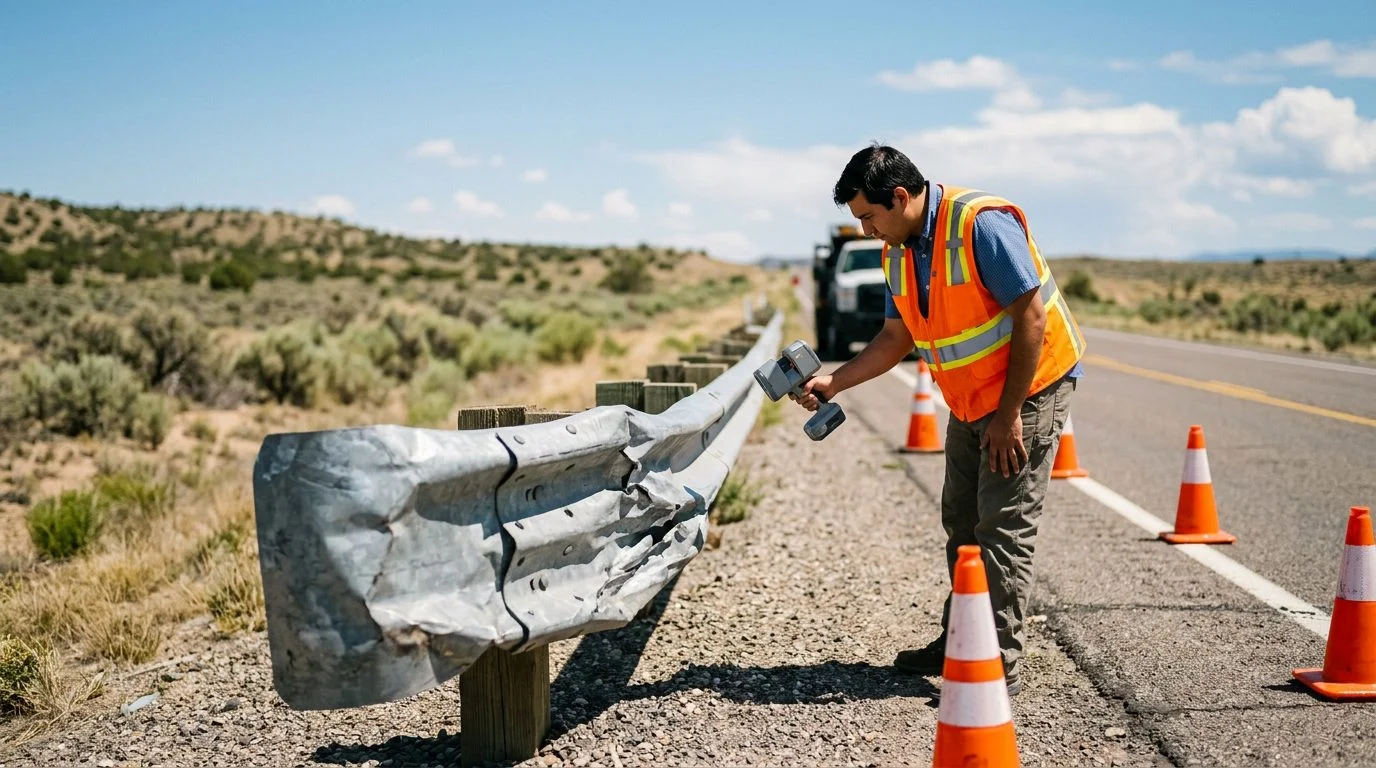
Catastrophic Injury Claims | New Mexico
Facing a Catastrophic Injury? Talk With Our Lawyers Before You Decide Your Next Step
El Gringo Law represents people hurt in car accidents, trucking crashes and other serious incidents across New Mexico. Your first consultation is free, confidential and without obligation.
By Josh Wood · Published October 31, 2026
Do You Need a Lawyer After a Catastrophic Injury in New Mexico?
A serious injury claim is rarely simple, so an early review with a lawyer can help you understand your options and protect your claim. Whether a lawyer is the right step in your own case depends on the facts of the injury and the claim.
Insurance companies and hospitals handle serious-injury claims every day. Most injured people go through one only once. An adjuster may ask for a recorded statement, a signed medical release, or a quick decision while you are still in treatment. Early offers can arrive before doctors know how the injury will affect work and daily life.
If you’re also facing hospital bills, lost paychecks, and a family member who needs care, the pressure to decide fast can feel heavy. Slowing down to get a review can help you see what is at stake.
This page explains what counts as a catastrophic injury, what makes these claims different, what a lawyer handles, how New Mexico time limits and fault rules work, and how fees and costs are set. Readers in Santa Fe, Rio Rancho, Las Cruces, Bernalillo County, Sandoval County, Taos, and Farmington can use it to think through their own situation.
If a spinal cord injury, amputation, or burn has you facing hospital bills and insurer calls, you don't have to sort it out alone. Reach out to talk through your claim. Talk it through with our team — the first consultation is free, confidential, and carries no obligation.

What Counts as a Catastrophic Injury
A catastrophic injury is a severe injury that lasts a long time and changes daily life, work, or the care a person will need later. No single diagnosis settles the question on its own.
El Gringo Law handles catastrophic injury matters, including spinal cord injuries, amputations, and burn injuries. Each can involve long treatment, repeated care, and changes to a home, a job, or a daily routine.
Because the label depends on the medical picture, doctors’ notes about prognosis, function, and future treatment matter as much as the name of the injury. Two people with the same diagnosis can face very different long-term effects.
Keep copies of discharge papers, therapy notes, and bills from the start. Those records show how the injury affects walking, working, and independence over time. For the full range of matters the firm handles, read the catastrophic injuries page.
Why Serious-Injury Claims Are Different From Minor Ones
Serious-injury claims differ because the full cost often isn’t known for months, and the claim can include needs that continue for years. A short-term injury may heal with a few doctor visits. A catastrophic injury may need ongoing care, equipment, and long-range planning.
Future items can include prosthetics, medical equipment, and changes to a home or vehicle. Lost earning capacity can also be central. That means the ability to earn in the future, not only wages already lost, when someone cannot return to the same work.
Fault is another issue. New Mexico applies pure comparative negligence, which means your own share of fault lowers what you can recover but does not bar recovery. An insurer may still argue that another event caused the harm. New Mexico courts define proximate cause as the cause that, in a natural and continuous sequence, produces the injury. It need not be the only cause, as Herrera v. Quality Pontiac explains.
Claims involving a minor or a structured payout raise their own questions. See minor injury claims and structured settlements for those issues.
What a Lawyer Handles on a Serious-Injury Claim
A lawyer on a serious-injury claim takes on much of the paperwork, the insurer calls, and the evidence work, so the injured person can focus on recovery. Here is what that usually includes.
- Medical records and bills. Gathering complete records, tracking each treatment, and organizing bills so the full cost of care is documented.
- Liens and repayment claims. Identifying who may ask to be repaid from a recovery, such as a health plan or care provider, and addressing those requests.
- Insurer contact. Handling adjusters’ calls and letters, so the injured person isn’t pressed for recorded statements or fast decisions.
- Expert needs. Arranging medical, vocational, or accident reconstruction input when the case calls for it.
- Equipment and prosthetic costs. Documenting what devices, replacements, and adjustments cost over time. See prosthetic costs in New Mexico.
A clear timeline of treatment, missed work, and bills helps everyone see the full picture, including the injured person.
How Long After an Injury Should You Talk to a Lawyer
Talk to a lawyer early, because New Mexico sets filing deadlines by law and the clock can start on different dates. Under § 37-1-8, actions for an injury to the person or reputation of any person must be brought within three years, though other provisions of New Mexico law can change that period in some cases.
Some claims run on shorter clocks. Actions against a governmental entity or a public employee for torts are forever barred unless commenced within two years after the date of occurrence resulting in loss, injury or death; this two-year limit applies to all persons regardless of minority or other legal disability, with one exception under § 41-4-15: a minor under the full age of seven years may file until his ninth birthday. Under § 37-1-10, for the times limited for the bringing of actions by the preceding provisions of this chapter, minors and incapacitated persons have one year from and after the termination of the incapacity to commence their actions.
Evidence also changes with time. Photos, vehicle or property damage, witness names, and medical timelines are easier to document early. Starting early leaves more time to build the record.
How Fees and Costs Work
The first consultation is free, confidential, and carries no obligation to continue.
Fee terms are set out in writing. Under Rule 16-105, a fee that depends on the outcome, called a contingent fee, must be in a writing signed by the client. That writing must state how the fee is determined and clearly notify the client of any expenses the client will be liable for, whether or not the client wins.
If a contingent fee applies, you may be responsible for court costs and the expenses of litigation even if the case is not won. Your written agreement lists which costs apply and how they are handled.
Under Rule 16-108, a lawyer may advance court costs and expenses of litigation, and repayment may be contingent on the outcome of the matter. Your written agreement explains how any advances are handled.
Not sure what your next step is?
Talk it through with our team — the first consultation is free, confidential, and carries no obligation.
Talk With El Gringo Law About Your Situation
Josh Wood is the lawyer responsible for the content of this page. He is licensed in New Mexico and Arizona, and El Gringo Law can be reached through its website contact page.
Frequently Asked Questions
Do I need a lawyer after a catastrophic injury in New Mexico?
A serious injury claim has more moving parts than most, so an early review can help you decide your next step.
Can I still recover if I was partly at fault?
Yes. New Mexico’s pure comparative negligence rule lowers recovery by your share of fault but does not bar it.
Is the deadline shorter for a claim against a city or county?
If a spinal cord injury, amputation, or burn has you facing hospital bills and insurer calls, you don’t have to sort it out alone. Reach out through the contact form and talk through your claim in plain terms.
How We Can Help
Free, confidential first consultation
Review your situation with no obligation to continue. There is no cost to talk with us about your options.
Our lawyers and team
Our lawyers and support staff work together on your case, so you have people to call with questions along the way.
Help gathering the facts
We help organize medical records, accident reports and other information that matters to a serious injury claim.
Serving communities across New Mexico
We represent clients in Santa Fe, Rio Rancho, Las Cruces, Bernalillo County, Sandoval County, Taos and Farmington.
Focused on serious injuries
Our practice focuses on catastrophic injuries, including spinal cord injuries, amputations and burn injuries.
Be Careful Before Speaking With an Insurance Company
An insurance adjuster works for the insurer, not for you. Before you give a recorded statement or sign any paperwork, talk with a lawyer about what you should say and sign.
Serious Injuries We Handle
Spinal Cord Injuries
Spinal cord injuries can affect movement, sensation and daily life for years. We help clients understand the legal issues tied to these injuries.
Amputations
Losing a limb changes work, family life and independence. We review how a crash or unsafe condition led to an amputation.
Burn Injuries
Severe burns often require long treatment and ongoing care. We look at how the burn happened and what the injury means for your future.
Crashes Involving Trucks and Cars
Serious car and trucking accidents can cause catastrophic injuries. We talk through how the crash happened and who may be involved.
Contact Josh Wood at El Gringo Law to Talk About Your Next Step
Related practice areas
- Catastrophic Injuries in New Mexico: Costs, Claims, and Your Next Steps | El Gringo Law
- Minor With a Catastrophic Injury: Filing a Claim in New Mexico | El Gringo Law
- New Mexico Wrongful Death Settlement vs Trial