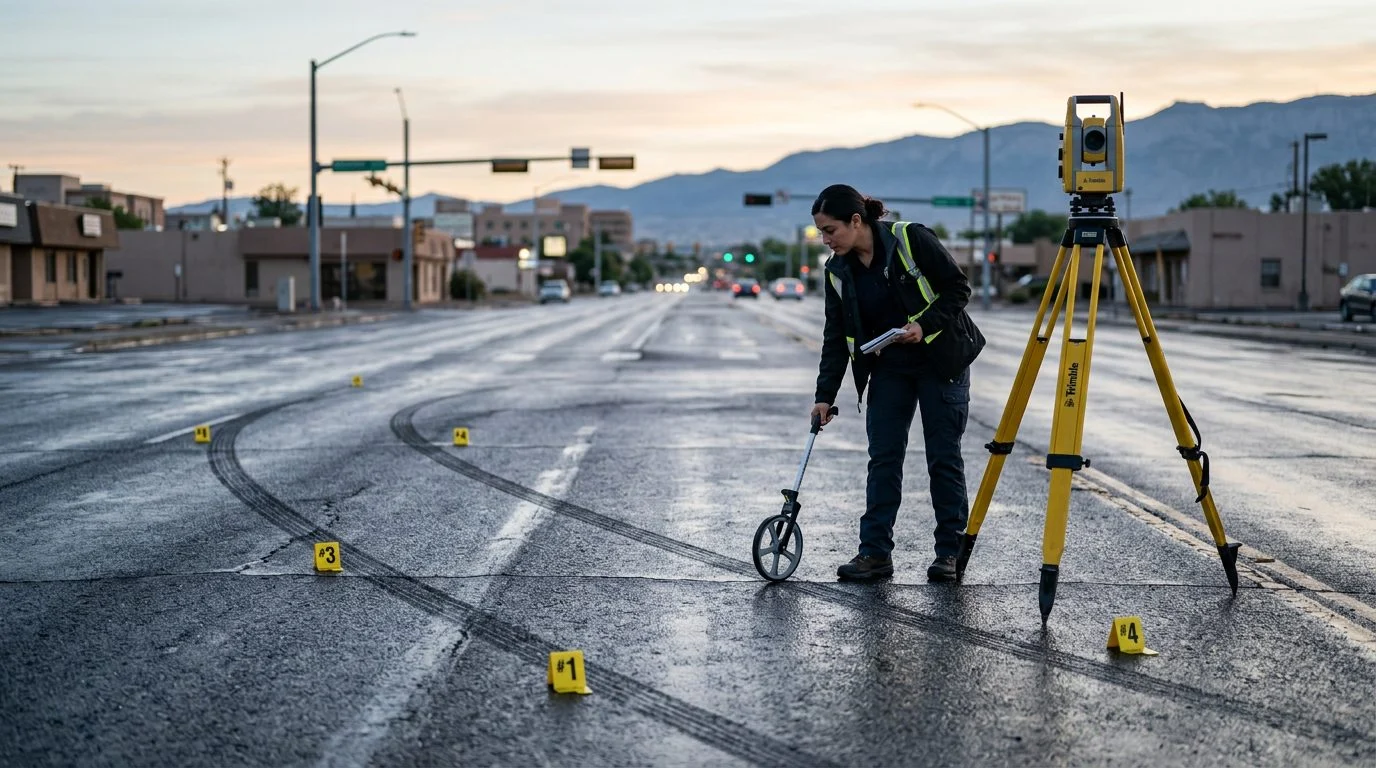
Albuquerque Hit-and-Run Accidents
Hit and run? You don't have to figure out the next steps alone.
El Gringo Law helps people injured by drivers who left the scene, with a confidential, no-obligation conversation about what comes next.
By Josh Wood · Published November 9, 2026
If the driver who caused your crash left the scene or was never identified, you may be dealing with a hit-and-run. New Mexico law requires a driver in an injury crash to stop and stay, so leaving is a serious matter. If you need a hit and run accident lawyer in Albuquerque, this page explains your options, your deadlines, and the insurance that may pay. This page offers general information about personal injury claims in New Mexico.
What a Hit-and-Run Crash Is Under New Mexico Law
A hit-and-run is a crash where the other driver leaves without stopping and giving required information. It also covers crashes where the at-fault driver is never found. New Mexico sets clear duties for drivers in crashes that cause injury or death.
Under NMSA 1978 § 66-7-201, the driver of any vehicle involved in an accident resulting in injury to or death of any person must stop at the scene, or as close as possible, and stay until the duties in § 66-7-203 are done. Under § 66-7-203, the driver must give a name, address and registration number, show a driver’s license on request, and give reasonable assistance to an injured person, including arranging transport to a physician, surgeon or hospital if it is apparent that such treatment is necessary or if such carrying is requested by the injured person.
Penalties track the harm:
Criminal charges and your injury claim are separate matters. The criminal case looks at the driver’s conduct. Your claim looks at your losses. A crash at a busy intersection can follow the same pattern, which our intersection crash information covers.
If a driver left you hurt, or a family member was killed, you may have a claim, and you don't have to face the insurance and deadlines alone. Talk it through with our team — the first consultation is free, confidential, and carries no obligation.
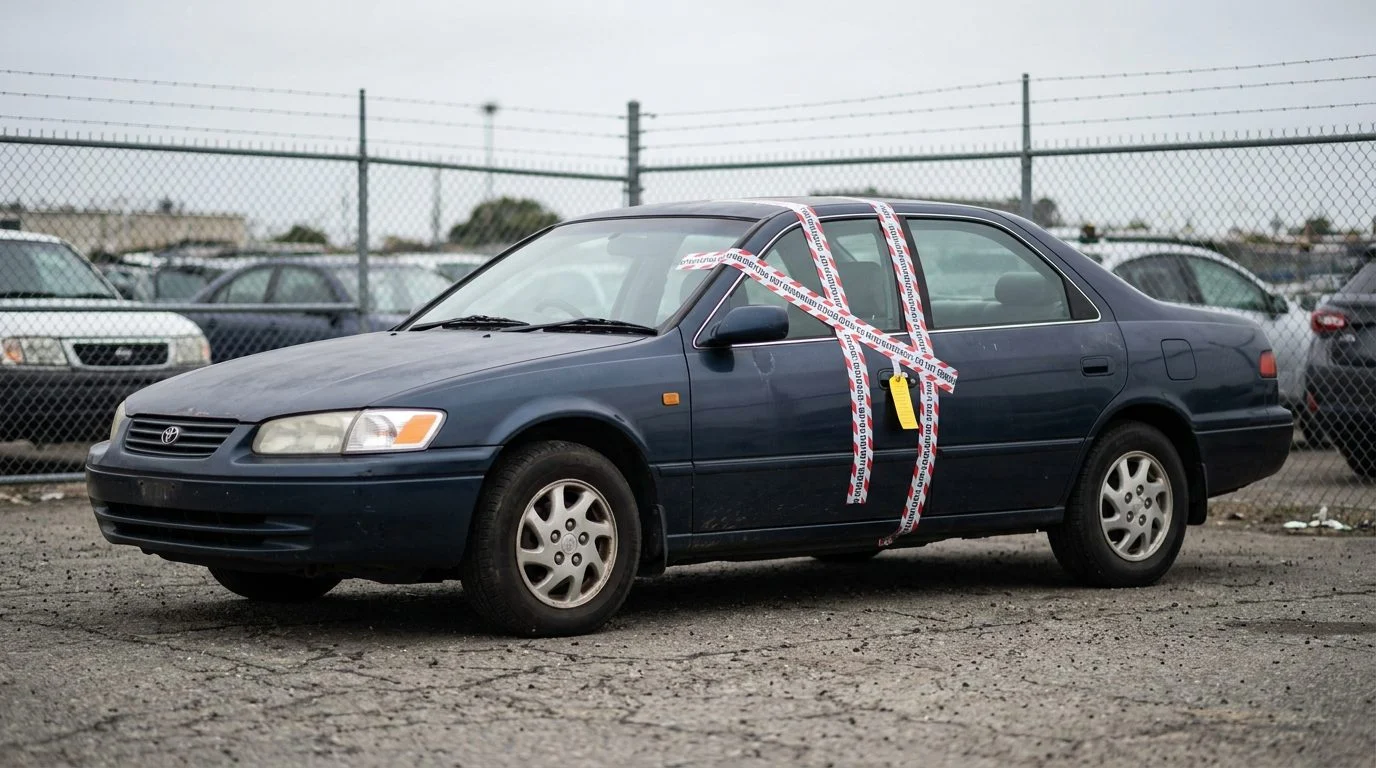
What a Hit-and-Run Injury Claim Can Cover
A hit-and-run injury claim can seek compensation for the losses the crash caused you. Those losses usually fall into several groups:
- Medical care, from emergency treatment to surgery, therapy and future care
- Lost income, including missed work now and reduced earning ability later
- Damage to your vehicle and personal property
- Pain, suffering, and loss of enjoyment of daily life
Catastrophic injuries add long-term needs. Spinal cord injuries, amputations, traumatic brain injuries, and severe burns can require long treatment, equipment, and changes to home and work life. Claims like these need detailed medical records over time. Our spinal cord injury and catastrophic injury pages cover these injuries in more detail.
For a wrongful death claim for which immunity has been waived under the Tort Claims Act, the required notice may be presented by or on behalf of the personal representative of the deceased person or any person claiming benefits of the proceeds of a wrongful death action, or the consular officer of a foreign country of which the deceased was a citizen, within six months after the date of the occurrence of the injury which resulted in the death. Under NMSA 1978 § 41-2-1, a wrongful death action can be brought against the party who would have been liable had the person lived. Under NMSA 1978 § 41-2-3, the jury may consider the pecuniary injury to surviving family members. The statute also sets a distribution order for any judgment, starting with a surviving spouse and children.
The value of any injury claim depends on medical records, the injury itself, and the proof available.
When the Driver Is Never Found: Uninsured Motorist Coverage
Uninsured motorist coverage can help when the at-fault driver has no insurance. It is part of many auto policies in New Mexico, and many drivers don’t know they have it.
Under NMSA 1978 § 66-5-301, auto liability policies must include uninsured motorist coverage unless the named insured rejects it. The same section includes underinsured motorist coverage. Underinsured coverage applies when the sum of the limits of all bodily injury liability insurance applicable at the time of the accident is lower than your own uninsured motorist limits.
Check your policy and your paperwork to see what you have.
Take these steps:
- Find the uninsured motorist limits on your policy’s declarations page.
- Report the crash to your own insurer promptly.
- Keep copies of every letter, claim number, and bill.
Your own policy can become a central source of recovery when the at-fault driver cannot be found or cannot pay. The consultation is the place to review those policy terms with a lawyer.
Will Police Investigate, and What Evidence to Preserve
Report the crash to police right away, because New Mexico law requires that step after an injury crash. Under NMSA 1978 § 66-7-206, the driver involved in an accident resulting in bodily injury to or death of any person or property damage to an apparent extent of five hundred dollars ($500) or more must immediately notify the police department in a city, or the county sheriff or state police elsewhere. A police report creates the official record of the crash, even if the driver is never found. Ask for the report number and keep it.
Preserve these items as soon as you can:
- Photos of the scene, both vehicles, road conditions, and your injuries
- Names and phone numbers of witnesses
- Dashcam, business, or traffic camera footage, which may be overwritten, so ask early
- Paint, debris, or vehicle parts that may help identify the other car
- ER records, imaging, and referrals to other medical providers
- A written log of symptoms, treatment, and missed work
Evidence matters in court, too. Under Herrera v. Quality Pontiac, a cause can be a proximate cause without being the only cause. Your medical records should tie each injury to the crash.
How a Hit-and-Run Case Moves Forward
A hit-and-run case usually moves through five stages: consultation, investigation, claim, negotiation, and, if needed, a lawsuit. Each stage has its own tasks and timing.
- Consultation. Our team reviews the crash facts, your injuries, and your insurance policies.
- Investigation. Our team requests the police report, identifies coverage, and gathers medical records.
- Claim. Our team submits the claim and handles communication with insurers.
- Negotiation. You hear each offer before you decide anything.
- Lawsuit, if needed. A suit may be filed when a fair resolution is not reached.
Deadlines matter. Under NMSA 1978 § 37-1-8, the period for bringing an action for an injury to the person or reputation of any person is three years, but exceptions and tolling rules can change that deadline, so it is important to act promptly. Under the Tort Claims Act, for claims where immunity has been waived, written notice must be presented within ninety days after the occurrence, according to NMSA 1978 § 41-4-16, unless the governmental entity had actual notice of the occurrence; the time the injured person is incapacitated from giving notice by reason of injury, up to ninety days, does not count toward that period. For wrongful death claims against those entities, the notice may be presented within six months under the same section.
Timelines differ from case to case. An early review helps identify which dates apply to your crash.
Why Clients Work With El Gringo Law
El Gringo Law’s practice areas include car accidents, trucking accidents, premises liability, negligent security, wrongful death, sexual assault, catastrophic injuries, spinal cord injuries, amputations, and burn injuries. The firm’s lawyers and staff take on hit-and-run injury matters within that work.
Josh Wood is the lawyer responsible for this page. He is licensed in New Mexico and Arizona, and he answers to the disciplinary authority of both states. You can reach the firm at elgringolaw.com or through the contact form.
Our team explains each step in plain language, so you know what is happening and what comes next. Our team also helps you organize the police report, medical records, and insurance papers that a claim needs.
Not sure what your next step is?
Talk it through with our team — the first consultation is free, confidential, and carries no obligation.
Frequently Asked Questions About Hit-and-Run Crash Claims
Is it worth it to sue a hit-and-run driver?
Often the key source is your own uninsured or underinsured motorist coverage, which the consultation reviews with you. A lawsuit against an unknown driver may not be the main route.
Is a hit-and-run a felony in New Mexico?
It can be. Under NMSA 1978 § 66-7-201, failing to stop or to meet the § 66-7-203 duties is a fourth degree felony when great bodily harm or death results (a third degree felony if done knowingly), and a misdemeanor when it does not.
Will police actually investigate a hit-and-run?
Police take a report at the scene, and that report is the official record of the crash. Our team can help you request it.
How much can I recover?
Recovery is based on your losses and the proof you can show, not on a set amount. Medical records, the injury, and available coverage all matter.
How long do I have to file?
Under NMSA 1978 § 37-1-8, an action for an injury to the person must be brought within three years.
What does the first step cost?
Your first consultation is free, confidential, and without obligation to continue.
Talk With Our Team About Your Albuquerque Hit-and-Run Crash
If a driver left you injured, or a family member died in a hit-and-run, you may have a claim. You don’t have to sort out insurance, police records, and deadlines alone. Call our team, use the contact form, or start a chat to tell us about your crash and your injuries.
How we can help after a hit-and-run
A confidential first conversation
Call, send a contact form or start a chat. Your free first consultation is confidential and comes with no obligation to continue.
Reviewing your insurance coverage
When the at-fault driver cannot be found, your own uninsured or underinsured motorist coverage may be important. We review those policy terms with you.
A team that keeps you informed
Our lawyers and support staff explain the process in plain language, so you know what is happening and what decisions are ahead.
Serving Albuquerque and Bernalillo County
We also work with people hurt in Santa Fe, Rio Rancho, Las Cruces, Sandoval County, Taos and Farmington.
Be careful before speaking with an insurer
Talk with a lawyer before giving a recorded statement or signing anything from an insurance company, especially if the other driver was never identified.
Steps that can help protect your case
Get medical care
See a doctor even if your injuries feel minor. Some injuries, including spinal and head injuries, can take time to show up.
Write down what you remember
Note the time, location, vehicle details and any witnesses while the memory is fresh.
Keep your records
Save photos, medical bills, repair estimates and notes about missed work and daily limits.
Contact El Gringo Law
Reach out for a free, confidential consultation and we will help you decide what to do next.
Hurt in a hit-and-run in Albuquerque? Talk with our team today.
Related practice areas
- Catastrophic Injuries in New Mexico
- Car Accident Lawyers in Sandoval County