Catastrophic Injuries · New Mexico
Planning for the Long Road After a Catastrophic Injury
A life care plan puts the future medical, daily-living, and equipment needs of a lasting injury into writing. El Gringo Law helps injured New Mexicans and their families in Santa Fe, Rio Rancho, Las Cruces, Bernalillo County, Sandoval County, Taos, and Farmington understand what comes next.
By Josh Wood · Published October 29, 2026
Life Care Plans After a Catastrophic Injury in New Mexico
If you’re looking for life care plan catastrophic injury New Mexico information, here’s the short answer. A life care plan is a written estimate of the medical care, daily help, and equipment a person will likely need over their lifetime. It turns those future needs into a cost picture. This page explains what a plan contains, how its numbers are built, and where estimates fall short. Spinal cord injuries, amputations, and severe burns can last for decades. Past bills only show what has already been paid. A plan helps show what comes next.

What Is a Life Care Plan in a Catastrophic Injury Claim?
A life care plan is a written list of the care a person with a lasting injury will likely need, with a cost for each item. It looks forward. It covers the years ahead, not only the bills already paid. Many catastrophic injuries don’t heal fully, so the plan is built around what daily life will require. It usually covers medical treatment, therapy, medicine and supplies, equipment, help at home, changes to a house or vehicle, and work or school needs. Each item should trace back to a medical recommendation. Plans are usually written after the injury has settled enough to forecast needs. That often happens well after the first weeks, because doctors can’t predict long-term needs while the injury is still changing. A plan is a planning and cost tool. It doesn’t replace the advice of the treating doctors.
Why Life Care Plans Matter When an Injury Is Lifelong
A life care plan matters because a catastrophic injury creates costs that keep arriving. A medical bill covers care already given. A spinal cord injury or amputation may need equipment replaced, therapy repeated, and help at home for many years. Without a written estimate, those future needs are easy to leave out of a claim. A plan puts medical recommendations into categories that insurers, mediators, and courts can review line by line. Serious crashes happen across New Mexico. The UNM Traffic Research Unit prepares annual crash reports with county breakdowns, including Bernalillo, Sandoval, Santa Fe, Doña Ana, San Juan and Taos counties, so the same planning questions arise statewide. A plan also helps the injured person and family see what daily life will require. That picture affects decisions about housing, work, transportation, and who provides hands-on care. A close family member may have a loss of consortium claim of their own. New Mexico treats that claim as belonging to the family member, not to the injured person, under Thompson v. City of Albuquerque.
Who Prepares a Life Care Plan and What It Usually Includes
A life care planner, often a nurse or rehabilitation professional, usually prepares the plan. The planner works with the treating physicians and therapists. The planner does not replace them. Typical inputs include:
- complete medical records and imaging
- surgical and rehabilitation history
- current functional limits, such as walking, transfers, or self-care
- written recommendations from treating providers
A common plan is organized by category. Those categories include medical care, therapies, medicines and supplies, equipment, attendant care, housing changes, transportation, and vocational or educational needs. Each category lists the items, how often each one is needed, and the expected cost. The format matters less than the source. Every line should point back to a record or a provider’s recommendation. That way, a reviewer can follow the reasoning from start to finish.
How Future Medical Costs Are Estimated
A planner lists each recommended item, sets how often it’s needed, and prices it at current rates. That’s the basic method. A future surgery, a device replaced on a set cycle, and ongoing therapy each carry a cost and a schedule. The timeline matters. Recurring costs have to run over the right number of years. The planner sets that length from the injury’s expected course and from life expectancy data used in the field. Where a doctor hasn’t written down a future need, the planner usually can’t price it. So the plan is only as complete as the medical record. A common mistake is assuming the plan will catch every need. It won’t, unless the providers have written those needs down. In a life care plan catastrophic injury New Mexico case, asking treating providers to put future needs in writing is one of the most useful early steps.
Attendant Care, Home Modifications, and Equipment
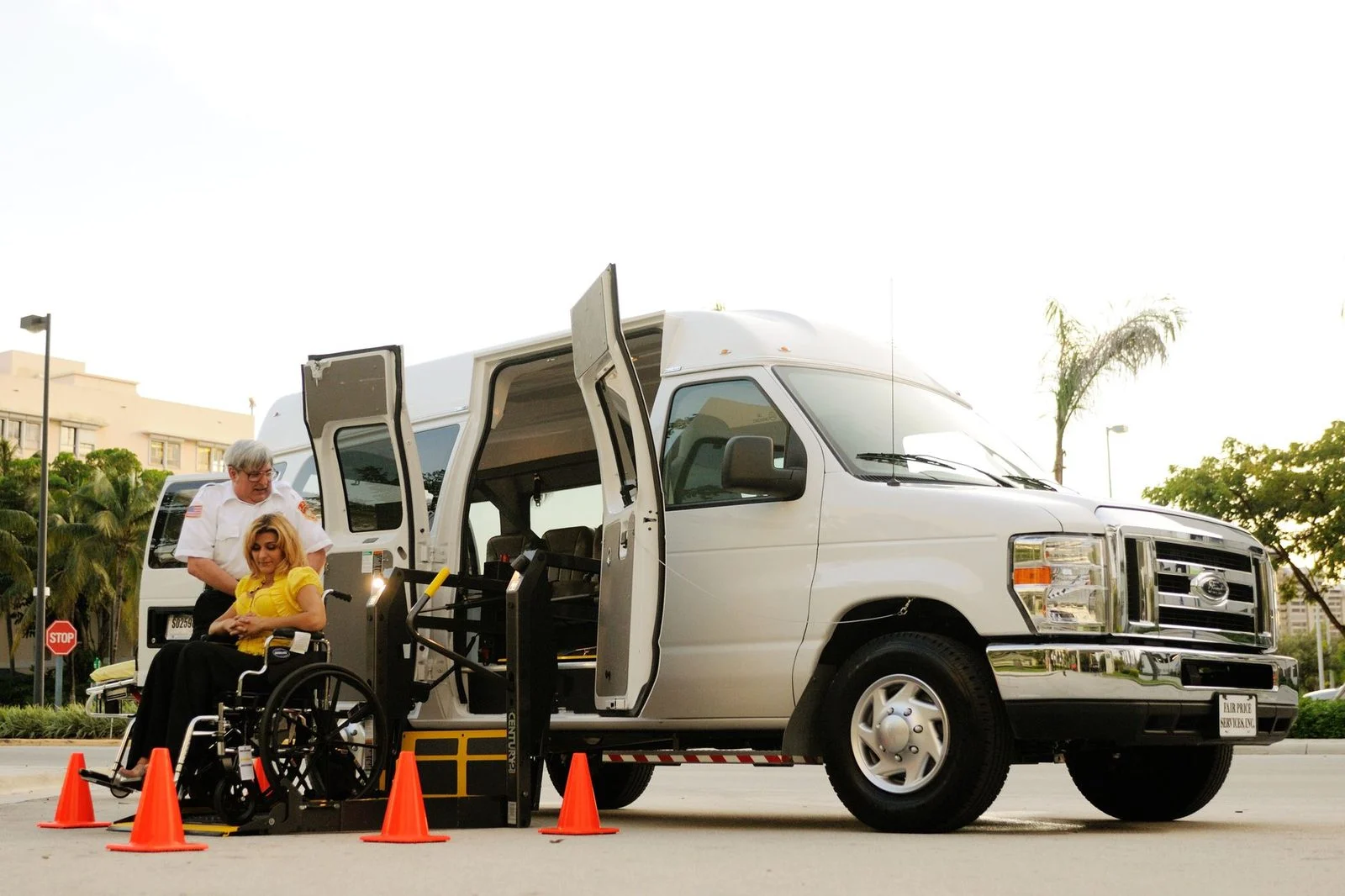
Attendant care, home changes, and equipment are core items in many catastrophic injury plans. Attendant care means hands-on help with bathing, dressing, transfers, meals, and supervision. The planner estimates hours from the person’s functional limits, such as how much help they need to get out of bed or into a shower. Equipment is usually listed separately. Wheelchairs, hospital beds, lifts, and adaptive tools each have replacement schedules and maintenance costs. Vehicle modifications and transportation costs often appear here too. Home changes are common as well. Ramps, widened doorways, roll-in showers, and stair lifts each carry an installation cost and sometimes an upkeep cost. Each item should tie back to a provider’s recommendation or a documented functional limit. Readers with a spinal cord injury can find more on the spinal cord injury page.
Prosthetics, Mobility Devices, and Ongoing Therapy
A plan for an amputation or spinal cord injury usually builds in devices, therapy, and replacement cycles. For an amputation, the plan often accounts for a prosthetic device, its first fitting, and later refitting as the body changes. Devices wear out and may need repair. Therapy may continue for a long time, and a plan lists how often sessions are expected. For spinal cord injuries and other mobility injuries, plans often include therapy, mobility aids, and periodic equipment upgrades as needs change. Burn injuries can add ongoing treatment and scar care to the list. A planner would tie each of those items back to the treating providers’ notes. Readers with an amputation can learn more on the amputation page.
Adjusting Future Costs for Time, Inflation, and Life Expectancy
Future costs are adjusted for time, and those adjustments are technical. A dollar needed years from now is worth less today than a dollar needed now. Economists often use present value, a calculation that accounts for when each expense occurs. It also depends on assumptions about inflation and interest. Life expectancy assumptions decide how long recurring costs run. Those figures come from recognized actuarial and public health sources. Because the math depends on assumptions, a reviewer will often check the plan’s numbers and method. That check is usually done by an economist or another qualified professional. A reader doesn’t need to master the formulas. The key point is that each assumption should be stated and traceable. Then an insurer or court can see where each figure came from.
How a Life Care Plan Relates to Lost Earning Capacity
A life care plan covers the cost of care, while lost earning capacity covers a reduced ability to work and earn. The two are often presented together in a catastrophic injury claim, and they should match. A person who needs more daily help may also work fewer hours, and that changes the earnings picture. The reverse is true too. A change in work capacity can change care needs. More attendant hours or accessible transportation may be needed for a commute to a job. If the care plan assumes one level of function and the earnings analysis assumes another, the numbers won’t line up. A planner and an economist should work from the same facts about how the injury affects daily life and work.
Common Gaps That Lead to Underestimated Future Costs
A life care plan is often underestimated when it’s built from incomplete records. Items that were never recommended in writing tend to be left out. Examples include a later surgery, a new device, or a shift in caregiving needs. A plan prepared early may also need an update as the injury stabilizes or treatment changes. Gaps can come from the family’s side too. A relative who has been covering care hours, or who has cut back on work to provide care, may not see that time as a cost. Keeping organized records helps. Keep appointment notes, prescriptions, receipts, mileage logs, and out-of-pocket expenses in one place. Dates matter too. Write down when symptoms changed or when a new limit appeared. These records show what the injury has actually required. They also help the planner check the estimate against real life.
Our Fee Arrangement
The firm offers a free, confidential initial consultation with no obligation to continue. Rule 16-105 NMRA says a lawyer may not charge or collect an unreasonable fee or an unreasonable amount for expenses. Your first consultation with El Gringo Law is free, confidential, and comes with no obligation to continue. Keep a copy with your injury records.
Talk With El Gringo Law About Your Situation
If a spinal cord injury, an amputation, or a severe burn has left you facing a list of future needs with no clear total, you don’t have to work out the numbers alone. Our team can review your records with you and talk through what a life care plan would need to cover, including care hours, equipment, and home changes. To start, reach us through our contact form or start a chat on our website. You can set up a free, confidential initial consultation with no obligation to continue. This page is the responsibility of Josh Wood, a lawyer with El Gringo Law who is licensed in New Mexico and Arizona. Our website is elgringolaw.com.
Frequently Asked Questions
What is a life care plan in a lawsuit?
A life care plan is a written estimate of future medical, daily-living, and equipment costs. It helps show a court or insurer what a lasting injury is likely to require over time.
Does a life care plan include attendant care and home modifications?
Often, yes. Attendant care, equipment, and home changes are common categories, and each item should trace back to a provider’s recommendation.
Can a family member bring a loss of consortium claim in New Mexico?
A close family member may have a loss of consortium claim, which belongs to that person rather than the injured one. Whether a claim exists depends on the facts.
How El Gringo Law Approaches a Life Care Plan
Clear, written needs
We help gather the medical records, bills, and daily-care details needed to describe what a lasting injury may require over time.
Family-centered planning
Our team keeps the whole household in view, including the people who provide care day to day.
Plain-language explanations
Our lawyers explain each part of the plan in everyday terms, so you know what is being asked and why.
Focused on the long term
A catastrophic injury changes life for years. We focus on the needs that will still be there long after the first treatment.
What a Life Care Plan Can Cover
Medical and therapy care
Future surgeries, follow-up visits, physical and occupational therapy, and prescribed medications.
Daily living support
Attendant care, personal assistance, and help with the everyday tasks that an injury makes harder.
Equipment and mobility
Wheelchairs, prosthetics, adaptive devices, and replacement parts, along with their expected upkeep.
Home and transportation changes
Home modifications, accessible vehicles, and the travel needed to reach regular appointments.
Start Documenting Now
Keep every medical record, receipt, equipment invoice, and note about changes in your daily routine. Detailed records make it easier to describe your needs accurately.
Your first consultation is free, confidential, and comes with no obligation to continue. Contact El Gringo Law to talk through your situation with Josh Wood and our team.
Related practice areas
- Catastrophic Injuries in New Mexico: Costs, Claims, and Your Next Steps | El Gringo Law
- Lifetime Care Costs: Catastrophic Injury New Mexico