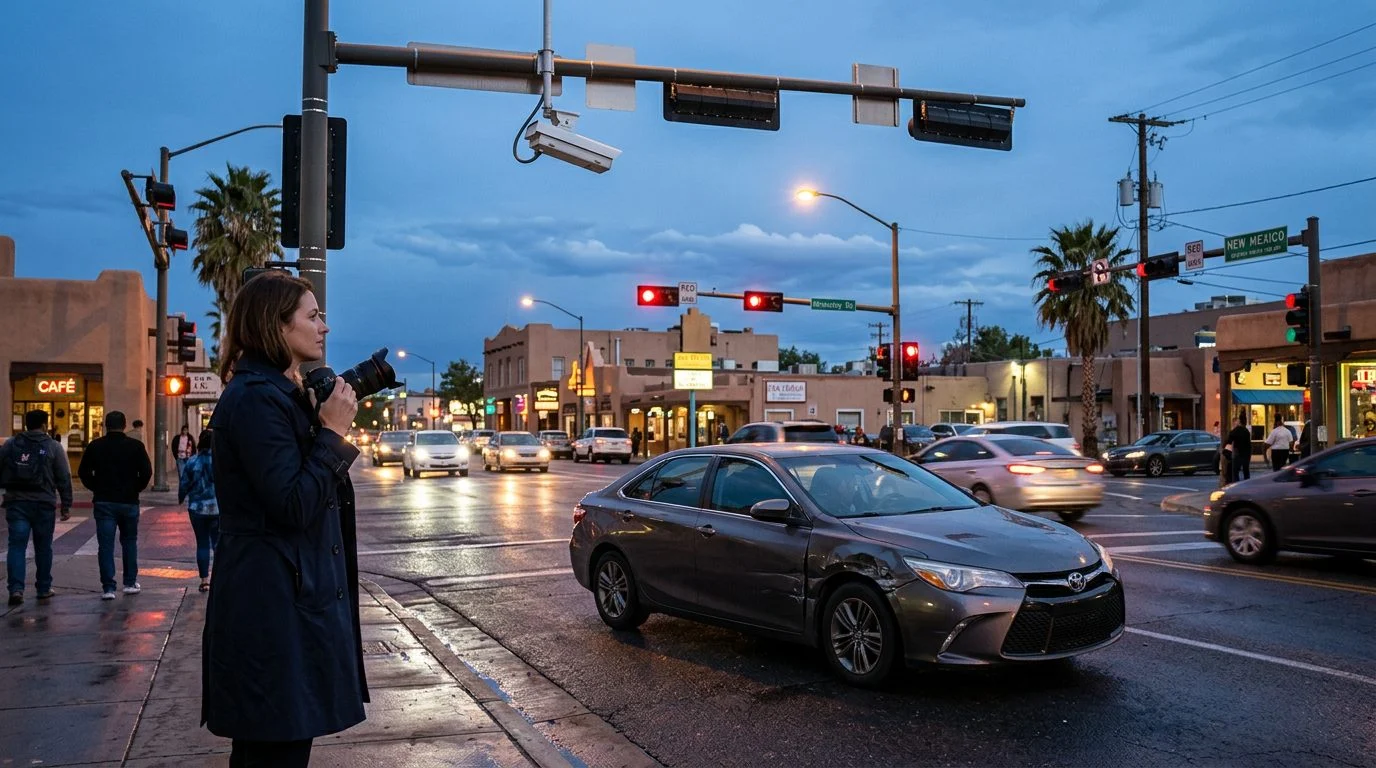
Amputations & Catastrophic Injuries | New Mexico
Planning for Prosthetic Costs After a Serious Injury
Learn what prosthetic care can involve and how those costs are documented in a New Mexico injury claim. Your first consultation is free, confidential and without obligation.
By Josh Wood · Published October 31, 2026
Why Prosthetic Costs Matter in a New Mexico Injury Claim
A prosthetic is often a long-term need, not a one-time purchase. Its parts wear down, the fit can change, and the device may need replacing years later.
Those costs add up over time, which is why the full list matters. Many people only count the first device. Fittings, repairs and future replacements often belong on the list too. A limb loss case is different from a short-term injury case because the costs can stretch across a lifetime.
Crash data in New Mexico is prepared by the UNM Traffic Research Unit, which produces New Mexico crash data and annual crash reports for NMDOT. Those reports break crashes down by county, including Bernalillo, Sandoval, Santa Fe and Taos. Local crash patterns show how common serious crashes are across the state.
El Gringo Law handles car accidents, trucking accidents, premises liability, negligent security, wrongful death, sexual assault, catastrophic injuries, spinal cord injuries, amputations and burn injuries. For the wider picture, read our catastrophic injury overview. Josh Wood is the lawyer responsible for this page’s content.
If a crash cost you a limb or left you needing a prosthetic, you don't have to sort out these costs alone. Reach out to our team and we'll talk through your records with you. Talk it through with our team — the first consultation is free, confidential, and carries no obligation.
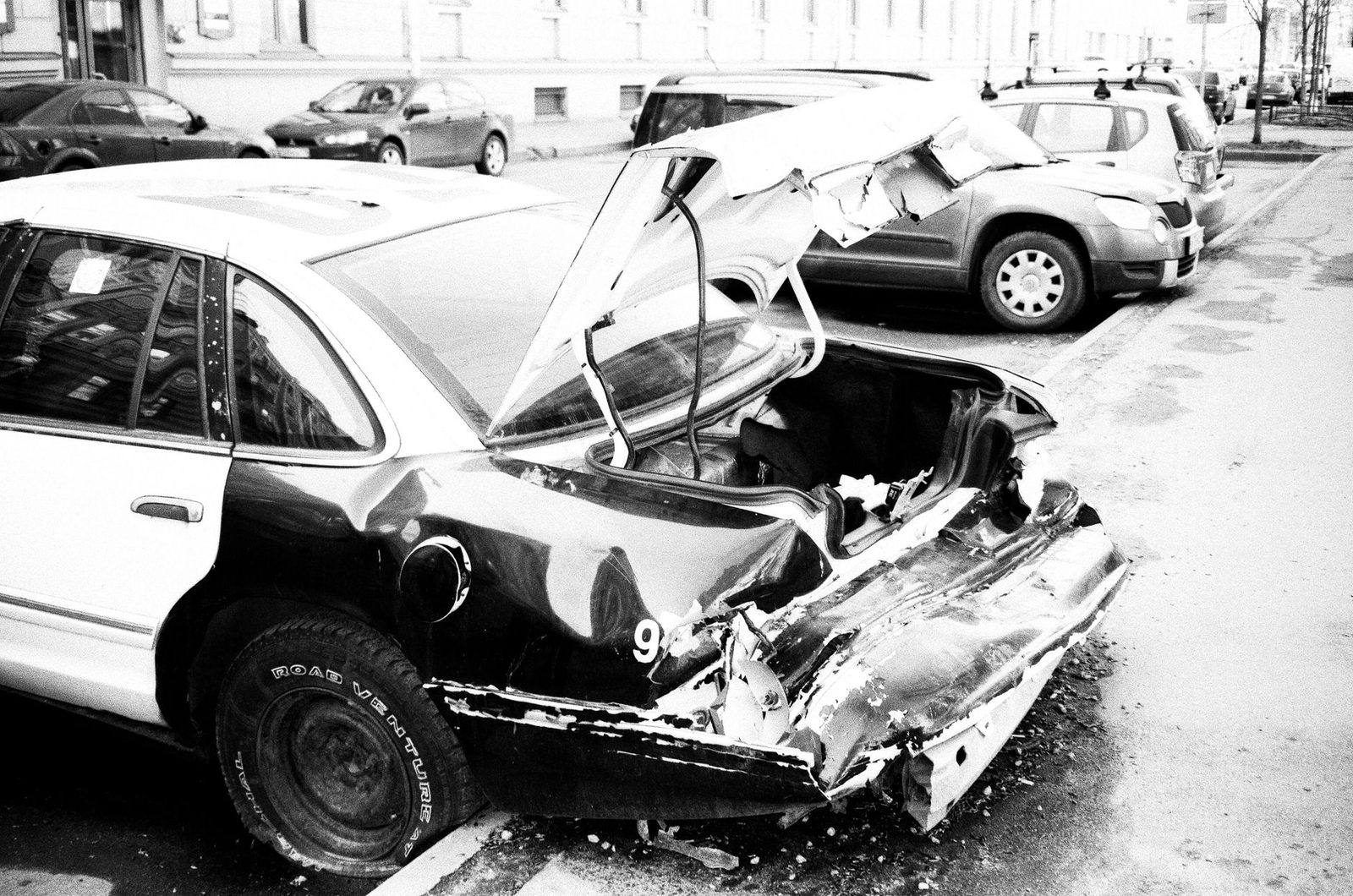
Initial Prosthetic Costs That Can Be Included
Initial costs usually include the device, the prosthetist’s fitting, and the medical care needed to start using it. Each item should match a record from the treating providers. A claim is stronger when every early cost ties back to a note in the chart.
The device itself is usually the largest first item. Fitting visits and early adjustments often follow. Sockets, liners and other hardware that the prosthetist says are needed can count too, when the provider documents why each part is needed.
Rehabilitation and gait training are often part of the same story. Learning to walk or move with a new device takes therapy. Those visits can be tied to the device, so keep the appointment notes and not only the bills.
Some changes happen around the home or the car. Ramps, bathroom changes or vehicle modifications can be a separate category from the device itself. For that topic, see home modifications in catastrophic injury claims.
A common mistake is saving the receipt but not the fitting note. The receipt shows what was paid. The note shows why the device and its parts were needed, and that second point is often the one that matters in a claim.
Future Replacement, Repairs, and Maintenance
Future prosthetic costs cover parts that wear out, repairs, and upkeep visits that repeat over the years. A claim can seek the projected cost of these items, not only what has already been spent.
Prosthetic components have a working life. The prosthetist and the treating physician help set the timing for replacements. That schedule can change as the body changes, as the person grows older, or as the device wears down faster than expected.
Adjustments and maintenance visits also recur. Each one may carry a cost, a trip to the clinic, and time away from work. These small items add up, so they belong in the cost picture even when each bill looks minor.
Claims often look ahead. A projection can estimate what the person will likely need over their life, based on the device type and medical advice. The size of those future costs depends on the facts: the level of amputation, the device, the person’s age and what their doctors recommend.
Keep a running list of every replacement and repair, with dates and receipts. A list made at the time is far easier to prove than a memory of costs years later.
Lost Earning Capacity and Daily-Life Losses Tied to Limb Loss
Lost earning capacity covers how limb loss may affect a person’s ability to earn money in the future. It is separate from wages already missed. Both can be part of the economic losses in a claim.
Lost wages are the pay missed because of the injury, from the accident until the person returns to work or the claim is resolved. Lost earning capacity looks forward. It asks whether the person can still do the same job, or a comparable one, with similar hours and pay.
A person who must change careers, cut hours or retrain may have losses in this area. Job changes caused by limb loss, such as moving from physical work to desk work, can also be part of the picture. These losses need support from records, not guesses.
Wage records, job descriptions and medical opinions about work limits help show these losses. Statements from an employer about changed duties can help too. These losses must be shown with records and clear medical explanations.
When future payments are large, a structured settlement can be arranged so the money is paid out over time. That structure is one option to discuss once the value of the claim is clearer.
Noneconomic Damages for Limb Loss
Noneconomic damages cover pain, suffering, emotional distress and loss of enjoyment of life. Limb loss can affect all of these, and the effects often last far beyond the hospital stay.
Adjusting to a prosthetic takes time and effort. Some people describe phantom sensations, or pain where the limb used to be. Others stop hobbies, sports or family roles they once handled. Medical notes, therapy records and statements from family and friends can document these changes.
Noneconomic damages don’t follow a simple formula. The amount turns on the injuries, the evidence and the particular case. Every case is different, and past results do not predict a similar outcome.
Family members may have their own claims. Under Thompson v. City of Albuquerque, loss of consortium damages belong to the claimant with the close relationship, not to the injured person. A spouse or close family member may need to describe how daily life changed after the injury.
Documenting Prosthetic Costs for a Claim
Prosthetic costs are proven with records, and the treating physician’s written recommendation is usually the most important one. Without records that tie the device to the crash, the cost is hard to show.
Gather these records: surgical and hospital notes, prosthetist invoices and fitting notes, prescriptions, and receipts for parts and repairs. Keep the explanation of benefits from your insurer, since it shows what was actually paid.
Causation links the bills to the crash. In New Mexico, a proximate cause is one that, in a natural and continuous sequence, produces the injury and without which the injury would not have occurred, as explained in Herrera v. Quality Pontiac. Records should show the line from the crash to the limb loss to the device.
Offers to pay medical bills are common early in a claim. Under Rule 11-409 NMRA, an offer to pay medical expenses is not admissible to prove liability for the injury. Payments by health insurers or government programs may still need to be addressed in any settlement.
A life-care plan from qualified medical and vocational professionals can estimate future prosthetic needs. If the injured person shares fault, the damages are reduced by that share. Under UJI 13-2218 NMRA, the total damages are reduced by the injured person’s percentage of negligence.
Not sure what your next step is?
Talk it through with our team — the first consultation is free, confidential, and carries no obligation.
How Fees and Case Costs Work
The first step is a free, confidential initial consultation with no obligation to continue. That consultation is where we review how the injury happened and which records you already have.
Fee questions can be discussed during our free, confidential initial consultation, which carries no obligation to continue.
Records fees and professional reports can add to the cost of a case involving a prosthetic, so the agreement’s terms matter.
Talk With El Gringo Law About Your Prosthetic Costs
A prosthetic costs review goes faster when you have the crash details, the medical records and the prosthetist’s notes in one place. Those documents shape the next steps.
Common Questions
How long do I have to file a claim in New Mexico?
Under NMSA § 37-1-8, actions for an injury to the person or reputation of any person must be brought within three years.
Under NMSA § 41-4-15, actions against a governmental entity or a public employee for torts are forever barred unless commenced within two years after the date of occurrence resulting in loss, injury or death, except that a minor under the full age of seven years has until his ninth birthday to file. Written notice is due within ninety days, unless the government entity had actual notice.
Can I still claim if I was partly at fault?
Yes. New Mexico follows comparative negligence, so your share of fault reduces damages rather than barring recovery, as Scott v. Rizzo established.
If a crash has left you needing a prosthetic, reach out to El Gringo Law through our contact form or visit elgringolaw.com. Josh Wood, licensed in New Mexico and Arizona, is responsible for this page’s content.
How we approach prosthetic costs
Careful documentation
We help gather the medical records, prescriptions, fitting notes and provider invoices that show what your prosthetic care requires.
Coordinated care planning
Our team works to understand how your prosthetist, physicians and therapists describe your current and future needs.
Ongoing needs in view
Prosthetic devices wear out and change over time, so we look at both immediate and long-term costs from the start.
Clear communication
We explain each step in plain language, so you know what information we are gathering and why it matters.
Keep your records organized
Save receipts, appointment notes, device invoices and any correspondence with prosthetic providers. Sharing these early helps our team understand your needs.
Prosthetic costs families often plan for
Initial prosthetic device
The first fitting and device, including the custom components and measurements needed for a proper fit.
Adjustments and repairs
Socket adjustments, component replacements and repairs that keep a device working safely and comfortably.
Replacement over time
New devices as your body changes, as your activity level shifts or as technology and wear make upgrades necessary.
Therapy and training
Physical and occupational therapy, gait training and other rehabilitation that helps you use your prosthesis every day.