Spinal Cord Injury | New Mexico
Caring for a Loved One After a Spinal Cord Injury? Let's Talk About the Costs
Families often take on daily care at home, and the expenses add up quickly. Here is how to think through what your family has spent and what you may be carrying.
By Josh Wood · Published November 10, 2026
A spinal cord injury can change every part of a household’s week, and family members often do much of the hands-on work. If that happened after a crash in New Mexico, you may be asking which family caregiver costs can be part of a claim.
Many of these costs can be documented and included in an injury claim. That includes paid and unpaid care, lost pay, home changes, medical follow-up, and travel. Which items apply, and how they are valued, turns on the facts. This page explains each category so you know which records to start keeping now.
Why Family Caregiving Costs Matter After a Spinal Cord Injury
Family caregiving costs matter because a spinal cord injury can change daily life for years. The injury can affect how a person moves, eats, bathes, uses the bathroom, and takes medicine.
Many families step in. A spouse may handle transfers and bathing. An adult child may drive to every therapy visit, track appointments, and check on the injured person overnight. These tasks take time, money, and energy, whether or not anyone is paid to do them.
In New Mexico, families often ask one question after a crash: can this work be part of the claim? The answer starts with records. A claim needs to show what the injury has cost the family and what care is still needed.
This page covers the main damage categories, caregiver time, home needs, medical follow-up, documentation, and next steps. For a wider view, read our guide to spinal cord injury claims in New Mexico.

The Two Main Categories of Damages in a New Mexico Injury Claim
A New Mexico injury claim usually sorts losses into two groups: economic damages and non-economic damages. Each group works differently.
Economic damages are money losses you can count. They include medical bills, the cost of care, lost income, and out-of-pocket expenses such as travel and supplies. Receipts, invoices, and pay records usually prove them. Family caregiving costs usually fall in this group.
Non-economic damages cover harms that do not come with a bill. Pain, suffering, and loss of enjoyment of life are common examples. There is no receipt that sets their value.
Two fault rules also shape the amount. First, New Mexico follows pure comparative negligence (shared fault). Under Scott v. Rizzo, New Mexico applies pure comparative negligence: an injured person’s own share of fault reduces the damages by that percentage, but does not bar recovery. A share of fault lowers damages, but it does not block recovery.
Second, under NMSA 1978, § 41-3A-1, a defendant generally pays only its share of the total fault. The statute lists exceptions, so the full picture of who pays matters.
Future and Ongoing Care: Paid and Unpaid Family Caregiving
Care after a spinal cord injury can come from paid aides, agencies, unpaid family members, or a mix. Each arrangement can be part of a claim.
Daily needs often include transfers from bed to chair, bathing, bowel and bladder routines, medication management, meals, and supervision. Some tasks need trained hands. Others need a steady presence. Both take hours that someone should record.
A claim can look at care already given and care still needed. Past care is the help the family has provided since the crash. Future care covers what the injured person still needs, and medical and care-planning records usually support it.
New Mexico’s pattern instruction on loss of services of a spouse refers to UJI 13-1810 NMRA. It covers the reasonable value of the injured spouse’s own services that the family has lost. When future services are included, the jury also receives instructions on discounting them to present cash value.
Hours, the skill level required, and the reasonable value of the care are the points usually documented. Nationally, National Consumer Voice reports that Medicaid is a major payer for long-term care.
Lost Wages and Lost Earning Capacity When a Family Member Stops Working
A family member who cuts hours or leaves a job to provide care may have lost income. That income loss can be documented.
Two kinds of income loss are easy to mix up. Wages already lost are pay the family has missed, such as time off for appointments, rehab days, or care at home. Lost earning capacity is a reduction in the ability to earn over time. For the injured person, lost earning capacity is its own item, separate from a caregiver’s lost pay.
Records make these losses concrete. Pay stubs, work schedules, and employer letters show what changed and when. A letter that lists the dates and hours missed carries more weight than memory alone.
Each family’s losses are reviewed on their own terms. Keep the paperwork that shows the change, and let the dates tell the story.
Home Modifications, Equipment, and Assistive Needs
Home changes and equipment are among the costs families commonly face after a spinal cord injury.
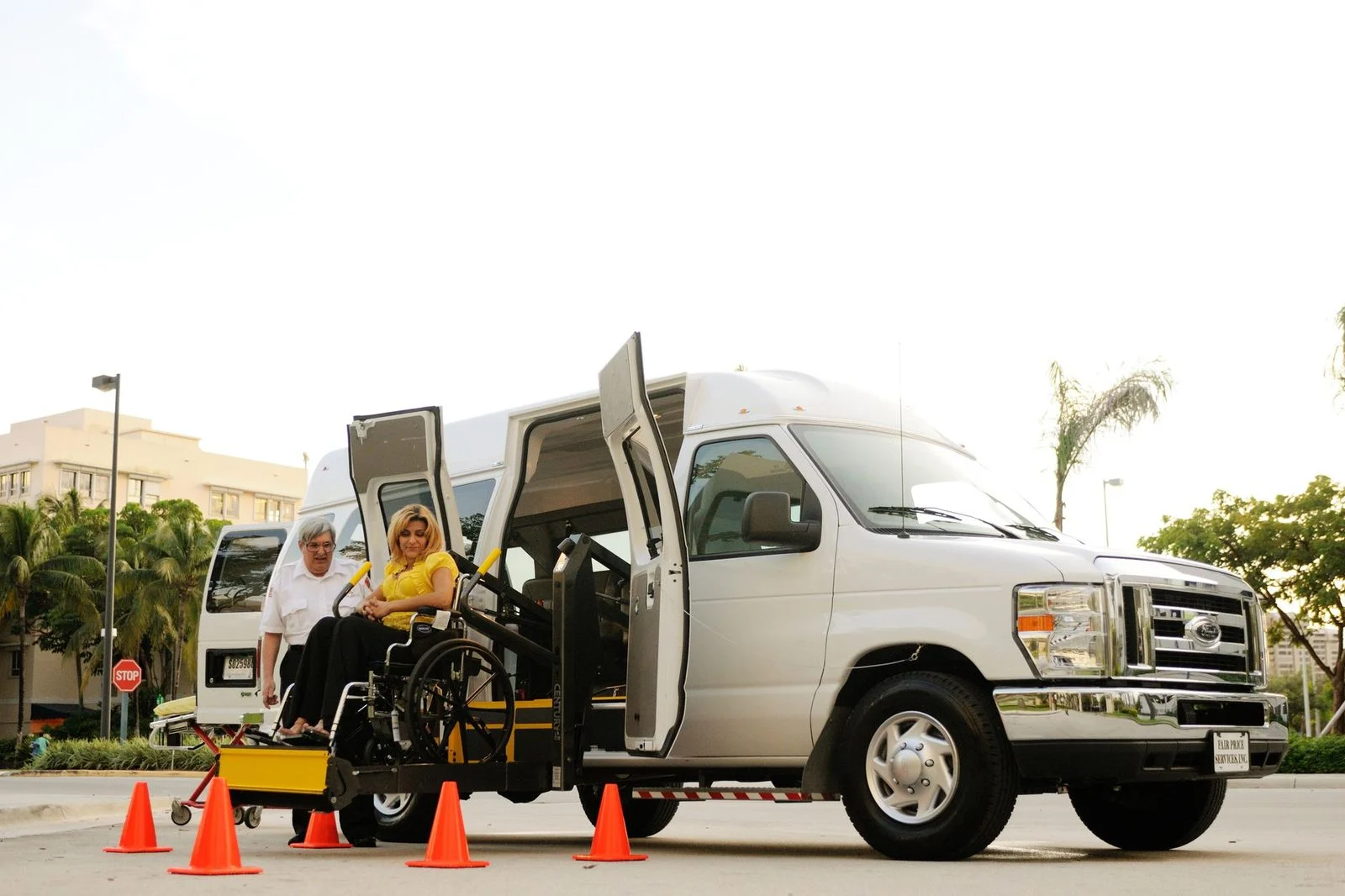
Common examples include ramps, wider doorways, roll-in showers, bathroom changes, wheelchairs, transfer lifts, and hospital beds. Some families also add a vehicle lift or a modified van, since getting to appointments is part of daily life.
When the home cannot support the injured person, the caregiver absorbs the difference. A spouse may lift a partner in and out of a tub every day. Changes that reduce that daily strain belong in the cost picture.
Receipts, contractor estimates, equipment prescriptions, and supplier invoices usually support these costs. For a closer look at vehicle and home costs, see wheelchair van and home modification costs.
Medical Expenses, Past and Future
Medical expenses include bills already paid and the care a doctor expects the injured person to need later.
Past costs often include emergency care, a hospital stay, surgery, inpatient rehabilitation, therapy, medicines, and follow-up visits. Future costs can include ongoing therapy, equipment replacement, medication, and repeat surgical care. Some spinal injuries need long-term surgical follow-up. For one example, see spinal fusion surgery and insurance disputes.
The link between the crash and the injury matters. Under Herrera v. Quality Pontiac, a proximate cause produces the injury in a natural and continuous sequence. It need not be the only cause, or the last or nearest one.
A treating provider’s notes about future care matter when caregiving is part of the plan. A written statement that the injured person needs help with transfers and medication gives the claim a clear record. Medical costs are documented through bills, explanations of benefits, and provider records.
Travel Expenses and Other Out-of-Pocket Costs
Travel to medical care is a cost families often cover themselves.
Trips to therapy, doctor visits, and rehabilitation add up. Mileage, parking, meals on the road, and lodging for out-of-town care are common items. A family driver who makes weekly trips can build a large total, and each trip has a date and a destination.
Other out-of-pocket items include copays, medical supplies, and property damage from the crash. Receipts and statements show these amounts.
A mileage log with dates, destinations, and miles, plus parking receipts, shows travel costs clearly. If a case moves forward, the firm can advance court costs and litigation expenses. Your written fee agreement sets out how those costs are handled, including what happens if there is no recovery.
Loss of Consortium and Other Family Losses
Loss of consortium is a claim for damage to a close family relationship. In New Mexico, it belongs to the family member who brings it.
New Mexico’s pattern instruction asks whether the claimant and the injured person had a mutually dependent relationship. That means they relied on each other and could not enjoy life in the same way after the injury (UJI 13-1810A NMRA).
UJI 13-1810A NMRA lists factors that may be considered when deciding whether a relationship was mutually dependent. These include how long the relationship lasted, its degree of mutual dependence, the extent of common contributions to a life together, the extent and quality of shared experience, whether the loss of consortium claimant and the injured or deceased person were members of the same household, their emotional reliance on one another, the particulars of their day-to-day relationship, and the manner in which they related to each other in addressing life’s day-to-day requirements.
Under Thompson v. City of Albuquerque, loss of consortium damages belong to the claimant. They do not belong to the injured person or the decedent’s estate.
Family losses sit alongside the injured person’s own pain, suffering, and loss of enjoyment of life. They are separate claims with separate rules. Each one is reviewed case by case.
Keeping Records That Show Family Caregiving Costs
Start a dated caregiving log now. A note written during care is usually more useful than a rebuilt one later.
- A caregiving log with dates, start and end times, and tasks
- Pay stubs, work schedules, and employer letters
- Receipts for supplies, equipment, and home changes
- Mileage logs and parking receipts
- Medical notes, bills, and explanations of benefits
Explanations of benefits show what the insurer paid and what remains. Keep copies of insurance letters and any written statements from providers about future care.
Timing matters too. New Mexico generally requires a personal injury lawsuit to be filed within three years, under NMSA 1978, § 37-1-8. Early records make that timeline easier to manage.
Records help a lawyer understand the family’s costs. A court or jury still weighs what the evidence shows.
Talk With El Gringo Law About Your Family’s Caregiving Costs
If your family is already giving daily care after a New Mexico crash, you can talk with El Gringo Law about those costs. Josh Wood, a lawyer licensed in New Mexico and Arizona, is responsible for this page’s content.
Can family members be paid for caregiving after a spinal cord injury in New Mexico?
Family caregiving can be part of a claim. Whether a specific arrangement qualifies is decided case by case.
How long do I have to file a claim in New Mexico?
New Mexico generally requires a personal injury lawsuit within three years, under NMSA 1978, § 37-1-8.
Does being partly at fault stop me from recovering?
No. New Mexico follows pure comparative negligence, so shared fault lowers damages but does not bar recovery (Scott v. Rizzo).
What records matter most?
A dated caregiving log, pay records, receipts, and provider notes are the core records.
Your first consultation is free, confidential, and comes with no obligation to continue. If a crash left a family member with a spinal cord injury and you are already handling their daily care, you can reach out through the El Gringo Law contact page. You can call, submit the form, or start a chat there.
How El Gringo Law Works With Families
Free first consultation
Your first consultation is free, confidential, and comes with no obligation to continue.
Confidential from the start
Share the details of your family's situation in a private conversation.
A team that takes your calls
Our team answers your questions about caregiving costs and what to expect next.
Clear, plain-language updates
We explain each step in terms your family can follow, in English or Spanish.
Serving families across New Mexico
We work with families in Santa Fe, Las Cruces, Taos, Farmington, and the surrounding communities.
Focused on the whole family
We keep your loved one's care needs and your family's daily life in view as we work through the case.
Start Keeping Records Today
Write down the hours of care you provide, the supplies you buy, the trips to appointments, and any work you miss. Keep receipts and notes in one place. This information can help when you speak with a lawyer.
Costs Families Often Track After a Spinal Cord Injury
Daily personal care
Help with bathing, dressing, transfers, meals, and medication schedules can take many hours each day.
Home modifications
Ramps, widened doorways, accessible bathrooms, and adjustments to the home are common needs after a spinal cord injury.
Medical equipment and supplies
Wheelchairs, beds, catheters, and other supplies are recurring expenses that families frequently pay out of pocket.
Income lost by family caregivers
Many relatives reduce hours or leave work to provide care, and that lost income is worth recording carefully.