Spinal Cord Injuries | Bernalillo County, NM
Facing a Spinal Cord Injury? Talk With El Gringo Law About Your Options
An injury to the spine can reshape medical needs, work, and family life all at once. Here is a plain-language look at what a claim can cover.
By Josh Wood · Published November 13, 2026
A crash can change someone’s ability to walk, work, and care for themselves in an instant. If you’re trying to understand spinal cord injury damages in Bernalillo County, you may be doing it while a family member is still in treatment. Yes, a person hurt by another driver’s negligence in New Mexico can pursue damages for a spinal cord injury, and state fault and filing rules shape what they can recover.
Short Answer: Can You Recover Damages After a Spinal Cord Injury in New Mexico?
Yes, damages fall into two groups: economic losses and non-economic losses. Economic losses are money-based. They include medical bills, future care, equipment, and lost income. Non-economic losses include physical pain, emotional distress, and the loss of activities that gave life its meaning.
No two claims come out the same way. The value depends on the medical records, the level of injury, and the evidence from the crash. This page focuses on spinal cord injuries from car accidents, with Bernalillo County as the main lens.
A spinal cord injury can cause paralysis. Complete and incomplete injuries affect movement and sensation in different ways (MedlinePlus spinal cord injury information).

Spinal Cord Injuries and the Records That Shape a Claim
Medical records are the foundation of every damages category. They also show the link between the crash and the injury, so start gathering them early.
Common warning signs include loss of movement or feeling, weakness, bladder or bowel changes, and pain at the injury site. Doctors usually use imaging and a neurological exam to find out what is happening.
Keep one file from day one. Save discharge summaries, therapy notes, bills, insurance letters, and equipment orders in one place. Write down daily tasks that now take longer or need help. Those notes can matter later, when the family explains how life changed.
Economic Damages: Past and Future Medical Expenses
Economic damages are the money losses you can document. They include past and future medical costs, lost income, and future care costs.
Past medical expenses cover emergency care, surgery, hospital stays, rehabilitation, medications, and equipment already bought. Future medical costs can include doctor visits, imaging, medication, bladder and catheter supplies, and treatment for complications.
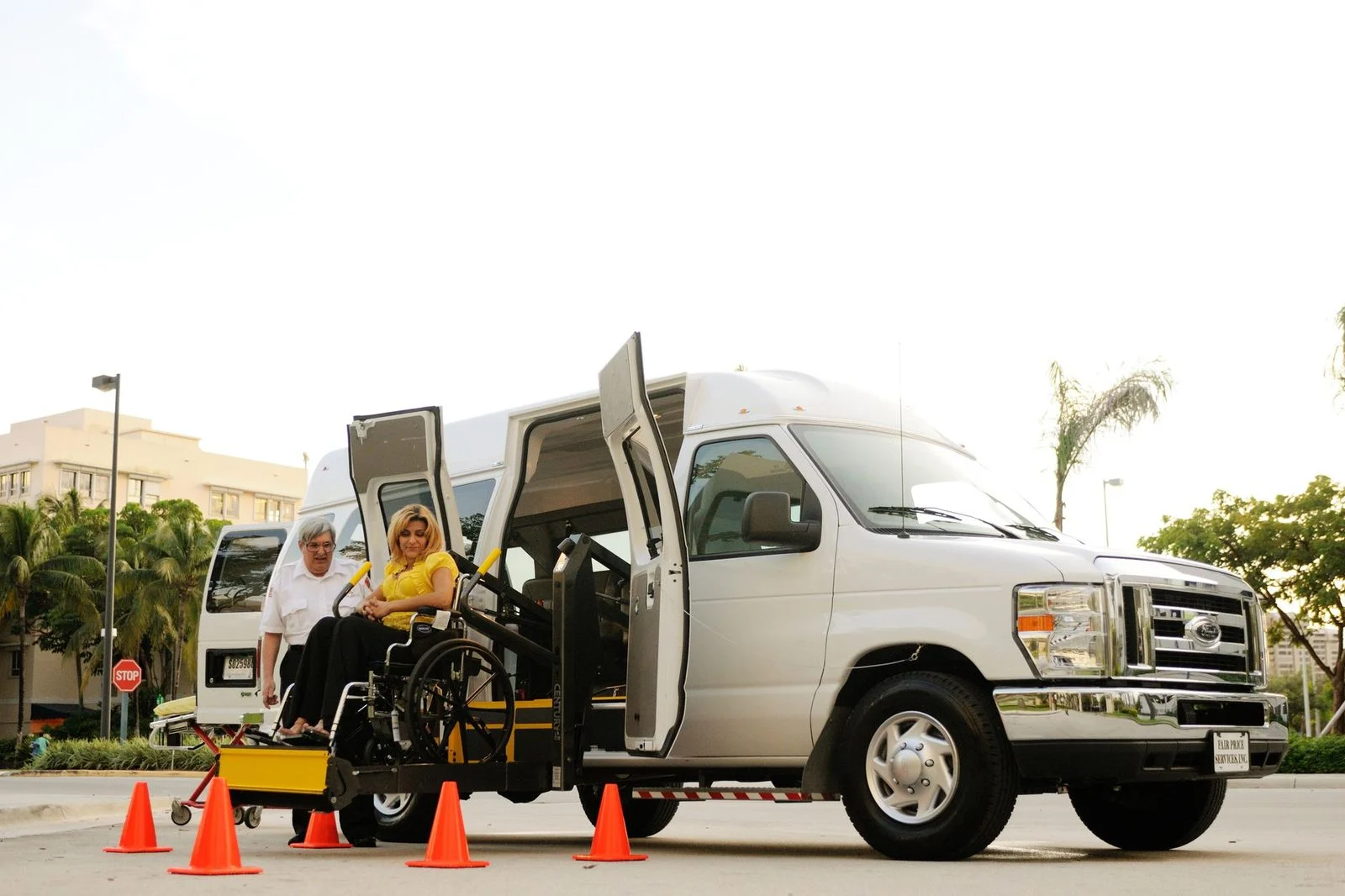
A life care plan is a written projection of the long-term care a person is likely to need. It is often built with medical and life-care professionals. Future items may include in-home attendant care, wheelchairs, adaptive equipment, vehicle changes, and home changes such as ramps, wider doorways, and accessible bathrooms.
Projected costs look at the person’s expected lifetime. That is why written notes from treating providers carry real weight.
Lost Income and Loss of Earning Capacity
Lost income covers wages and benefits missed from the crash to today. Loss of earning capacity looks forward. It covers a reduced ability to earn, such as a job change, fewer hours, or fewer career options.
The core records are pay stubs, tax returns, employer statements, and job history. A vocational or economic analysis can help turn those records into a projection.
The size of the loss turns on age, work history, education, and what the injury lets the person do. The injury’s functional limits drive the analysis more than a job title does.
Non-Economic Damages: Pain, Suffering, and Loss of Enjoyment
Non-economic damages cover losses that don’t come with a receipt. These include physical pain, emotional distress, loss of independence, and loss of activities and relationships.
These losses are shown through medical testimony, a picture of life before the crash, and statements from family and friends. No fixed formula sets their amount, so the detail in the claim file carries weight.
Loss of consortium is a separate claim for a family member, such as a spouse. It requires a mutually dependent relationship, where both people relied on each other and can no longer enjoy life the same way. In deciding whether a relationship is mutually dependent, factors to consider may include the duration of the relationship, the degree of mutual dependence, and whether the people were members of the same household (UJI 13-1810A NMRA).
How New Mexico Fault Rules, Filing Deadlines, and Insurance Affect Recovery
Your own fault reduces your recovery, but it does not bar it. New Mexico adopted comparative negligence (shared fault) in Scott v. Rizzo in 1981. Under the jury instruction, where comparative negligence is at issue and there is no apportionment of negligence among defendants or non-parties, the jury totals the damages, assigns fault percentages that add to 100%, and reduces the award by the injured person’s share (UJI 13-2218 NMRA).
When more than one party is at fault, § 41-3A-1 generally limits each defendant to its own share of the damages. Exceptions exist, such as intentional injury and vicarious liability.
Deadlines matter. An action for injury to a person must be brought within three years (NMSA 1978, § 37-1-8). A wrongful death action must be brought within three years after the date of death (NMSA 1978, § 41-2-2). Minors and incapacitated persons get one year after the incapacity ends (NMSA 1978, § 37-1-10).
What to Expect: Step-by-Step Timeline of a Spinal Cord Injury Claim
A claim usually moves through five steps, from the first conversation to a possible lawsuit.
- Initial consultation. The crash facts, injuries, and paperwork are reviewed.
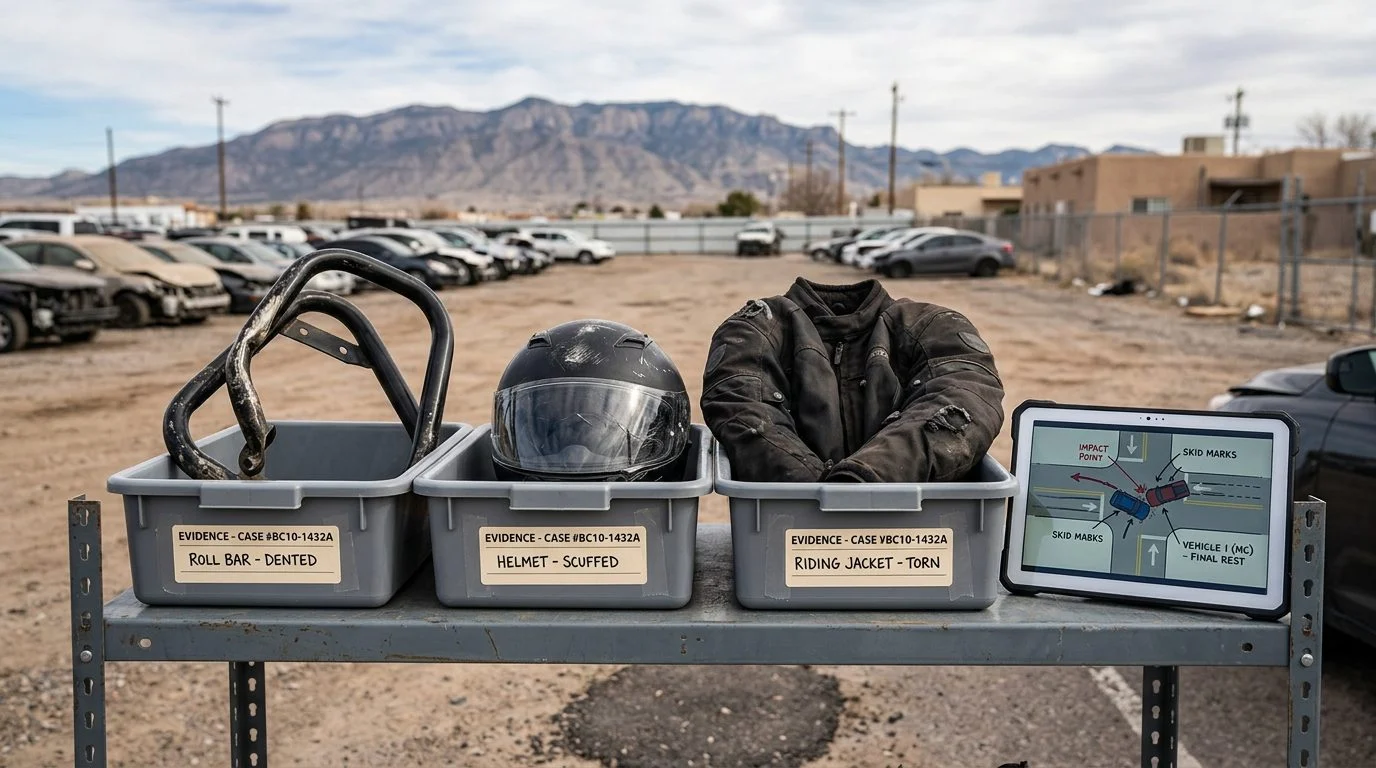
- Investigation. The team looks at the police report, scene and vehicle evidence, witness statements, and insurance information.
- Medical documentation. Records are gathered, provider statements are requested, and a future-care projection is built where needed.
- Demand and negotiation. The claim goes to insurers. These talks can take months while the medical picture is still changing.
- Lawsuit, if needed. A suit is filed before the deadline. Then comes discovery (exchanging evidence), mediation or settlement talks, and trial preparation.
The timeline depends on how stable the medical picture is and how many parties are involved.
Why Work With El Gringo Law on a Spinal Cord Injury Claim
El Gringo Law represents car accident victims in New Mexico. Our practice areas include catastrophic injuries, spinal cord injuries, amputations, trucking accidents, and wrongful death. We represent people in Bernalillo County, Sandoval County, Santa Fe, Rio Rancho, Las Cruces, Taos, and Farmington.
Josh Wood, licensed in New Mexico and Arizona, is the lawyer responsible for this page’s content. Our team handles case investigation, records requests, and client communication.
Every case is different. No outcome can be predicted from one page.
Frequently Asked Questions About Spinal Cord Injury Damages
Can I still recover damages if I was partly at fault?
Yes. New Mexico reduces the award by your share of fault but does not bar recovery.
How much are spinal cord injury damages in Bernalillo County worth?
There is no set amount. Value turns on medical records, future care, lost earning capacity, fault, and available insurance.
How long does recovery take?
Recovery varies by injury level and location. Your treating doctors can explain the medical outlook for a specific injury.
Can a family member bring a claim?
Loss of consortium belongs to a family member in a mutually dependent relationship with the injured or deceased person.
If a car crash has left someone you love with a spinal cord injury, you may be facing medical bills, care needs, and a claim you didn’t expect. Our team can talk through that situation with you in a free, confidential initial consultation with no obligation to continue. Reach out through the contact page.
Losses We Look at in a Spinal Cord Injury Claim
Medical Care Now and Later
Emergency care, surgery, rehabilitation, and the ongoing treatment a spinal injury often requires.
Lost Income and Earning Ability
Missed work, reduced hours, or a changed career path when an injury limits what you can do on the job.
Daily Life and Independence
Pain, loss of mobility, and the everyday tasks that now take more time, effort, or help from others.
Home, Equipment, and Care Needs
Adaptive equipment, home modifications, and in-home support that may be part of your long-term picture.
How Our Team Approaches Your Case
Careful Review of Your Records
We look closely at medical records, treatment plans, and what your doctors say about your future care.
A Team Behind You
Our lawyers and support staff share the work, so you have people available to answer questions.
Plain-Language Answers
We explain each step in clear English, without legal jargon, so you know what to expect.
Focus on Serious Injury Cases
The firm focuses on car accidents, trucking accidents, and catastrophic injuries, including spinal cord injuries.
Start Gathering Your Information Now
Keep discharge papers, medical bills, pay stubs, and any photos from the scene in one place. Bring what you have to your consultation, and do not worry if something is missing.