Spinal Cord Injury Lawsuits | Albuquerque, New Mexico
Facing a Spinal Cord Injury Lawsuit? Know What Comes Next.
El Gringo Law explains the lawsuit process in plain language, from the first conversation through each stage that follows, so you can make decisions with clear information.
By Josh Wood · Published November 6, 2026
A spinal cord injury lawsuit in Albuquerque is a civil claim for money damages. It asks the person, company, or property owner whose careless or wrongful conduct caused the injury to pay for the harm. This guide explains how the process works, which deadlines matter, and what costs to expect. If you’re still gathering information, you’re in the right place.
What a Spinal Cord Injury Lawsuit Is and Who It Is For
A spinal cord injury lawsuit is a claim for damages, which means money for losses caused by someone else’s wrongful conduct. Common defendants include a driver, a trucking company, a property owner, or a security provider.
Herrera v. Quality Pontiac states: “Generally, a negligence claim requires the existence of a duty from a de *48 fendant to a plaintiff, breach of that duty, which is typically based upon a standard of reasonable care, and the breach being a proximate cause and cause in fact of the plaintiffs damages.” New Mexico negligence elements sets out this basic test. A proximate cause is one that sets off the injury in a natural, continuous sequence.
Medical labels matter, but they don’t decide the claim alone. MedlinePlus explains the difference between complete and incomplete spinal cord injuries. A lawsuit focuses on how the injury happened and how it changes work, home life, and future care needs.
The injured adult usually brings the claim. If that person can’t, a family member may act for them. If the injury caused a death, a personal representative brings the wrongful death claim.
Workers’ compensation and insurance claims can run alongside a lawsuit. Which path fits depends on how the injury happened.
If a crash or fall has left you or someone you love with a spinal cord injury, our team can walk through what comes next with you. Talk it through with our team — the first consultation is free, confidential, and carries no obligation.

Types of Accidents That Lead to Spinal Cord Injury Claims
Car crashes, truck crashes, falls on unsafe property, and negligent security incidents are common paths to these claims. Each one has its own proof and its own responsible parties.
Car accidents can damage the spinal cord in rollovers, head-on collisions, and high-speed impacts. A claim can also reach a vehicle owner who lent the car. New Mexico requires proof that the owner knew or should have known the driver was incompetent, and that this incompetence caused the injury. DeMatteo v. Simon sets out that test.
Trucking cases often involve more than one responsible party, such as the driver, the carrier, and a broker who chose the carrier.
Property owners owe visitors a duty of ordinary care to keep the premises safe. That duty also applies to typical slip-and-fall cases. Depending on the facts of the case, property owners may also be responsible for foreseeable harm to visitors caused by third parties, including criminal conduct. That duty matters in negligent security cases.
What a Spinal Cord Injury Lawsuit Can Cover
A claim can seek money for losses that flow from the injury. Common categories include:
- Past and future medical care
- Rehabilitation and assistive equipment
- Home changes, such as ramps or bathroom modifications
- Lost wages and lost ability to earn in the future
- Pain and suffering
Future care needs must be documented with medical records and, often, expert input such as a life-care plan. Early records make that documentation easier to build.
The Christopher & Dana Reeve Foundation notes that lawsuits and insurance are possible funding sources for spinal cord injury costs. It also notes that settlements may affect need-based benefits.
A spouse may bring a separate loss of consortium claim. New Mexico treats that claim as belonging to the spouse, not the injured person, under Thompson v. City of Albuquerque. The claimant must show a mutually dependent relationship, as the UJI 13-1810A NMRA instruction explains.
How a Spinal Cord Injury Lawsuit Is Filed in Albuquerque: Step by Step
A typical case moves through six stages, from first call to resolution. Timing varies from case to case.
- First consultation. You share how the injury happened, your medical records, and the timeline.
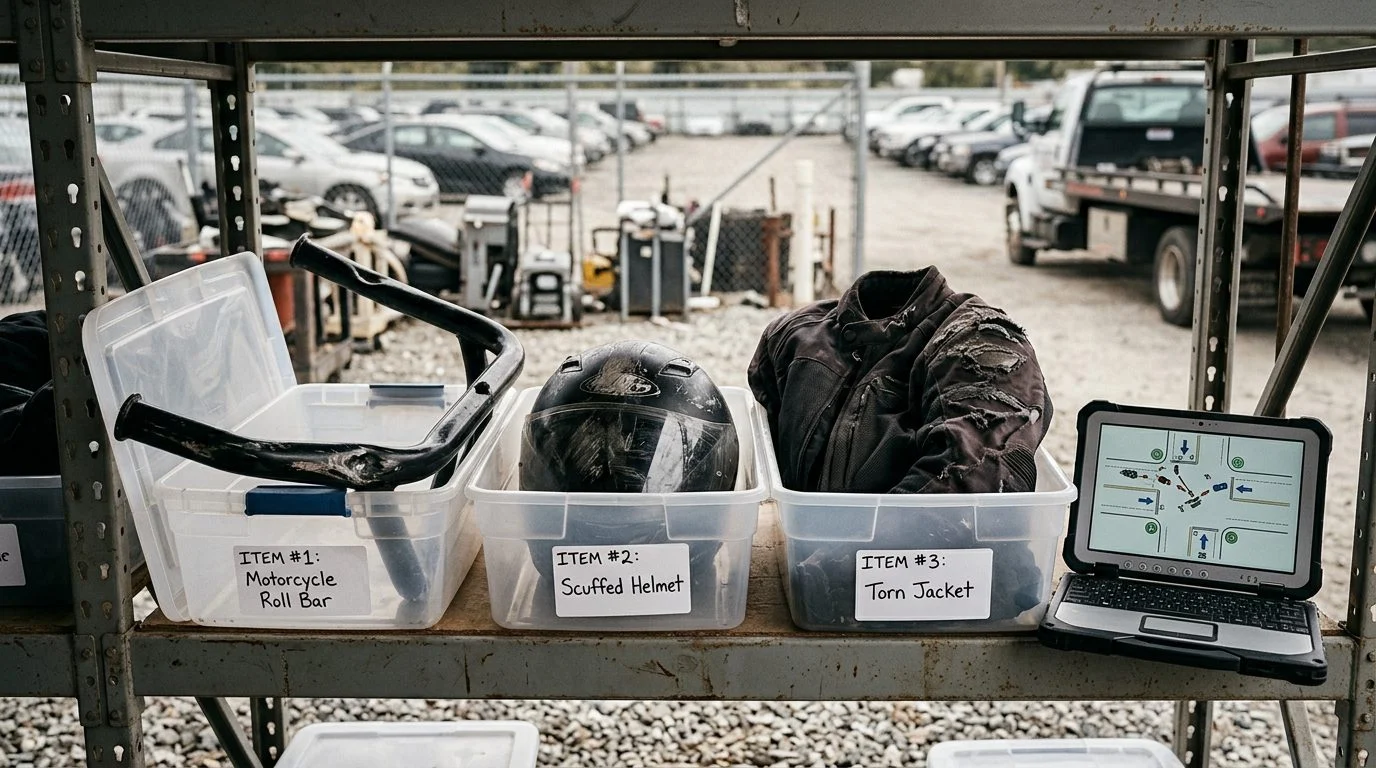
- Evidence preservation. Crash data, vehicle records, surveillance video, and witness names can disappear quickly. New Mexico liability for destroying evidence does not require a filed complaint, as the New Mexico evidence ruling explains.
- Medical documentation. Doctors’ records, imaging, and therapy notes build the picture of your losses.
- Filing and service. The lawsuit is filed in the proper New Mexico court and served on each defendant.
- Discovery. Both sides exchange documents, answer written questions, and take depositions. This stage often takes the longest.
- Resolution. The case may end in settlement, mediation, or trial. You approve any settlement before it’s accepted.
Timelines depend on the injury, the defendants, and court schedules. The firm will explain the expected stages for your case.
Deadlines and Costs You Should Know About
Under § 37-1-8 of the New Mexico Statutes, actions against sureties on official bonds and on bonds of guardians, conservators, personal representatives and persons acting in a fiduciary capacity must be brought within two years after the principal’s liability is finally established, and actions for an injury to the person or reputation of any person must be brought within three years. A wrongful death action must be filed within three years after the date of death, under NMSA 1978, § 41-2-2. Other deadlines can apply, so early review matters.
A wrongful death action is brought by the deceased person’s personal representative, under NMSA 1978, § 41-2-3.
New Mexico uses comparative negligence (shared fault), adopted in Scott v. Rizzo. Under the UJI 13-2218 NMRA instruction, the award is reduced by the injured person’s percentage of fault. Under § 41-3A-1 of the New Mexico Statutes, in causes of action to which several liability applies, a defendant who establishes that another’s fault is a proximate cause of the plaintiff’s injury is liable only for the portion of the damages equal to the ratio of its fault to the total fault attributed to all persons.
The firm may advance court costs and litigation expenses. Those advances are repaid from a recovery, and if there is no recovery, you may still be responsible for court costs and the expenses of litigation, as the written agreement states. The firm’s written agreement sets out the terms of its fee. If there is no recovery, you may still be responsible for court costs and the expenses of litigation, as the written agreement states.
Why Work With El Gringo Law on a Spinal Cord Injury Case
El Gringo Law handles car accident, trucking, premises liability, negligent security, wrongful death, and catastrophic injury cases. Josh Wood is the responsible lawyer for this page. He is licensed in New Mexico and Arizona.
Our team works with your medical providers, your family, and insurance adjusters. Adjusters work for the insurance company, not for you. Our team keeps you informed at each stage of the case.
Every case is different. Results in other cases do not predict a similar outcome.
Not sure what your next step is?
Talk it through with our team — the first consultation is free, confidential, and carries no obligation.
Common Questions About Filing a Spinal Cord Injury Lawsuit in Albuquerque
Do I have to go to court?
Some cases settle before trial. You still take part in discovery and in key decisions, including any settlement.
Can I file if the accident was partly my fault?
Yes. New Mexico’s comparative negligence rule reduces damages by your share of fault and does not bar recovery. Whether that applies depends on the facts.
What if the at-fault party has little insurance?
Available coverage can affect recovery, including your own policies. The team looks at every available source.
Will my case take years?
Length depends on how stable the injury is, who the defendants are, and court schedules.
Do I need a lawyer if an adjuster is already calling me?
Adjusters work for the insurer. A lawyer can handle those calls and review any offer for you.
Can a family member start the process?
A family member can contact the firm for an injured adult. The injured person must consent before the firm represents them.

Talk With El Gringo Law About Your Spinal Cord Injury
If you’re sitting beside a hospital bed or sorting bills at a kitchen table, you may be facing a deadline you didn’t expect. Your first consultation is free, confidential, and comes with no obligation to continue.
Send the date and place of the crash or fall, along with a short medical timeline. Use the contact form at El Gringo Law’s contact page, where you can also start a chat. Josh Wood and our team will explain the options for your situation.
How El Gringo Law approaches your case
Free, confidential first consultation
Your first consultation is free and confidential, with no obligation to continue.
Plain-language updates
We explain each step, the options in front of you, and what to expect, so you are never left guessing.
Support for you and your family
A spinal cord injury affects the whole household. We keep your family's concerns in view throughout the case.
Careful case preparation
Our team organizes medical records, bills, and evidence so your story is documented accurately.
Respect for your recovery
We focus on the physical, emotional, and financial impact of your injury, not only on the paperwork.
Start keeping records now
Save medical reports, bills, photos, and a simple journal of how the injury affects your daily life. Bring these to your consultation so your lawyers can review them with you.
What the lawsuit process generally involves
1. Initial consultation
We listen to what happened, review your situation, and answer your questions. The consultation is free, confidential, and carries no obligation.
2. Investigation and records
We gather medical records, accident reports, and other evidence, and work with your treating providers to understand your condition and needs.
3. Negotiation
Many cases are resolved through settlement discussions. We keep you informed about every offer and explain what it means before you decide.
4. Litigation, if needed
Some cases proceed to court. Even then, you take part in key decisions, including any decision to settle.