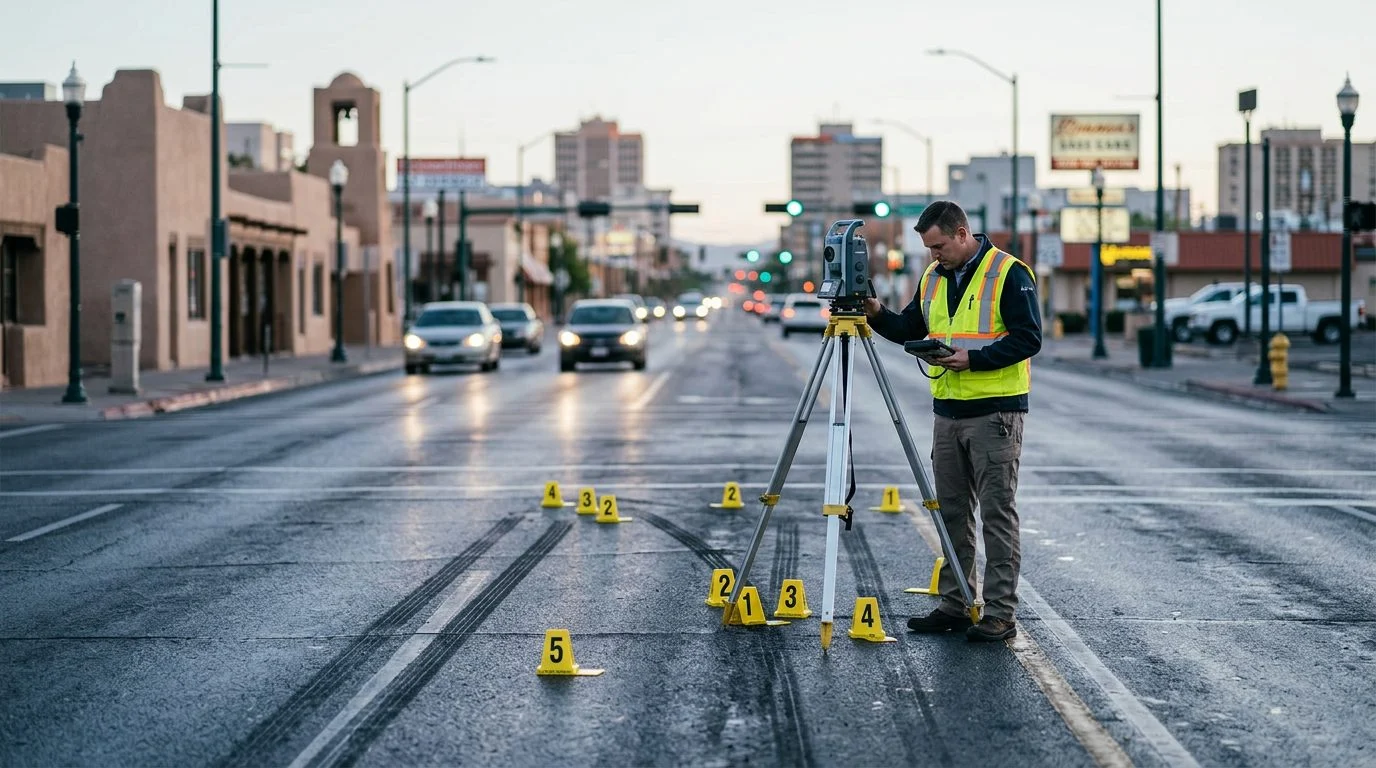
Wrongful Death & Truck Accidents | Albuquerque, Bernalillo County
When a Truck Crash Takes a Loved One, Your Family Needs Answers
El Gringo Law represents families in Albuquerque and across New Mexico after fatal trucking accidents. Our team focuses on the questions you face now, and we offer a free, confidential first consultation with no obligation to continue.
By Josh Wood · Published October 28, 2026
A wrongful death truck accident in Albuquerque leaves families with hard questions. Who can bring the claim? How long do they have? New Mexico law answers both. Under New Mexico law, a wrongful death action must be brought within three years after the cause of action accrues, and the cause of action accrues as of the date of death (NMSA § 41-2-2 — the cause of action accrues as of the date of death). Truck crashes add more parties and more records, so early steps matter.
What a Wrongful Death Truck Crash Claim Is
A wrongful death claim is a civil lawsuit for damages. It applies when another person’s wrongful act, neglect, or default causes a death. The New Mexico Wrongful Death Act makes the responsible party liable “notwithstanding the death of the person injured.”
If someone you love died in a crash involving a commercial truck, you may have questions about the next steps. Our trucking accidents practice covers commercial truck claims more broadly. This page focuses on what a family needs to know after a fatal crash.
If your family lost someone in a truck crash, you may have a claim, and our team can walk you through the deadlines and next steps when you reach out. Talk it through with our team — the first consultation is free, confidential, and carries no obligation.
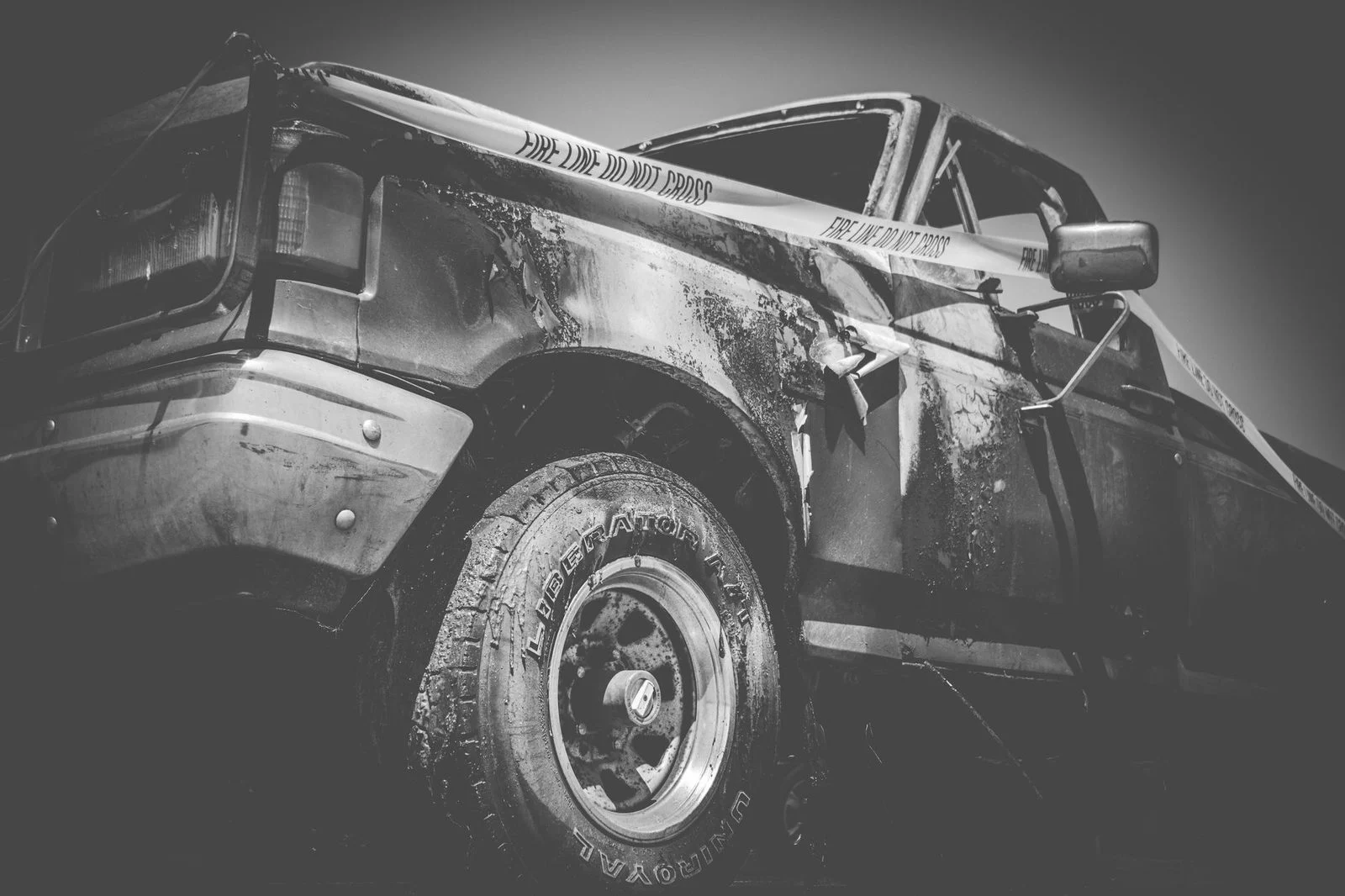
Who Can Bring a Wrongful Death Claim in New Mexico
The claim is brought by the personal representative of the person who died, in that person’s name. The personal representative acts for the family in the case. Confirm early who holds that role, because it shapes every step that follows.
The statute also sets the deadline: a wrongful death action must be brought within three years after the cause of action accrues (NMSA 1978, § 41-2-2 — three years from the date of death).
Loss of consortium is a separate kind of claim. A close family member may have a claim of their own. Who qualifies depends on the facts, including each person’s relationship to the person who died.
Why Truck Crash Deaths Involve More Parties and Records
A fatal truck crash can involve more than one company, so responsibility may reach several parties. The driver, the motor carrier that runs the truck, a leasing company, a freight broker, and a maintenance provider may each have a role. Our page on responsibility when a driver is an independent contractor covers that question in more detail.
A negligence claim generally needs a duty, a breach of that duty measured by reasonable care, and a breach that is a proximate cause of the harm. Herrera v. Quality Pontiac states that rule. A proximate cause need not be the only cause, the last cause, or the nearest cause.
A family may also examine whether a company gave a truck to a driver it knew, or should have known, was incompetent. DeMatteo v. Simon sets out those elements.
Federal trucking rules create records that matter. For drivers of property-carrying commercial trucks, and except as otherwise provided in § 395.1, a driver may not drive after 14 consecutive hours after coming on duty following 10 hours off duty, and may not drive once more than 8 hours of driving time pass without a 30-minute break, except drivers who qualify for the short-haul exceptions in § 395.1(e)(1) or (2), under federal driving-time limits. Carriers must keep duty status records for at least six months from receipt, under duty status records rules. After certain crashes, employers must test surviving drivers as soon as practicable; the post-accident testing rules note when a post-accident test is required. Carriers also keep driver qualification files.
Some records have short keep periods. Maintenance records, for example, must be kept for one year where the vehicle is housed and for six months after it leaves the carrier’s control, under inspection and maintenance rules. Early written requests to preserve evidence protect the family’s options.
What a Family Wrongful Death Claim Can Recover
New Mexico law lets a jury fix the amount of money it deems fair and just for the life of the person who died. The jury considers the financial loss the death causes the beneficiaries, though damages may be awarded even where monetary loss to the surviving beneficiaries cannot be shown. It also considers the mitigating or aggravating circumstances of the wrongful act. The New Mexico Wrongful Death Act sets this out.
Wrongful death damages and loss of consortium damages are separate in nature. The UJI 13-1830 committee commentary explains why the instructions treat them apart.
Fault can change the amount. When more than one person’s negligence causes the harm, the jury assigns each a percentage. The percentages for those whose negligence caused the damage must total 100%. Each defendant pays its percentage of the total damages, under the UJI 13-2219 comparative negligence instruction.
How the Process Works, From First Call to Resolution
The process starts with a conversation about the crash and moves through evidence, investigation, the claim, and, if needed, a lawsuit.
- First conversation. Share the crash date, the place, the parties involved, and any names you have.
- Preserving evidence. Written requests can ask carriers to keep logs, electronic data, driver files, maintenance records, and the truck itself.
- Investigation. Review police reports, medical examiner or coroner records, scene evidence, and the carrier’s safety history.
- Claim and negotiation. The claim goes to the responsible parties and their insurers. Settlement offers are discussed with the family before any decision.
- Lawsuit if needed. If a fair resolution is not reached, the claim may be filed in court. Timelines vary.
The main deadline is three years after the date of death, under the New Mexico Wrongful Death Act. Waiting costs time, and records can disappear. If a government entity owned the truck or employed the driver, different rules and deadlines can apply. Tell us early.
Fees, Costs, and Your Free First Consultation
Our first consultation is free, confidential, and carries no obligation to continue (Spanish: consulta inicial gratuita, confidencial y sin compromiso). You can review your family’s situation with us before you decide anything else.
Josh Wood is the responsible lawyer for this page. He is licensed in New Mexico and Arizona. Contact El Gringo Law through the contact page at elgringolaw.com/contact.
Not sure what your next step is?
Talk it through with our team — the first consultation is free, confidential, and carries no obligation.
Questions Families Ask After a Fatal Truck Crash
Does the family have to file the claim alone?
No. The personal representative brings the case in that person’s name. The family works with that representative on the case.
How long do we have to file?
Every action brought under the wrongful death provisions of this statute and the preceding section must be filed within three years after the cause of action accrues, and the cause of action accrues as of the date of death (NMSA § 41-2-2 — three-year limit after accrual). Earlier review protects evidence and options.
Can we pursue the trucking company as well as the driver?
Possibly. Claims can reach more than one party, including the carrier, a broker, or the driver. Who controlled the truck and the load matters.
What if the crash happened outside Albuquerque?
Location affects which court hears the case. Tell us where the crash happened, including the highway and the nearest town.
Talk With El Gringo Law About Your Family’s Truck Crash Claim
If your family lost someone in a truck crash, you can talk with our team about deadlines, the trucking company, and evidence that may not last. Losing a parent, spouse, or child is hard enough without sorting out legal timelines alone. Share the crash date, the place, and anything the trucking company or its insurer has told you. Then our team can explain the next step. You can call the firm, submit the contact form at elgringolaw.com/contact, or start a chat.
How We Work With Your Family
Compassion First
Losing someone is painful enough. We handle the legal details so your family can focus on each other.
Clear Answers
We explain the process in plain language, so you know what to expect before you decide on any next step.
A Free First Consultation
Our first consultation is free, confidential, and comes with no obligation to continue.
Responsible Lawyer
Josh Wood is responsible for the content of this page. He is licensed in New Mexico and Arizona, and he leads the firm's work on wrongful death and trucking cases.
Before You Speak With an Insurer
Trucking companies and their insurers often contact families quickly. Before you give a recorded statement or sign any release, talk with our team about what you are being asked to do.
Cases We Handle After a Fatal Truck Crash
Wrongful Death
When a death was caused by someone else's negligence, the surviving family may be able to pursue a claim. We help you understand who may bring the case and what it involves.
Trucking Accidents
Collisions with commercial trucks can involve multiple parties, including drivers, carriers, and maintenance companies. We look into each part of the crash.
Catastrophic Injuries
Families often face serious injuries before a loss. We review the medical and financial impact on your household during the case.
Car Accidents
Many fatal crashes involve passenger vehicles as well as trucks. We evaluate how each vehicle and driver fits into what happened.