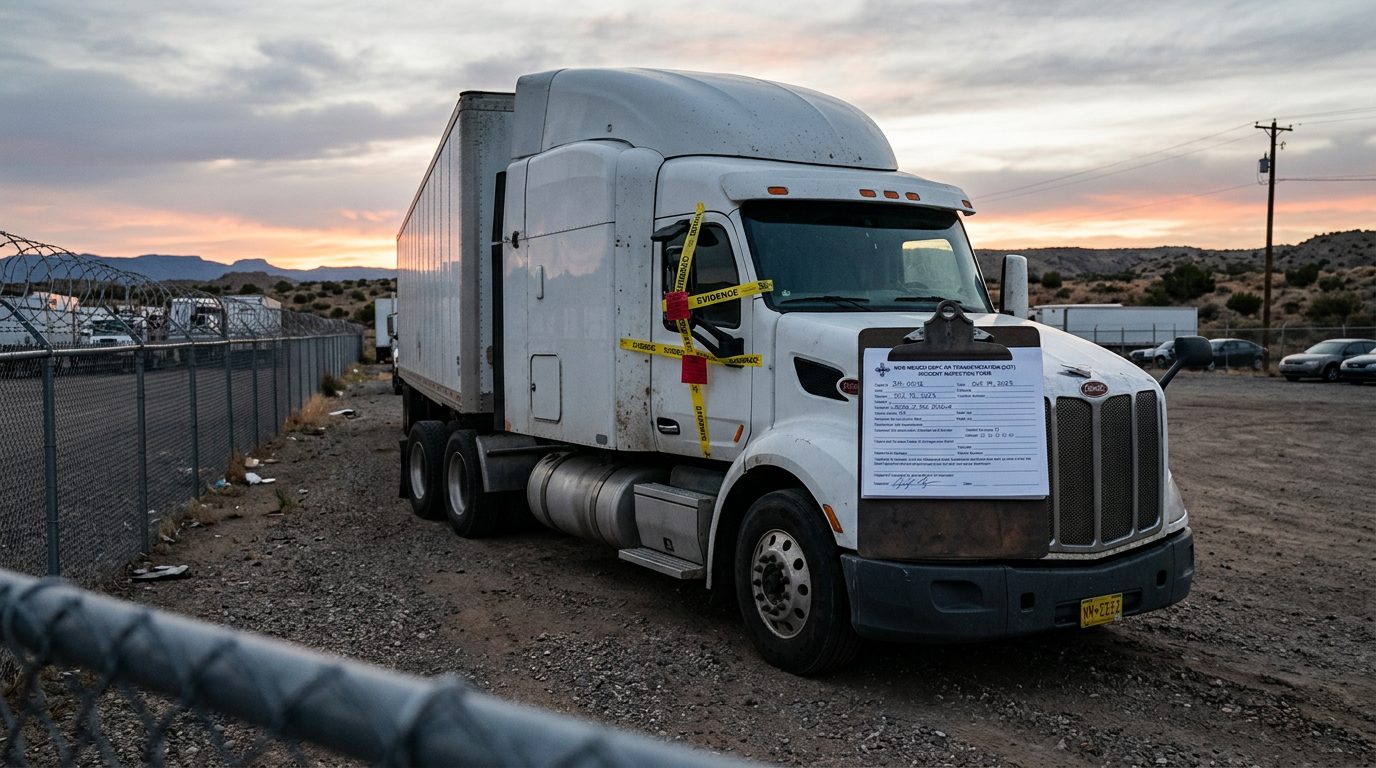
Trucking Accidents · New Mexico
Hurt in a Semi-Truck Crash? Talk to a New Mexico Lawyer Before You Give a Statement
El Gringo Law represents people injured in trucking accidents across New Mexico, including Santa Fe, Rio Rancho, Las Cruces, Taos, Farmington, Bernalillo County and Sandoval County. Every case is different, and we are here to explain your options in plain language.
By Josh Wood · Published October 24, 2026
If you were hurt in a crash with a semi truck, your first steps matter. Get medical care, keep your records, and speak with a lawyer before you give a recorded statement to the trucking company’s insurer. This guide to trucking accidents New Mexico drivers and families face explains the key rules, the evidence that matters, and what to expect next.
What to Do First After a Semi Truck Crash in New Mexico
Get medical care first. Even if you feel only sore, a large-vehicle impact can cause injuries that show up hours or days later. Early medical records tie your injuries to the crash and show how they developed.
New Mexico law also sets duties for the driver involved. Under NMSA § 66-7-207, the driver of a vehicle involved in an accident resulting in bodily injury to or death of any person, or total property damage to an apparent extent of five hundred dollars ($500) or more, must forward a written report of the accident to the department of transportation within five days after the accident.
Those duties belong to the driver. Still, the crash report is often the first official record of what happened. Ask for it, and write down the names of officers and witnesses.
For a step-by-step checklist, read our guide on what to do after a semi truck crash.
If a semi truck crash left you hurt and an insurer is asking for a recorded statement, you don't have to sort it out alone. Contact El Gringo Law to talk through your situation. Talk it through with our team — the first consultation is free, confidential, and carries no obligation.
Why Truck Crashes Are Different From Ordinary Car Crashes
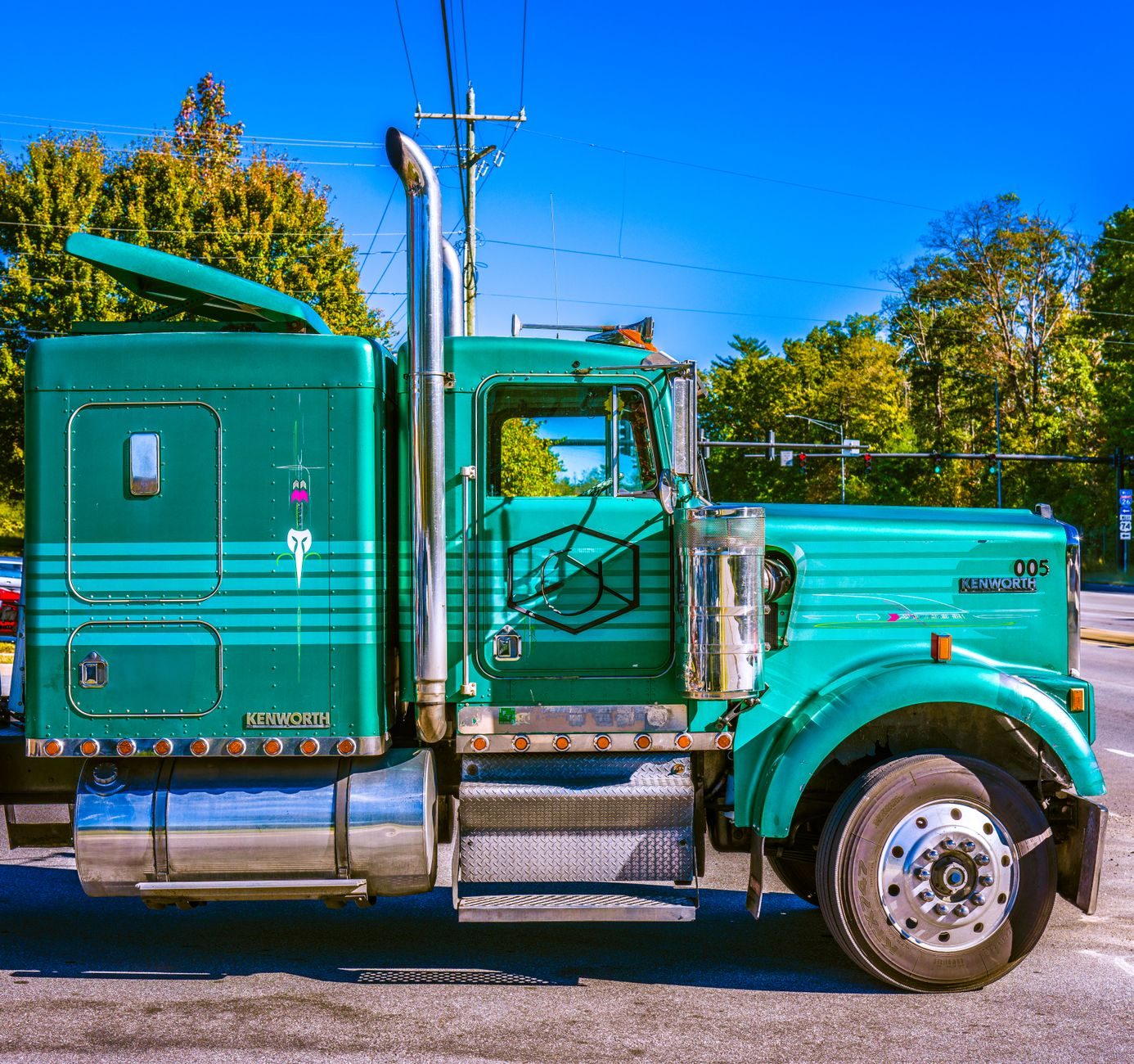
A semi truck is much heavier than a passenger car. A crash with one often produces greater force. The truck also needs far more distance to stop. A driver who could avoid a collision in a car may not be able to avoid it in a loaded rig.
Commercial trucks usually run as business operations. A motor carrier may own a fleet, assign loads through dispatch, and keep logs, maintenance files, and hiring records. Each record can point to a different person or company. A truck crash often involves more paperwork and more possible defendants than a typical car crash.
Insurance works differently, too. Commercial trucks are often covered by commercial policies. Those are separate from the personal auto policy a driver carries for a family car. Which policies apply depends on who owned the truck, who was driving, and what the truck carried. The first insurer you hear from may not be the only one with a stake in your claim.
Federal and New Mexico Rules That Apply to Commercial Trucks
Federal rules limit how long commercial drivers may work and drive. They also require carriers to keep records of that work. A driver must have 10 consecutive hours off duty before driving. These limits appear in 49 C.F.R. § 395.3.
Records matter here. A carrier must keep records of duty status and supporting documents for at least six months from the date of receipt, under 49 C.F.R. § 395.8. Federal rules bar both drivers and motor carriers from tampering with an electronic logging device so that it does not accurately record and retain required data (49 C.F.R. § 395.8(e)(2)). After a crash, those logs can show whether a driver was past the limits.
Because records are kept for a limited time, don’t wait to ask for them. Read more in our guide to hours-of-service crash claims.
New Mexico Statutes § 66-7-318(B) addresses a motor truck or motor vehicle drawing another vehicle. Under NMSA § 66-7-318, the driver of a motor truck or motor vehicle drawing another vehicle shall not follow another motor truck or motor vehicle drawing another vehicle within three hundred feet when traveling upon a roadway outside of a business or residence district, except that this shall not prevent a motor truck or motor vehicle drawing another vehicle from overtaking and passing any like vehicle or other vehicle. Passing is an exception.
Who Can Be Held Responsible in a Trucking Accident
Several parties may share responsibility in a truck crash, depending on the facts. The driver is one possibility. The motor carrier that employs or dispatches the driver may be another. Others can include the truck’s owner, a maintenance contractor, or a company that loaded the cargo.
Federal law also reaches brokers. Under 49 U.S.C. § 14704, a carrier or broker providing transportation or service subject to jurisdiction under chapter 135 is liable for damages sustained by a person as a result of an act or omission of that carrier or broker in violation of this part.
New Mexico uses pure comparative negligence. Under Scott v. Rizzo, New Mexico applies pure comparative negligence: a plaintiff’s own share of fault reduces the damages by that percentage, but it does not bar recovery. Fault can be divided among several people.
Under NMSA § 41-3A-1, in causes of action to which several liability applies, a defendant who establishes that another’s fault was a proximate cause of the plaintiff’s injury is liable only for the portion of the damages awarded that equals the ratio of that defendant’s fault to the total fault attributed to all persons, including plaintiffs, defendants and persons not party to the action. Joint and several liability still applies in certain listed situations. Under NMSA § 41-3A-1, in any cause of action to which the doctrine of comparative fault applies, the doctrine imposing joint and several liability upon two or more wrongdoers whose conduct proximately caused an injury to any plaintiff is abolished except as otherwise provided hereafter. Subsection C(2) applies that doctrine to persons whose relationship to each other would make one person vicariously liable for the acts of the other, but only to that portion of the total liability attributed to those persons. A common mistake is assuming only the driver can be responsible.
Common Causes of Truck Crashes on New Mexico Roads
Following too closely, driver fatigue, speed, unsafe lane changes, and poorly secured cargo are common factors in truck crashes. Each can turn an ordinary drive into a serious injury case.
Following distance matters. Under NMSA § 66-7-318, the driver of a motor vehicle shall not follow another vehicle more closely than is reasonable and prudent, having due regard for the speed of the vehicles and the traffic upon and the condition of the highway.
Fatigue is another concern. Hours-of-service limits exist because long shifts can wear down a driver’s attention. When a driver goes past those limits, the logs and dispatch records can show it.
Cargo causes problems, too. A load that shifts, spills, or falls can strike vehicles and leave debris on the road. New Mexico’s wind, dust, and winter ice can also affect how a large vehicle handles.
Interstates and Highways Where Truck Crashes Happen in New Mexico
Interstate 40 and Interstate 25 are major routes where large trucks travel often. Interstate 40 crosses the state east and west. Interstate 25 runs north and south through much of the state, including Albuquerque and Las Cruces.
Urban and rural crashes look different. In busy areas like Albuquerque, Rio Rancho, and Santa Fe, frequent merging, lane changes, and stop-and-go traffic create more chances for impact. On long rural stretches, speed, fatigue, and long distances between stops can raise the stakes.
Multi-vehicle pileups often start with one sudden slowdown or stop. A truck that cannot stop quickly may strike cars ahead, and each impact can add to the injuries. When several vehicles are involved, each driver’s account may differ, so the official report and physical evidence matter.
Not sure what your next step is?
Talk it through with our team — the first consultation is free, confidential, and carries no obligation.
Insurance Adjusters, Recorded Statements, and Early Contact
An insurance adjuster may ask for a recorded statement soon after a crash. You can speak with a lawyer before you answer those questions.
Early calls often cover how the crash happened, your injuries, and your past medical history. Answers given before you know the full extent of your injuries can be used later to question your claim. Stick to facts you know. Don’t guess about speed, distance, or how the crash happened.
It helps to say when you are still getting treatment. That gives the adjuster an accurate picture of where your case stands. For more, read our guide on what not to tell an insurance company.
Evidence That Matters in a Truck Accident Claim
Evidence that often matters includes the crash report, photos of the scene and vehicles, witness names, and medical records. Start a written journal on day one. Note symptoms, treatment, missed work, and daily limits.
Trucking cases add their own records. Electronic logging device data, dashcam footage, maintenance and inspection files, and driver qualification records can all be central to a claim.
Some tests follow serious truck crashes. Under 49 C.F.R. § 382.303, an employer must test surviving drivers in certain crashes as soon as practicable. If an alcohol test isn’t given within two hours, the employer must keep a record of why. Attempts to test for alcohol end after eight hours. Controlled substance testing attempts end after 32 hours.
Preserving evidence matters. In Torres v. El Paso Electric Co., the New Mexico Supreme Court held that liability for intentional spoliation of evidence doesn’t require that a complaint was filed.
How Long Truck Accident Claims Take and What Affects Them
Timing depends on how complex the crash is and how serious your injuries are. More parties, more records, and more disputes about fault usually mean more time. Medical care also needs to progress far enough to show the full picture of your injuries.
New Mexico sets time limits for filing a lawsuit. Missing one can end a claim, so don’t assume you have plenty of time.
A claim against an insurer for unfair settlement practices works differently. For a sense of the full process, see our page on the truck accident lawsuit timeline.
Every case is different, and past outcomes do not predict the result of any particular claim.
What to Expect at a Free First Consultation
The first consultation with El Gringo Law is free, confidential, and carries no obligation to continue.
Bring what you have. That can include the crash report number, names of the driver and trucking company if you know them, insurer letters, photos, medical records and bills, and your symptom notes. Missing items are fine, and the lawyer can help you figure out what else to gather.
During the consultation, the lawyer reviews the facts of your crash. The lawyer explains which New Mexico and federal rules may apply and what your options look like. You can ask questions at any point.
Truck Accident Representation
El Gringo Law handles trucking accident cases.
Josh Wood is the lawyer responsible for the content on this page. Josh Wood is licensed in New Mexico and Arizona. Our team can help you get started and answer questions about the process.
If a semi truck crash left you hurt and an insurer is asking for a recorded statement, you don't have to sort it out alone. Contact El Gringo Law to talk through your situation. Talk it through with our team — the first consultation is free, confidential, and carries no obligation.
Talk With El Gringo Law About Your Truck Crash
If a semi truck crash left you hurt, you may be unsure what to do next. An insurer may be asking for statements, and bills may be arriving. Those are good reasons to get clear answers early.
What should I do first after a semi truck crash in New Mexico?
Get medical care first. Keep every record, and speak with a lawyer before you give a recorded statement.
Can I still recover if I was partly at fault?
Yes, New Mexico follows pure comparative negligence. Partial fault does not totally bar recovery under Scott v. Rizzo.
Can I sue both the trucking company and the driver?
Claims can involve more than one party. New Mexico’s several liability rules divide fault among those responsible.
Do I have to give a recorded statement to an insurer?
You can talk with a lawyer before you answer an insurer’s recorded questions.
How long do I have to file a claim?
New Mexico sets time limits for lawsuits, and missing one can end a claim. Ask early so nothing slips past you.
If you were hurt in a trucking accident, reach out to El Gringo Law through the contact form. You can also visit elgringolaw.com. Josh Wood, licensed in New Mexico and Arizona, is the responsible lawyer for this page.
Be careful with the trucking company's insurer
Trucking companies and their insurers often contact injured people quickly. Talk with a lawyer before you give any recorded statement or sign any release.
What to do after a semi-truck crash
Get medical care
Even if you feel you have only minor injuries, see a doctor. Some injuries from large-truck crashes appear hours or days later.
Document the scene
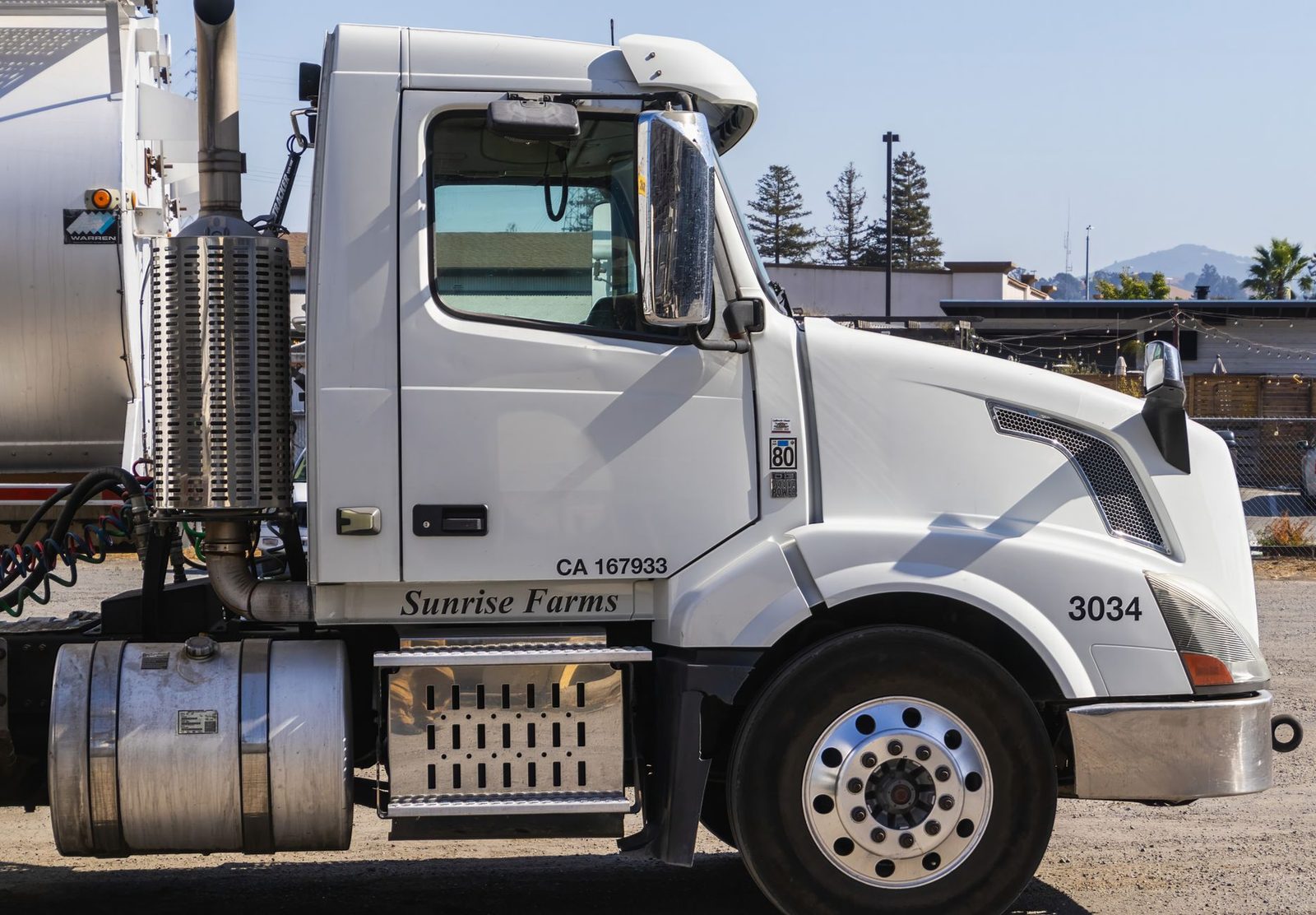
If you are able, take photos of vehicles, the road, skid marks, and any visible damage. Write down the truck's company name and unit number if you can see them.
Keep every record
Save medical bills, pay stubs, repair estimates, and letters from insurers. Organized records make it easier to explain what happened.
Contact a lawyer
Call El Gringo Law to talk through your situation before you speak with the trucking company's insurer. We can help you understand what comes next.
How our firm approaches trucking cases
Early protection of evidence
We can help request and preserve evidence that is often central in trucking cases, such as crash reports, photos, and repair records.
Our lawyers and team work together
Our lawyers and support staff coordinate your case so you have one point of contact who can explain each step.
Several ways to reach us
Call, send a message through our online form, or start a chat. Choose whichever is easiest for you.
Respect for your family
We understand that a serious truck crash affects your work, your home and the people who depend on you.