Wrongful Death | New Mexico
Wrongful Death Lawsuits in New Mexico: Why Some Cases Are Harder Than Others
Losing someone in a preventable accident or act of violence brings grief and hard questions. Here is what can make these claims difficult, and how a careful review can help your family decide what comes next.
By Josh Wood · Published November 10, 2026
Losing someone suddenly is hard. Many families ask how hard it is to win a wrongful death suit in New Mexico while they are still making arrangements. The short answer is that the difficulty comes from proof. The family must show that another party’s wrongful act, neglect, or default caused the death, and that the act would have entitled the person who died to maintain an action and recover damages had death not ensued.
Whether a particular claim is strong depends on the facts. The sections below explain the parts that usually decide that question, in plain terms.
What the question usually means when a family asks it
A wrongful death suit is a civil claim for a death caused by someone else’s wrongful act, neglect, or default. NMSA 1978, § 41-2-1 allows that claim even when the death happened under circumstances that would amount to a felony.
A civil claim is not a criminal case. A family does not need a criminal conviction before it can bring one. The claim asks for money damages for the survivors’ losses, and the rules for those damages come up later in this article.
Many people asking this question are grieving. They want to know whether the law offers a real path before they decide anything. That is a reasonable thing to ask.
If your family is weighing a claim after a sudden loss, you don't have to sort it out alone. Talk it through with us, starting with a free, confidential first conversation. Talk it through with our team — the first consultation is free, confidential, and carries no obligation.
The core elements a wrongful death claim must establish
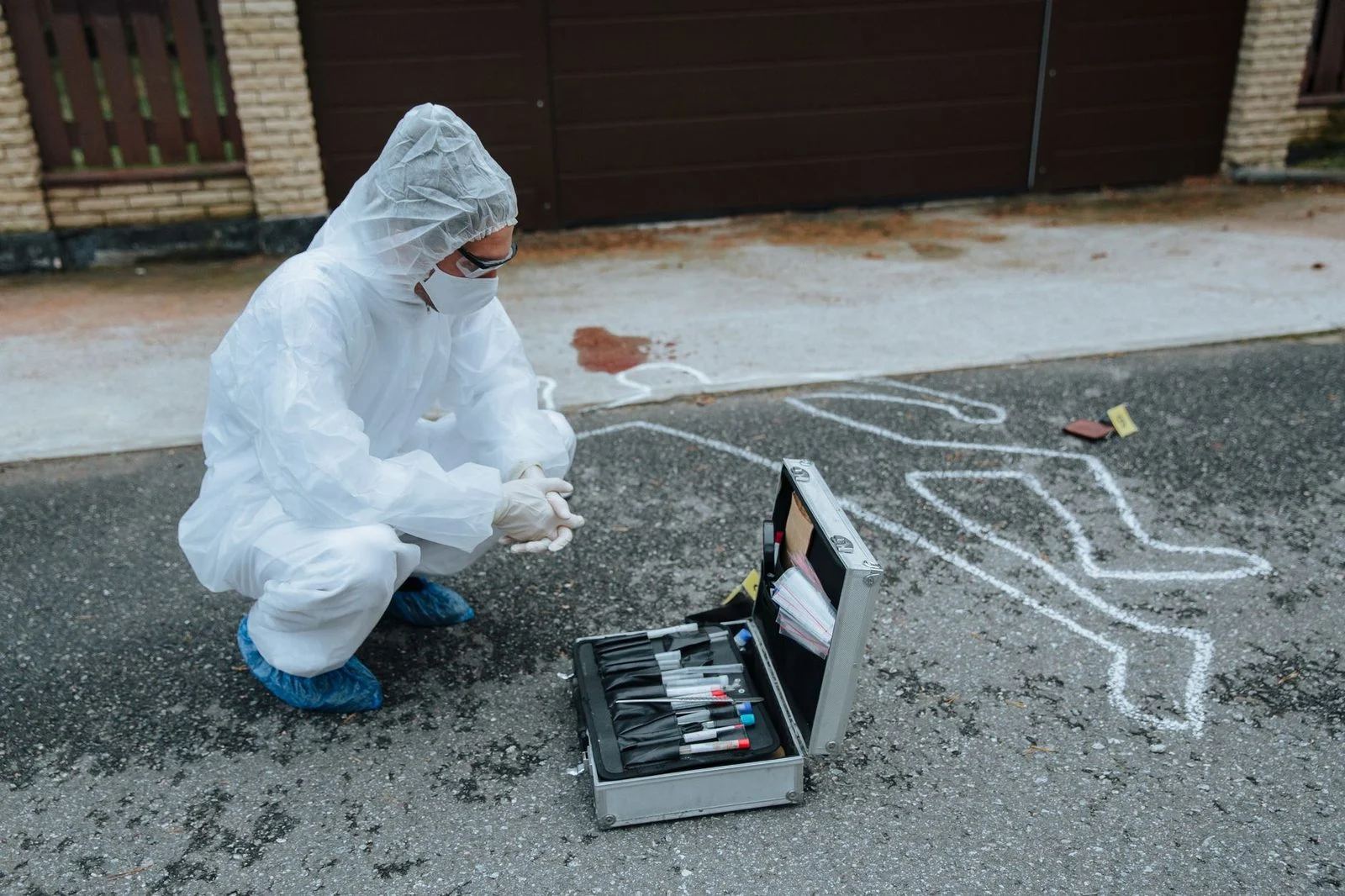
A family must show that the at-fault party owed a duty, broke that duty, and caused the death.
Duty. The at-fault party owed the person who died a duty of reasonable care in that situation. Who may be responsible after a crash depends on the facts of each case.
Breach. The party failed to meet that duty. Breach is usually measured against how a reasonably careful person would have acted.
Causation. The failure must be a cause of the death. New Mexico asks whether the act was reasonably connected as a significant link to the injury (UJI 13-305 NMRA). The cause does not have to be the only one, or the last or nearest one.
Damages. The survivors must have suffered losses the law allows them to recover. Those losses are covered below.
Causation and fault are often where the proof work concentrates.
Who is allowed to bring a wrongful death claim in New Mexico
The personal representative of the person who died brings the claim, for the people the statute names. NMSA 1978, § 41-2-3 requires the action to be brought by and in the name of that personal representative.
The statute then sets out who shares in what is recovered. A surviving spouse, children, and grandchildren are the main beneficiaries. In certain cases, parents or siblings may also share. Because the order is set by statute, the family tree matters from the start.
Timing is also tight. NMSA 1978, § 41-2-2 requires the action to be brought within three years after the cause of action accrues. The cause of action accrues on the date of death. Families should not assume there is plenty of time.
Some relatives may have a claim of their own. Under Thompson v. City of Albuquerque, loss of consortium damages belong to the claimant, not the estate. They arise from a close relationship with the person who died. New Mexico’s UJI 13-1810A NMRA asks whether the relationship was mutually dependent, looking at factors such as a shared household and emotional reliance. Whether that applies turns on the relationship itself.
Why proving fault is often the hardest part
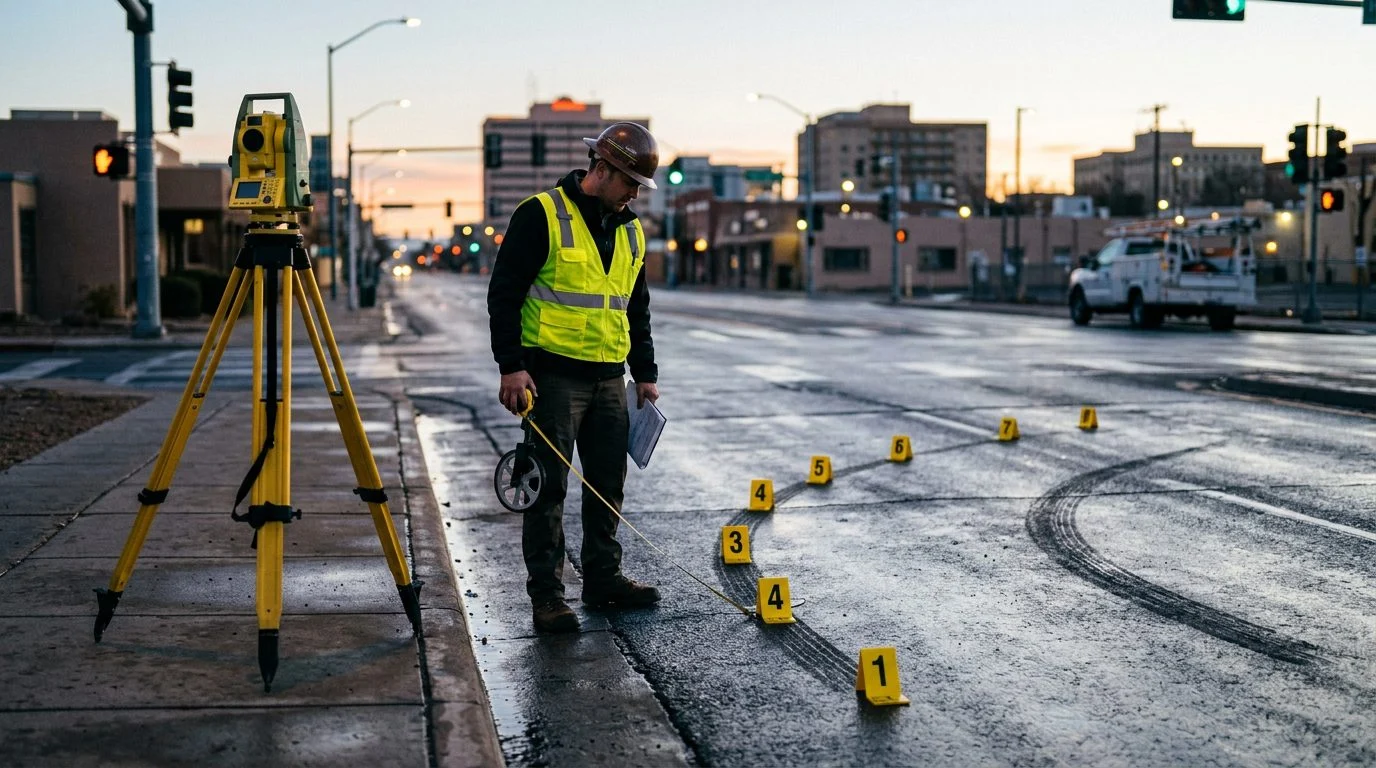
Proving fault is often hard because the person who died cannot describe what happened. The case rests on records, witnesses, and the other side’s own files.
Police reports, photographs, witness statements, vehicle damage, and medical records help build the timeline. Some of that evidence changes or disappears over time, so early action matters.
Trucking cases add another layer. Federal rules require drivers to record their duty status for each 24-hour period. Motor carriers must keep those records and supporting documents for not less than 6 months from the date of receipt (49 C.F.R. § 395.8). Because that window is short, the records should be requested early.
A trucking company can also face claims over how it hired or kept a driver.
In premises and negligent security cases, the central questions often involve what the property owner knew or should have known, and what it did about the risk.
How shared fault and the decedent’s own conduct can affect a claim
If the person who died was partly at fault, the damages are reduced by that share. The jury first totals the damages, then reduces them by the injured person’s percentage of negligence (UJI 13-2218 NMRA). When several people share fault, a different instruction applies (UJI 13-2219 NMRA).
Defendants and insurers often look at the decedent’s conduct, such as speed or seatbelt use. Those points are weighed against the crash facts. They are not assumed to decide the case.
Many defendants also point at someone else. New Mexico generally makes each defendant liable only for its own share of fault. Joint liability applies in listed situations, such as intentional injury or certain vicarious relationships (NMSA 1978, § 41-3A-1).
What the damages side of the case involves
NMSA 1978, § 41-2-3 allows compensatory and exemplary damages the jury deems fair and just.
The jury considers the pecuniary injury resulting from the death to the surviving party entitled to the judgment, which covers the financial losses from the death. It also considers any mitigating or aggravating circumstances of the wrongful act.
Money from a judgment is not liable for the debts of the person who died, provided that person left a spouse, child, father, mother, brother, sister, or child or children of a deceased child. The statute then distributes the proceeds in a set order: first to a surviving spouse, children, and grandchildren as the subsections specify; to the parents if the person who died was a minor, childless and unmarried; to a surviving brother or sister only if there is no father, mother, husband, wife, child or grandchild; and if no such kindred exist, as the law provides for the personal property of deceased persons.
Insurance can shape the picture too. Coverage limits and a defendant’s other assets can affect how a case is valued and resolved.
Every family’s losses are different. One case’s value tells you little about another’s.
Not sure what your next step is?
Talk it through with our team — the first consultation is free, confidential, and carries no obligation.
Talking through your family’s situation with El Gringo Law
A first conversation can help you sort out who may bring the claim and which evidence to preserve now. You may be handling a funeral, insurance calls, and questions about your loved one all at once. You don’t need every answer before you reach out.
How long do families have to file?
New Mexico requires the action to be brought within three years after the cause of action accrues, which is the date of death (NMSA 1978, § 41-2-2).
Can a family still recover if the person who died was partly at fault?
Yes. The damages are reduced by the percentage of the injured person’s own negligence (UJI 13-2218 NMRA); the instruction is not used for apportionment of negligence among defendants or non-parties.
How hard is it to win a wrongful death suit in New Mexico?
It turns on proof of fault, causation, and losses, and on the details of each death. A review of your family’s facts is the best next step.
If your family is deciding whether a claim makes sense after a sudden death, you don’t have to sort it out alone. The initial consultation is free, confidential, and comes with no obligation to continue. Josh Wood, a lawyer at El Gringo Law licensed in New Mexico, is responsible for this page. Reach out through the El Gringo Law contact form.
Common Reasons These Cases Are Difficult
Proving who was at fault
Responsibility is often disputed, and the other side may argue the person who died contributed to what happened.
Evidence that can disappear
Police reports, surveillance video, vehicle data and witness memories can be lost or altered if they are not gathered early.
Insurance companies with their own interests
Insurers may offer quick settlements or dispute coverage, and families often need guidance before they respond.
Several parties involved
Employers, property owners, security companies or trucking businesses may share responsibility, which adds layers to the investigation.
Grief while making legal decisions
Families are asked to make difficult choices during the most painful weeks of their lives.
Act early to protect evidence
Photos, phone records, medical files and names of witnesses are easiest to preserve soon after an incident. Waiting can make a difficult case harder to document.
Steps Families Can Take Now
Gather the paperwork
Collect police and accident reports, medical records, funeral bills and any letters from insurance companies.
Write down what you remember
Note dates, locations, weather, and what was said while the details are still fresh.
Record witness information
Names and phone numbers of people who saw the incident can be important later.
Reach out for a consultation
A free, confidential consultation lets you share your situation and ask questions with no obligation to continue.