Wrongful Death | New Mexico
Losing someone to another person's negligence? Learn what shapes a wrongful death claim.
El Gringo Law helps New Mexico families understand their options after a death caused by someone else's conduct. Every case is different, and a free, confidential first consultation with no obligation to continue is the place to start.
By Josh Wood · Published November 3, 2026
If you are asking how much a wrongful death case is worth in New Mexico, the honest starting point is this: no single number fits. The value comes from the losses of the people left behind, the facts of how the death happened, and who is responsible for it.
This guide explains those drivers in plain language. It also explains why averages from other cases cannot predict one family’s claim.
Why There Is No Single Number for a New Mexico Wrongful Death Case
No single number applies, because a wrongful death claim is built from the specific losses of the people who survive. Two deaths in the same county can produce very different claims.
One family may have lost a parent who paid the bills and cared for a disabled child. Another may have lost an adult son who lived alone. The survivors, their relationship to the person who died, and what they lost all shape the claim.
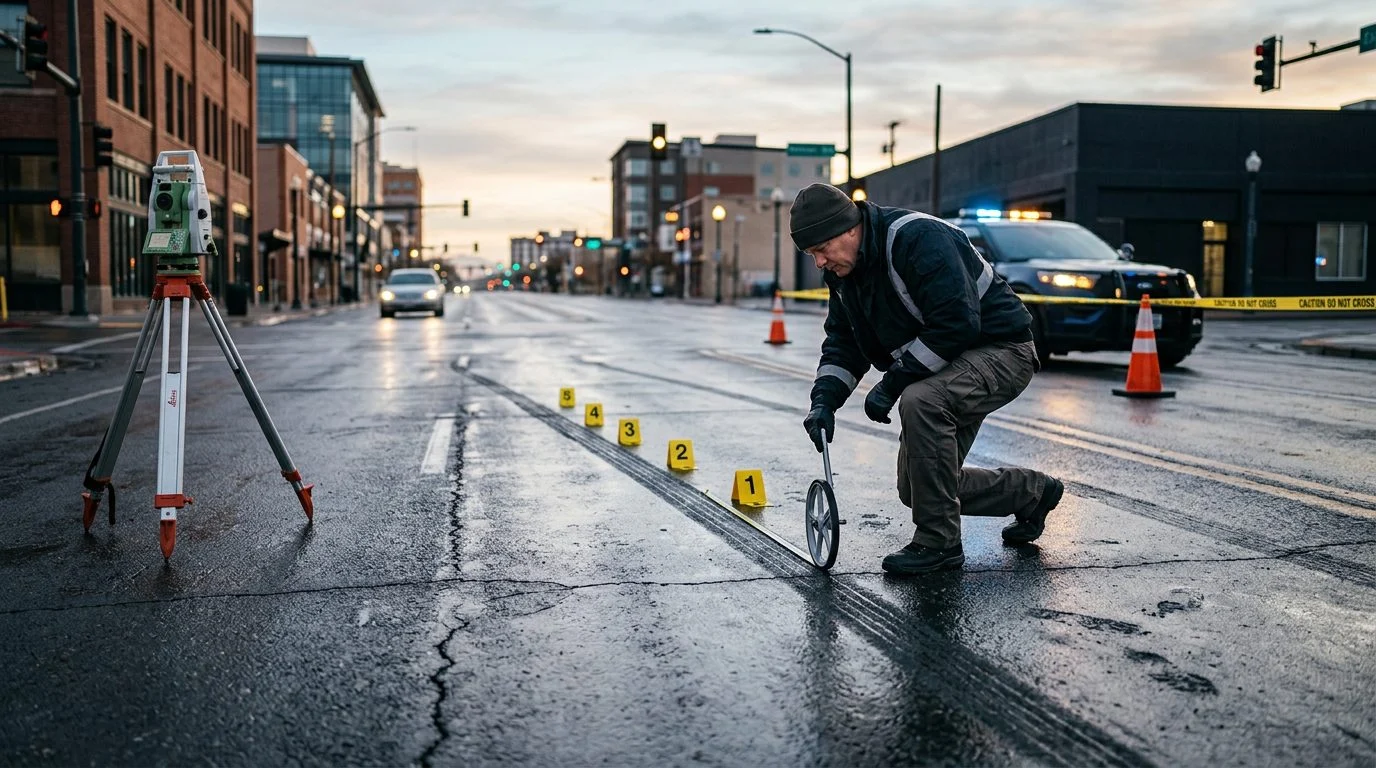
The facts of the crash, fall, or attack matter too. Who caused the death, how clearly the evidence shows it, and whether more than one person shares blame can all change the outcome. The outcome depends on the facts of each case.
You may be asking this while planning a funeral or sorting through insurance mail. That’s normal. Early questions help you know which records to keep and what to ask.
If you are carrying this question after losing someone you love, you do not have to work out the claim alone; our team can talk it through with you. Talk it through with our team — the first consultation is free, confidential, and carries no obligation.
What New Mexico’s Wrongful Death Act Covers
New Mexico’s Wrongful Death Act lets a family pursue a claim when another person’s wrongful act, neglect or default causes a death. Under NMSA § 41-2-1, when a wrongful act, neglect or default causes a death, and the act, or neglect, or default, is such as would, if death had not ensued, have entitled the party injured to maintain an action and recover damages in respect thereof, the person who, or the corporation which, would have been liable had death not ensued shall be liable to an action for damages, notwithstanding the death of the person injured.
The Act focuses on what the survivors lost. The jury may consider the pecuniary injury, meaning the money-related loss, that the death caused to the surviving party entitled to the judgment. NMSA § 41-2-3 provides that the jury may give such damages, compensatory and exemplary, as it deems fair and just, also having regard to the mitigating or aggravating circumstances attending the wrongful act, neglect or default. The jury may award compensatory and exemplary damages it finds fair and just.
New Mexico’s wrongful death jury instruction also keeps wrongful death damages separate from loss of consortium damages. That split applies when the personal representative is also a loss of consortium claimant (UJI 13-1830 NMRA). So one claim can have more than one part.
Who Can Bring a Wrongful Death Claim in New Mexico
The decedent’s personal representative brings the claim for the family members the law names. NMSA 1978, § 41-2-3 says every wrongful death action is brought by and in the name of the personal representative of the deceased person.
The statute also sets an order for sharing the proceeds. If there is a surviving spouse and no child, the spouse receives the proceeds. If there is a surviving spouse and a child or grandchild, one-half goes to the spouse and the other half to the children and grandchildren. New Mexico’s wrongful death statute, Section 41-2-3, sends the proceeds to the father and mother in equal shares when the deceased is a minor, childless and unmarried, or to the surviving parent if one of them has died. When there is no father, mother, husband, wife, child or grandchild, the proceeds go to a surviving brother or sister. If none of the kindred named in Subsections A through E survive, the proceeds are disposed of in the manner the law authorizes for a deceased person’s personal property.
Some close relatives may have their own claim.
The three-year period under NMSA § 41-2-2 is the general rule, but other deadlines may apply depending on who is responsible, such as the notice and filing deadlines for a claim against a government entity. NMSA § 41-2-2 provides that such an action must be brought within three years after the cause of action accrues. The cause of action accrues as of the date of death. Mark that date early. You can read more about the three-year deadline in New Mexico (NMSA § 41-2-2 — three years after the cause of action accrues).
Who the beneficiaries are can change how the claim is organized. Raise that question early in any consultation.
Economic Losses That Are Counted in the Claim
Economic losses are the money-related losses a family can show after a death.
Families and their lawyers often look at:
- medical bills from the injury and from treatment before death
- funeral and burial costs
- income the person earned and financial support they gave their family
- household work and caregiving the person provided
Records help prove these losses. Pay stubs, tax returns, medical bills and funeral receipts are the kinds of papers families gather. The jury weighs that proof along with the other evidence in the case.
Medical bills from before a death deserve a closer look. You can read more about hospital bills before death in a New Mexico claim.
Non-Economic Losses: Companionship, Love and Emotional Harm
Losses such as companionship and the daily bond with the person who died can matter, especially for close family members. New Mexico’s loss of consortium instruction describes a claim for damage to certain relationships.
To recover, a family member must show a mutually dependent relationship with the person who died. Mutual dependence means both people relied on the relationship and could not enjoy life in the same way afterward (UJI 13-1810A NMRA).
Those factors can include how long the relationship lasted, whether the two shared a household, how much they relied on each other emotionally, and how they handled everyday life together.
When the closeness of a relationship is disputed, the jury decides it. These losses don’t come with a formula, which is one reason values vary so widely. You can learn more about loss of companionship in New Mexico.
Factors That Move a Wrongful Death Claim’s Value Up or Down
Fault, the strength of the evidence, the person’s own circumstances, and available insurance move a claim’s value the most. Each one can push the number up or down.
Fault comes first. When more than one person shares blame, the jury compares negligence and assigns each a percentage. The total damages are multiplied by each defendant’s percentage (UJI 13-2219 NMRA). Under NMSA § 41-3A-1, in a cause of action to which comparative fault applies, joint and several liability is abolished except as otherwise provided in the statute, and a defendant who establishes that another’s fault was a proximate cause of the plaintiff’s injury is liable only for the portion of the damages equal to the ratio of that defendant’s fault to the total fault attributed to all persons.
Causation matters too. A negligence claim generally needs a duty, a breach of that duty, and a breach that was a proximate cause of the damages.
In a trucking crash, the questions can reach beyond the driver.
The person’s age, health, earnings and the number of people who relied on them are also part of the picture. Insurance and other recovery sources shape what is available. Clear records make each loss easier to prove.
Not sure what your next step is?
Talk it through with our team — the first consultation is free, confidential, and carries no obligation.
Why Published Averages and Other Cases Cannot Predict Your Claim
Published averages cannot predict your claim, because they mix cases with very different facts. A case with a young worker and clear fault is not the same as a case with an older adult and disputed fault.
Past results do not show how any other family’s case will turn out. A number from an insurer or an online calculator is not a value based on your family’s losses. Ask what it counts and what it leaves out.
Public data can add context, but not a value for one claim. The Insurance Institute for Highway Safety publishes state-by-state traffic fatality data. Those totals describe crashes across a whole state. They do not set the value of one claim.
How much is a wrongful death case worth New Mexico?
No single number applies. The amount turns on the survivors’ losses, the fault involved, and the details of the case.
How long do you have to file?
Under New Mexico’s Wrongful Death Act, every action instituted under those provisions must be brought within three years after the cause of action accrues (NMSA 1978, § 41-2-2 — three years from the date of death). It accrues on the date of death.
Who can file?
The personal representative of the person who died brings the claim for the beneficiaries the statute names.
Insurance Calls, Recorded Statements and Protecting the Claim
An insurance adjuster may call the family soon after a fatal crash. There is usually no need to settle anything on that first call.
Adjusters often ask for a recorded statement. Early words can shape how the claim is understood, so take a moment to know what you are agreeing to before you speak. You can read more about recorded statements after a fatal crash.
NMSA § 59A-16-20 lists claims practices that are defined as unfair and deceptive and are prohibited when knowingly committed or performed with such frequency as to indicate a general business practice. It is one of several rules that limit how insurers may act. It does not tell you what your claim is worth.
The court may admit such evidence for another purpose, such as proving a witness’s bias or prejudice (Rule 11-408 NMRA). A quick offer still deserves a close look against the full losses, not a quick yes.
Talk With El Gringo Law About Your Family’s Situation
If you are weighing a claim after a death, El Gringo Law offers a free, confidential initial consultation, with no obligation to continue.
You may be reading this while coping with a loss you did not choose. You may be reading for a parent, spouse or child while also handling bills and insurance calls. If you are carrying this question after losing someone you love, you do not have to work out the claim alone; our team can talk it through with you.
You can reach El Gringo Law by phone, through the contact form, or by starting a chat. The firm handles car accident and trucking accident matters, premises liability and negligent security claims, wrongful death, sexual assault, catastrophic injuries, spinal cord injuries, amputations, and burn injuries.
Josh Wood, a lawyer licensed in New Mexico and Arizona, is responsible for the content of this page. You can reach El Gringo Law at elgringolaw.com.
Common factors that shape a wrongful death case
The survivors' losses
Who depended on the person who died, and how their life affected family members financially and emotionally, can matter in how a case is evaluated.
Who was at fault
The evidence of how the death happened, including crash reports, security records, property conditions, or medical findings, often plays a central role.
The details of the case
Timing, the number of people affected, and the records available each shape the picture. No two families or incidents look the same.
Keep what you have
Police reports, photos, medical and funeral bills, and the names of witnesses can be valuable. Share what you have early so we can understand the facts while they are still available.
What to expect from your first conversation
A free, confidential consultation
Your first consultation is free, confidential, and carries no obligation to continue.
Honest answers to your questions
We will talk through the facts you have and explain the process in plain language.
Respect for your family
We understand that a loss this serious is personal. We move at a pace that works for you.
Easy ways to reach us
Call the firm or send a message through the contact form on this page to start the conversation.