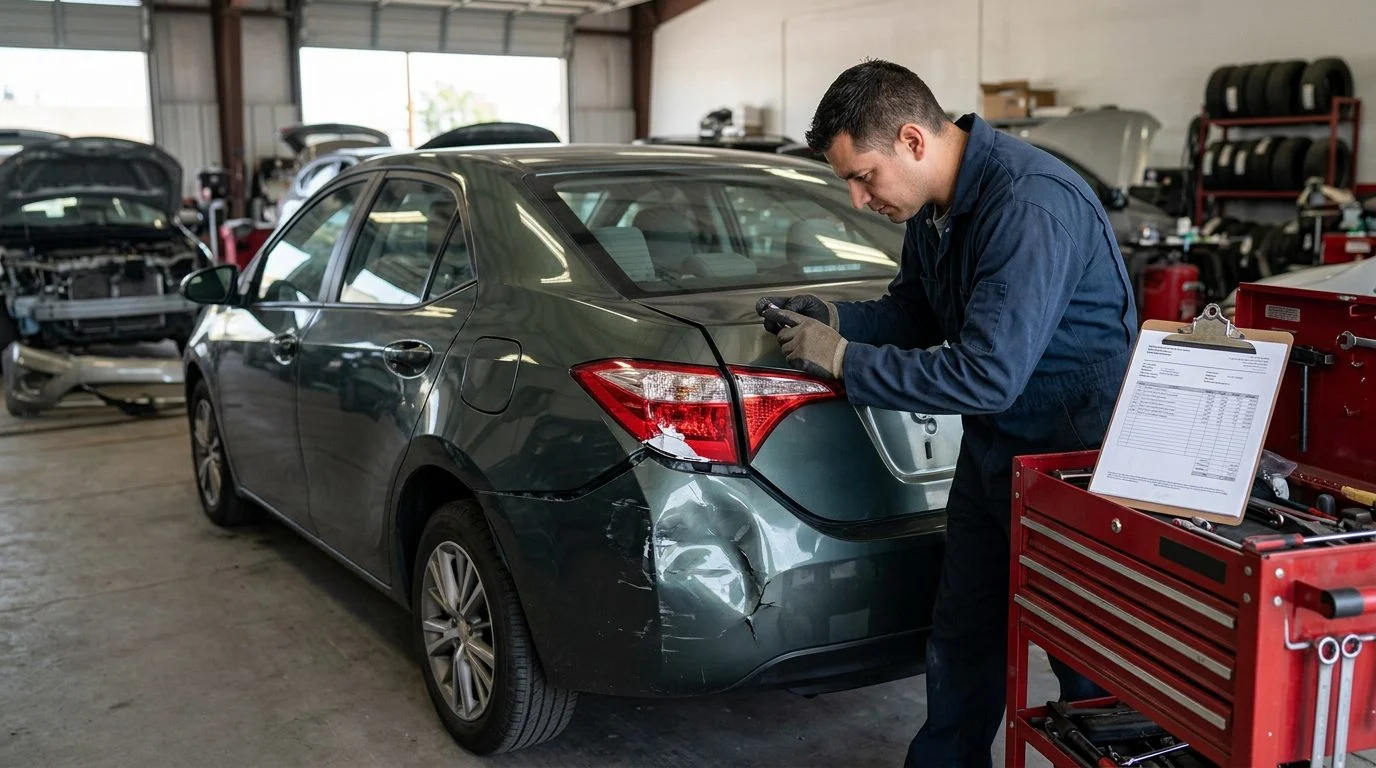
New Mexico · Car Accident Passenger Death
Losing a Loved One in a Car Accident? You Don't Have to Figure Out the Next Steps Alone
Josh Wood of El Gringo Law sits down with families to explain what often comes next, in plain language, at a pace that fits your family.
By Josh Wood · Published November 10, 2026
A passenger died in a car crash, and now you’re trying to understand what comes next. Here is the short answer. New Mexico law may allow a wrongful death claim against the person whose wrongful act caused the death. That claim generally must be filed within three years of the date of death (NMSA 1978, § 41-2-2 — three years from the date of death). The details matter, so the rest of this page walks through them step by step.
Why This Question Comes Up After a Crash
After a passenger dies in a crash, two tracks often start at the same time. One is the traffic or criminal investigation. The other is a possible civil claim, which asks a court to decide who owes damages for the death.
The investigation looks at what the driver did. New Mexico law makes it a felony for a driver to fail to stop after a crash that results in great bodily harm or death, under § 66-7-201. The criminal or traffic case and the civil claim run on separate tracks.
You may be asking this for a parent, a partner, a child, or a close friend. Shock and grief make it hard to think clearly. That is normal, and you don’t have to solve everything at once.
This page covers general New Mexico rules. Outcomes depend on the facts of each crash.
If someone you love died as a passenger in a New Mexico crash, you don't have to sort out these questions alone. Talk with our team about what happened. Talk it through with our team — the first consultation is free, confidential, and carries no obligation.

Who Can Bring a Wrongful Death Claim in New Mexico
A wrongful death claim in New Mexico is brought by the personal representative of the person who died. The injured person would have been able to sue if they had lived (§ 41-2-1).
The action is brought “by and in the name of” the personal representative, as § 41-2-3 states. The statute then sets an order for who receives the proceeds. It starts with a surviving spouse and children. It reaches parents and siblings in certain situations.
Who serves as personal representative is a practical question. Settle it early, so one person can act for the estate without delay. Our page on wrongful death claims covers the broader process.
Close family members may have their own claim too. A spouse or other person in a close, mutually dependent relationship may bring a loss of consortium claim.
Who May Be Responsible for a Passenger’s Death
The driver whose negligence caused the crash may be responsible. Negligence means carelessness, such as speeding, distraction, impaired driving, or failing to yield. A claim generally asks whether that negligence was a proximate cause of the death.
Fault can be shared. New Mexico adopted comparative negligence, as Scott v. Rizzo explains. A jury compares each person’s negligence and assigns each a percentage (UJI 13-2219 NMRA). Generally, a defendant is liable only for its own share of fault (§ 41-3A-1).
When a truck or company vehicle is involved, other parties may matter. An employer may face a claim for negligent hiring, retention or supervision. That claim looks at whether the employer knew or should have known of an unreasonable risk (UJI 13-1647 NMRA).
Sometimes the at-fault driver is a relative or friend. That makes the questions harder for a family. Every case depends on its own facts.
How Insurance and Other Coverage May Come Into Play
The at-fault driver’s liability insurance is often the first place a claim looks for payment. A policy pays only up to its limits, and those limits can be lower than the total loss.
Under § 66-5-301, a motor vehicle or automobile liability policy delivered or issued for delivery in New Mexico for a vehicle registered or principally garaged in New Mexico must provide uninsured motorist coverage in minimum limits for bodily injury or death and for injury to or destruction of property as set forth in Section 66-5-215 NMSA 1978, and such higher limits as the insured may desire, up to the limits of liability specified in the bodily injury and property damage liability provisions of the insured’s policy; that uninsured motorist coverage shall include underinsured motorist coverage, although no policy sold in New Mexico was required to include it before January 1, 1980; the named insured may reject uninsured motorist coverage as described in Subsections A and B of this section, and if the named insured has rejected it in connection with a policy previously issued by the same insurer, that coverage need not be provided in or supplemental to a renewal policy unless the named insured requests it in writing. The family’s own policy may include that coverage. The policy language decides what it covers.
New Mexico also limits how accident reports are used. The statute makes them confidential for state use. It generally bars their use as trial evidence, with listed exceptions (§ 66-7-213).
Be careful about giving recorded statements to an insurer before you understand the process.
Deadlines and the First Steps to Take
The general deadline is three years from the date of death (NMSA 1978, § 41-2-2 — three years from the date of death). A wrongful death action must be brought within three years after the cause of action accrues (NMSA 1978, § 41-2-2 — three years from the date of death). The cause of action accrues as of the date of death (§ 41-2-2). Mark that date on a calendar the day you learn of the death.
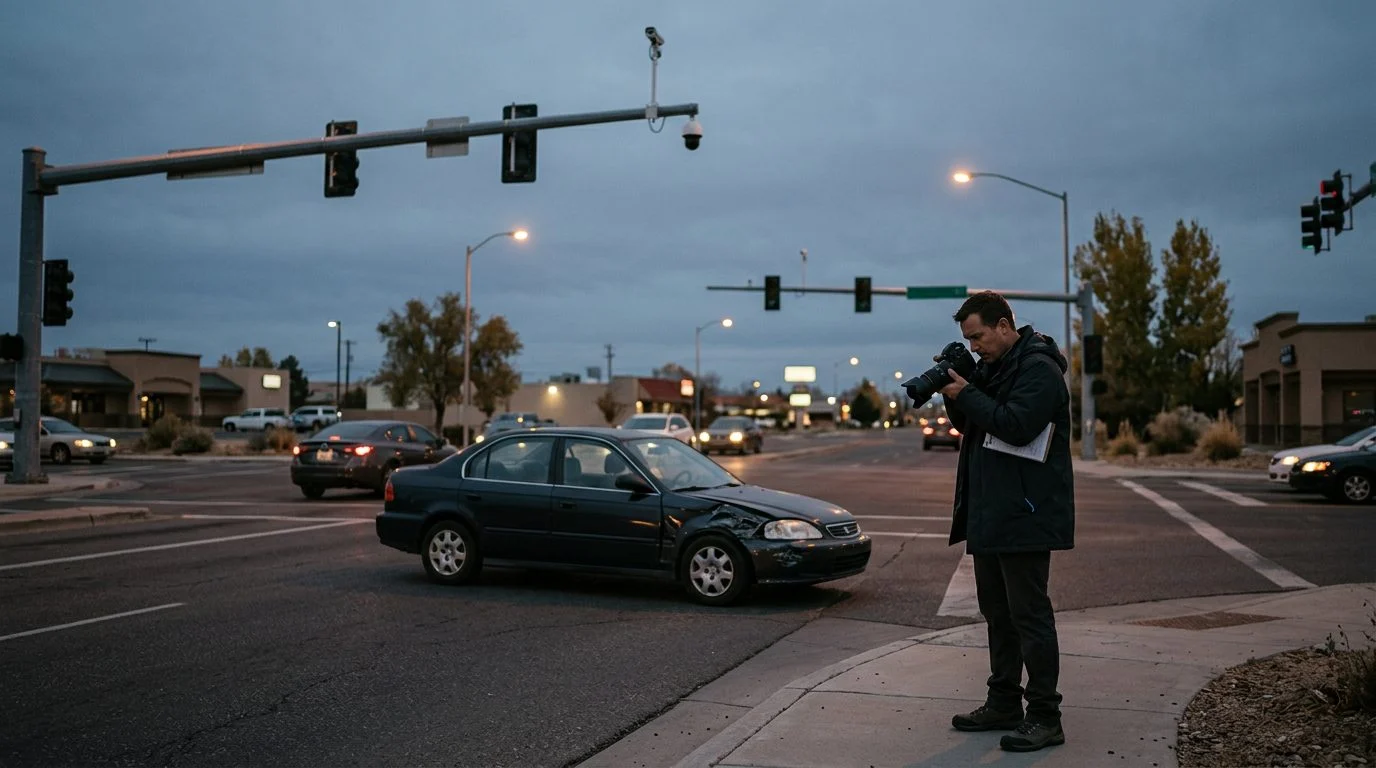
Start with what you can control. Write down what the family remembers about the crash while it’s fresh. Keep photos, vehicle details, medical examiner or coroner paperwork, and a record of costs. Keep any crash report you have.
The criminal or traffic case, if there is one, runs on its own timeline. Its progress does not change the civil deadline that starts at the date of death.
What a Wrongful Death Claim May Cover
The statute lets a jury award compensatory and exemplary damages that it finds fair and just. It also considers the mitigating or aggravating circumstances of the wrongful act (§ 41-2-3).
Loss of consortium is a separate claim for the loss of a close relationship. It requires proof of a mutually dependent relationship (UJI 13-1810A NMRA).
Every case is different. The statute speaks in broad terms, so the facts of your family’s loss shape what a claim looks like.
Not sure what your next step is?
Talk it through with our team — the first consultation is free, confidential, and carries no obligation.
Talk Through Your Situation With El Gringo Law
If a loved one died as a passenger, you may be grieving, handling paperwork, and trying to work out who is responsible, all at once. Some quick answers may help.
Can a family member file a wrongful death claim in New Mexico?
The claim is brought by the personal representative of the person who died, for the people the statute protects. Settling who that person is early helps.
How long do I have to file?
Generally three years from the date of death, under New Mexico law (NMSA 1978, § 41-2-2 — three years from the date of death).
Does a criminal case decide the civil claim?
No. The criminal or traffic case and the civil claim run on separate tracks.
If you want to talk through your family’s situation, contact El Gringo Law for a free first consultation. It is confidential and carries no obligation to continue. You can use the contact form or start a chat at elgringolaw.com. Josh Wood, licensed in New Mexico and Arizona, is responsible for the content of this page.
How El Gringo Law Approaches These Cases
Compassion First
Losing a passenger is painful. We take time to listen to your family before discussing any legal options.
Organized Case Details
Police reports, insurance correspondence, and medical and funeral records can be hard to track. We help gather and organize what your family has.
Honest Answers
Ask us anything about your situation. We will tell you what we know, and what we do not yet know.
Families Across New Mexico
We represent families in Santa Fe, Rio Rancho, Las Cruces, Taos, Farmington, and throughout Bernalillo and Sandoval Counties.
Ask Your Questions Early
Evidence, scene details, and insurance communications can change quickly. Speaking with a lawyer early can help you understand your options. Your first consultation is free, confidential, and comes with no obligation to continue.
Where Families Often Need Help
Gathering the Facts
Understanding how the crash happened, and who was involved, takes time. We help you sort through what is known so far.
Dealing with Insurers
Insurance companies may contact your family quickly. We can help you decide how to respond and what to say.
Caring for Your Family
Grief, funeral planning, and daily responsibilities all arrive at once. We aim to keep the legal side manageable so you can focus on what matters most.
Planning Your Next Steps
Every family's situation is different. We will talk through your goals and options so you can decide what fits.