Wrongful Death | New Mexico
Losing a Loved One in an Apartment Shooting
El Gringo Law focuses on wrongful death and negligent security cases for New Mexico families. Our team can talk with you about what happened and what options your family may have.
By Josh Wood · Published October 27, 2026
Albuquerque Apartment Shooting Wrongful Death Lawyer
If someone you love died in an apartment shooting in Albuquerque, New Mexico law may allow your family to bring a wrongful death claim. This guide explains who may be responsible, what a family may recover, the filing deadline, and what to expect when you work with an apartment shooting wrongful death lawyer in Albuquerque. It is written for families across New Mexico.
If a shooting at an apartment took a family member's life, you may have a claim, and our team can talk it through with you in a free, confidential consultation. Talk it through with our team — the first consultation is free, confidential, and carries no obligation.
What a Wrongful Death Claim Is After an Apartment Shooting
A wrongful death claim is a civil lawsuit that must be brought by the personal representative of the deceased person, as NMSA § 41-2-3 requires, after another person’s wrongful act or negligence causes a death. When a death is caused by another’s wrongful act, neglect or default, and the injured person could have recovered damages had death not ensued, the person or corporation that would have been liable can be sued for damages despite the death of the injured person (NMSA § 41-2-1).
The civil claim runs separately from any criminal case against the shooter. Charges, a trial and a police investigation are separate tracks. Each one moves on its own schedule.
That usually means a surviving spouse, children, parents and other close relatives. It also fits shootings in apartment complexes, condos and rental buildings, including shootings in shared hallways, parking areas and courtyards.
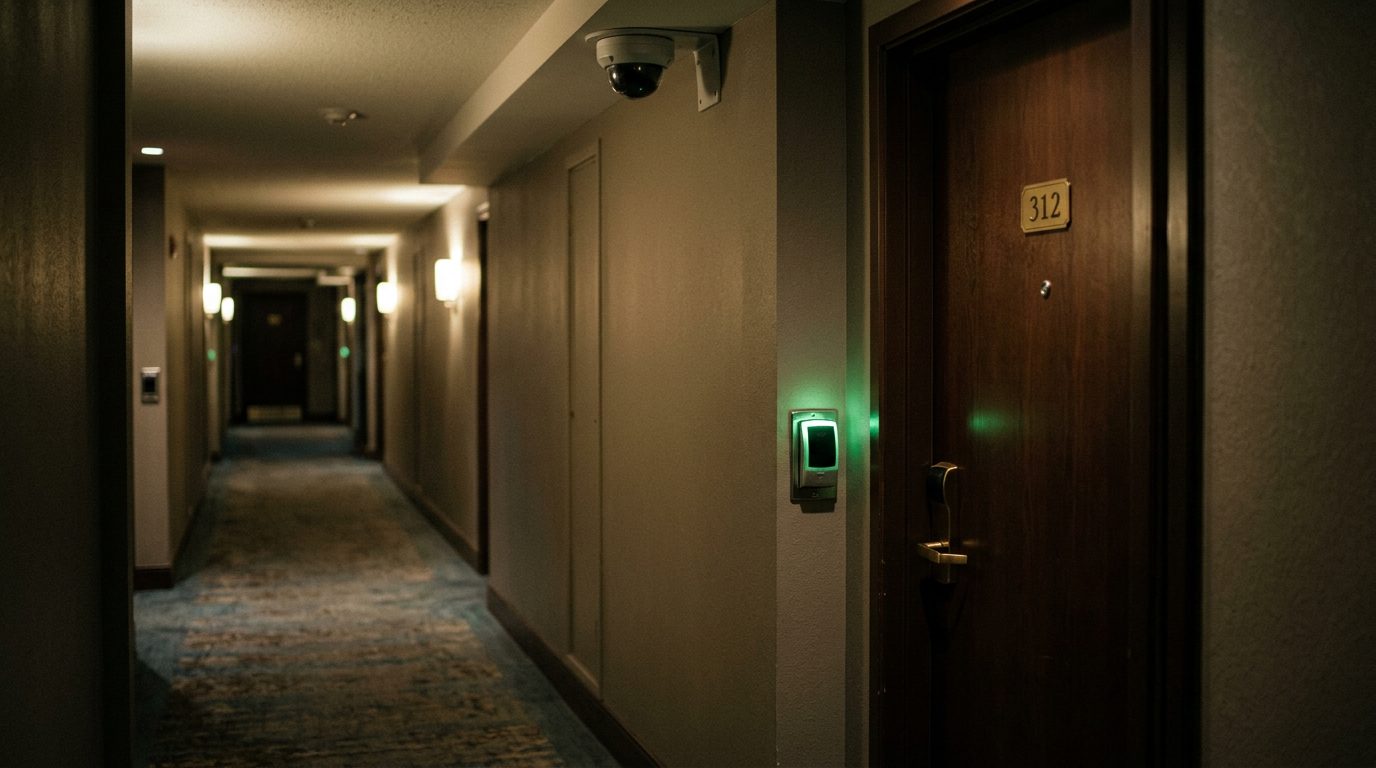
Consider a hypothetical case. A resident is shot in a shared parking garage. Before that night, neighbors had reported a broken gate and a dead camera several times. Whether the owner is responsible would turn on what it knew and what it did about those reports. That is the kind of question this guide helps you think through.
Who May Be Responsible: The Shooter, the Owner and Security
The shooter may be liable for the death. A property owner, management company or security contractor may also be liable if its own negligence helped make the harm possible.
Negligent security claims rest on the duty to protect visitors. A landowner must use ordinary care to protect visitors from harm caused by the foreseeable conduct of a third party, including criminal conduct (UJI 13-1320 NMRA). The owner also owes visitors ordinary care to keep the premises safe (UJI 13-1309 NMRA).
Evidence in these cases often includes:
- Prior police calls to the property
- Earlier complaints about trespassers, tenants or unsafe conditions
- Locks, gates and lights that were broken or not repaired
- Security staffing, patrols and access rules
- Camera systems, and whether footage was saved
- Lease terms and any security promises made to residents
New Mexico compares fault among everyone involved. A jury may weigh the owner’s failure to protect visitors against the shooter’s conduct. The owner cannot push a disproportionate share of blame onto the shooter (UJI 13-1320 NMRA). Each defendant is generally liable only for its own share of fault, with exceptions. Joint and several liability still applies to persons who acted with the intention of inflicting injury or damage (NMSA § 41-3A-1).
Generally, a negligence claim requires a duty owed by a defendant to a plaintiff, a breach of that duty (typically judged by a standard of reasonable care), and that breach being a proximate cause and cause in fact of the plaintiff’s damages (Herrera v. Quality Pontiac). Whether a particular owner is liable depends on the facts.
What a Family May Recover Under New Mexico Law
A family may recover the damages a jury finds fair and just for the financial loss the death causes. The jury may award compensatory and exemplary damages. The jury may also take into account the mitigating or aggravating circumstances attending the wrongful act, neglect or default (NMSA § 41-2-3).
The claim is brought by the personal representative of the person who died, in that person’s name. The proceeds of the judgment are not liable for the decedent’s debts, provided the decedent has left a spouse, child, father, mother, brother, sister or child or children of the deceased child. The statute also sets how the proceeds are distributed; for example, if there is a surviving spouse and a child or grandchild, one-half goes to the surviving spouse and the remaining one-half goes to the children and grandchildren (NMSA § 41-2-3).
Close family members may also bring a separate loss of consortium claim. That claim requires a mutually dependent relationship with the person who died (UJI 13-1810A NMRA).
Every family’s losses differ. The value of any claim turns on its facts and on the insurance and assets behind the defendant.
The Deadline: Three Years From the Date of Death
A wrongful death action must be brought within three years after the cause of action accrues (NMSA 1978, § 41-2-2 — three years from the date of death). A wrongful death action must be brought within three years after the cause of action accrues, and the cause of action accrues as of the date of death (NMSA § 41-2-2).
Waiting costs evidence. Video can be overwritten. Witnesses move away. Records can be purged. Early action gives your team time to preserve what still exists.
Intentional destruction of evidence can carry its own claim. New Mexico recognizes intentional spoliation of evidence, and that claim does not require that a lawsuit already be filed (Torres v. El Paso Elec. Co., 1999-NMSC-029).
Claims involving a city, county or public employee can follow different notice and filing rules. Tell your lawyer early if a public entity may be involved.
What to Expect: From First Call to Resolution
The process starts with a consultation. It then moves through evidence, investigation, notice to the responsible parties, and, if needed, a lawsuit.
- First contact. Call, start a chat or use the contact form. Share the date, the location and any police report number.
- Preserve evidence. Keep texts, photos, medical and funeral bills, and letters from insurers or landlords. Our team will also request records quickly.
- Investigate. The team reviews police reports, property and lease records, security and camera information, and witness accounts.
- Notify and negotiate. The team presents the claim to the responsible parties and their insurers and works through settlement talks where appropriate.
- Litigate if needed. If a fair resolution is not reached, a lawsuit is filed in the proper New Mexico court. Discovery (the exchange of evidence), mediation and trial may follow. The timeline turns on the facts, the number of defendants and the court’s schedule.
Not sure what your next step is?
Talk it through with our team — the first consultation is free, confidential, and carries no obligation.
Why Families Bring This Apartment Shooting Wrongful Death Claim to El Gringo Law
El Gringo Law handles wrongful death, negligent security, premises liability and catastrophic injury matters. Our team works through the facts of each claim from the first call onward.
Josh Wood is the lawyer responsible for the content on this page. He is licensed in New Mexico and Arizona. Contact details for the firm appear at the end of this guide.
Fees, Costs and Common Questions
Your first consultation is free, confidential and carries no obligation to continue.
Can the family file if no one has been arrested?
The civil claim runs separately from any criminal case. An arrest is not required before the family talks with a lawyer about its options.
Can a family sue a property owner after a shooting on its property?
Possibly. A claim may exist when the facts show a foreseeable risk and a failure to use ordinary care to protect visitors (UJI 13-1320 NMRA).
Will the family have to go to court right away?
Not necessarily. A claim can start with notice and negotiation. A lawsuit is filed only if a fair resolution is not reached.
What should the family do first?
Keep photos, texts, bills, letters and the police report number. Write down the date, time and location while memories are fresh.
If a shooting at an apartment took someone your family loved, you may have a claim. You do not have to sort out the deadline, the evidence and the responsible parties alone. Reach El Gringo Law through the contact form or start a chat, and our team will review your family’s facts with you.
How We Approach Your Family's Case
Compassionate Listening
We understand that families facing a sudden, violent loss need time and patience. We take the time to hear your story at your pace.
Focus on Accountability
In apartment shooting cases, we look closely at the property's security measures and whether known risks were addressed.
Careful Case Review
We gather and review the facts, records and reports that bear on what happened, so you understand the situation clearly.
Clear Communication
Our team keeps you informed about your case and answers your questions in plain language.
Before You Speak With Anyone About the Case
Be careful about what you post online or say to insurance representatives about the shooting or your loved one's death. Speaking with a lawyer first can help you understand how to protect your family's interests.
Common Questions Families Ask Us
Does a criminal arrest have to happen first?
A criminal case and a civil claim are separate matters. You do not need to wait for an arrest to talk with a lawyer about your options.
Can we pursue a property owner?
Every situation is different. We review the facts of your loss, including the property's security conditions, to discuss whether a claim may be available.
What does the first consultation cost?
Our initial consultation is free, confidential and comes with no obligation to continue.