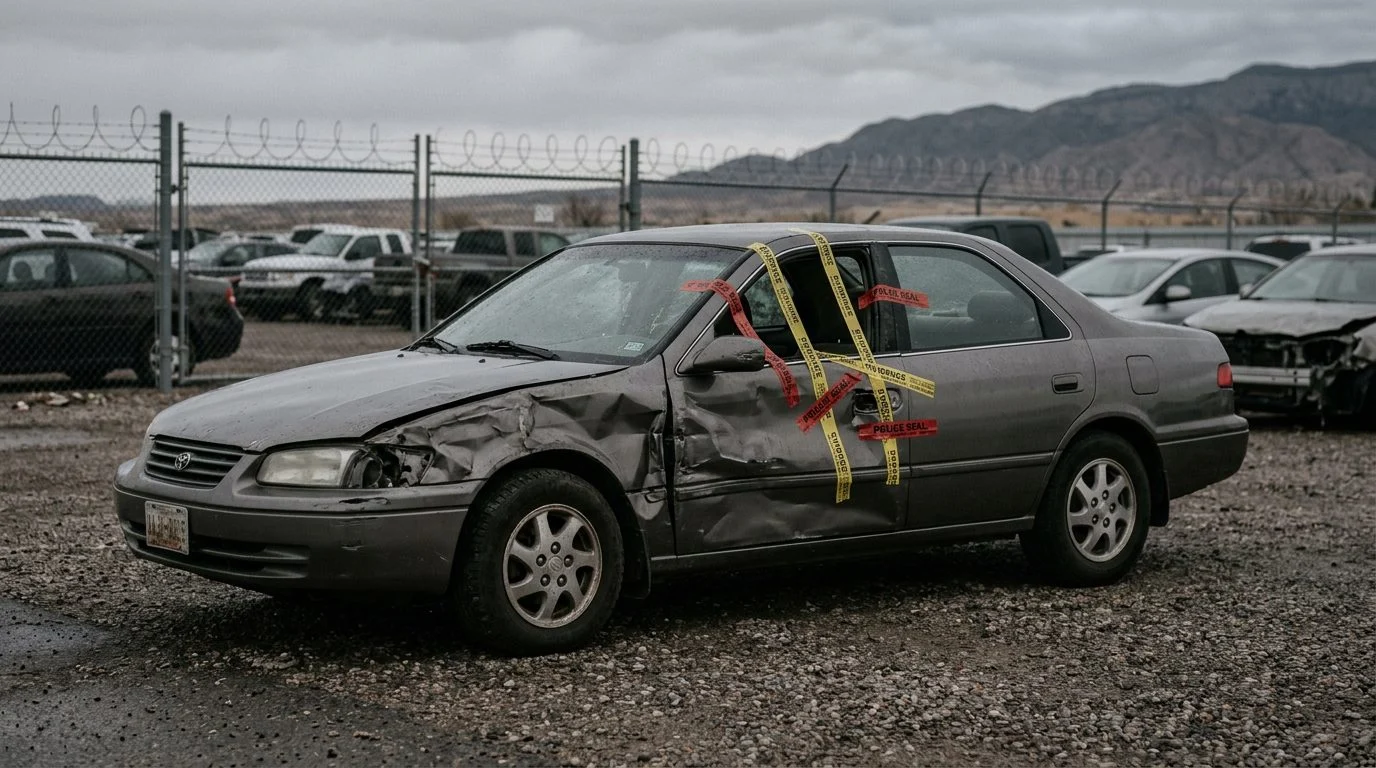
Albuquerque · Rideshare Crash Wrongful Death
Lost a Loved One in a Rideshare Crash? We're Here to Help.
El Gringo Law represents New Mexico families in wrongful death cases arising from rideshare and other car crashes. Start with a free, confidential consultation with no obligation to continue.
How We Support Families
Focused on Car Crash Cases
Our lawyers focus on car accident and wrongful death matters, including cases involving rideshare drivers and passengers.
Speak With Us Directly
Call El Gringo Law to talk through what happened and what your family is facing, at your pace.
Organizing the Evidence
Crash reports, app records, medical bills and messages can all matter. We help you understand what to gather and why.
Clear, Compassionate Communication
We explain each step in plain language so you know what to expect while you grieve.
By Josh Wood · Published November 3, 2026
A fatal crash involving a rideshare or delivery driver can lead to a New Mexico wrongful death claim. The claim is brought for the family, and the insurance that applies can depend on what the driver was doing in the app at the time. El Gringo Law represents car accident victims across New Mexico. This page explains the basics for families looking for a rideshare driver fatal crash lawyer in Albuquerque, Rio Rancho, and nearby communities.
What a Rideshare or Delivery Driver Fatal Crash Claim Is
A rideshare or delivery driver fatal crash claim is a wrongful death case. It starts when a driver using a ride-hailing or delivery app causes a death. New Mexico law allows these claims when a death comes from another person’s wrongful act, neglect or default. NMSA § 41-2-1 says the party who would have been liable, had the injured person lived, can be sued for damages even after that death.
The driver may have been carrying a passenger, waiting for a request, or making a delivery. Each fact can change who is involved. A claim may involve:
- The driver, for the driving that caused the crash.
- The app company, when its insurance applies to the driver’s trip.
- Other drivers involved in the crash.
- Anyone else whose conduct helped cause the crash.
El Gringo Law’s practice covers car accidents, trucking accidents, and wrongful death, along with other serious injury cases.
If a driver using a rideshare or delivery app took your loved one's life, you may have a claim, and you don't have to face the insurance calls alone. Reach El Gringo Law today. Talk it through with our team — the first consultation is free, confidential, and carries no obligation.
Which Insurance May Apply When the Driver Was Logged Into an App
The insurance that may apply often turns on whether the driver was logged on to the app and whether a ride was in progress. New Mexico sets minimum insurance levels for transportation network company drivers. NMSA § 65-7-8 sets these tiers:
- Logged on, no ride in progress: at least $50,000 per person and $100,000 per incident for death and bodily injury, plus $25,000 for property damage.
- Prearranged ride: at least $1,000,000 in primary liability coverage for death, bodily injury and property damage.
- Lapsed or short coverage: the company’s insurance must provide the required coverage as primary.
Under NMSA § 65-7-8, the driver’s required insurance must cover the driver while the driver is logged on to the transportation network company’s digital network or engaged in a prearranged ride. NMSA § 65-7-10 lets insurers that write automobile insurance in New Mexico exclude any part or all coverage for an owner or operator of a personal vehicle for a loss or injury that occurs while a driver is logged on to a digital network or engaged in a prearranged ride, so the policy language matters. Under NMSA § 65-7-9, the company must disclose in writing to its drivers the insurance coverage it provides while the driver is logged on to its digital network, including the types of coverage and the limits for each coverage, and that a personal policy might exclude coverage.
Timing matters too.
Insurers may contact family members early. An early offer may fall short of the full claim, so take time before you accept it.
Who Can File and What a Wrongful Death Claim Can Cover
The claim is filed by the personal representative of the person who died. NMSA § 41-2-3 says the action is brought by and in the name of that personal representative.
Money from a judgment goes to the deceased’s spouse, child, grandchild, parents or siblings in a set order, provided the decedent left one of them; if there is no such kin, it is disposed of as personal property under the law for deceased persons. The statute lists a surviving spouse first, then children and grandchildren; parents take only if the deceased was a minor, childless and unmarried, and siblings take only if no father, mother, husband, wife, child or grandchild survives. The proceeds are not liable for the deceased person’s debts.
A jury may award compensatory and exemplary damages it deems fair and just. It considers the pecuniary injury to the surviving party and the mitigating or aggravating circumstances of the wrongful act. A spouse or child may also have a loss of consortium claim.
The family must show the crash caused the death. Under Herrera v. Quality Pontiac, a proximate cause is one that, in a natural and continuous sequence, produces the injury. It need not be the only cause.
Time limits matter. NMSA § 41-2-2 provides that every action instituted by virtue of this section and the preceding section must be brought within three years after the cause of action accrues, and that the cause of action accrues as of the date of death (NMSA 1978, § 41-2-2 — three years from the date of death). The outcome depends on the facts, the evidence, and the insurance available. No amount can be predicted before the case is investigated. The firm explains how the deadline applies to your family during the first consultation.
Evidence to Preserve in the First Days After a Fatal Crash
The most useful evidence shows where the driver was, what the app recorded, and how the crash happened. Start gathering it early, while records and memories are fresh.
- The police report number, crash location, and time
- Names and contact details for witnesses
- Photos of the scene, the vehicles, and road conditions
- Hospital and medical examiner records
- Dashcam or phone video
- Trip or delivery timestamps, driver status, and app messages
Write down what you remember about the crash, including times and places. New Mexico law generally keeps accident reports out of trial evidence, with exceptions.
Keep copies of bills, funeral receipts, pay records for the person who died, and any letters from insurers. Don’t delete posts or messages, since missing content can complicate a case. Think carefully before giving any recorded statement to an insurance adjuster.
How the Process Works, Step by Step
The process starts with a free first consultation. Then it moves to investigation, a claim or lawsuit, and settlement review.
The firm offers a free, confidential first consultation with no obligation to continue.
- First consultation. We review the facts, your family’s questions, and the timeline.
- Investigation. We request the police report, app and insurance records, and scene information. Records requests are often the slowest part, so this stage can take weeks or months.
- Claim or lawsuit. We present the claim to insurers. If needed, we file a lawsuit in the proper New Mexico court. Some claims settle before trial, and some do not.
- Settlement review or litigation. You decide whether to accept any settlement offer.
Why Families Work With El Gringo Law on These Cases
El Gringo Law represents car accident victims across New Mexico, including families pursuing wrongful death claims. Josh Wood is the responsible lawyer for this page. He is licensed in New Mexico and Arizona.
For families in Albuquerque, a rideshare driver fatal crash lawyer should explain insurance layers and timelines in plain language. Our team aims to do exactly that, so you can make decisions with clear facts.
The firm’s practice areas also include trucking accidents, premises liability, negligent security, catastrophic injuries, spinal cord injuries, amputations, and burn injuries. At El Gringo Law, we are the gringo on your side.
Not sure what your next step is?
Talk it through with our team — the first consultation is free, confidential, and carries no obligation.
Common Questions Before You Decide
Most families ask about insurance, court, and deadlines first.
Can we file if the driver was only logged into the app?
The answer turns on app status and the policies in effect. The firm reviews both during the consultation.
Do we have to go to court?
Some claims settle without a trial. Others do not, and the firm explains the lawsuit path if one is needed.
How long do we have?
New Mexico’s wrongful death statute sets a three-year limit that starts on the date of death.
Who brings the claim?
The personal representative of the person who died brings it in that person’s name.
Can a child have a claim?
A child may have a loss of consortium claim.
Talk With Our Team About Your Family’s Loss
If a driver using a rideshare or delivery app caused your loved one’s death, you don’t have to sort out the insurance calls alone. Your family may face insurer contact, questions about app records, and a deadline that needs a clear explanation. Our team can review those facts with you during your first consultation.
If you’re looking for a rideshare driver fatal crash lawyer in Albuquerque, contact El Gringo Law through the contact form, call the firm, or start a chat on the website.
Don't Wait to Get Answers
App records, dashcam footage, vehicle data and witness details can change or disappear over time. Contacting a lawyer early gives your family the best chance to preserve what matters.
Questions Families Often Ask
Can we file if the driver was only logged into the app?
The answer depends on the app status at the time of the crash and the insurance policies in effect. We review both during your free consultation.
Do we have to go to court?
Some claims resolve without a trial. Others do not, and we explain the lawsuit process clearly if one is needed.
What should we do first?
Keep crash reports, medical records, bills and any messages about the collision. Then contact us so we can review them with you.
What does the first consultation cost?
The first consultation is free, confidential and comes with no obligation to continue.