Wrongful Death | New Mexico
Compassionate Help for New Mexico Families Facing a Wrongful Death
Losing someone because of another person's carelessness is devastating. Our team is here to answer your questions, listen to your family's story, and explain your options in plain language.
By Josh Wood · Published November 10, 2026
If someone you love died after a sexual assault on another person’s property, you may be able to bring a wrongful death claim in New Mexico. The claim is a civil case for the family’s losses, and it must be brought within three years of the date of death (NMSA 1978, § 41-2-2 — three years from the date of death).
Many families come to this topic with questions before they have answers. This page explains who brings the claim, when a property owner or business may be responsible, what the claim may include, and how the process works. El Gringo Law’s team can review your family’s facts with you.
What a Wrongful Death Claim Means in New Mexico
A wrongful death claim asks the responsible party to pay damages when another person’s wrongful act, neglect or default causes a death, and that act, neglect or default is such as would, if death had not ensued, have entitled the injured person to maintain an action and recover damages. New Mexico’s Wrongful Death Act says that liability continues even when the death happened under circumstances that amount in law to a felony.
The family doesn’t need to act as a prosecutor. The claim seeks money for the losses the family suffered.
The action is brought by and in the name of the deceased person’s personal representative, NMSA 1978 § 41-2-3. That person acts in court for the family.
This page is written for surviving spouses, children, parents, and other relatives. It is for families whose loved one died after a sexual assault in a building, parking area, or other setting where security or conditions may have failed.
If your family has lost someone after an assault on another person's property, you may have a claim, and our team can review the facts with you. Talk it through with our team — the first consultation is free, confidential, and carries no obligation.
When a Property Owner or Business May Be Responsible
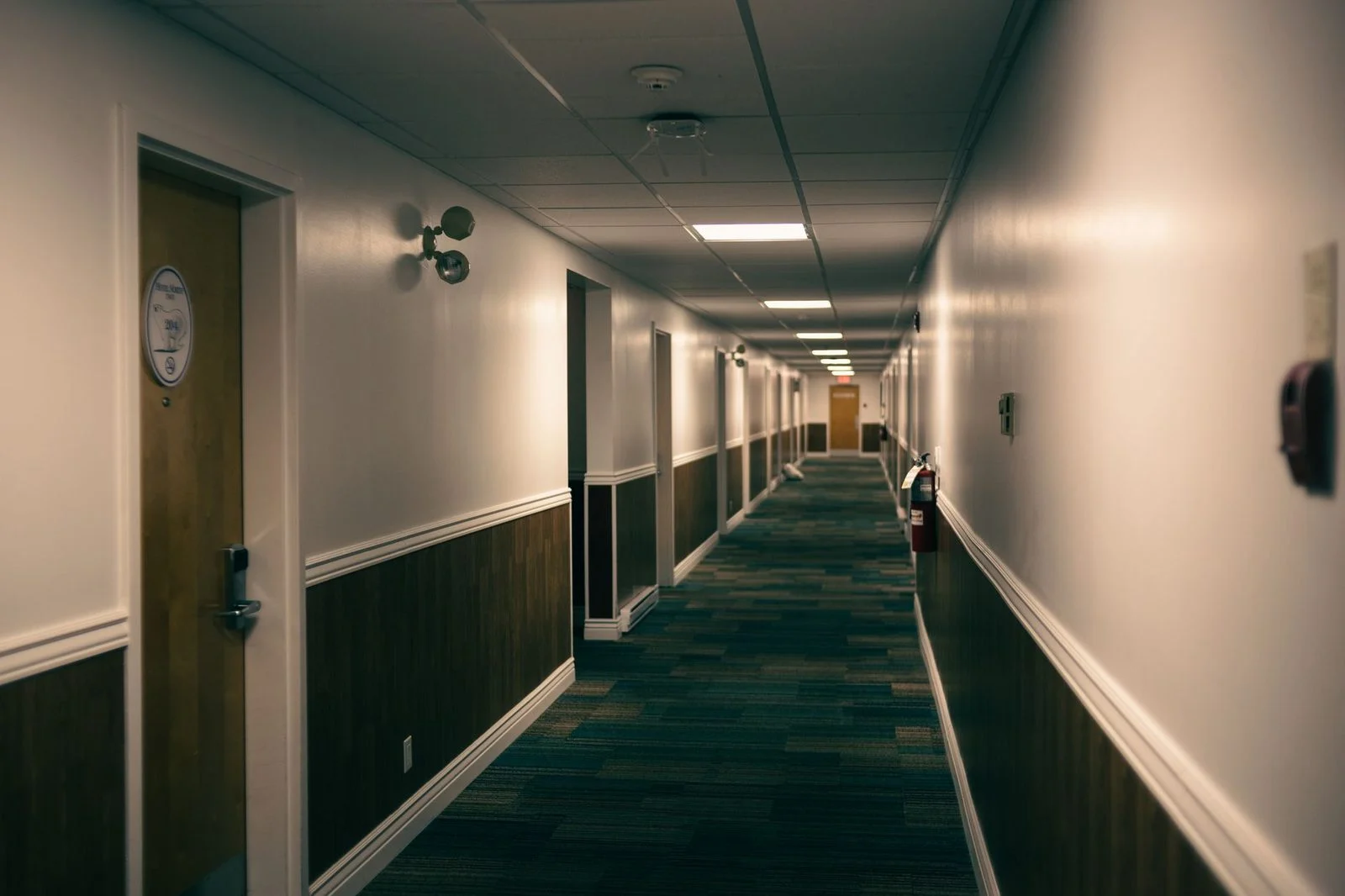
A property owner or business may be responsible when it fails to use ordinary care to keep the premises safe for use by a visitor, including protection from foreseeable harm. That duty can extend to harm caused by a third party’s crime.
New Mexico’s UJI 13-1309 duty to visitors says a landowner owes visitors a duty of ordinary care. The duty covers conditions that foreseeably pose an unreasonable risk of injury.
A separate instruction, UJI 13-1320 acts of third persons, describes the landowner’s duty to use ordinary care to keep the premises safe where a visitor is injured by a foreseeable risk that a third person will cause harm. That conduct can be criminal. A jury can compare the owner’s negligence with the attacker’s conduct. The instruction is designed to keep an owner from shifting a disproportionate share of responsibility onto the attacker.
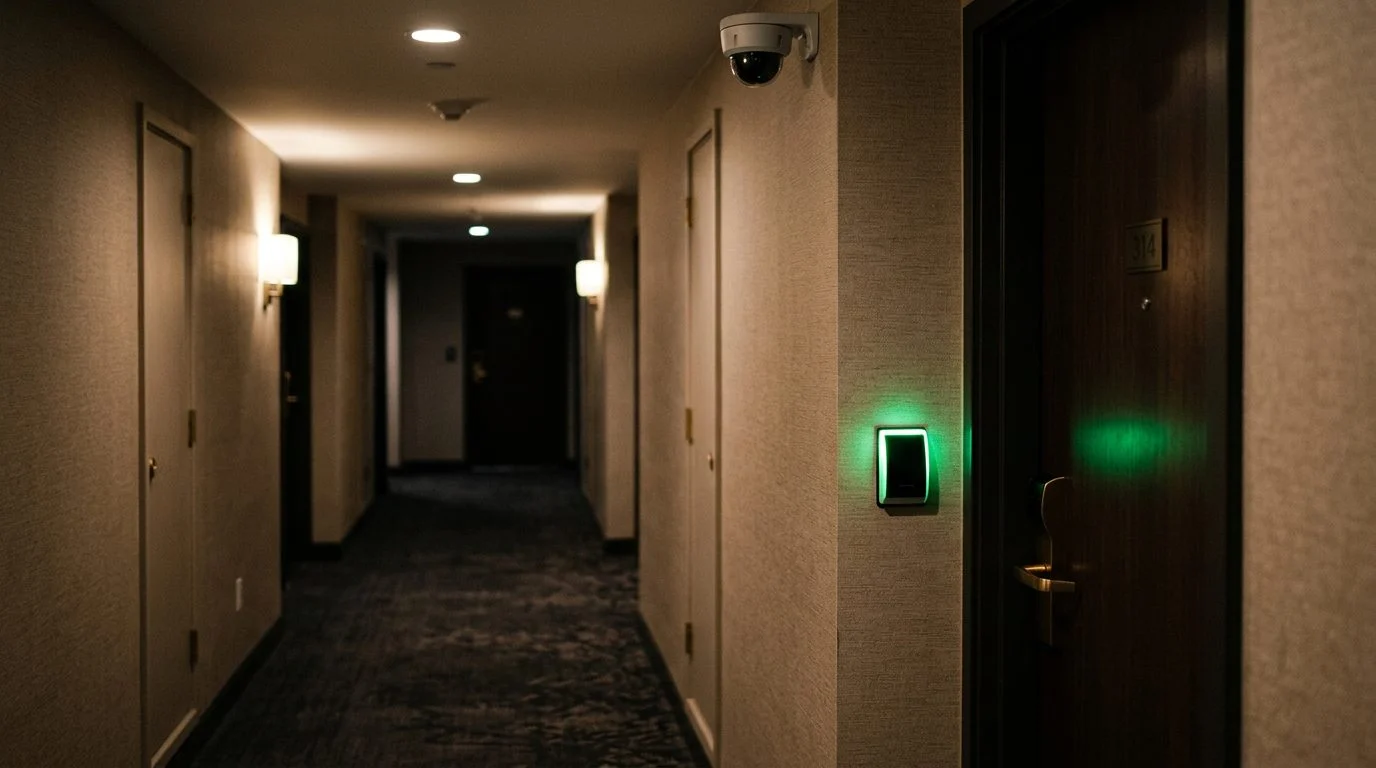
Facts that can matter include prior incidents on the property, complaints, lighting, working locks, camera coverage, and security staffing. Written notices about a known problem can matter too.
New Mexico also requires a link between the failure and the harm. It need not be the only cause. Whether responsibility applies turns on the facts of each incident.
What a Wrongful Death Claim May Include
The jury may award compensatory and exemplary (punitive) damages it deems fair and just. Under NMSA 1978 § 41-2-3, the jury considers the financial harm (pecuniary injury) to the family members entitled to the judgment. It also considers the mitigating or aggravating circumstances of the wrongful act.
The judgment is not liable for the decedent’s debts, provided the decedent has left a spouse, child, father, mother, brother, sister or child or children of the deceased child, as defined in the New Mexico Probate Code. The statute then sets an order for who receives it. That order starts with a surviving spouse, who takes all if there is no child; if there is a spouse and a child or grandchild, the spouse gets one-half and the children and grandchildren share the other half, with grandchildren taking by right of representation. It reaches parents and siblings in some cases.
Close relatives may also have a loss of consortium claim. That claim requires a mutually dependent relationship with the person who died. UJI 13-1810A lists factors a jury may consider, such as how long the relationship lasted, whether the people shared a household, and their emotional reliance on each other.
Every family’s losses are different. The firm reviews them with you at the consultation.
How the Process Works, Step by Step
The process starts with a conversation about what happened. It moves through records, investigation, and negotiation. It reaches a lawsuit only if a fair resolution isn’t reached.
- First contact. Call the firm, use the contact form, or start a chat. Describe what happened, where it happened, and who died.
- Free consultation. Your free initial consultation is confidential and comes with no obligation to continue (consulta inicial gratuita, confidencial y sin compromiso). The firm explains the claim, the deadline, and your options.
- Records. The firm gathers police and incident reports, medical records, photos, and any surveillance video. Video can be erased on a routine schedule, so early requests matter.
- Investigation. The firm looks into the property’s security practices, staffing, and any prior incidents.
- Claim and negotiation. The claim goes to the responsible parties and their insurers. Both sides negotiate.
- Lawsuit, if needed. If a fair resolution isn’t reached, the claim is filed in the appropriate New Mexico court and goes through litigation.
Timelines vary by case. The firm walks the family through each stage.
How Long Families Have to File, and What to Save
A wrongful death lawsuit must be brought within three years after the cause of action accrues (NMSA 1978, § 41-2-2 — three years from the date of death). The cause of action accrues as of the date of death, according to NMSA 1978 § 41-2-2. Families shouldn’t assume there’s time to wait. Asking early makes the deadline clear.
Early action also matters for evidence. Video can be erased, and memories can fade. Families can keep these items:
- The decedent’s medical and police paperwork
- Texts, emails, or messages about the incident
- Names and contact details of witnesses
- Any notices, complaints, or reports about the property
Keep posts about the incident and the property to a minimum while the matter is open. Anything posted publicly can be used by the other side.
Why Families Work With El Gringo Law
El Gringo Law handles wrongful death, sexual assault, negligent security, and premises liability matters. The firm also handles car accident, trucking, catastrophic injury, spinal cord injury, amputation, and burn injury claims.
Josh Wood is the responsible lawyer for this page. He is licensed in New Mexico and Arizona. Our wrongful death lawyers and our team support families through each stage, including the paperwork that follows a death.
People injured in Santa Fe, Bernalillo County, Rio Rancho, Sandoval County, Las Cruces, Taos, and Farmington can contact the firm by phone, contact form, or chat. Our team explains options before a family makes decisions. Every case is different.
Not sure what your next step is?
Talk it through with our team — the first consultation is free, confidential, and carries no obligation.
Common Questions About Wrongful Death Claims After a Sexual Assault
Most families ask about the deadline, who files, and whether a criminal case must come first. The short answers are below.
Questions about a related criminal case
New Mexico’s statute applies even when the death amounts in law to a felony, per NMSA 1978 § 41-2-1.
Who files the claim?
The personal representative of the deceased person brings it. The money then goes to eligible family members under the statute’s order.
How long do we have?
The claim must be brought within three years after the date of death, under NMSA 1978 § 41-2-2.
Do we need to know who is responsible before calling?
No. Finding out who may be responsible is part of the investigation.
Can we file if the assault happened in another state?
The answer depends on where the incident happened and where the property is located. The firm reviews that at the consultation.
Talk With Our Team About Your Family’s Situation
If your family lost someone after an assault in a building, parking area, or other property, you may be unsure whether a claim exists. You may also be unsure how soon to act. Our team can help you sort through those questions and the deadline that applies.
Reach out through the El Gringo Law contact page, by phone, or through a chat. The firm’s website is elgringolaw.com, and Josh Wood is the responsible lawyer for this page.
How We Approach Your Family's Case
Compassion First
We understand that a wrongful death case is about your loved one as well as the legal questions. We take the time to hear your story at your pace.
Clear Communication
We explain each step in plain language, so you always know where your case stands and what comes next.
Lawyers Who Work Together
Our lawyers and staff collaborate on your matter, so the people you speak with are familiar with your situation.
Focused on Your Family's Needs
We focus on the losses your family is facing and work to hold the responsible parties accountable.
Don't Wait to Ask Questions
Your first consultation is free, confidential, and comes with no obligation to continue. Speaking with us is a simple first step toward understanding your options.
Ways to Reach Our Team
Call the Firm
Speak directly with our team about your family's situation and your questions.
Submit a Contact Form
Share a few details online, and a member of our team will follow up with you.
Start a Chat
Prefer to type? Start a chat to ask questions at your own pace.