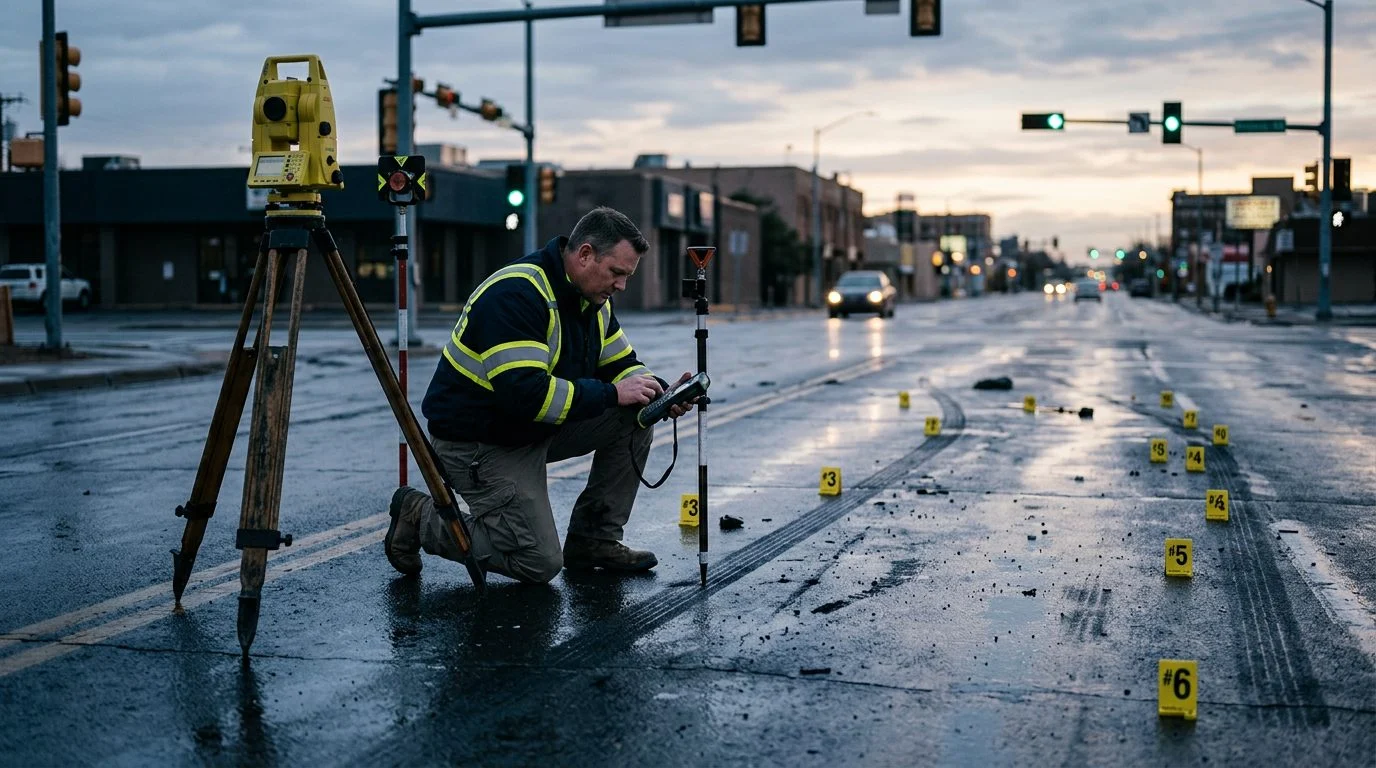
Wrongful Death | New Mexico
Losing someone you love? Get clear answers to your wrongful death questions.
El Gringo Law helps New Mexico families in Santa Fe, Rio Rancho, Las Cruces, Bernalillo County, Sandoval County, Taos and Farmington understand their options after a fatal accident or injury.
By Josh Wood · Published November 4, 2026
Are Wrongful Death Settlements Taxable in New Mexico?
If your family is weighing a settlement after a fatal accident, you don't have to sort through those papers alone. Our team can talk through your situation with you. Talk it through with our team — the first consultation is free, confidential, and carries no obligation.
Common Questions About Wrongful Death Claims
A single settlement can mix several kinds of recovery, and the parts are not always handled the same way. So the first step is to sort the money into its parts.
This guide explains those definitions. It also covers who files the claim, the filing deadline, and what to check in a release before you sign.
Many families are doing this work while grieving. You may be handling a claim for someone you loved, with bills and funeral costs already due. Ask for the breakdown of any offer in writing, and keep every settlement document together.
Who Files a Wrongful Death Claim in New Mexico, and When
The New Mexico Wrongful Death Act addresses deaths caused by another party’s wrongful act, neglect or default.
The personal representative is the person handling the decedent’s estate.
The deadline is strict. A New Mexico wrongful death lawsuit must be filed within three years, counted from the date of death, under the wrongful death filing deadline in § 41-2-2. The count starts on the date of death.
What a Wrongful Death Claim Can Recover in New Mexico
A New Mexico jury may consider punitive (exemplary) damages only if it finds that the claimant should recover compensatory or nominal damages and that the defendant’s conduct was malicious, willful, reckless, wanton, fraudulent, or in bad faith.
Punitive damages (money meant to punish especially bad conduct) follow stricter rules. The UJI 13-1827 punitive damages instruction says a jury may consider punitive damages only if it first finds that compensatory or nominal damages should be recovered. The conduct must also be malicious, willful, reckless, wanton, fraudulent or in bad faith.
New Mexico’s survival statute, NMSA § 37-2-1, provides that the cause of action for wrongful death and the cause of action for personal injuries shall survive the death of the party responsible therefor. That is why these claims can move forward after the at-fault party dies.
Loss of Consortium Belongs to the Person Who Lost It
Loss of consortium is a separate claim for damage to a close relationship.
To recover, the claimant must show a mutually dependent relationship with the person who died. The UJI 13-1810A loss of consortium instruction explains that mutual dependence means the claimant and the injured or deceased person relied on the relationship and could not enjoy life in the same way once the injury took place or after the death. Factors a jury may consider in deciding whether a relationship is mutually dependent include the duration of the relationship and whether the claimant and the injured or deceased person were members of the same household (UJI 13-1810A NMRA).
Parts of a Settlement to Label Before You Decide
Each part of a settlement should be labeled in writing. That label tells you what the money pays for. Two labels in New Mexico law are worth knowing: punitive damages and judgment interest.
Ask for that label in writing.
Interest is a separate question. Under NMSA § 56-8-4, interest shall be allowed on judgments and decrees for the payment of money from entry, subject to the exceptions stated in the section. Under § 56-8-4, interest shall be allowed on judgments and decrees for the payment of money from entry and shall be calculated at the rate of eight and three-fourths percent per year, unless: the judgment is rendered on a written instrument having a different rate of interest, in which case interest shall be computed at a rate no higher than specified in the instrument; or the judgment is based on tortious conduct, bad faith or intentional or willful acts, in which case interest shall be computed at the rate of fifteen percent. Under § 56-8-4, where the judgment is based on tortious conduct, bad faith or intentional or willful acts, interest shall be computed at the rate of fifteen percent.
This rate applies to judgments. A settlement reached before judgment may not carry the same interest. The settlement papers should show whether any amount is interest and how it was calculated.
Not sure what your next step is?
Talk it through with our team — the first consultation is free, confidential, and carries no obligation.
How Fault Can Affect the Amount Recovered
New Mexico follows pure comparative negligence, which means shared fault. A plaintiff’s own negligence no longer bars recovery completely. The New Mexico Supreme Court set this rule in Scott v. Rizzo.
Fault still matters for the case. Under Herrera v. Quality Pontiac, a proximate cause is one that, in a natural and continuous sequence, produces the injury. It need not be the only cause, nor the last nor nearest cause.
That is why the facts of the crash, the fall or the incident matter so much. Who did what, and when, shapes how fault is argued and how the claim is valued. Every claim is different.
Mistakes Families Make When a Settlement Offer Arrives
The most common mistake is signing a release before the terms are clear. A release is a document that gives up claims. Under NMSA § 41-3-4, a release by the injured person of one joint tortfeasor (a party who shares blame with others), whether before or after judgment, does not discharge the other tortfeasors unless the release so provides. Under § 41-3-4, a release by the injured person of one joint tortfeasor, whether before or after judgment, does not discharge the other tortfeasors unless the release so provides; but reduces the claim against the other tortfeasors in the amount of the consideration paid for the release, or in any amount or proportion by which the release provides that the total claim shall be reduced, if greater than the consideration paid.
That same statute says a release of one joint tortfeasor does not discharge the other parties unless the release so provides; it reduces the claim against them by the amount paid for it, or by any greater amount the release provides, if that amount is greater than the consideration paid. Read the release carefully. Ask which parties it covers and what it releases.
A second mistake is letting the deadline pass. The three-year count starts at the date of death. A third is accepting a number without asking how it is split between damages, interest and any other labels. Ask for that split in writing before you decide.
Talking Through a Settlement Offer With El Gringo Law
If your family is weighing a settlement after a death, you may be carrying a loss and a stack of paperwork at the same time. Those are heavy things to hold together.
The decisions in front of you are concrete. Does the breakdown separate damages from interest and any release terms? Does the release name the parties you intend to release? When does the three-year deadline run?
Reach out through the El Gringo Law contact form. Josh Wood is the lawyer responsible for this page, and he can talk through the facts of your claim and the paperwork. Your first consultation is free, confidential, and carries no obligation to continue.
Frequently asked questions
Are wrongful death settlements taxable?
It depends on what each part of the settlement pays for, so label each part first.
How long do I have to file?
Under New Mexico law, the lawsuit must be brought within three years after the cause of action accrues, and the cause of action accrues as of the date of death (NMSA § 41-2-2 — three years from the date of death).
Do New Mexico judgments earn interest?
Yes.
Does a release affect other responsible parties?
Not automatically. A release of one joint tortfeasor does not discharge the others unless the release says so.
How we approach your family's questions
Free first consultation
Your initial consultation is free, confidential and comes with no obligation to continue.
Plain-language explanations
We explain the legal terms, the steps ahead and what each choice may mean for your family.
Help organizing records
We can review the reports, bills and letters you already have so nothing important is overlooked.
Focused on families
Our team focuses on wrongful death cases and keeps families informed at every stage.
Keep what you have
Save medical reports, bills, photos, police or crash reports, and any letters from insurance companies. Speak with a lawyer before you sign any statement or release.
Common questions this page covers
Who can bring a wrongful death claim?
The answer depends on your family's circumstances and New Mexico law. We can walk you through the basics during a free consultation.
What damages can a family seek?
Families often ask what losses may be part of a claim. We explain the categories in plain terms and how they apply to your situation.
Are settlements taxable?
Tax questions depend on what each part of a settlement pays for. We recommend reviewing this with a qualified tax professional alongside your legal team.
Do we have to go to court?
Many cases resolve without a trial, but every case is different. We discuss the possible paths with you before any decisions are made.