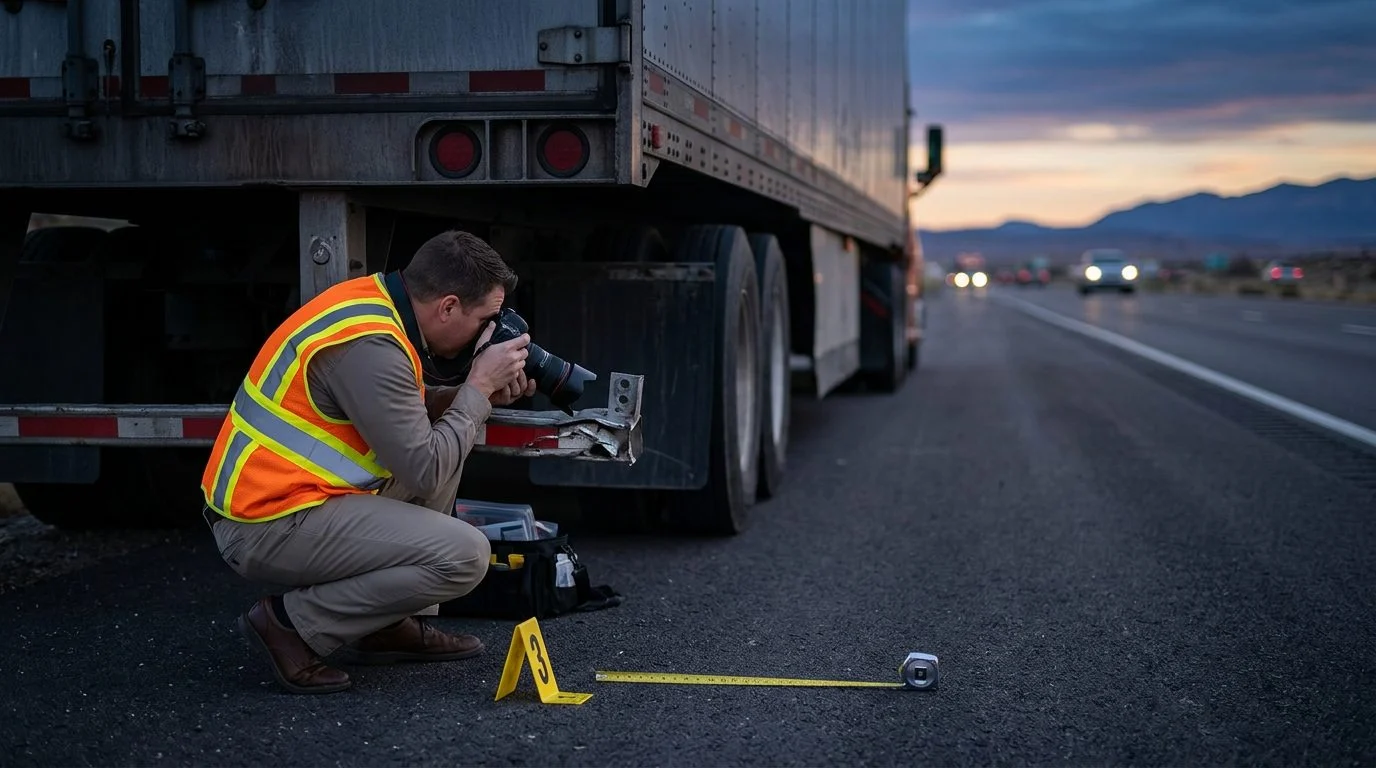
Amputation Injury Claims · Bernalillo County and Central New Mexico
Losing a Limb Changes Everything. We Can Help You Understand Your Options.
El Gringo Law represents people in New Mexico whose amputations followed a car crash, a trucking collision, or another injury. Your first consultation is free, confidential, and carries no obligation to continue.
By Josh Wood · Published November 2, 2026
Representing Amputation Injury Clients in Albuquerque and Bernalillo County
El Gringo Law represents amputation injury clients in Albuquerque and Bernalillo County. The firm also takes matters from Santa Fe, Rio Rancho, Sandoval County, Las Cruces, Taos and Farmington.
Losing a limb changes work, home life and money, often within days. A crash can cost a leg, an arm or a hand in seconds. Recovery then means surgery, hospital stays, rehabilitation and, for many people, a prosthetic device that may need replacing over time.
If you’re reading this after a limb loss, you may be facing choices you didn’t plan for. This page explains what a claim involves so you can decide what makes sense for you.
Josh Wood is the responsible lawyer for this page. He is licensed in New Mexico and Arizona. You can reach the firm at elgringolaw.com.
Your first consultation is free, confidential, and comes with no obligation to continue.
If a crash or fall cost you a limb, you may have a claim worth reviewing, and you don't have to sort out medical care and lost work alone. Contact El Gringo Law to talk it through. Talk it through with our team — the first consultation is free, confidential, and carries no obligation.
What an Amputation Injury Claim Involves
An amputation injury claim is a personal injury claim against the person or business whose negligence caused the accident that led to the limb loss. Some amputations happen at the scene. Others happen later, when surgeons must remove a limb after a severe injury. Both can lead to a claim.
The accidents that most often lead to these claims include car and motorcycle crashes, trucking collisions, falls caused by unsafe property, and injuries from negligent security. Severe injuries like these can also fall within the firm’s catastrophic injuries work.
Generally, a negligence claim requires the existence of a duty from a defendant to a plaintiff, breach of that duty, which is typically based upon a standard of reasonable care, and the breach being a proximate cause and cause in fact of the plaintiffs damages, as set out in Herrera v. Quality Pontiac. The defendant owed a duty, breached that duty, and the breach was a proximate cause of the harm. Herrera v. Quality Pontiac addresses the elements of a negligence claim. In plain words, the other side had to owe you a duty of care, and its carelessness had to cause the harm.
For medical context, the Amputee Coalition’s limb loss statistics cover the causes of traumatic limb loss and the lifelong needs of people with amputations.
Who may be responsible depends on the facts of the accident. At the first review, the firm looks at police and crash reports, scene evidence and medical records.
Damages an Amputation Claim May Cover
Each category needs records to support it.
- Medical costs: emergency care, surgery, hospital stays, follow-up visits and future surgical revisions, shown by itemized bills and treating-provider records.
- Prosthetics and rehabilitation: the first fitting, later replacements as the body changes, physical and occupational therapy, and home or vehicle changes a provider recommends.
- Lost earning capacity: wages lost during recovery and reduced ability to work later, shown by employment records and, when the facts call for it, economic analysis.
- Pain and daily life: pain, suffering, emotional distress and loss of enjoyment of life.
New Mexico also reduces damages by the injured person’s own share of fault. An injured person’s fault lowers damages by that percentage, but it does not bar recovery.
Every case is different, and past results do not predict a similar outcome.
How the Process Works, Step by Step
The process usually starts with a call, a contact form or a chat. It then moves through evidence, medical documentation, negotiation and, if needed, a lawsuit. Timelines vary with recovery, the evidence and whether the case settles before trial.
- First consultation. You describe the accident and the injury. The firm reviews the basic facts and explains the steps it expects.
- Records. The firm requests crash reports, photos, witness details and medical records. A driver involved in an accident resulting in bodily injury or death, or total property damage to an apparent extent of five hundred dollars ($500) or more, must forward a written report of the accident to the department of transportation within five days after the accident, as set out in NMSA § 66-7-207. That reporting duty is separate from a personal injury claim, which is also subject to a filing deadline.
- Medical documentation. Prosthetist assessments and rehabilitation plans are gathered so the full cost of care is documented.
- Experts where needed. Engineers, life care planners or economists may be consulted when the facts call for them.
- Negotiation or lawsuit. The claim goes to the responsible party or its insurer. Under Hovet v. Allstate Ins. Co., an action for unfair claims practices based on failure to settle may only be filed after the conclusion of the underlying negligence litigation, and after there has been a judicial determination of fault in favor of the third party and against the insured.
Why Work With El Gringo Law
The firm handles car accidents, trucking accidents, premises liability, negligent security, wrongful death, sexual assault, catastrophic injuries, spinal cord injuries, amputations and burn injuries. Josh Wood is licensed in New Mexico and Arizona.
For readers looking for an amputation injury lawyer in Albuquerque, the firm’s work includes amputations and wrongful death. Family members may have claims too. Under NMSA § 41-2-1, when the death of a person is caused by the wrongful act, neglect or default of another, the person who, or the corporation which, would have been liable had death not ensued shall be liable to an action for damages, notwithstanding the death of the person injured. Under NMSA 1978, § 41-2-3, the action is brought by the deceased person’s personal representative.
Costs and the First Consultation
Court costs and litigation expenses are the costs of bringing a claim, and the firm may advance them.
If there is no recovery, the client may be responsible for court costs and the expenses of litigation. The firm’s written agreement sets out how these are handled.
Ask about advanced costs and how they apply to your situation during the consultation.
Not sure what your next step is?
Talk it through with our team — the first consultation is free, confidential, and carries no obligation.
Frequently Asked Questions About Amputation Injury Claims in Albuquerque
Can I bring a claim if my amputation followed a crash in Bernalillo County?
Many amputation claims start with a crash in Bernalillo County. Whether a claim fits your case turns on who caused the crash.
Your provider records help document them.
What if a family member died after losing a limb?
A wrongful death claim is brought by the personal representative, and the firm can review that path with you.
Can I sue the at-fault driver’s insurer right away?
The answer depends on the facts of each case, so our team can review how timing may apply to your claim during a free, confidential initial consultation, with no obligation to continue.
If a crash or fall in Albuquerque or Bernalillo County cost you a limb, you may have a claim worth reviewing. You don’t have to sort out medical care, prosthetics and missed work alone. Contact El Gringo Law by phone, contact form or chat to talk with Josh Wood about your situation.
How El Gringo Law Approaches Amputation Cases
Records and Evidence Review
We look at crash reports, medical records, and bills so that the full picture of your injury is documented from the start.
Focus on the Full Impact
An amputation affects work, mobility, prosthetic needs, and daily life for years. We help you describe those losses clearly.
Support for Families
When an injury leads to a death, El Gringo Law also handles wrongful death matters in New Mexico. Ask us how that applies to your family.
Easy Ways to Reach Us
Call the firm, submit the contact form on this page, or start a chat. Each option connects you directly with our team.
Early Action Helps Protect Your Case
Medical records, scene evidence, and witness information can be lost over time. Talk with our team as soon as you can about your situation.
Amputation Injuries We Review
Car Accidents
Collisions on New Mexico roads, including crashes in Bernalillo County, Sandoval County, Santa Fe, and Rio Rancho, that resulted in the loss of a limb.
Trucking Accidents
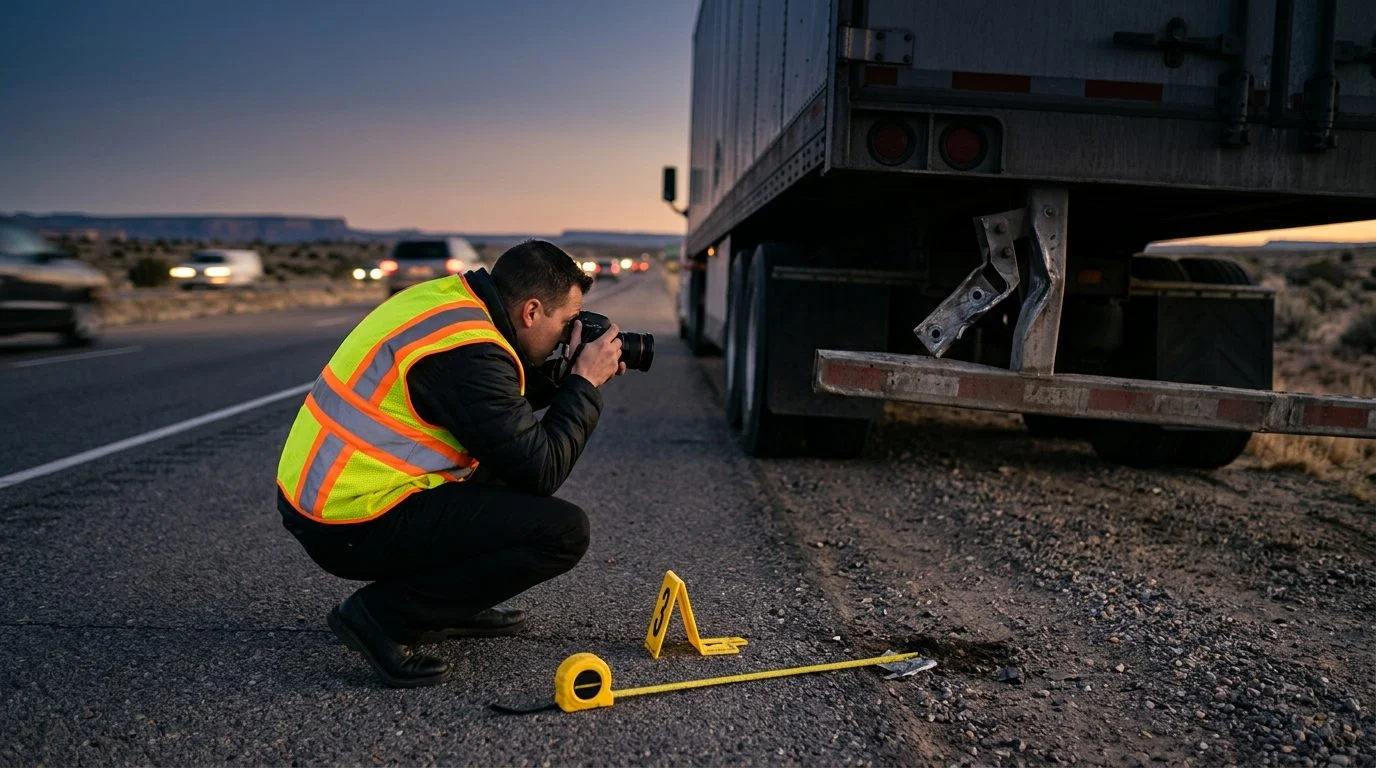
Serious collisions involving commercial trucks, where crush injuries and traumatic amputations often require immediate medical care and long-term treatment.
Premises and Negligent Security
Injuries on property that was not kept safe, including incidents involving inadequate security that led to a serious injury.
Catastrophic and Wrongful Death Claims
Amputations that come with other catastrophic injuries, or a death that followed an amputation injury, are matters we review with families.