Catastrophic Injuries | Albuquerque and Bernalillo County
Crush injuries are serious. Start with a conversation.
Josh Wood and our team at El Gringo Law can listen to what happened, explain the questions to ask next, and help you decide what to do from here.
About El Gringo Law
10
Practice areas, including car, truck and catastrophic injury cases
Free
Confidential first consultation, with no obligation to continue
By Josh Wood · Published November 9, 2026
If heavy force pressed on your body in a crash, it may have damaged your muscle, bone, nerves and blood vessels. If someone else’s carelessness caused that force, the injured person may have a claim. If you need a crush injury lawyer in Albuquerque, it helps to understand the basics first. This page explains how these injuries happen, why they are hard to judge at first, and what a claim often involves. El Gringo Law represents people hurt in crashes, collapses and equipment accidents across New Mexico, including Albuquerque, Rio Rancho, Santa Fe, Las Cruces, Taos and Farmington.
What Is a Crush Injury, and Why Can It Look Less Serious Than It Is?
A crush injury is damage caused when heavy force presses on part of the body. The skin may show only bruising or a small cut, while deeper tissue is badly hurt.
Crush injuries can damage muscle, bone, nerves and blood vessels at the same time. Common harms include broken bones, nerve and blood vessel damage, compartment syndrome (dangerous pressure building inside a muscle group) and internal bleeding. In severe cases, the damage can lead to amputation.
Doctors often watch for crush syndrome. In this condition, crushed muscle releases substances into the blood that can strain the kidneys. That is one reason medical teams may monitor a person for a period after a long pin.
Early symptoms can understate the harm. A person may be able to talk and move and still have serious internal injuries. Follow-up care matters, and so do the records that document it.
If a crash, collapse or machine pinned someone you care about, you may have a claim, and our team can talk through what happened with you. Talk it through with our team — the first consultation is free, confidential, and carries no obligation.
Which Crashes Can Cause Crush Injuries?
Crashes cause crush injuries when a vehicle pins a driver or passenger against the dashboard, a pole or another vehicle. Pedestrians and cyclists can also be struck and trapped against a vehicle.
New Mexico law requires drivers to yield to pedestrians in a crosswalk when traffic signals are not in place or not working (NMSA 1978, § 66-7-334). A driver who fails to yield can cause the kind of impact that traps a pedestrian.
Trucking crashes raise extra questions. Federal rules require a commercial truck’s cargo to be secured so it does not leak, spill, blow or fall off (49 C.F.R. § 393.100). Drivers of trucks and truck tractors must also inspect cargo and its securement devices within the first 50 miles of a trip, unless the vehicle is sealed and the driver has been ordered not to open it, or the vehicle was loaded so that inspecting its cargo is impracticable (49 C.F.R. § 392.9). Hours-of-service and logging rules for commercial drivers appear in 49 CFR Part 395. These records can matter after a truck crash.
Federal rules also set a standard for rear impact guards, devices meant to limit how far a passenger car’s front end slides under a trailer. Underride crashes are one way a passenger vehicle can be crushed. The type of vehicle and whether commercial rules applied often shape the claim.
Can Collapses and Equipment Accidents Cause Crush Injuries?
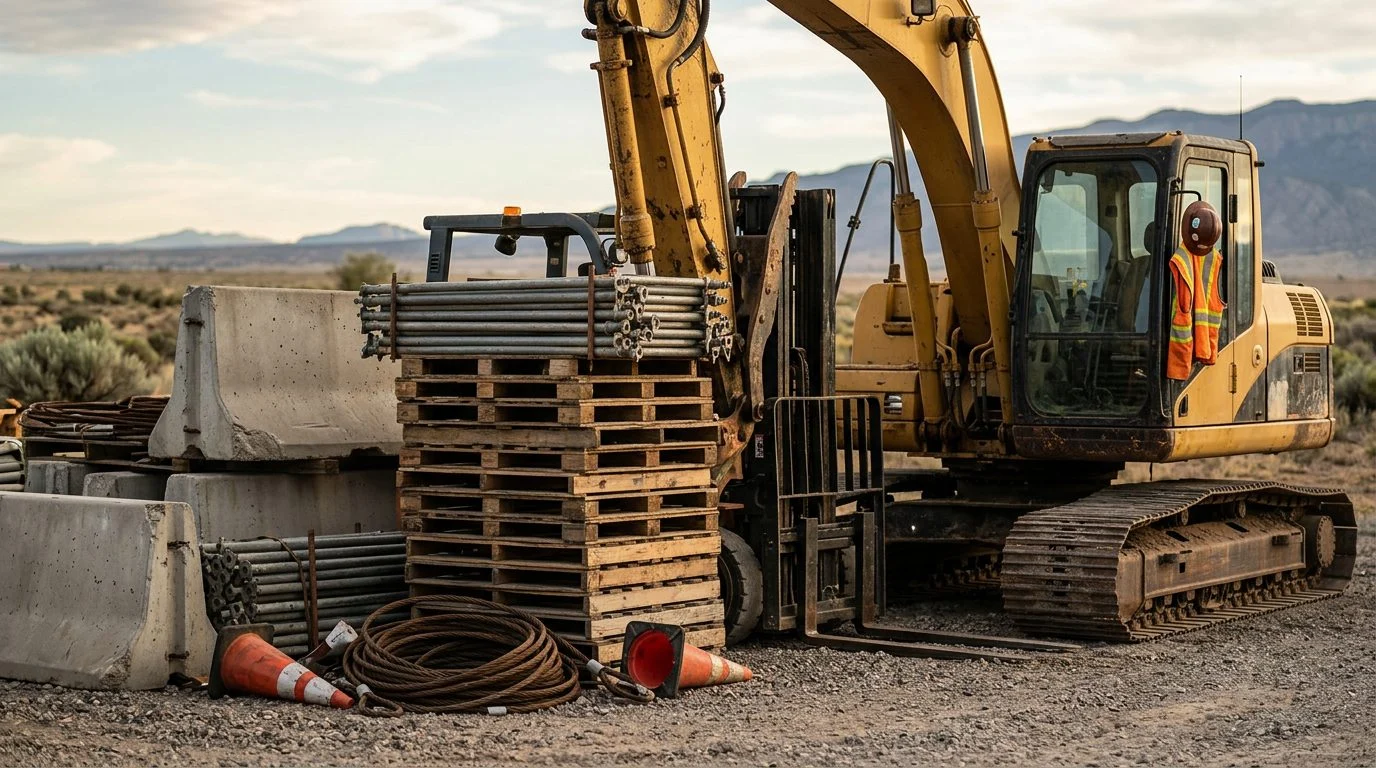
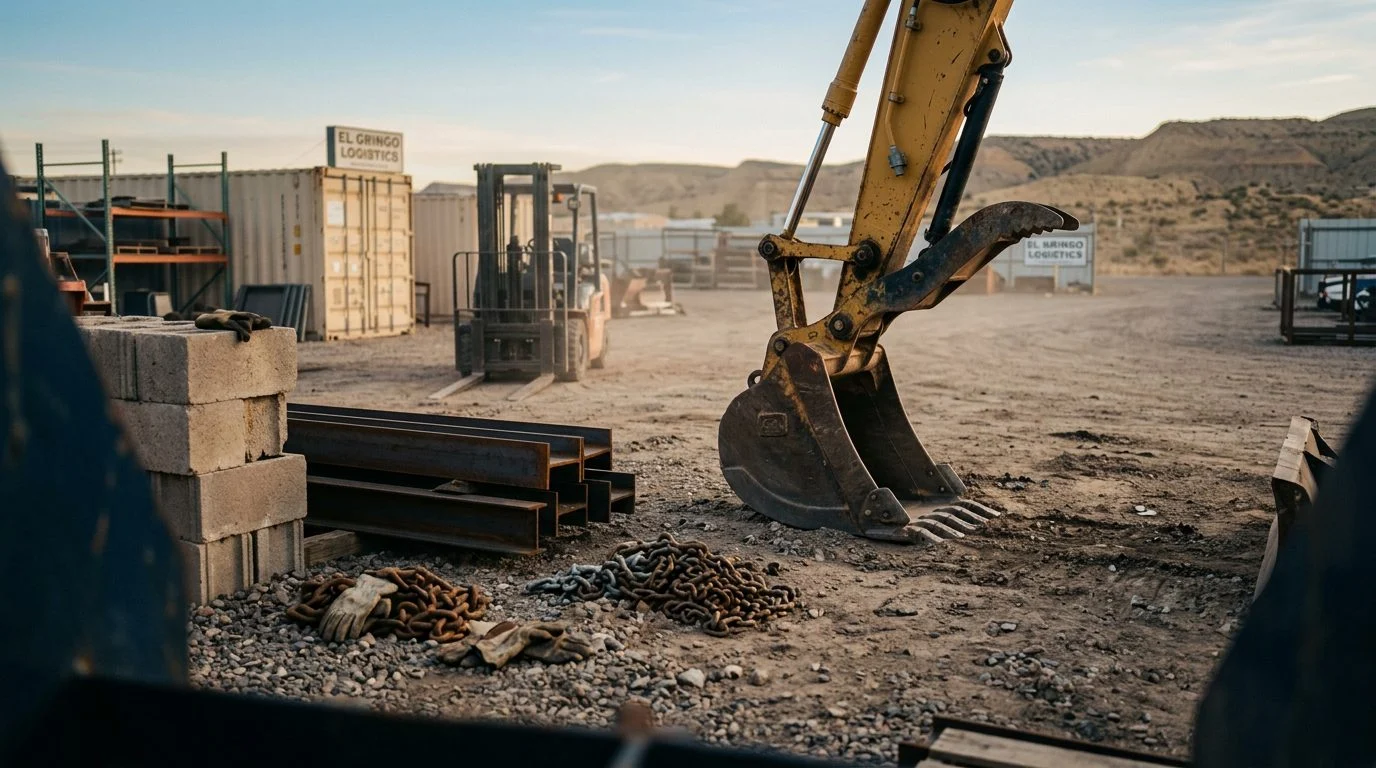
Yes. A balcony, staircase, railing, gate or heavy machine can crush a person when it gives way or moves unexpectedly. These cases often involve homes, businesses, job sites or parking areas.
New Mexico’s jury instruction on premises duty says an owner owes a visitor the duty to use ordinary care to keep the premises safe for use by the visitor (UJI 13-1309 NMRA). That duty can apply even when a danger is known or obvious. The instruction notes one exception: if a visitor’s negligence in facing an obvious danger was unforeseeable as a matter of law, the duty instruction should not be given.
Maintenance records, inspection history, warnings and repair requests can show what an owner knew and when. Equipment accidents raise similar questions. Who owned, ran, rented or maintained the machine can shape who may be responsible.
Keep any notes, photos or messages about the condition before the accident. These can help show what was known about the danger.
Who May Be Responsible, and What Evidence Helps?
When someone is hurt on another’s property, responsibility can turn on whether the owner or occupant used ordinary care to keep the premises safe for use by visitors. In New Mexico, a negligence claim generally requires a duty, a breach of that duty, and a breach that was a proximate cause of the damages (Herrera v. Quality Pontiac). A proximate cause need not be the only cause.
Fault can be shared. New Mexico follows pure comparative negligence, so an injured person who is partly at fault is not totally barred from recovery (Scott v. Rizzo). That person’s share of fault reduces the damages. In most cases, New Mexico also makes each at-fault party liable only for its own share, though listed exceptions apply (NMSA 1978, § 41-3A-1).
Evidence that often helps includes:
- Photos and video of the scene and the injury
- Measurements, witness names and incident or police reports
- The vehicle, cargo or equipment involved
- Medical records, imaging and treatment notes
- Maintenance logs, driver logs and inspection reports, when they exist
Think carefully before giving a recorded statement to any insurer, especially while you are still recovering.
What Happens After You Reach Out?
The process usually starts with a conversation about what happened, the care you have received and the questions you have. Each step builds on the one before.
- Step 1: First consultation. You talk with our team about the crash, collapse or equipment accident and your injuries.
- Step 2: Preserve evidence. Records are requested, including vehicle, property or equipment information and medical records.
- Step 3: Investigate. The team looks at how the injury happened and who may be responsible.
- Step 4: Present the claim. The claim goes to the responsible parties and their insurers, with negotiation or a lawsuit if needed.
Crush injury claims often take longer than minor injury claims. Treatment and recovery usually need to be understood first. New Mexico’s general limitation period for injury to a person is three years (NMSA 1978, § 37-1-8). Other deadlines may apply depending on the facts, so early action protects evidence and options.
What Can a Crush Injury Claim Include?
A crush injury claim can seek compensation for losses the facts support. Common categories include:
- Medical bills, surgery and rehabilitation
- Prosthetics and adaptive equipment
- Lost income and reduced ability to earn
- Pain and suffering
Amputations and spinal cord injuries can require lifetime care. Future medical needs should be documented by the treating providers who know the patient’s condition. Family members may have their own claims.
Every claim turns on its own facts and evidence. Our team can explain which categories may apply to your situation.
Not sure what your next step is?
Talk it through with our team — the first consultation is free, confidential, and carries no obligation.
Frequently Asked Questions About Crush Injury Claims
Do I need a lawyer if my injury seems minor at first?
Crush injuries can change after the first days. An early conversation can help you understand your options.
Can a family member contact the firm for an injured person?
Yes. A family member can reach out to ask questions or request a conversation on behalf of someone who was hurt.
What if I’m not sure who was at fault?
Identifying responsible parties is part of the investigation. Our team reviews those questions with you during the process.
Can I still recover if I was partly at fault?
Yes, in New Mexico. Partial fault reduces damages but does not bar recovery under the pure comparative negligence rule.
What is the time limit to file?
New Mexico’s general limitation period for injury to a person is three years under NMSA 1978, § 37-1-8. Other deadlines may apply.
Talk With El Gringo Law About Your Crush Injury
If you are dealing with a crush injury now, you may be in a hospital bed, missing work or trying to understand what happened. You may also be asking questions for someone you love. You don’t have to sort out the legal side alone.
Your first consultation is free, confidential and carries no obligation to continue. In Spanish, this is a consulta inicial gratuita, confidencial y sin compromiso.
To talk about what happened, reach out through our contact form.
This page is the responsibility of Josh Wood, a lawyer licensed in New Mexico and Arizona. Information about El Gringo Law is available at elgringolaw.com.
How to reach us
Call the firm
Speak directly with a member of our team about your injury and your questions.
Start a chat
Ask a question online and our team will reply to you.
Send a contact form
Describe what happened in your own words and tell us how to reach you.
Talk in confidence
Your first consultation is free, confidential and comes with no obligation to continue.
Don't wait to ask questions
Crush injuries can change in the days and weeks after the accident. An early conversation can help you understand your options and what to watch for.
Where crush injuries happen
Car and truck collisions
Heavy vehicles, crushed doors, and impact forces can cause serious crush injuries to drivers, passengers and pedestrians.
Incidents on someone else's property
Unsafe conditions on commercial or residential property can lead to crush injuries that require long-term medical care.
Catastrophic injury recovery
Crush injuries can lead to amputations, nerve damage, or lasting limits on work and daily life. We help you understand what comes next.