Premises Liability & Negligent Security | Albuquerque
Protect the Evidence That Shows What Happened on the Property
Photos, reports and records can disappear quickly. Knowing what to save and who to contact helps you keep your options open.
By Josh Wood · Published November 9, 2026
If someone was assaulted on property you don’t own in Albuquerque, the evidence you save early can shape what is still available later. Start with the police report number, photos of the scene, witness names, medical records and a written request to keep any security footage.
This guide walks through each item, what it helps show and how to save it safely. It is general information about New Mexico law, not advice on your specific case.
Why Saving Evidence Early Matters After an Assault on Someone Else’s Property
Early evidence matters because a premises claim often turns on what the property owner knew and what protection was in place when the assault happened.
New Mexico’s pattern instruction says an owner or occupant “owes a visitor the duty to use ordinary care to keep the premises safe for use by the visitor” (UJI 13-1309 NMRA). New Mexico uses a single standard of reasonable care under the circumstances for visitors (Ford v. Board of County Commissioners).
A negligence claim generally requires a duty, a breach of that duty, and a breach that was a proximate cause of the damages (Herrera v. Quality Pontiac). Small details, like a dark stairwell or a broken gate, can carry real weight.
Those details change quickly. Bulbs get replaced, gates get fixed and cameras get moved during routine maintenance. Witnesses forget names and the order of events. Saving details early keeps them in one place.
If an assault happened on property you don't own, some evidence can be lost over time, and our team can talk through what to save next. Talk it through with our team — the first consultation is free, confidential, and carries no obligation.
Get and Save the Police Report Number
Ask the responding officer for the report or case number before you leave the scene, if you can. Write down the date, the time and the name of the police agency that responded.
If the officer gives you a name and badge number, note those too. Keep any incident card or written reference you receive, and photograph it.
The report is a record of what was reported at the time. It can help you compare later details with your first account. If you didn’t get the number at the scene, ask the agency that responded for it. Ask for a copy of the report once it’s available, and keep every version in the same folder as your other records.
Document Injuries and Keep Every Medical Record
Get medical care and keep every record, because medical notes help connect your injuries to the assault. New Mexico’s causation instruction says an act is a cause of injury if it “contributes to bringing about the injury” and, where the case calls for it, “injury would not have occurred without it”; the act must also be “reasonably connected as a significant link to the injury” (UJI 13-305 NMRA).
Keep these items:
- Emergency department notes, imaging results and discharge papers.
- Prescriptions, referrals and bills from every provider.
- A list of each provider you saw and the date of each visit.
Start a simple symptom journal. Write the date, your pain level, any sleep problems and the activities you could no longer do. Photograph visible injuries every few days, so bruising, swelling and healing are recorded over time.
Photograph the Scene, Lighting, Locks and Security Features
Photograph the exact spot, the lighting, the locks and any security equipment as soon as it’s safe to do so.
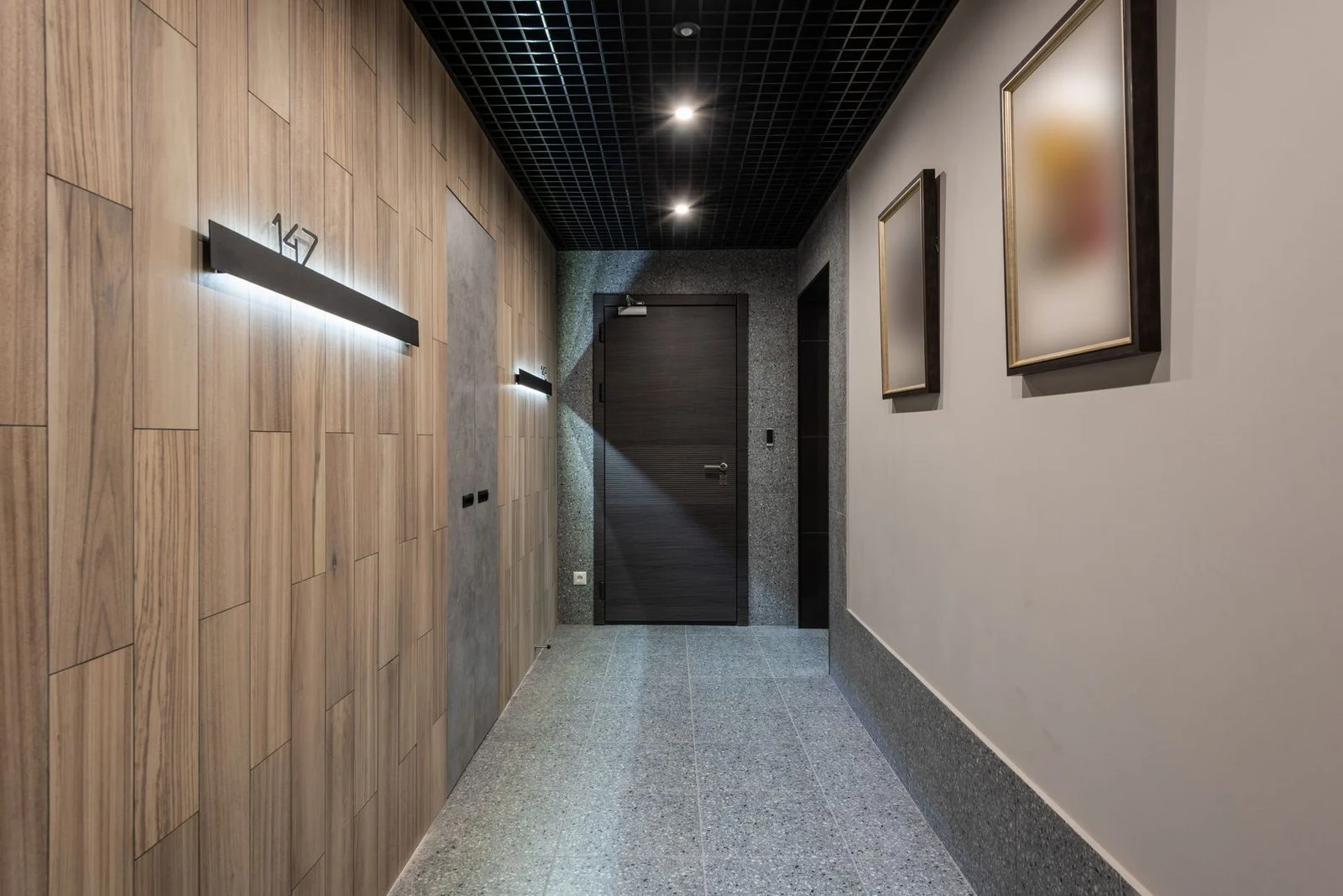
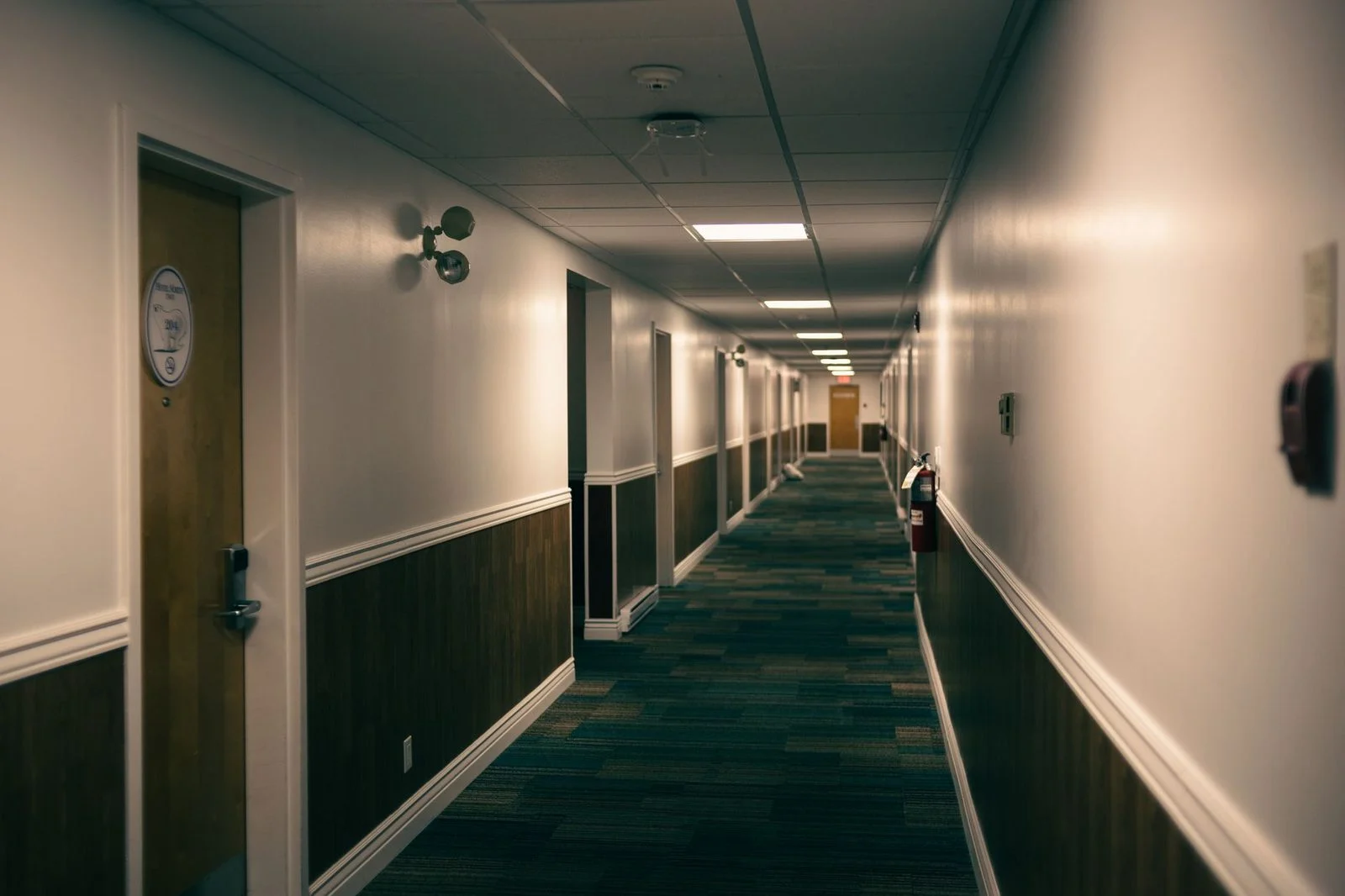
Take wide shots of the location, including parking areas, stairwells, walkways and entrances. Then take close shots of lighting fixtures, burned-out bulbs and dark corners. Note the distance between light sources if you can.
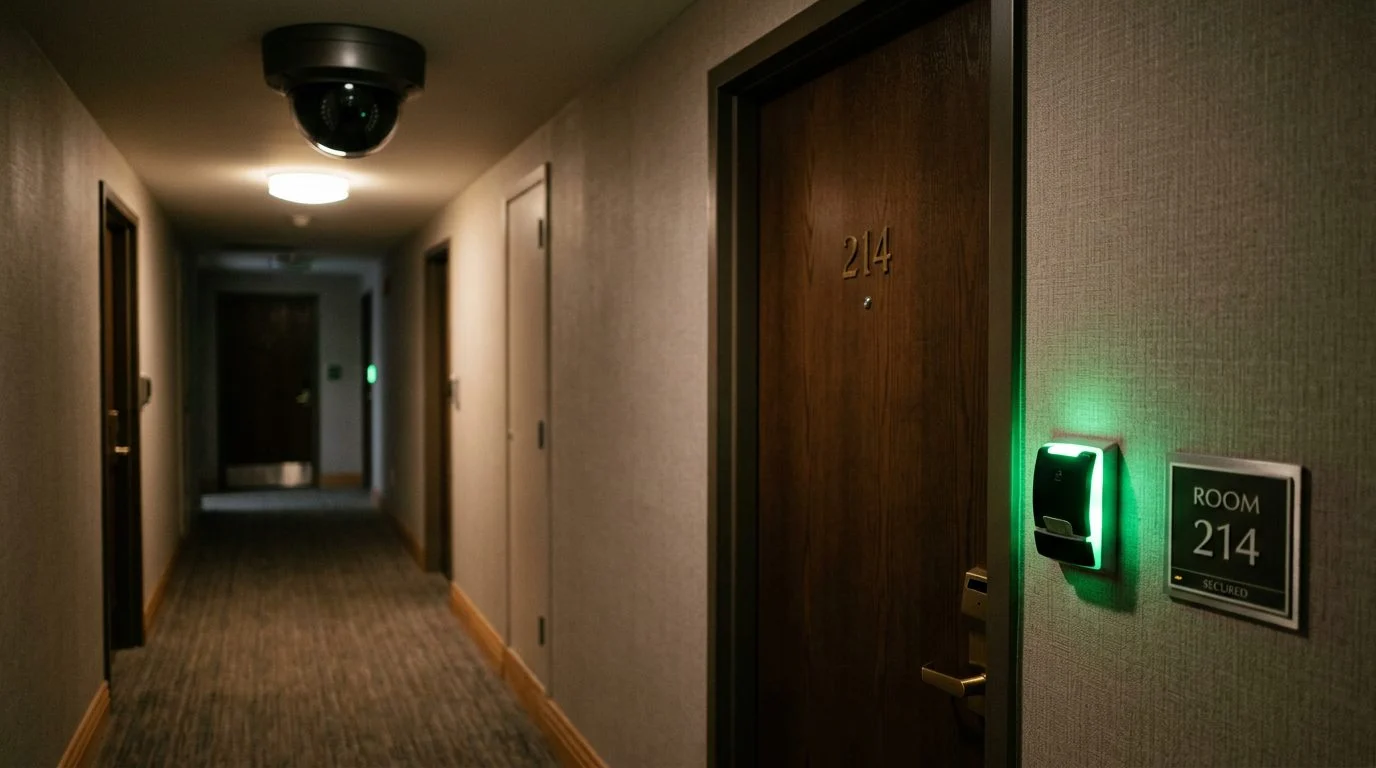
Document locks, gates, fences, doors and keycard readers, especially any signs of damage or tampering. Record cameras, call boxes and posted security notices. Note the date and time on each photo.
Return to the same spot at the same time of day later, and take the same photos again. Save the original files with their metadata intact, not screenshots or edited copies.
Collect Witness Names and Written Notes About Prior Incidents
Write down the names and phone numbers of anyone who saw, heard or came upon the assault. Record where each person was standing and what they told you, while the details are fresh.
Next, list earlier incidents you know about at the property. Include dates, what happened and who reported it. Earlier problems matter in a premises claim because they bear on what the owner knew.
Save any complaints you or others made to management, the landlord or the owner, along with any replies. Also note warnings, tenant notices and online reviews that mention crime or safety problems. Write down where each item came from and its date.
Request Incident Reports and Preserve Camera Footage
Send property management a written request for incident reports and camera footage right away. Email or a letter with a delivery receipt creates a dated record. Keep a copy of what you sent, the date and any reply.
Ask for the incident report, security logs and guard reports related to the assault. In the same letter, ask the owner to keep any camera footage from that day. Many camera systems record over older video on a set cycle, so send the request early.
Footage, logs and maintenance records can show what cameras covered, how lighting was kept up and whether patrols took place.
Not sure what your next step is?
Talk it through with our team — the first consultation is free, confidential, and carries no obligation.
Keep Track of Costs, Work Losses and Daily Impact
Save receipts and work records, and keep a simple log of how the assault changed your daily life.
Keep receipts for medical costs, prescriptions, rides to appointments and other out-of-pocket expenses. Keep pay stubs or an employer letter showing time missed and any change in your duties.
Write down how the assault affected your home life, your routine, your relationships and your ability to care for children or family. These notes describe the harm in your own words, and they can matter later.
The value of any claim depends on the facts of the incident and the harm it caused. Bring your records to a conversation so your situation can be reviewed specifically.
Talk With Our Team About Your Situation
If an assault happened on property you don’t own, you don’t have to sort through the evidence alone. Our team can talk through what you’ve already saved, what to preserve next and how the incident may be reviewed.
Josh Wood is the lawyer responsible for this page. Your first consultation is free, confidential and carries no obligation to continue. You can reach El Gringo Law through the contact form.
Which evidence should I save first after an assault on property?
Save the police report number, photos of the scene and its lighting and locks, and the names of any witnesses. Medical records and a written footage request should follow quickly.
Should I send a written request for camera footage?
A written request is a practical first step. It gives you a dated record of what you asked the property owner to keep.
Does New Mexico recognize claims for destroyed evidence?
New Mexico recognizes a claim for intentional spoliation of evidence.
How El Gringo Law Can Help
Organized evidence review
We look at police reports, photos, lighting, locks and surveillance footage to understand how the property was maintained.
Early requests for records
Our team can send written requests for footage and records so important material is not overwritten or lost.
Clear communication
We explain what the evidence may mean for your case in plain language, so you know where things stand.
Support in English or Spanish
Our team is available to talk with you in the language that is most comfortable for you.
Be careful with insurer and owner requests
Before you give a recorded statement or sign a release from an insurance company or property owner, consider speaking with a lawyer. A free consultation is confidential and comes with no obligation.
Evidence to Save Now
Police report number
Write down the report number and the responding agency so the record can be located later.
Photos of the scene
Capture the entrance, locks, lighting, cameras and any damage, from several angles and at different times of day.
Witness names and contacts
Note anyone who saw or heard what happened, including employees, tenants and neighbors.
Medical records
Keep copies of visits, treatment notes and bills. These records document your injuries and their course.