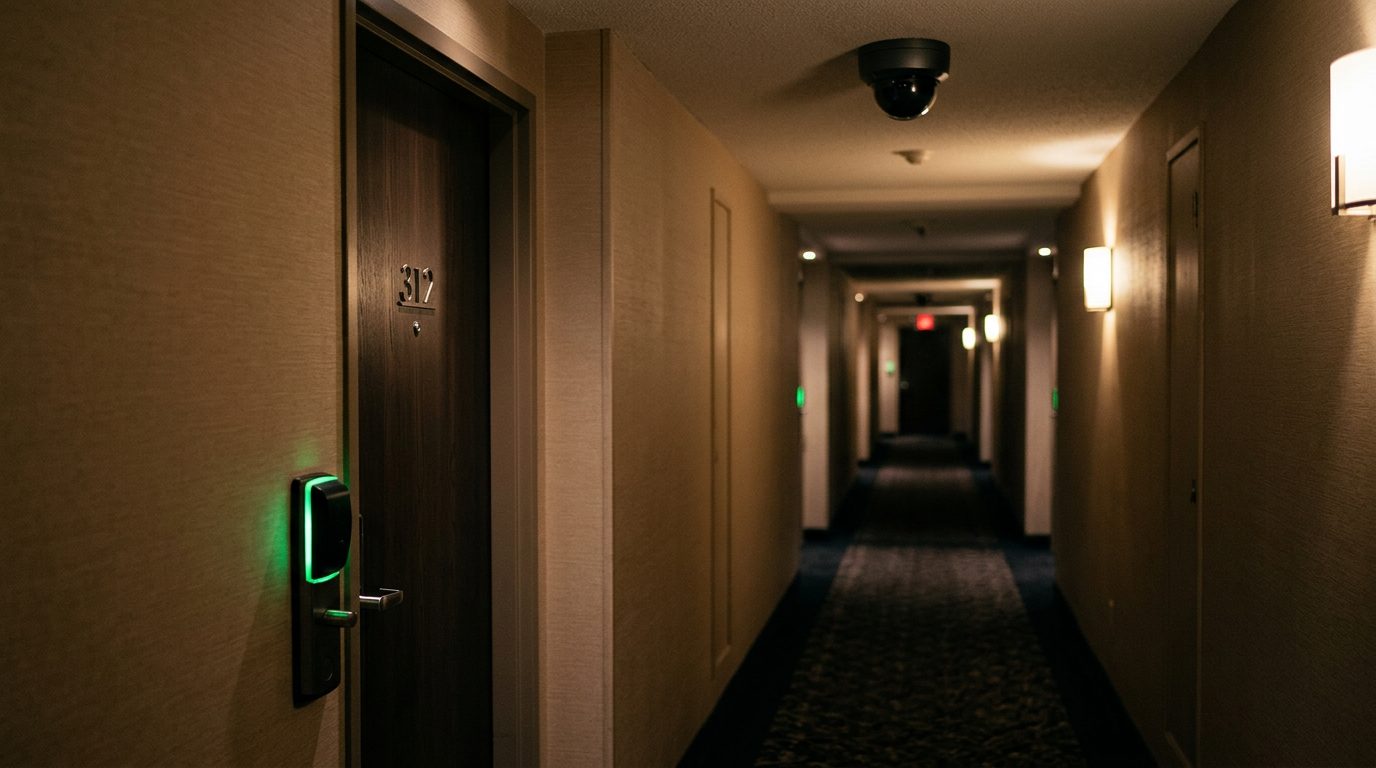
Negligent Security · Albuquerque, New Mexico
Hurt at an Albuquerque Storage Facility? Talk With El Gringo Law
We represent people injured in negligent security incidents, car accidents, and premises liability cases across New Mexico. Your first consultation is free, confidential, and carries no obligation to continue.
By Josh Wood · Published October 27, 2026
Storage Facility Negligent Security Lawyer in Albuquerque
If someone broke into your unit or attacked you on storage facility grounds, you may have a claim, and our team can review it with you. Talk it through with our team — the first consultation is free, confidential, and carries no obligation.
When a Storage Facility Break-In or Assault Raises a Negligent Security Claim
A storage facility can be responsible when weak security lets a foreseeable crime injure someone lawfully on the property (Scott v. Rizzo). This is called a negligent security claim.
This page is for people hurt in a break-in or attack at a self-storage facility, and for their families. That includes renters hurt inside a unit or on facility grounds, customers attacked while loading a car, and relatives of someone killed in a violent incident at a facility.
Storage sites have features that can make attacks easier. Drive aisles can be isolated and quiet. Gates may stay open after hours. Units depend on locks, and access often depends on a gate code. When these pieces fail, the key question is whether the risk was foreseeable and what the operator did about it.
What a Negligent Security Claim Can Cover
A claim can seek compensation for the harm an attack caused. The damages depend on each injury and loss. Common categories include:
- Medical care, from emergency treatment to surgery and ongoing therapy
- Lost or damaged property inside the unit, where the facts support the loss
- Lost wages and lower earning ability when injuries keep someone from work
- Pain, emotional distress, and other non-economic harm from an assault
- Catastrophic outcomes such as spinal cord injury, amputation, or serious burns, which often call for long-term planning
Wrongful death is a separate path.
Practitioner tip: make a list of every item in the unit, with photos and receipts, even if you can’t yet say what was lost.
What Decides Whether Security Was Adequate
Adequacy turns on whether the operator’s security matched the risks it knew about or should have seen. Evidence usually falls into a few groups:
- Prior break-ins, vandalism, or assaults at the same site or nearby
- Lighting in drive aisles, parking areas, and unit corridors at the time of the attack
- Gates, fencing, and access codes, including whether codes were shared, expired, or never changed
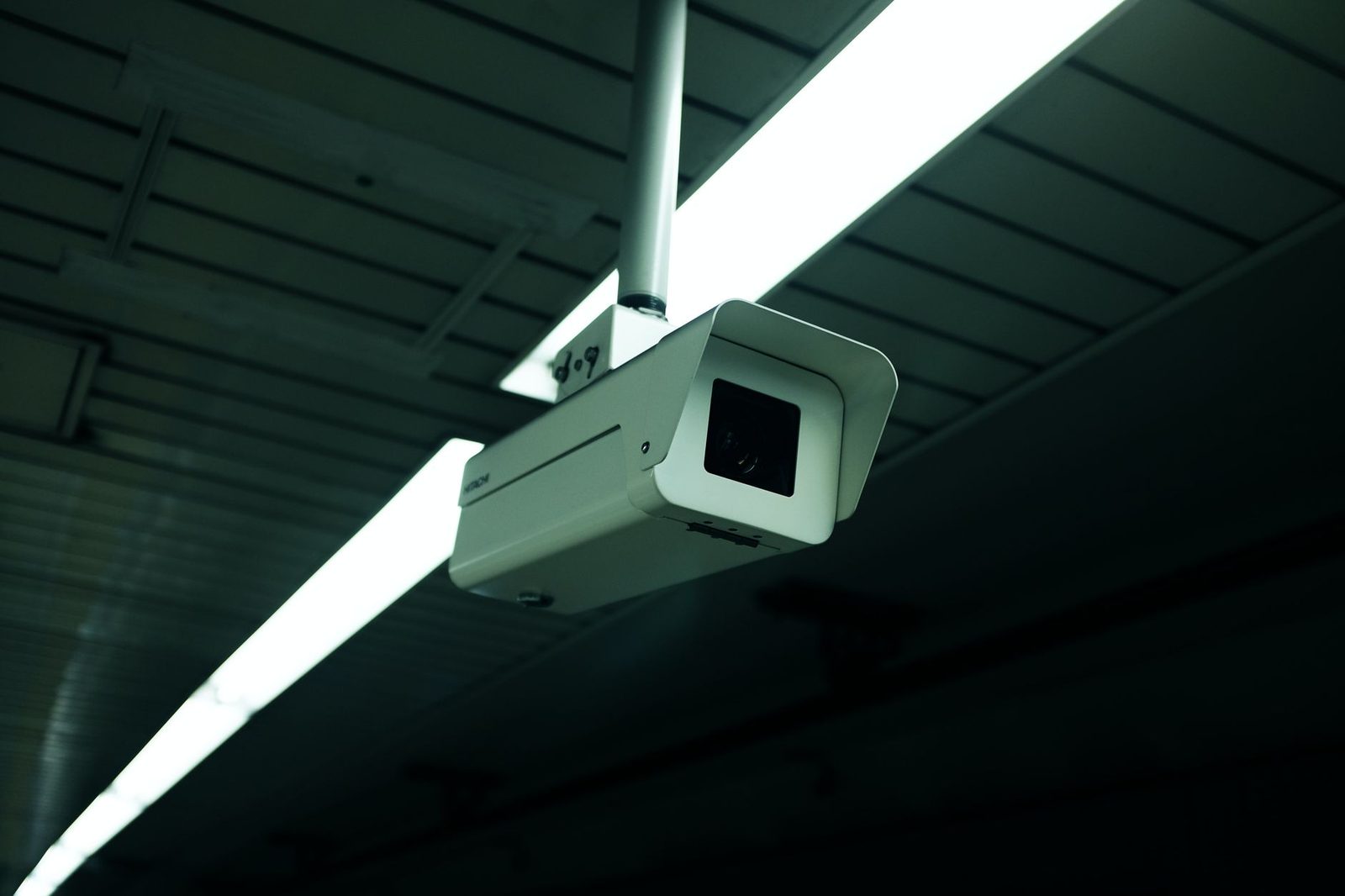
- Camera coverage, and whether footage was kept and saved after the incident
- Staff presence, patrols, and how fast staff responded to a report
- Lock or door problems, and whether earlier tampering complaints got a response
A crime by someone else does not erase the operator’s role.
Practitioner tip: don’t let a unit get repaired or cleared before someone photographs the lock, door, and drive aisle. Video systems may record over old footage, so ask for it in writing early.
How a Storage Facility Negligent Security Case Usually Moves Forward
A typical case starts with a free, confidential first consultation. Then come evidence requests, investigation, and a decision on next steps.
- Reach out. Call, send the contact form, or start a chat to describe what happened and where.
- Consultation. Review the incident, injuries, medical treatment, and any police report, with no obligation to continue.
- Preserve evidence. Request footage, access logs, gate records, incident reports, and past complaints.
- Investigate. Look at the facility’s security measures and history, and document injuries with medical records.
- Evaluate. Review insurance questions and who may be responsible.
- Resolve or file. Negotiate or file in New Mexico courts. Timelines depend on the facts and the defendants involved.
Time limits matter. New Mexico’s three-year limit for wrongful death actions is one reason to start early. This three-year limit applies to wrongful death actions brought under New Mexico’s Wrongful Death Act. Other types of claims can have different deadlines, so contact us to learn which deadline may apply to your situation (NMSA 1978, § 41-2-2 — three years from the date of death). Under the statute, such a death action must be filed within three years after it accrues, and it accrues on the date of the person’s death (NMSA § 41-2-2).
Why Work With El Gringo Law on This Matter
El Gringo Law represents people hurt in car accidents, trucking accidents, premises liability cases, negligent security cases, wrongful death, sexual assault, catastrophic injuries, spinal cord injuries, amputations, and burn injuries. Josh Wood is the responsible lawyer for this page. He is licensed in New Mexico and Arizona.
Our team includes more than one lawyer, along with support staff such as assistants and office staff. We work with clients in Albuquerque, Rio Rancho, Santa Fe, Las Cruces, and other New Mexico communities.
We explain each matter in plain language. That means what the evidence shows, what it doesn’t yet show, and what the next step is. Every case is different, so each one is reviewed on its own facts.
Not sure what your next step is?
Talk it through with our team — the first consultation is free, confidential, and carries no obligation.
Common Questions About Storage Facility Assault Claims
Many answers depend on the facts of each incident, so a consultation gives you the most specific answer.
Can I bring a claim if I was a customer, not a tenant?
New Mexico’s visitor duty applies to visitors, so your reason for being on the property is a key fact to review.
Does it matter if the attacker was never caught?
The duty covers criminal conduct by a third party, so an unidentified attacker is not automatically a dead end (Scott v. Rizzo).
Is a police report required?
A police report can be useful evidence, so keep a copy if you have one. A missing report should not stop you from calling.
Am I at fault if I share some blame?
New Mexico uses comparative negligence. Under UJI 13-2218, your damages are reduced by your own percentage of fault rather than ended.
What is a free consultation?
It is a free, confidential first consultation, with no obligation to continue.
Will the storage company’s insurer talk to me?
An insurer may ask for a recorded statement or a signed release. Contact us before you give either, so we can review it with you.
Talk With Our Team About Your Storage Facility Incident
If someone forced open your unit or attacked you on facility grounds, you may have a claim worth discussing. You don’t have to sort out the security questions alone.
While you decide, keep photos, texts, receipts, a list of lost items, and medical records in a safe place. They help the review.
Send the contact form or start a chat there to request your free, confidential first consultation. Responsible lawyer Josh Wood practices with El Gringo Law at elgringolaw.com.
How we approach your storage facility case
We listen to what happened
We start by learning how the incident occurred, where it happened on the property, and what you were doing there.
We look at the security
We review the gates, locks, lighting, cameras, and staffing that were in place, and whether they matched the risks at the facility.
We keep you informed
You will know what we are doing on your case and why, in plain language, at every stage.
We focus on your recovery
Serious injuries affect work, family, and daily life. We work to address the full impact of what you have been through.
Get your questions answered first
Our initial consultation is free, confidential, and comes with no obligation to continue. Sharing details early helps us understand your options.
Common questions in storage facility security cases
Were you a customer or a visitor?
Your reason for being on the property is an important fact to review, and we will look at it with you during the consultation.
What if the attacker was never identified?
An unidentified attacker does not automatically end a review. We look at what the property did to protect people who were on it.
What evidence may matter?
Incident reports, photos, gate and access records, and camera footage can be important. Some footage is recorded over on a schedule, so gathering information early can help.
Who is involved?
We review how responsibility may be shared.