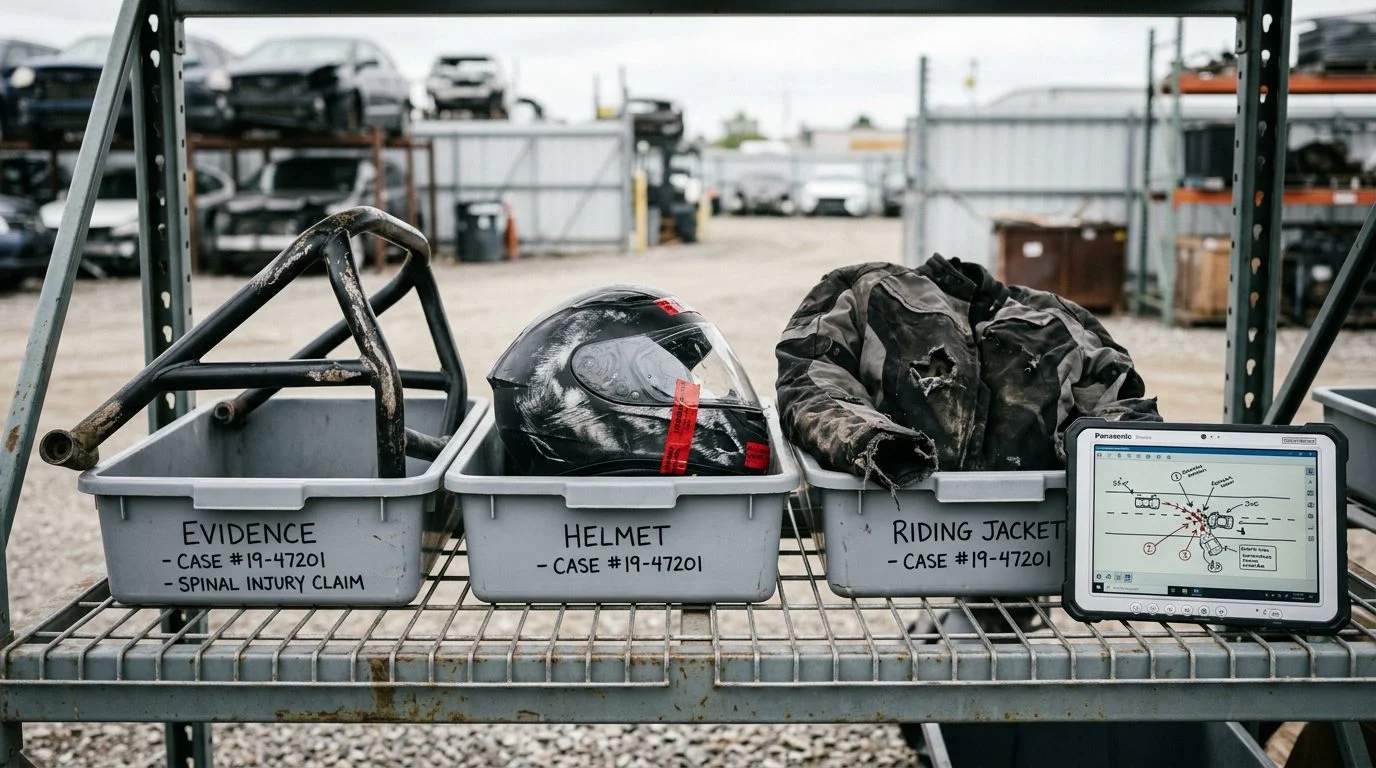
Spinal Cord Injury Claims · New Mexico
Your Spouse's Injury Changes Your Life Too
El Gringo Law helps New Mexico spouses understand how a loss of consortium claim can fit alongside a spinal cord injury case. Start with a free, confidential first consultation, with no obligation to continue.
By Josh Wood · Published November 6, 2026
New Mexico allows a spouse to bring a loss of consortium claim after a partner’s spinal cord injury if the claimant had a mutually dependent relationship with the injured partner. This page explains what the claim means, what it can cover, and what can change its value. It also covers the deadlines that apply when a government vehicle or entity is involved.
What Loss of Consortium Means After a Spinal Cord Injury in New Mexico
Loss of consortium is a claim for the harm a spouse suffers when an injury changes the relationship they share with their partner, where the claimant and the injured person had a mutually dependent relationship. New Mexico’s jury instruction describes it as a claim to recover compensation for damage to certain relationships (UJI 13-1810A NMRA).
The injured person has their own claim. That claim focuses on their own injuries and losses. A spouse’s consortium claim is different. It looks at what changed in the relationship itself.
Spinal cord injuries can change a household fast. A spouse may take on care, driving, bills and medical appointments within days. Many spouses don’t realize they may have a claim of their own. Checking early helps you understand your options.
If you're caring for a spouse after a spinal cord injury, you don't have to sort out your own rights alone. Our team can talk through your facts with you. Talk it through with our team — the first consultation is free, confidential, and carries no obligation.
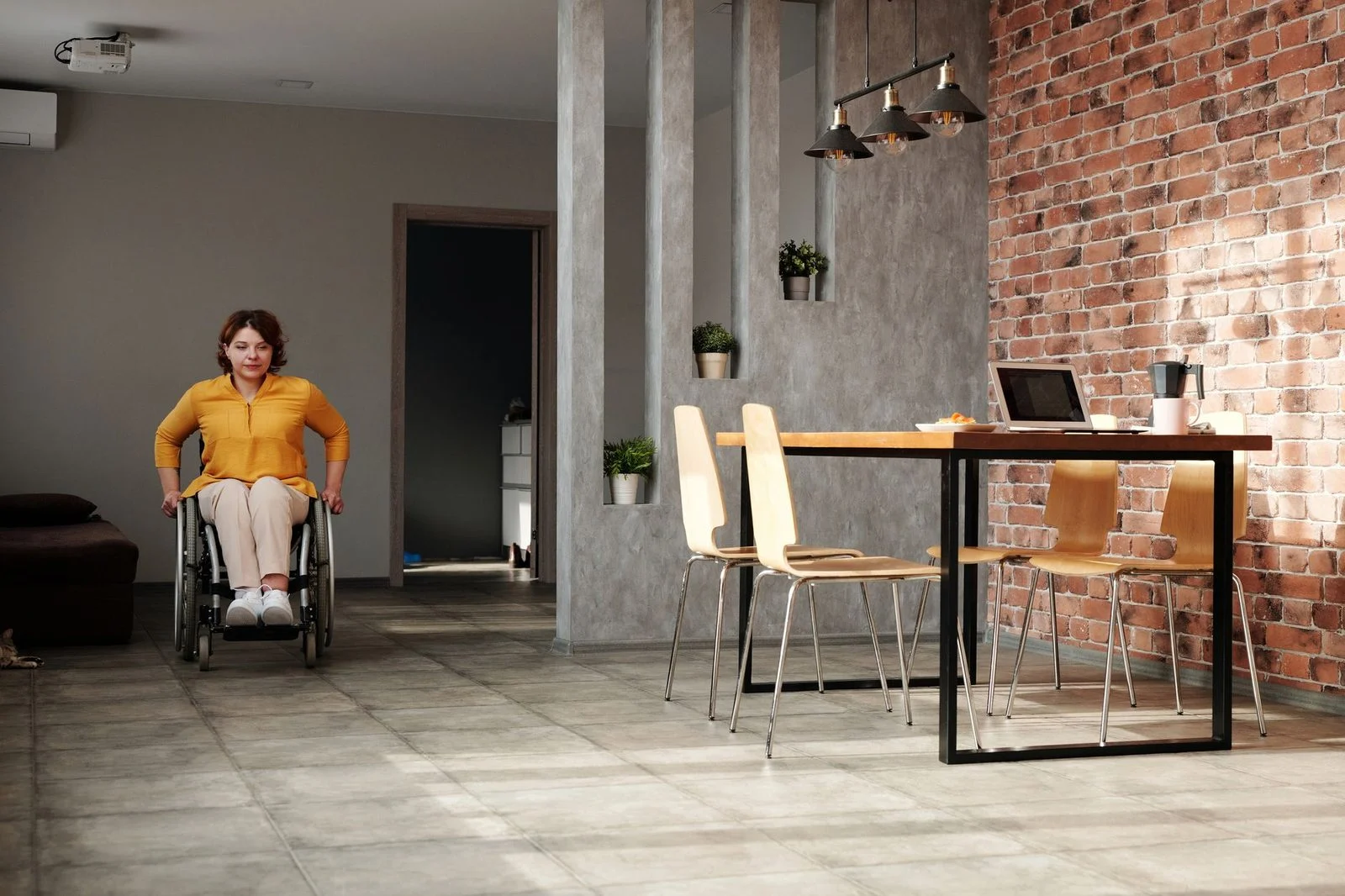
Whether a Spouse Can Bring Their Own Claim
Yes, New Mexico recognizes loss of consortium claims, and a claimant, such as a spouse, can bring one if they had a mutually dependent relationship with the injured person.
The spouse must show a mutually dependent relationship with the injured person. Mutual dependence means both people relied on the relationship. It also means they could not enjoy life in the same way after the injury (UJI 13-1810A NMRA).
Juries may look at several factors. These include how long the couple has been together, whether they shared a household, and how they relied on each other emotionally. They also include how they handled daily life together.
An unmarried partner still has to prove mutual dependence. Whether a particular spouse or partner has a claim depends on the accident, the injuries and the relationship.
What a Spouse’s Claim Can Cover After a Spinal Cord Injury
A spouse’s claim focuses on how the injury changed the couple’s shared life. It looks at the relationship as it was before the injury and how it changed afterward.
New Mexico’s loss of services instruction also looks at the reasonable value of the spouse’s services that the family has lost (UJI 13-1810 NMRA). When the family is reasonably certain to be deprived of the spouse’s services in the future, those future losses are discounted to present cash value (UJI 13-1810 NMRA).
After a spinal cord injury, a spouse may take on hands-on care, transportation, household work and medical scheduling. Plans for work, travel and family may also change. These are the kinds of changes that help show what the injury took away.
Recovery after a spinal cord injury differs from person to person. A PMC research article on natural recovery after traumatic spinal cord injury discusses how neurological recovery unfolds over time and what affects it. The value of a spouse’s claim is decided case by case.
How the Injured Spouse’s Fault and Insurance Limits Affect the Claim
Fault and insurance can both change what a spouse may recover. Both questions turn on the specific accident and the policies involved.
New Mexico’s comparative negligence instruction tells the jury, when comparative negligence is an issue in the lawsuit, to reduce the plaintiff’s total damages by the percentage of the plaintiff’s own negligence (UJI 13-2218 NMRA). If the injured person shares some fault, the total goes down by that share. How that reduction applies to a spouse’s own claim is a question for the facts of the case.
The injury also has to have a proximate cause. A proximate cause produces the injury in a natural and continuous sequence. It need not be the only cause (Herrera v. Quality Pontiac).
New Mexico law provides that uninsured motorist coverage shall include underinsured motorist coverage for persons protected by an insured’s policy, though the named insured has the right to reject that coverage (NMSA § 66-5-301). Who is protected is set by the policy’s coverage for persons insured under it, namely persons insured thereunder who are legally entitled to recover damages from owners or operators of uninsured motor vehicles. Limits must be at least the minimums set in Section 66-5-215 NMSA 1978, and can be no higher than the limits in the policy’s bodily injury and property damage liability provisions.
Deadlines, Government Defendants and Why Timing Matters
Claims against a government entity or public employee follow a shorter, two-year deadline. Under the Tort Claims Act, an action against a governmental entity or a public employee for torts is forever barred unless it is commenced within two years after the date of occurrence resulting in loss, injury or death, except that a minor under the full age of seven years has until his ninth birthday to file (NMSA § 41-4-15).
Under NMSA § 41-4-15, actions against a governmental entity or a public employee for torts shall be forever barred, unless such action is commenced within two years after the date of occurrence resulting in loss, injury or death, except that a minor under the full age of seven years shall have until his ninth birthday in which to file.
That rule can matter after a severe injury.
Because private and government claims follow different timelines, check the dates early.
What Evidence Supports a Spouse’s Claim
Evidence that shows how daily life changed helps show the impact of the injury. Records and everyday details both count.
Useful records often include medical records, rehabilitation notes and the injured person’s treatment plan. Photos and calendars that show changes also help. So do statements from family and friends who saw the changes.
Keep a simple written log. Note caregiving hours, missed events, changed plans and how the relationship feels day to day. Save messages that describe the changes, too.
A common mistake is waiting to write things down. Notes made at the time are easier to check than memories written months later. Keep your account consistent with the records.
Not sure what your next step is?
Talk it through with our team — the first consultation is free, confidential, and carries no obligation.
Talk With El Gringo Law About Your Situation
If you’re caring for a spouse with a spinal cord injury, you may be handling bills, insurance calls and hospital decisions. You may also be trying to understand your own rights. That’s a lot to carry.
Our first consultation is free, confidential, and comes with no obligation to continue.
Josh Wood is the responsible lawyer for this page. He is licensed in New Mexico and Arizona. For a broader view, read our guide to New Mexico spinal cord injury claims.
Can a spouse sue for loss of consortium in New Mexico?
Yes.
Does loss of consortium apply to unmarried partners?
The claim is not limited to married partners. The partner must still show mutual dependence.
Can fault reduce a spouse’s claim?
The injured person’s share of fault reduces that person’s total damages under New Mexico’s comparative negligence instruction. How that applies to a spouse’s claim turns on the facts.
If you’re asking these questions while caring for someone you love, you don’t have to work through your rights alone. Reach out through our contact form, and we can talk through your facts with you.
How we work with spouses
Listening first
We start by hearing how the injury has affected your marriage, your home and your daily life.
Plain-language answers
We explain the legal questions in clear terms so you can make informed decisions for your family.
Confidential consultation
Your first conversation with our team is confidential and comes with no obligation to continue.
Reach us your way
Call, send a contact form or start a chat. Our team will respond to your request.
Talk with a lawyer before you give statements
Insurance adjusters may ask a spouse for recorded statements about the injury and the household. Consider speaking with a lawyer first. Josh Wood of El Gringo Law can answer your questions in a free, confidential consultation.
Topics we can discuss with you
Loss of companionship
How a spinal cord injury has changed the closeness, intimacy and daily partnership in your marriage.
Changes at home
Shifts in roles, parenting, household work and the way your family plans its days.
Caregiving demands
The time and energy you now spend helping your spouse with care, appointments and daily needs.
Shared plans and finances
How the injury affects future plans, income and the security you once expected to share.