New Mexico · Spinal Cord Injury · Auto Insurance
When Minimum Coverage Isn't Enough After a Spinal Cord Injury
Learn how a serious crash injury can outgrow a standard policy, and what to review before you talk with an insurer.
By Josh Wood · Published November 12, 2026
If a crash has left someone you love with a serious injury, insurance terms can arrive all at once. Adjusters, policy pages, and letters use words like “limits” and “liability” that can feel foreign. This page answers a common question: what are the minimum auto insurance limits in New Mexico, and do they cover a spinal cord injury?
Quick Answer: New Mexico Minimum Auto Insurance Limits
New Mexico’s minimum auto insurance limits are $25,000 for bodily injury to or death of one person in one accident, $50,000 for two or more people hurt in one accident, and $10,000 for damage to others’ property. The state sets these amounts in NMSA 1978, § 66-5-208.
The $50,000 figure is a total for the whole accident. The $25,000 per-person cap still applies to each injured person. The property limit pays for damage to a vehicle or other property, not for injuries.
These amounts are the state’s floor for required coverage. They are not the full value of a serious injury claim. If the injuries cost more than the at-fault driver’s per-person limit, other sources of recovery may matter, and we cover those below.
If you're caring for someone hurt in a crash, you don't have to sort through insurance limits alone. Our team is ready to talk with you. Talk it through with our team — the first consultation is free, confidential, and carries no obligation.

Does New Mexico Require Car Insurance?
Yes. Under the Mandatory Financial Responsibility Act, no owner may let a vehicle run on New Mexico streets or highways without valid insurance or other evidence of financial responsibility. The vehicle must be exempt for that rule not to apply. No person may drive such a vehicle either. NMSA 1978, § 66-5-205 makes a violation a misdemeanor.
For an injured person, this rule sets a baseline. A driver with the state minimum may still carry limits that fall short of serious medical costs. A driver with no insurance may leave no policy to pay at all. In that case, the injured person’s own coverage becomes much more important, and we explain it below.
Insurance requirements are also one reason the at-fault driver’s coverage is one of the first things to check. Knowing whether a policy existed, and what it covered, shapes every step that follows.
How Limits Apply When More Than One Driver Is at Fault
When more than one driver contributed to a crash, New Mexico generally makes each at-fault party pay its own share. § 41-3A-1 says that, in causes of action to which several liability applies, a defendant who proves another person’s fault caused the injury is liable only for its own portion of the damages. That portion is based on its fault compared with the total fault of everyone involved, including the injured person.
This is called several liability, which means each party pays its own portion. The law keeps joint liability in certain situations, such as intentional harm; where persons’ relationship to each other would make one person vicariously liable for the acts of the other, and for strict product liability, joint liability applies only to that portion of the total liability attributed to those persons. Those include intentional harm and some relationships between the wrongdoers. The rule has exceptions, so the facts of each crash matter.
Shares matter for insurance. If a driver with a small policy carries a large share of the fault, that policy may not cover the full share. A lawsuit can also name the at-fault driver’s insurer.
Is the Minimum Enough After a Serious Crash?
Often, the per-person minimum is only one piece of a spinal cord injury claim. These injuries can bring emergency care, hospital stays, surgery, rehabilitation, equipment, home changes, and long-term care. Those costs can continue long after the crash.
No general figure fits every case. The value of a claim depends on the crash facts, the medical evidence, the insurance available, and any other sources of recovery. A minimum policy limit is a starting fact, not a final answer.
Fault matters too. New Mexico uses pure comparative negligence. Scott v. Rizzo holds that an injured person’s own share of fault reduces damages by that percentage but does not bar recovery. A reduction is not the same as losing the claim.
Close family members may have their own claims. Under Thompson v. City of Albuquerque, loss of consortium damages arise when someone in a sufficiently close relationship is wrongfully injured. Those damages belong to the family member, not to the injured person.
Uninsured and Underinsured Motorist Coverage
Uninsured and underinsured motorist coverage is part of the injured person’s own auto policy. It can apply when the at-fault driver has no insurance or too little. Under NMSA 1978, § 66-5-301, a policy must provide uninsured motorist coverage, and that coverage includes underinsured motorist coverage. The named insured may reject it.
An underinsured motorist is a driver whose bodily injury limits, added together, are less than the injured person’s own uninsured motorist limits. That gap is where this coverage can matter most.
Check your own policy for the UM/UIM limits and any written rejection.
This claim runs through the injured person’s own insurer, which can be separate from the at-fault driver’s insurer. Keep copies of your declarations page and any coverage forms.
What to Tell the Insurance Company After a Crash
Keep what you say to facts you know, and say clearly when you don’t know something. An adjuster works for the insurer, not for you. Injuries can change over weeks, so early descriptions may not show the full picture. Write down each request and each answer.
New Mexico lists unfair claims practices. One is not attempting in good faith to settle an insured’s claim when liability has become reasonably clear. NMSA 1978, § 59A-16-20 covers these practices when they are knowingly committed or performed with such frequency as to indicate a general business practice.
A claim against the insurer for failing to settle follows its own timing.
Not sure what your next step is?
Talk it through with our team — the first consultation is free, confidential, and carries no obligation.
Attendant Care and Ongoing Costs in a Spinal Cord Injury Claim
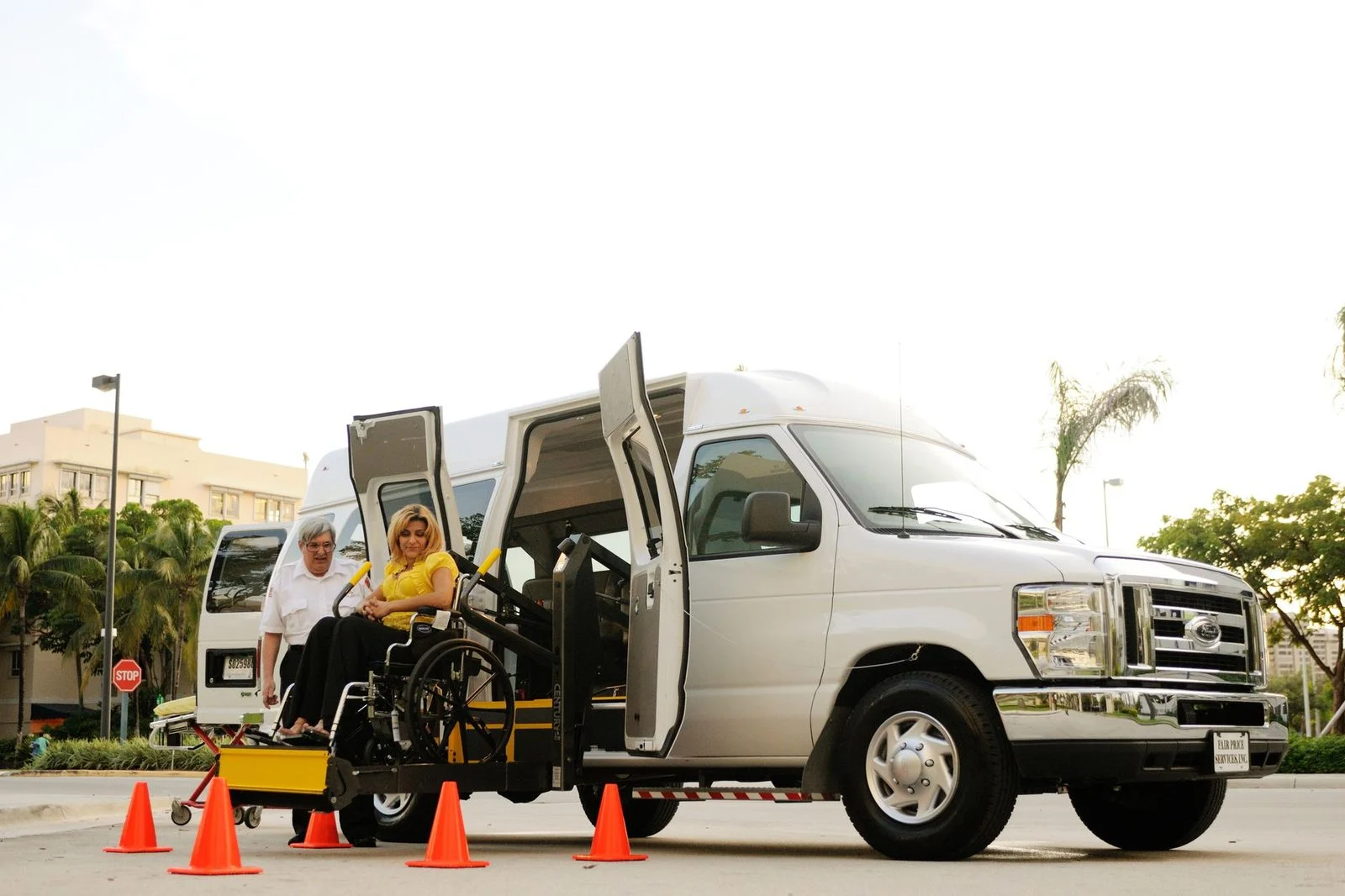
Costs from a spinal cord injury often keep coming after the hospital discharge. They can include attendant care, which means a person who helps with daily tasks. They can also include wheelchairs and other equipment, home changes such as ramps or bathroom modifications, transportation to therapy, and regular medical visits.
These costs are documented over time. Keep receipts, medical notes, and a simple daily log of the help the injured person needs. A written record shows how the injury has changed daily life, which is useful when the full picture is still forming.
Who pays for these costs depends on the sources available. Those include the at-fault driver’s policy, the injured person’s own UM/UIM coverage, and any other recovery. That is why the policy limits described above matter so much.
Next Step: Talk With the Team at El Gringo Law
You may be reading this for a family member, or for yourself, in the middle of appointments and insurer calls. You may be facing questions about policy limits you never expected to handle. Our team knows these decisions come quickly.
Some of the decisions in front of you include whether to speak with an adjuster, how to read the at-fault driver’s limits, and how to plan for ongoing care. Our team can talk through those questions with you.
Josh Wood, a lawyer licensed in New Mexico and Arizona, is the responsible lawyer for this page. Our initial consultation is free, confidential, and comes with no obligation to continue (consulta inicial gratuita, confidencial y sin compromiso). You can reach us through our contact page.
To learn more about our approach to these claims, see our New Mexico spinal cord injury lawyer page.
Frequently Asked Questions
What are the minimum auto insurance limits in New Mexico?
New Mexico requires drivers to carry at least $25,000 in bodily injury coverage per person, $50,000 per accident, and $10,000 in property damage coverage. These are the minimum amounts the law requires, not the full cost of a serious crash.
Are minimum auto insurance limits enough to cover a spinal cord injury?
Often they are not. Emergency care, surgery, rehabilitation, equipment, and lost income from a spinal cord injury can add up to far more than $25,000 per person, so the at-fault driver’s minimum policy may not cover all of your losses.
What if the at-fault driver has no insurance or not enough coverage?
Your own uninsured and underinsured motorist coverage may help pay for losses the at-fault driver’s policy does not cover. New Mexico law requires insurers to offer this coverage, so review your policy’s limits and any written rejection you signed.
How long do I have to file a personal injury claim in New Mexico?
For most personal injury claims, New Mexico law generally allows three years from the date of injury, but claims against government entities can have much shorter notice deadlines. For a free, confidential initial consultation with El Gringo Law, call or submit a contact form.
How El Gringo Law Can Help
Plain-language answers
We explain how your policy limits may apply to your injury, in terms you can follow.
Focused on serious injuries
Our work centers on car accidents, trucking accidents and catastrophic injuries, including spinal cord injuries.
Organized case review
We help you gather the records, bills and policy documents that a review of your claim requires.
Confidential first step
Your free, confidential first consultation comes with no obligation to continue.
Don't Assume the Minimum Is Enough
Medical treatment, rehabilitation and lost income after a spinal cord injury can far exceed the minimum limits many drivers carry. Review your full policy and talk with a lawyer before you respond to any insurance offer.
What to Gather Before Your Consultation
Your policy documents
Bring the declarations page and any coverage notices from every insurer involved.
Medical records and bills
Include hospital, therapy and equipment records, along with any statements you have received.
Crash details
Keep the police report number, photos, witness names and any insurance correspondence.
Work and income records
Note missed work, pay stubs and any changes to your job duties since the crash.
Talk With Josh Wood and Our Team About Your Injury
Related practice areas
- Spinal Cord Injury Lawyer in New Mexico
- Medicaid Lien on a Spinal Cord Injury Settlement in New Mexico
- Wheelchair, Attendant Care, and Home Costs After a Spinal Cord Injury in New Mexico
- New Mexico Spinal Injury Recorded Statement: Next Steps