Spinal Cord Injuries | New Mexico
Attendant care after a spinal cord injury: planning for the costs that follow
Daily support can become one of the largest and longest-lasting expenses after a serious injury. Here is how to think it through, and how our team at El Gringo Law can help you start.
By Josh Wood · Published November 11, 2026
After a spinal cord injury, the bills don’t stop when discharge papers are signed. Wheelchairs, daily help at home, ramps, and rides to therapy keep adding costs for months or years.
Attendant care costs are supported by care plans, hour logs, and invoices that tie each hour of help to the injury. The sections below walk through each cost category and the records that show it.
What Daily Costs Can a Spinal Cord Injury Create?
A spinal cord injury can create daily costs for equipment, personal care, home changes, and travel to medical care. These needs show up in ordinary life. A person may need help getting out of bed, bathing, or using the toilet, and those needs can continue long after the first surgery.
The level of injury changes what’s needed. Paraplegia and tetraplegia affect the body differently, and tetraplegia often affects arm and hand use too. Two people with similar injuries can still need different help, so each record should match that person’s daily life.
Causation matters. New Mexico courts ask whether the crash was a proximate cause of the injury. Herrera v. Quality Pontiac Your cost records should connect each need back to the crash.
If a crash has left you or a family member needing a wheelchair, daily care, or home changes, we're glad to talk through which costs to record now. Talk it through with our team — the first consultation is free, confidential, and carries no obligation.
Are Wheelchairs and Mobility Equipment Claim Costs?
Wheelchairs and other mobility equipment are often recorded as claim costs when a physician or therapist prescribes them because of the injury.
Equipment ranges from manual wheelchairs and power chairs to transfer aids, standing devices, and cushions. Each item has its own purpose and price. Needs also change over time. A chair wears out, a body changes, and repairs and replacement parts add up.
The records that matter include the prescription, evaluation notes, supplier fitting notes, invoices, repair tickets, and therapy notes explaining why the item is needed. A common mistake is throwing out paperwork from an early purchase. Keep every invoice, even for small parts.
How Is Attendant Care Cost Documented?
Attendant care costs are documented through care plans, hour logs, and written agreements with the people or agencies who provide the help.
Attendant care can include help with bathing, dressing, transfers from bed to chair, meals, medications, and supervision. Skilled nursing hours are recorded differently from non-medical support hours. Keep visit notes and aide time sheets separate so each type of care is easy to trace.
Family members often give daily care. Their time can be written in a log with dates, tasks, and hours. A log kept at the time of care is more useful than one written from memory months later.
Whether a close family member has a separate claim depends on the relationship and the facts of the case.
What Home Modifications Should You Document?
Home modifications are documented with contractor estimates, therapy assessments, and photos taken before and after the work.
Common changes include ramps, wider doorways, roll-in showers, lifts, and new kitchen or bathroom layouts. A home occupational therapy assessment can explain why each change is needed. Contractor estimates show the scope of the work and its price.
Housing situation changes the record. If you rent, you may need the landlord’s written permission before changing a doorway or adding a ramp. Keep that correspondence. If a home was modified before the injury, save records showing what changed and when.
What Transportation Costs Come With Spinal Cord Care?
Transportation costs are shown by appointment records, mileage logs, and receipts for rides or accessible vehicle changes.
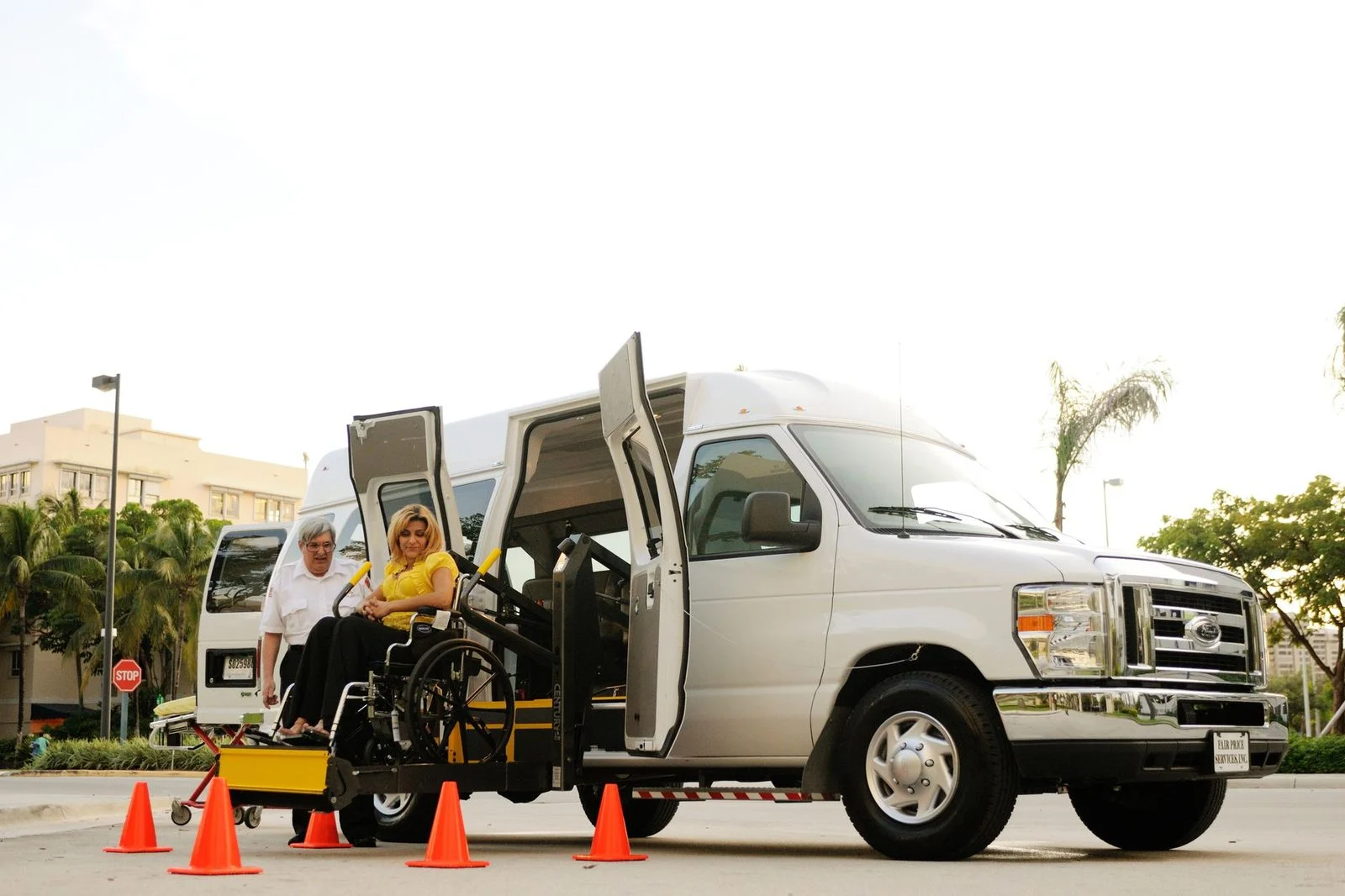
Early in recovery, trips to rehabilitation, specialists, lab work, and therapy can happen several times a week. A person who uses a wheelchair may need a vehicle with a lift or ramp, or changes to an existing vehicle. Keep the bills for those changes.
A simple calendar works well. Note the date, the destination, the distance, and who drove. Save ride-service and parking receipts too. Together, these records show how often and how far a person travels for care.
How Are These Costs Shown in an Injury Claim?
Medical records, provider invoices, and treating provider notes link each cost to the injury.
Discharge summaries and therapist notes explain why each item or service was needed. Invoices and care agreements show what was charged. Future costs need different proof, often a life care plan or a treating provider’s opinion about future needs.
Medicare or other payers may already have paid for some items. Those payments can affect how a claim is handled later, so reviewing them early helps. For more on Medicare and future care costs, read our Medicare set-aside guide. A personal cost journal kept alongside official records also helps.
Not sure what your next step is?
Talk it through with our team — the first consultation is free, confidential, and carries no obligation.
Why Is Each Claim Judged on Its Own Facts?
Each claim is judged on its own facts, including how the crash happened and who shares the fault.
New Mexico reduces damages by the injured person’s share of fault. Under UJI 13-2218, the total damages are reduced by the plaintiff’s percentage of negligence, and the percentages add up to 100%.
NMSA 1978, § 41-3A-1 lists exceptions to the abolition of joint and several liability, including acts done with the intention of inflicting injury or damage and persons strictly liable for the manufacture and sale of a defective product, though for those persons joint and several liability applies only to the portion of the total liability attributed to them. Those exceptions make the facts of each crash important.
Past results in other cases don’t predict what a given claim will produce. A well-documented claim gives the clearest record to evaluate.
How Are Case Costs Handled at El Gringo Law?
The firm may advance court costs and litigation expenses; the written agreement must state which expenses are deducted from the recovery, whether such expenses are deducted before or after the contingent fee is calculated, and must clearly notify the client of any expenses the client will owe whether or not the client is the prevailing party.
Clients may be responsible for court costs and the expenses of litigation if there is no recovery, as the written agreement states. Under Rule 16-105, a contingent fee agreement must be in a writing signed by the client.
Cost terms are a common question. Our guide on catastrophic injury lawyer cost in New Mexico explains those terms. Review the written agreement carefully before you sign.
Talking With El Gringo Law About Your Situation
If you’re coming home with a new wheelchair, a care schedule, or home changes still under way, the cost records you start now can shape your claim later.
Josh Wood is the lawyer responsible for this page’s content. The initial consultation is free, confidential, and comes with no obligation to continue. You can reach us by phone, through the contact page, or by starting a chat. Our website is elgringolaw.com.
Frequently Asked Questions
Can attendant care costs be part of a spinal cord injury claim in New Mexico?
They can, when they are tied to the injury and documented in care plans, hour logs, and provider records.
Does New Mexico reduce compensation if I was partly at fault?
Yes. Damages are reduced by your percentage of fault under UJI 13-2218.
What should I keep for a wheelchair?
Keep the prescription, evaluation and fitting notes, supplier invoices, and repair receipts.
Will I owe court costs if there is no recovery?
The written agreement sets out the terms. You may be responsible for court costs and litigation expenses if there is no recovery.
How El Gringo Law can help
Talking through your situation
We listen to what daily life now requires of you and your family, and we explain the questions that matter most at this stage.
Organizing the records
Our team helps gather care plans, provider notes, and hour logs so the costs of attendant care are clearly documented.
Advocating for your recovery
We work to present the full cost of your care, including future needs, in a way that reflects your injury and your life.
Clear, direct communication
You will know who is handling your matter and what the next steps are, in plain language.
Start a care log now
Write down who provides care, the hours worked, the tasks completed, and any out-of-pocket purchases. Keep copies of care plans and provider notes. Organized records make costs easier to explain.
Questions to bring to your consultation
What care is needed today?
List the daily tasks that now require help, from transfers and bathing to meals, medication, and transportation.
What care may be needed later?
Ask your medical team to describe the likely course of your injury so future care needs can be considered.
Who is documenting the care?
Identify the people providing care and whether they are family members, agency staff, or independent caregivers, and how their work is recorded.
What has already been spent?
Gather receipts and invoices for equipment, home modifications, and care services you have paid for so far.